You’re tired of looking at grocery store shelves and wondering if the “out of stock” signs are the new normal. Investing in your own food security is the smartest move you can make, but you shouldn’t have to drain your savings just to keep your family fed. This survival greenhouse price guide cuts through the marketing fluff to show you exactly what it costs to build a resilient garden in 2026, whether you have $500 or $50,000 to spend.
Don’t let those flashy sales pages fool you into buying a flimsy plastic tent that will collapse during the first heavy snowfall. A true survival structure needs to be an absolute tank, capable of handling high winds and freezing nights without breaking a sweat. We are dissecting the real-world costs of everything from basic DIY hoop houses to high-end geodesic domes so you can stop guessing and start growing.
Key Takeaways
- Prioritize structural integrity over low price points by avoiding flimsy $600 big-box kits that lack insulation and buckle under heavy snow or high winds.
- Budget between $500 and $1,500 for a rugged DIY hoop house to maximize growing square footage, or invest $10,000 to $30,000 in a geodesic dome for ultimate passive solar efficiency and extreme weather resilience.
- Incorporate low-cost passive upgrades like water barrels for thermal mass and non-electric wax-cylinder vent openers to ensure crop survival during power grid failures.
- Account for hidden expenses such as reinforced foundations, professional-grade soil, and irrigation systems, which are essential for turning a greenhouse shell into a functional year-round food source.
Budget Breakdown For DIY Hoop Houses And Kits
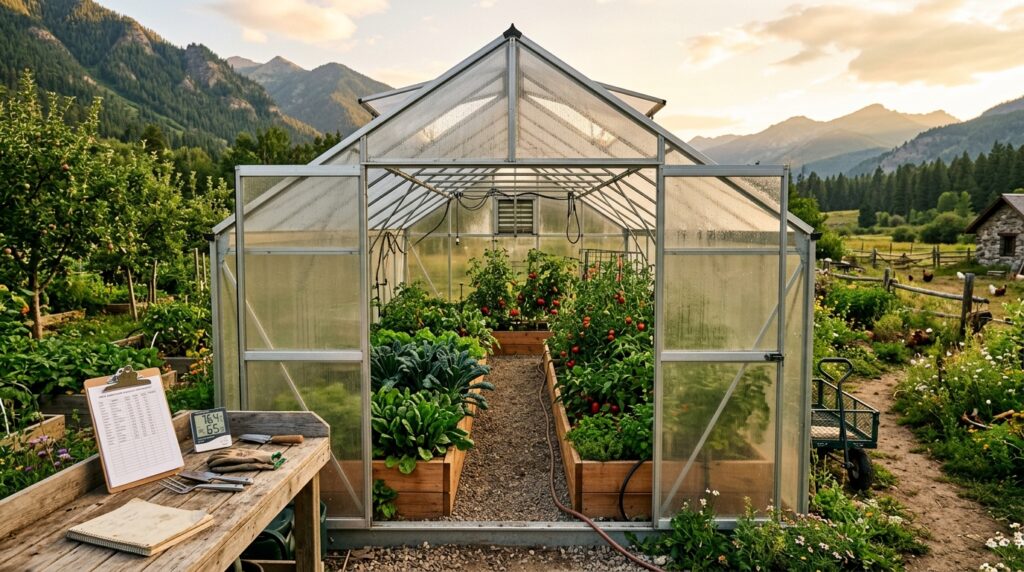
For the $500 to $1,500 range, you are looking at the entry point of serious food security where the DIY hoop house reigns supreme. These structures use high quality greenhouse film and metal piping to give you a massive footprint of growing space for a relatively small investment. You can easily build a 12 by 20 foot tunnel that provides enough room to feed a family if you are willing to put in the sweat equity. This setup is perfect for extending your growing season by months, but it requires you to be handy with a drill and comfortable with basic construction. It is a gritty, functional choice for the prepper who values square footage over aesthetics.
Do not be tempted by those shiny, cheap polycarbonate kits you see for $600 at big box retailers or online marketplaces. These structures are often little more than glorified wind chimes that will buckle under the first heavy snow or fly into your neighbor’s yard during a thunderstorm. The panels are usually paper thin, offering almost zero insulation for your plants when the temperature actually drops. You are essentially buying a plastic box that will yellow and crack within a few seasons, forcing you to spend more money on a replacement. Your hard earned cash is better spent on a rugged DIY build that can actually handle a real emergency.
If you want to skip the hardware store runs and get straight to the growing, look for high quality survival kits that prioritize structural integrity over low price points. A solid kit in the $1,500 range should feature reinforced framing and heavy duty covers designed to withstand high winds. While these are more expensive than the flimsy hobby kits, they offer the peace of mind that your food supply won’t be destroyed by a single bad weather event. Investing in a durable frame now means you won’t be scrambling to save your crops when the grid goes down or the climate gets unpredictable. Focus on the thickness of the materials and the weight of the shipping box to gauge the true quality of what you are buying.
Pricing Geodesic Domes And High Resilience Structures
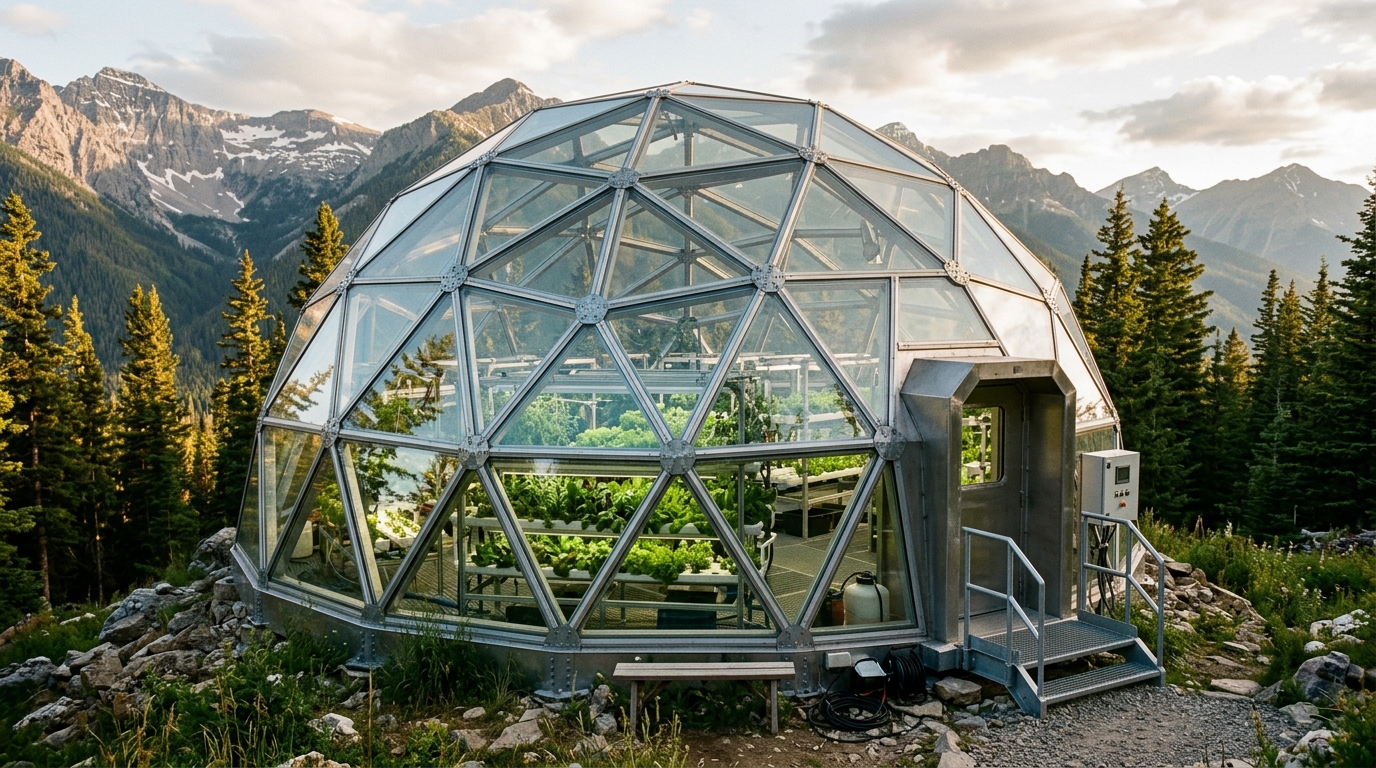
When you are ready to move past basic seed starting and commit to true long term food security, you have to look at structures that can actually survive a brutal winter. Investing between $10,000 and $30,000 might seem like a massive jump, but this price range covers the heavy duty geodesic domes and reinforced builds that do not collapse under three feet of snow. These high resilience structures are designed with aerodynamic shapes that allow hurricane force winds to flow right over them instead of ripping the panels off. You are not just buying a garden shed, you are securing a fortified climate where your food continues to grow while the world outside is freezing. It is a serious commitment for the prepper who knows that a cheap plastic tent will not cut it when the grid goes down.
Geodesic domes are the gold standard for passive solar efficiency because their unique geometry captures sunlight from every angle throughout the day. At this price point, you are paying for thick polycarbonate panels and aircraft grade aluminum or timber frames that can handle immense pressure. These kits often include specialized ventilation systems and insulated foundations that keep the interior temperature stable without relying on expensive electric heaters. We have seen too many people lose their entire harvest to a single heavy storm because they tried to save a few thousand dollars on a flimsy kit. Spending the extra money now ensures that your investment stands for decades rather than falling apart during the first real test of nature.
Beyond the raw materials, these professional grade builds offer the peace of mind that comes with a permanent food source. Within the $11,000 to $25,000 range, you can often find custom designs that integrate deep winter insulation and thermal mass storage to keep your soil warm year round. If you want to find proven systems for high yield indoor growing, check out the resources at httpsco for direct access to top-tier products. These structures are the backbone of a real survival plan because they turn your backyard into a reliable grocery store regardless of the weather. Stop looking at temporary fixes and start eyeing the heavy hitters if you are serious about feeding your family for the long haul.
Essential Costs For Off Grid Passive Solar Upgrades
You can drop twenty grand on a reinforced frame that looks like a futuristic fortress, but if you do not have a plan for heat retention, your plants will still freeze when the grid goes dark. Real food security is not about how much you spent on the skeleton of the building, but how well you managed the thermodynamics inside. Spending around $200 on thermal mass, such as water barrels or stone beds, acts like a natural battery that soaks up sun during the day and releases it at night. This simple investment does more for your survival than a $5,000 upgrade to the structural metal because it keeps your food alive without needing a single watt of electricity.
Ventilation is the other silent killer that many preppers overlook until their entire crop wilts in a mid-day heat spike. You should prioritize spending roughly $150 on non-electric, wax-cylinder vent openers that react automatically to the temperature. These mechanical lifesavers do not care if the power is out or if you are busy elsewhere, as they physically push the windows open when things get too hot. It is a gritty reality that a cheaper frame with smart, passive upgrades will always out-produce a high-end dome that lacks basic climate logic. When you are looking for the truth about long-term resilience, remember that it is these small, functional additions that actually put food on your table.
Hidden Expenses Of Foundation And Soil Preparation
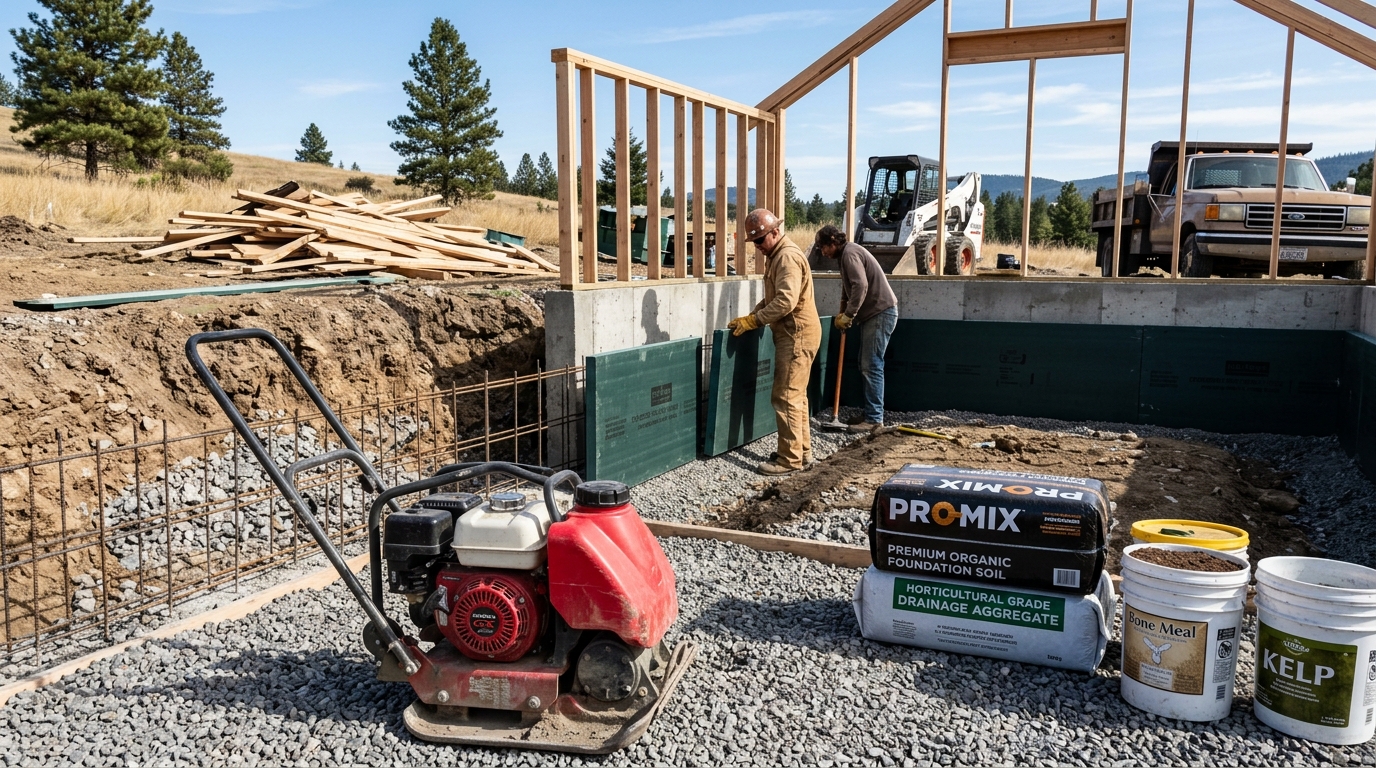
You see a sleek greenhouse kit online for a few thousand dollars and think you have your food security budget figured out, but the sales page is hiding the heavy lifting from you. Before a single seed hits the dirt, you have to deal with the ground beneath your feet, which often requires a leveled concrete footing or a reinforced perimeter wall to prevent the structure from flying away in a storm. These foundation materials and the labor to install them can easily add another twenty percent to your total bill. If you ignore this step, your high end investment becomes a kite the moment a heavy wind picks up. Do not let the pretty pictures fool you into thinking these structures just sit on top of the grass without any extra support.
Beyond the bones of the building, you have to consider what actually feeds your family, which is the quality of your growing medium. Filling a large survival greenhouse with cheap fill dirt is a recipe for crop failure, so you will need to invest in high quality organic soil, compost, and mineral amendments. Buying these materials by the bag is a financial trap, yet ordering bulk delivery still carries significant transport fees that most people forget to calculate. You are looking at hundreds or even thousands of dollars just to create a nutrient dense environment that can sustain year round production. True self sufficiency requires more than just a glass box, it requires a foundation and fuel that the marketing teams conveniently leave out of the price tag.
Investing in a survival greenhouse is a major move toward locking in your family’s future security while the cost of groceries continues to spiral out of control. While the upfront price of a rugged structure and proper soil might sting today, it is a one time expense compared to the endless cycle of inflation at the supermarket. You are essentially pre-paying for a decade of fresh produce and the peace of mind that comes with owning your own supply chain. When you weigh the hidden costs against the long term value of resilience, the math clearly favors the person who can grow their own food. Taking control of your food source is not just a hobby, it is a strategic insurance policy for the uncertain years ahead. While you build your garden, you should also research the best survival food brands to ensure your pantry is as resilient as your greenhouse.
Investing in Resilience Over Marketing Fluff
Investing in your food security is a major move that requires cutting through the marketing fluff to see what actually works when the grid goes down. You have seen that the price of a survival greenhouse can range from a few hundred dollars for a basic DIY hoop house to over fifty thousand dollars for a high end geodesic dome. While cheap kits might look tempting on a shiny sales page, they often fail when real weather hits, leaving you with a pile of twisted plastic and dead crops. You need to focus on structures with thick polycarbonate panels and reinforced frames if you want a system that provides genuine year round resilience.
Choosing the right structure depends entirely on your specific climate and how much you are willing to spend for peace of mind. A custom build with a concrete foundation is the gold standard for permanent food security, but a quality survival kit in the two thousand to five thousand dollar range is often the sweet spot for most serious preppers. Do not get distracted by fancy gadgets that require constant electricity, because a true survival greenhouse should rely on passive solar design and sturdy materials. You are building a lifeboat for your family, so it makes sense to prioritize durability over a low price tag that could cost you everything in a crisis.
Now that you have a clear picture of what it takes to secure your physical food supply, it is time to look at securing your financial future in an unpredictable world. Understanding the real cost of survival gear is just as critical as growing your own food when it comes to total self reliance. Ready to take the next step in protecting your hard earned assets? Our Honest Truth About Crypto Signal Service Reviews is designed to help you achieve your goals by weeding out the scams and finding real opportunities in the digital market.
Frequently Asked Questions
1. Is a $600 polycarbonate kit from a big box store a good investment?
Don’t waste your hard earned cash on those flimsy kits that look like glorified wind chimes. These structures use paper thin panels that offer zero insulation and will likely buckle under the first heavy snowfall or fly away in a storm. If you want real security, you need a structure that handles high winds and freezing nights without breaking a sweat.
2. How much should I expect to spend on a reliable DIY hoop house?
You can build a serious, high quality hoop house for between $500 and $1,500 if you are willing to provide the sweat equity. This budget covers heavy duty greenhouse film and metal piping for a large 12 by 20 foot footprint. It is the smartest way to get the most growing space for every dollar you spend.
3. What is the main advantage of choosing a geodesic dome for survival?
Geodesic domes are the absolute tanks of the greenhouse world because their shape naturally handles extreme wind and heavy snow loads. While they sit at the higher end of the price spectrum, they provide a permanent and incredibly resilient environment for year round food production. They are the top choice if you want a structure that survives the toughest conditions 2026 can throw at you.
4. Can I really feed my entire family with a $1,500 greenhouse budget?
Yes, you can absolutely provide significant food security for your family with a 12 by 20 foot DIY tunnel. This setup allows you to extend your growing season by several months and provides enough square footage for high yield crops. You can also look into vertical gardening systems to increase your output without needing a larger footprint. You just need to be handy with a drill and comfortable with basic construction to make it happen.
5. Why shouldn’t I just buy the cheapest greenhouse film available?
Cheap plastic will degrade under the sun and tear during the first real thunderstorm, leaving your crops exposed and ruined. Investing in professional grade greenhouse film ensures your structure stays intact and keeps your plants warm when temperatures drop. True survival gardening is about reliability, not just finding the lowest price tag.
6. What are the hidden costs I should watch out for when budgeting?
Most people forget to budget for the internal systems like ventilation, sturdy raised beds, and proper insulation for freezing nights. You also need to account for the real solar battery backup price and irrigation to ensure your plants actually thrive inside the structure. A greenhouse is just a shell, it is the life support systems inside that actually grow your food. Just as you must research survival water filter types to ensure your hydration is safe, you must vet every component of your greenhouse to ensure your food supply is secure. You should also compare solar generator vs gas for emergency home power to keep your critical systems running when the grid fails. If you want to go even further, you can learn how to build your own off grid power system to ensure your greenhouse remains fully functional during a total blackout. To complete your setup, make sure you source the best survival seeds and understand why you need a personal survival seed vault today to guarantee a diverse and nutrient-dense harvest year after year. When choosing your crops, it is vital to understand the difference between survival seeds vs heirloom varieties to ensure you can save seeds for future seasons.