
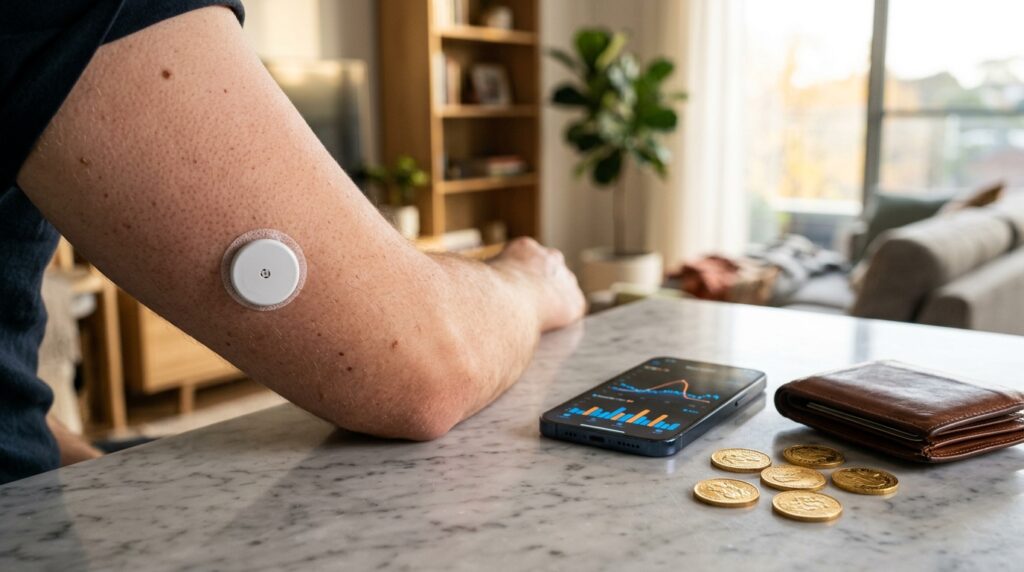
Managing your health shouldn’t feel like you’re being shaken down for every last cent, but the current blood sugar monitor cost can feel like a total maze. Between the flashy new over-the-counter sensors and the traditional finger-stick kits, the price gap is wider than ever. You deserve to know exactly what you’re paying for without the marketing fluff or hidden fees clouding your vision.
The industry has shifted fast, moving from strictly prescription-only models to a world where you can grab a monitor right off the shelf. Whether you’re looking for a wearable that tracks your data 24/7 or a simple budget-friendly meter, the real price depends heavily on your insurance and how much tech you actually need. We’re cutting through the noise to show you where your money is going and how to avoid overpaying for basic health tech.
Key Takeaways
- Traditional finger-stick kits use a ‘razor and blade’ business model where cheap hardware leads to expensive, recurring costs for test strips and lancets that can exceed $100 per month.
- Over-the-counter (OTC) continuous glucose monitors provide the same core technology as prescription models for a flat monthly rate of $50 to $99, bypassing insurance hurdles and pharmacy markups.
- Prescription-based pricing is highly volatile, ranging from $15 for those with premium insurance coverage to over $300 per month for cash-paying customers.
- Integrating targeted natural supplements like GlucoBerry can stabilize glucose levels and reduce the financial burden of frequent testing and high-tech hardware dependencies.
Comparing Continuous Glucose Monitor Subscription Prices
Continuous glucose monitoring often feels like a choice between jumping through insurance hoops or paying a premium for convenience. If you go the prescription route, you might snag a monthly cost as low as 15 dollars, but that is only if your provider and insurance company decide you are “sick enough” to qualify. For everyone else, the cash price for these prescription-based pricing models can skyrocket to over 300 dollars a month. It is a frustrating game of red tape that leaves many health conscious people looking for a more transparent way to track their data without needing a doctor to sign off on every sensor.
The rise of over the counter sensors has finally brought some much needed sanity to the market with flat monthly rates. You can now grab a subscription for around 50 to 99 dollars a month, skipping the pharmacy counter and the insurance denials entirely. While these models are marketed for wellness and metabolic health, they use the same core tech as the high end medical versions. You are essentially paying for the freedom to own your data without begging for a script. This makes it much easier to budget for your health goals without worrying about a surprise bill or a change in coverage.
When you weigh these costs against your long term health, the investment in a monitor often pays for itself by helping you avoid expensive complications down the road. However, you should still keep a skeptical eye on the total cost of ownership, including any hidden app fees or proprietary charging cables. We have seen plenty of tech companies try to lock users into ecosystems that get pricier over time. Stick to the straightforward subscriptions that let you cancel anytime so you stay in control of your wallet and your blood sugar. Getting the truth about your body should not require a second mortgage or a mountain of paperwork.
Hidden Expenses Of Traditional Finger Stick Kits

Don’t let that ten dollar starter kit at the pharmacy fool you into thinking you found a bargain. These companies practically give the meters away because they know the real money is in the consumables you are forced to buy every single week. You might feel like you are winning at the checkout counter, but you are actually signing up for a subscription that never ends. Between the test strips that cost a dollar a pop and the constant need for fresh lancets, that cheap plastic device becomes a massive money pit before the first month is even over. It is a classic razor and blade business model designed to drain your wallet while you are just trying to stay healthy.
The math on test strips is where the reality of traditional monitoring truly starts to bite. If you are checking your levels several times a day as recommended, those tiny slips of paper can easily run you over one hundred dollars every month. Most people do not realize that these strips have expiration dates and are incredibly sensitivity to moisture or heat, meaning one ruined batch flushes your hard earned cash down the drain. When you add in the cost of alcohol swabs and the physical toll of pricking your finger constantly, the hidden overhead becomes impossible to ignore. You deserve a solution that does not feel like a penalty for taking care of your body.
If you are tired of being nickel and dimed by big medical brands, it is time to look at smarter ways to manage your metabolic health. Much like evaluating traditional medication costs, you can bypass this expensive cycle by choosing high quality supplements or modern monitoring tech that offers a flat, transparent cost. Looking into options like httpsco can help you find products that actually support your goals without the bait and switch tactics of old school kits. Stop playing the guessing game with your budget and start investing in tools that provide real value without the hidden fees. You have the power to take control of your wellness journey without letting these recurring expenses bleed you dry.
Affordable Alternatives And Natural Glucose Support
Managing the monthly drain on your wallet from high tech sensors and constant supply refills can feel like a second job you never applied for. While continuous monitors offer incredible data, the recurring costs of seventy five to three hundred dollars a month add up fast if your insurance decides to look the other way. You do not have to be a victim of these spiraling medical costs just to keep your health in check. By mixing smart tech choices with targeted lifestyle shifts, you can actually stretch the life of your equipment and reduce your reliance on the most expensive gadgets. It is about being an insider who knows that the hardware is only one piece of the metabolic puzzle.
Smart supplementation serves as a powerful bridge that helps stabilize your numbers without requiring a constant digital tether. We have dissected the marketing fluff and found that high quality natural formulas like GlucoBerry can provide the heavy lifting your body needs to maintain balance. You can find this targeted support at httpsco to help manage your glucose levels more effectively and potentially lower the frequency of expensive testing. When your internal systems are running smoothly, you spend less time worrying about whether your supplement cost is worth it and less money on the hardware meant to track them. It is a bold way to take back control of both your health and your bank account.
Finding Your Perfect Balance of Tech and Price
Navigating blood sugar monitor costs does not have to feel like a high stakes gamble with your savings. You now have the power to choose between high tech continuous monitors that offer constant data or traditional kits that keep things simple and affordable. With the rise of over the counter options, you can bypass the insurance headache and grab a sensor for well under a hundred dollars. The goal is to find that sweet spot where you get the vital health insights you need without paying for flashy features you will never actually use.
We have spent years dissecting marketing fluff and we know that the most expensive device is not always the best one for your specific lifestyle. Much like questioning if microbiome testing is worth it, you should evaluate whether these glucose tools provide real medical insights or just expensive data. Whether you are managing a condition or just curious about your metabolic health, you deserve a setup that provides clarity instead of confusion. Just as you might research the metabolism booster pill cost before buying, do not let the price tags intimidate you into settling for guesswork when the data is finally becoming accessible to everyone. We believe in transparency and giving you the straight facts so you can invest your money where it actually moves the needle for your well being.
If you are tired of being sold overpriced solutions and want to apply this same level of scrutiny to your other financial decisions, we have you covered. Just as we cut through the noise of medical tech, we can help you navigate the complex world of modern investments. Take control of your financial future today and discover how we can help by checking out The Honest Truth About Crypto Signal Service Reviews. Empowering yourself with the right information is the first step toward making smarter choices for both your health and your wallet.
Frequently Asked Questions
1. How much should I expect to pay for a CGM without insurance?
If you go the traditional prescription route without coverage, prepare for a sting of up to 300 dollars a month. Retail wellness sensors have changed things, offering flat subscription rates between 50 and 99 dollars that skip the pharmacy red tape entirely.
2. Is there a difference in quality between cheap and expensive monitors?
The core technology in a 50 dollar over the counter sensor is often identical to the high end medical versions. You are usually paying a premium for the brand name or a fancy app interface rather than better accuracy.
3. Why is there such a massive price gap between different brands?
The price difference usually comes down to how you access the tech and what features are included. Prescription models are often marked up by pharmacies, while newer direct to consumer brands cut out the middleman to offer lower, transparent pricing.
4. Can I get a blood sugar monitor for 15 dollars?
You can snag that low price only if your insurance company decides you meet their strict requirements for being sick enough. For most people looking to track their health proactively, that 15 dollar price tag is a marketing unicorn that rarely exists in reality.
5. Are over the counter monitors worth the subscription cost?
These subscriptions are a solid win if you want to skip doctor visits and insurance denials. You get the same reliable data for a predictable monthly fee, making it the best move for anyone tired of playing games with medical billing.
6. What is the most budget friendly way to track my glucose?
Traditional finger stick kits are the cheapest entry point, but they only give you a single snapshot in time. For 24/7 data without the hidden fees, a flat rate monthly subscription for an over the counter wearable is your best bet for long term value.