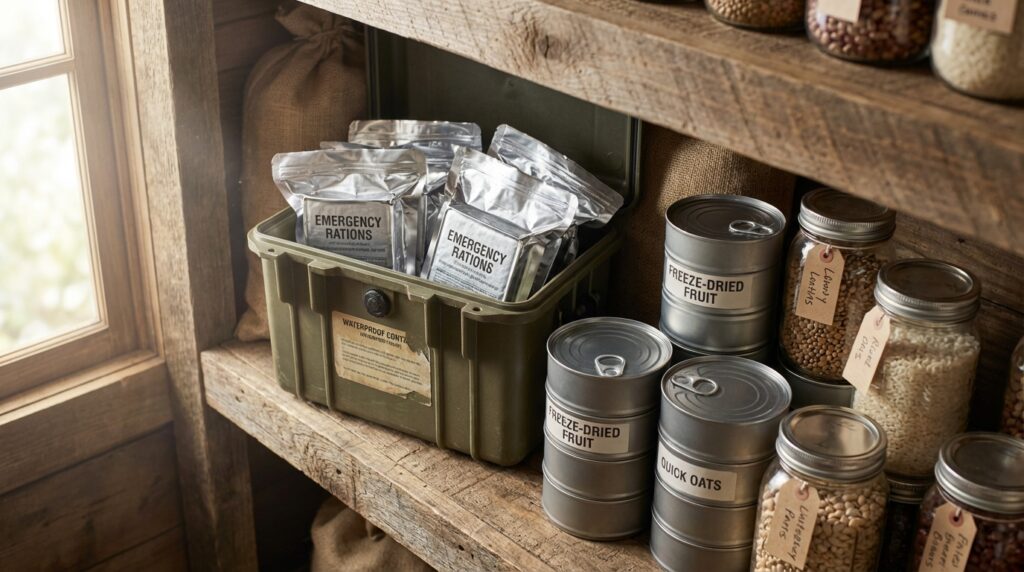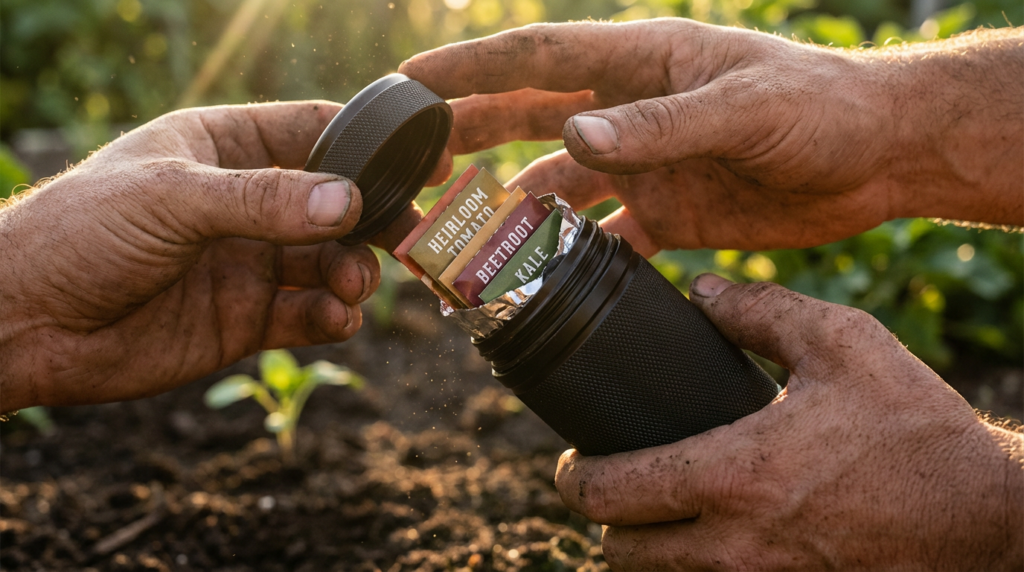
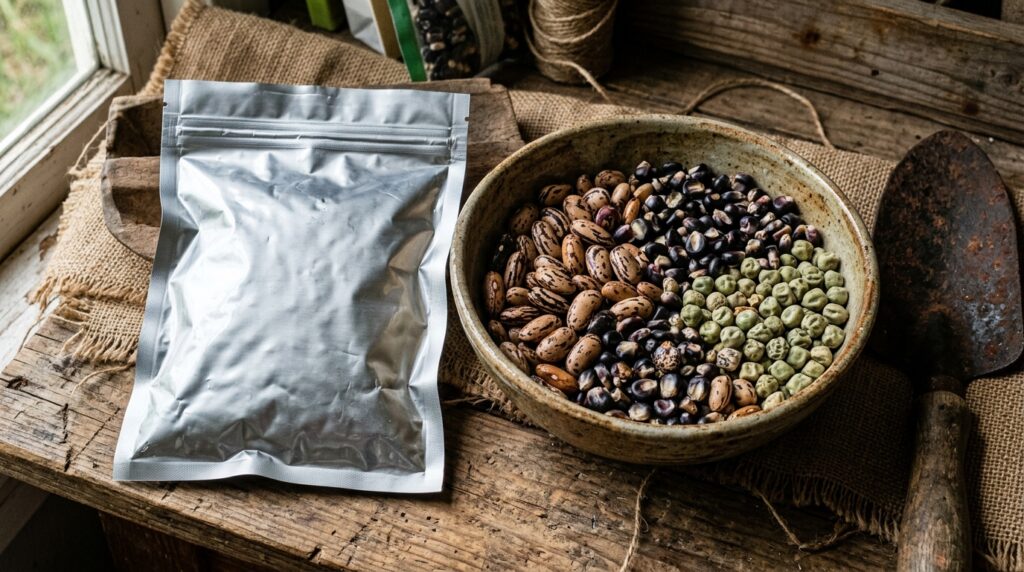
You’ve probably seen those rugged-looking emergency vaults promising a lifetime of food security, but before you drop your hard-earned cash, you need to understand the reality of survival seeds versus heirloom varieties. Marketing gurus love to make these sound like two completely different technologies. In reality, one is just a fancy box while the other is the actual engine. Most survival kits are simply collections of heirloom seeds, the old-school, open-pollinated plants passed down through generations, repackaged with a higher price tag for the prepper crowd.
Don’t let a shiny Mylar bag fool you into thinking you’re buying a secret government formula for the apocalypse. Heirloom seeds are the real winners because they breed true, meaning you can save your harvest’s seeds and grow the exact same crop next year without buying more. While survival kits offer convenience by bundling 50 different veggies into one purchase, you’re often paying a premium for the convenience of a kit rather than the quality of the genetics. You deserve to know exactly what you’re putting in your soil without the marketing fluff clouding your judgment.
Key Takeaways
- Survival seeds are not a unique botanical category but are typically standard heirloom varieties repackaged in durable containers for marketing and long-term storage.
- Heirloom seeds are the essential standard for self-sufficiency because they are open-pollinated and breed true, allowing you to save and replant seeds indefinitely.
- Avoid hybrid seeds for long-term security, as they often produce sterile offspring or unpredictable, low-quality crops in the second generation.
- The primary value of a pre-packaged seed vault is the convenience of a curated collection and specialized packaging like Mylar bags that protect seeds from moisture and light.
Marketing Labels Versus Botanical Heirloom Reality
Let’s pull back the curtain on the flashy survival seed industry and look at what you are actually buying. When you see a rugged, waterproof Mylar bag labeled as a survival vault, you aren’t looking at a new botanical discovery or a secret military-grade plant species. You are simply looking at a curated collection of heirloom seeds that have been repackaged for long-term storage. These are the same open-pollinated varieties that gardeners have been passing down for generations, selected because they breed true to their parents. Marketing teams just wrap them in tactical foil to appeal to your need for emergency preparedness and food security.
The real magic isn’t in the survival label, but in the heirloom genetics hidden inside those fancy pouches. Heirloom seeds are the gold standard for any serious prepper because they allow you to become completely self-sufficient. Unlike hybrid seeds that produce unpredictable offspring, heirlooms produce seeds you can save and replant year after year with the same reliable results. You need that genetic consistency when the grocery store shelves are empty and your backyard is your only source of calories. The survival kit is essentially a convenience play, giving you a diverse starter library so you don’t have to hunt down forty different individual seed packets.
Choosing between buying individual heirloom packets and a pre-packaged survival vault really comes down to your storage goals. If you are an active gardener, you might prefer buying loose heirloom seeds to use immediately in your seasonal rotation. However, if you want a set it and forget it insurance policy, the survival vault wins because the specialized packaging protects the seeds from moisture and light. Just remember that you are paying for the convenience of the collection and the durability of the container, not a different type of plant. Both options give you the power to grow real food, but the vault is built to wait for the day you actually need it.
Why Non-GMO Heirloom Genetics Beat Hybrid Alternatives
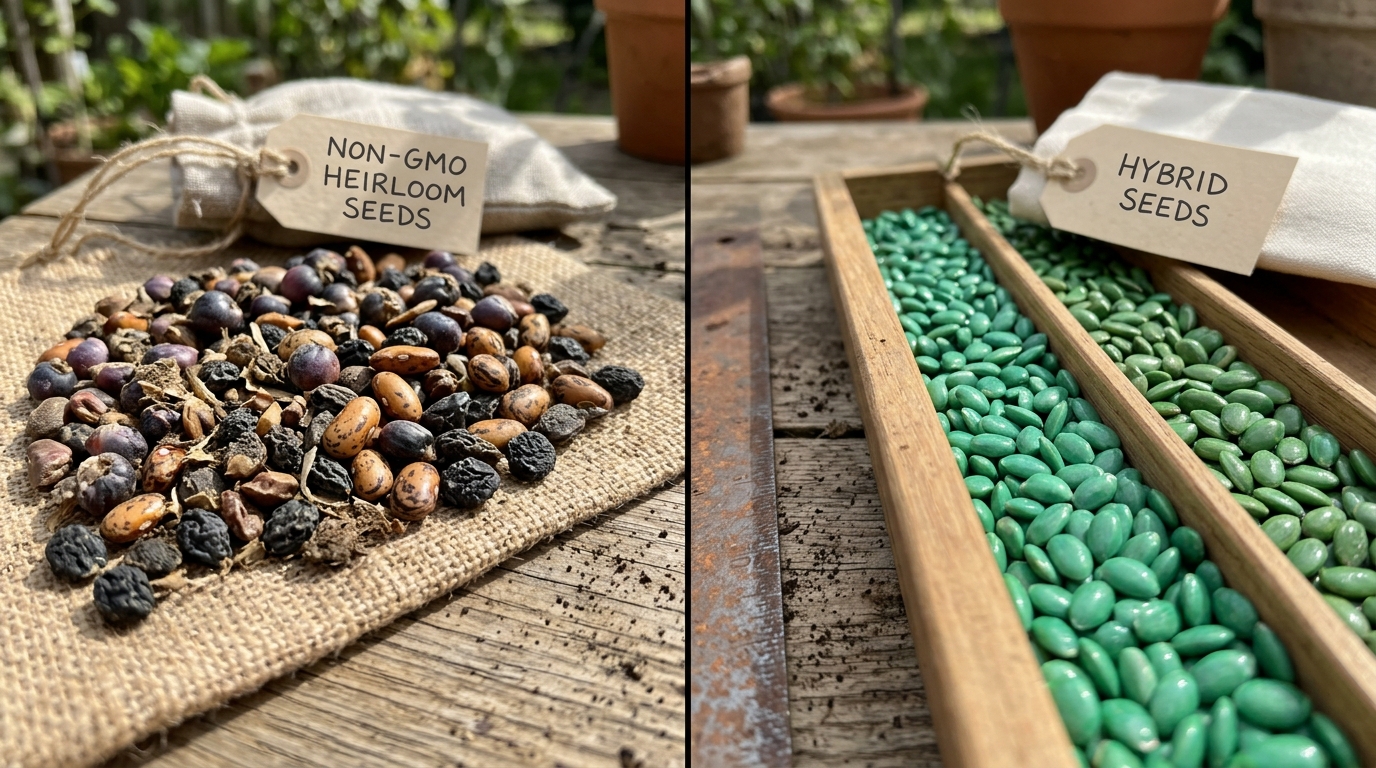
When you are looking at seed vaults, you have to look past the fancy survival labels and get down to the actual genetics of the plant. Hybrid seeds might look great on a sales page because they offer fast growth or uniform shapes, but they are a total dead end for long-term security. These plants are essentially one-hit wonders because their offspring will either be sterile or produce unpredictable, low-quality fruit that looks nothing like the parent. If you want a garden that actually feeds your family year after year, you need seeds that can reproduce themselves without a laboratory.
Heirloom seeds are the gold standard for anyone serious about self-sufficiency because they are open-pollinated and breed true to type. This means when you harvest your tomatoes or peppers, you can save those seeds and plant them next spring with total confidence in what will grow. These hardy varieties have survived for generations because they have the natural grit to handle pests and changing weather without chemical help. You are not just buying a packet of seeds, you are investing in a continuous cycle of food that does not require you to go back to a store every single season.
The real secret to a bulletproof food strategy is understanding that survival seeds are just a marketing wrapper for these high-quality heirloom genetics. By choosing non-GMO heirlooms, you are taking control of your own food supply and cutting the cord from industrial seed monopolies. You want a garden that acts like a living bank account, where every harvest pays interest in the form of new, viable seeds. Stick with the tried-and-true genetics that have fed people for centuries, and you will never have to worry about your garden suddenly going silent.
Evaluating Seed Vault Packaging and Storage Life
You are essentially choosing between a pre-packaged insurance policy and a custom-built toolkit when you compare survival vaults to individual heirloom packets. Survival seeds are not some secret botanical discovery, but rather a curated selection of open-pollinated heirloom varieties that have been sealed for a long shelf life. These kits offer the convenience of a garden in a box which is perfect if you want to skip the research and get straight to security. The real value lies in the specialized packaging, like Mylar bags and moisture absorbers, that keeps those seeds viable for years longer than a standard paper packet sitting in your kitchen drawer.
Building your own stash from individual heirloom seeds gives you total control over what actually goes into your soil. You can skip the filler crops you will never eat and focus on the high-calorie, hardy varieties that actually thrive in your specific climate. While this DIY approach saves you the convenience tax of a pre-made vault, you have to be disciplined about your own storage methods to match that professional-grade protection. If you are not prepared to vacuum seal and temperature control your collection, those savings will vanish the moment your seeds fail to sprout during a crisis.
Ultimately, the best choice depends on whether you value your time or your ability to micro-manage your food supply. A high-quality survival seed vault cuts through the noise and gives you a diverse genetic library that is ready to hit the dirt the moment things go sideways. Heirlooms are the gold standard for long-term food security because they allow you to save seeds from every harvest, ensuring you never have to buy another packet again. Whether you buy a ready-made kit or piece it together yourself, the goal is the same: securing a reliable food source that belongs entirely to you.
Choosing the Right Seed Strategy for Self-Sufficiency
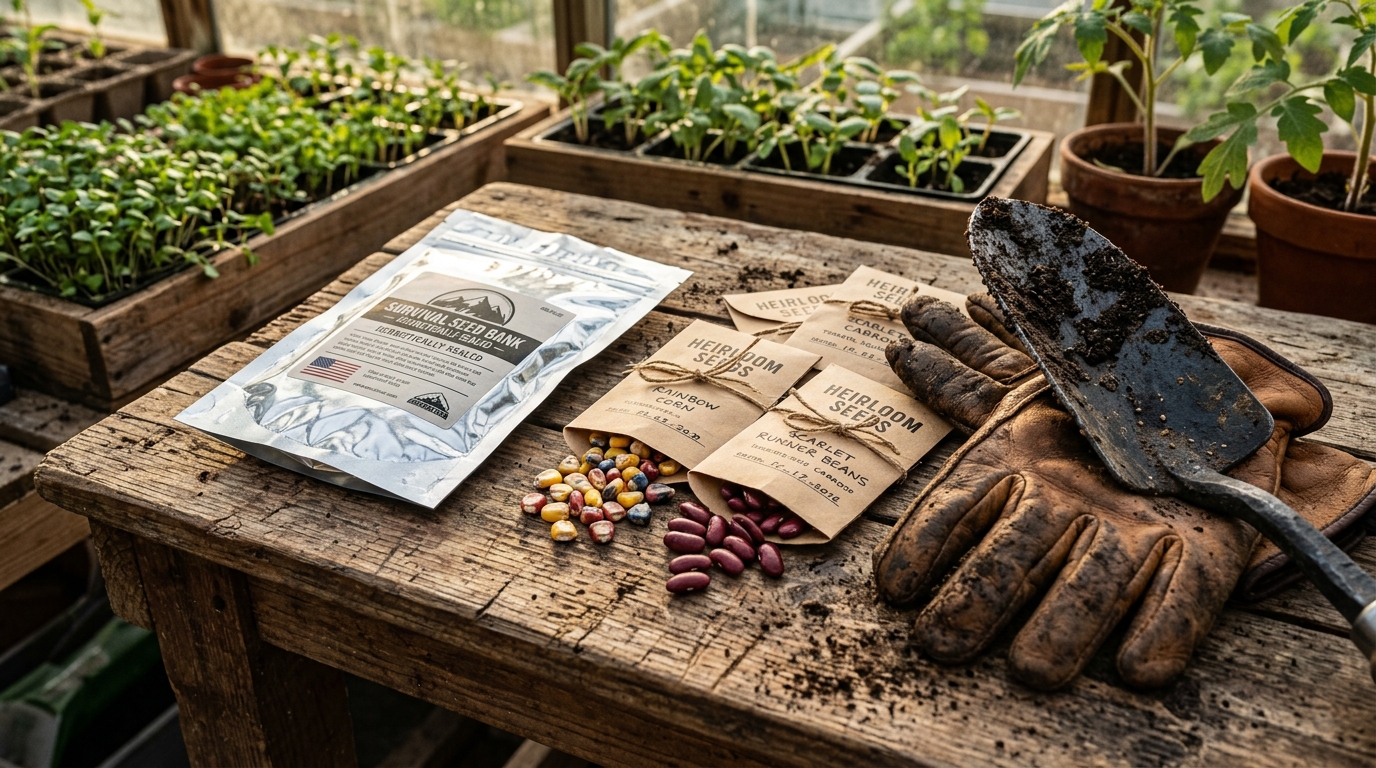
When you research emergency preparedness, you will quickly realize that the choice between survival seed vaults and individual heirloom packets is mostly about convenience versus customization. Survival seeds are essentially curated collections of heirloom varieties that have been professionally packaged in moisture-proof containers for long-term storage. These kits are designed for the person who wants a set it and forget it solution that covers all the nutritional bases in one go. You get the peace of mind knowing you have a diverse garden in a box ready for a rainy day. It is a smart move if you are just starting out and do not want to spend weeks researching which lettuce grows best in your specific zip code.
Heirloom seeds are the backbone of any real self-sufficiency plan because they are open-pollinated and breed true to their parents. This means you can save the seeds from your harvest this year and plant them again next season with the exact same results. Unlike hybrid seeds that might produce a sterile or weird-looking plant in the second generation, heirlooms give you a permanent food source. If you have the time, hand-picking specific heirloom varieties allows you to choose plants that are naturally resistant to the pests and heat levels in your backyard. You are essentially building a custom genetic library that is perfectly tuned to your local environment.
The real secret to a bulletproof food strategy is finding a high-quality seed vault that uses proven heirloom genetics rather than cheap fillers. You want a kit that offers a massive variety of non-GMO seeds so you are not stuck eating nothing but radishes when the grocery store shelves go bare. Look for collections that prioritize high-calorie crops and easy-to-grow staples that can thrive even if you do not have a master gardener certification. By maximizing small spaces with efficient planting strategies, you are cutting through the marketing fluff and securing a reliable way to feed your family for years to come. It is about taking control of your food chain before you actually need to rely on it.
The Truth About Your Seed Strategy
The bottom line is that choosing between survival seeds and heirloom seeds is not about picking one over the other, but rather understanding that you need both to survive. Heirloom seeds are the actual gold standard because they breed true, meaning you can save your seeds this year and grow the exact same food next year without relying on a store. Survival seeds are simply these same reliable heirlooms packaged in a way that protects them from moisture and light for the long haul. You are essentially buying a curated insurance policy that ensures your family has a diverse diet when the supply chain snaps. It is a smart move to skip the marketing fluff and focus on the genetic quality of what is inside the vault.
Investing in a high quality seed vault gives you the tactical advantage of variety and protection without the headache of sourcing individual packets. You want a collection that offers high germination rates and non GMO varieties that can actually withstand the local climate when things get tough. While some kits are just flashy boxes, a legitimate seed investment is your literal lifeline when the grocery store shelves are stripped bare. Just as you might compare emergency home power options to keep the lights on, securing your food supply is a critical pillar of any preparedness plan. Do not get distracted by fancy labels or promises of secret hacks, just look for open pollinated seeds that allow you to become a self sustaining producer. Beyond seeds, you should also research the best survival food brands to ensure your garden remains a reliable source of nutrition for years to come.
Frequently Asked Questions
1. What is the actual difference between survival seeds and heirloom seeds?
There is no botanical difference between the two because survival seeds are almost always just heirloom seeds in fancy packaging. You are essentially paying for a rugged storage container and a marketing label rather than a new type of plant. Heirloom seeds are the real engine under the hood that allows you to grow food year after year.
2. Why are heirloom seeds considered better for long term survival?
Heirloom seeds are open pollinated, which means they breed true to their parents. When you harvest your crops, you can save the seeds and plant them next season to get the exact same vegetable. This creates a self sustaining food loop that keeps you from ever having to buy seeds again.
3. Am I overpaying for survival seed kits?
Most of the time you are paying a premium for the real cost of survival gear and the convenience of a pre packaged bundle. While the tactical Mylar packaging looks cool, you can often buy the same high quality heirloom seeds individually for much less. You are paying for the marketing fluff and the kit assembly, not a secret government formula.
4. Can I save seeds from any store bought vegetable to grow my own?
You should stick to heirlooms if you want reliable results. Many commercial vegetables are hybrids, which means their seeds will either be sterile or grow into something completely different and disappointing. Heirlooms are the only varieties that guarantee you get the same delicious crop every single time you replant.
5. How should I store my seeds if I don’t buy a survival vault?
You do not need a military grade vault to keep your seeds fresh for years. Just keep your heirloom seeds in a cool, dark, and dry place like a x jar in the back of your pantry. This simple method protects the genetics just as well as those overpriced survival buckets without the hefty price tag. Understanding emergency food shelf life is critical when managing any long-term stockpile.
6. Are survival seed kits worth it for beginners?
Kits are great if you want a one click solution and do not want to spend time researching which survival water filter types grow best in your area. They offer instant convenience, but just realize you are trading a bit of money for that saved time. If you want the best results, you are usually better off hand picking heirloom varieties that match your specific climate.