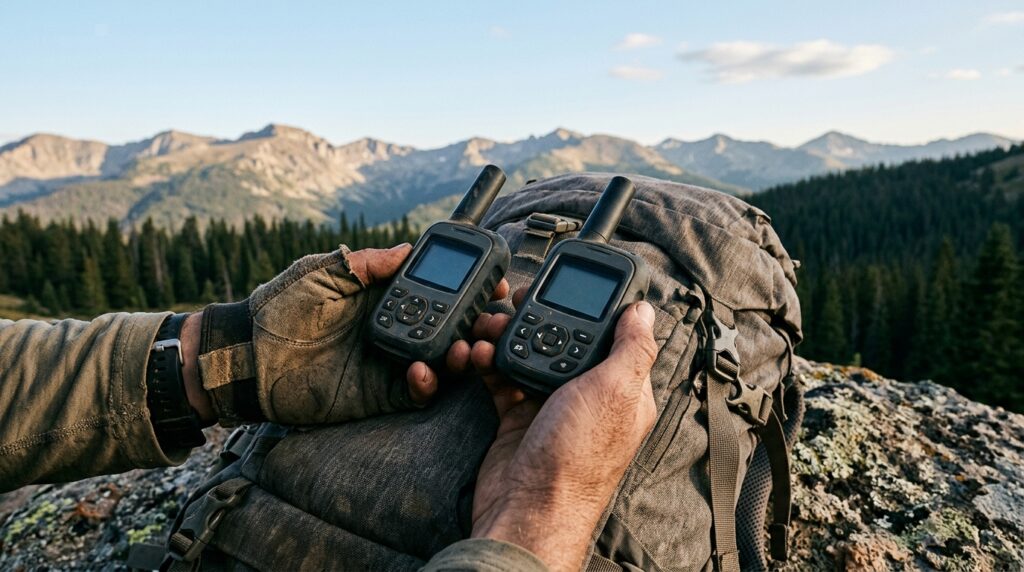
A satellite messenger can be the difference between a calm check-in and a serious emergency, but picking one is harder than sales pages make it sound. These satellite messenger reviews cut through the hype to examine what matters in the real world: message delivery, tracking, battery life, ease of use, coverage, and subscription costs. You’ll see which devices are dependable beyond cell service and which ones leave you paying for promises.
Your best choice depends on how you travel. Do you need simple emergency contact, reliable two-way messaging, group tracking, or navigation in the same device? We focus on the trade-offs, hidden costs, and frustrating flaws so you can choose a communicator that earns its place in your pack.
Key Takeaways
- Choose a satellite messenger based on your needs: full-featured devices suit serious backcountry travel, basic phone-connected models fit occasional check-ins, group-focused units support shared tracking, and personal locator beacons provide subscription-free emergency signaling without two-way messaging.
- Dedicated messengers using global satellite networks offer the most dependable remote coverage, two-way communication, location sharing, and staffed SOS support, but trees, cliffs, and obstructed skies can delay transmissions.
- Treat battery-life claims as estimates: frequent tracking, heavy messaging, cold temperatures, poor sky visibility, and phone use can drain devices quickly, so recharge before every trip and carry a power bank.
- Calculate the full cost before buying, including the device, activation, subscription, message limits, tracking fees, overages, and suspension rules; the cheapest hardware or plan may be more expensive over time.
Top Satellite Messenger Reviews
One leading satellite messenger stands out as the best overall option for serious backcountry use because it gets the essentials right. Its connection to a global satellite network provides reliable coverage in remote areas, including places where your phone has no signal. You can send two-way messages, share check-ins, and trigger an SOS from the device, giving you practical ways to stay connected when plans change or trouble starts. Battery life is strong enough for extended trips, and the built-in phone-charging feature can provide a useful boost when your smartphone is running low.
This messenger also earns points for keeping important safety tools on the device itself. You do not have to depend entirely on a phone to send an emergency alert, which matters when your phone is damaged, cold, or out of power. Its check-in messages make it easy to tell family or friends that you are safe without typing a full update every time. The device is not perfect, though. Its small screen makes typing and reading messages slower, while its navigation features are basic compared with a dedicated GPS.
The biggest catch is the required subscription, which adds a recurring cost on top of the hardware. That fee may feel annoying if you only take occasional trips, but regular backcountry travelers may find the coverage and emergency access worth paying for. Before buying, check the available plans and confirm that the message, tracking, and SOS features match how you travel. If dependable communication matters more than a large display or advanced mapping, this type of messenger remains a tough package to beat.
Affordable And Group-Focused Messenger Reviews
One affordable messenger is a solid pick if you want dependable two-way messaging without a pile of extra features. You use your phone to write messages, share your location, send check-ins, and access weather updates, while the device provides a dedicated SOS button for emergencies. That phone dependence matters because a dead or damaged phone limits normal messaging, even though SOS functions remain available through the unit. Its battery can last for several days with moderate use, but frequent tracking and Bluetooth use will shorten runtime. Before buying, check the current plan options, message limits, activation fees, and emergency-service coverage, because the recurring subscription is part of the real cost.
Another group-focused messenger makes more sense when your trip includes several people, frequent location updates, or detailed planning in an app. It supports two-way messages, group tracking, check-ins, and route planning through your phone, giving you a stronger trip-management toolkit than a basic messaging device. The trade-off is heavier phone reliance, especially if you want to build plans, monitor everyone’s progress, or send regular updates. Tracking at short intervals can also use more battery, so carry a power bank for longer trips and test your preferred settings before leaving. Service costs may climb with higher tracking and messaging use, so compare the plan’s included features rather than judging the device price alone.
For a simple safety link, an affordable messenger keeps the learning curve and likely monthly cost lower, while a group-focused device earns its price when shared visibility and app-based planning are central to your adventure. Both require an active satellite service plan for routine messaging and location sharing, and both should be tested under open sky before you trust them in remote terrain. Ask yourself whether you mainly need occasional check-ins or continuous trip oversight, then factor in battery habits, phone charging, coverage, and annual subscription fees. Neither device replaces a good emergency plan, but the better fit can keep your group informed when cellular service disappears.
Satellite Coverage And SOS Reliability
Messengers that use a global satellite network remain the strongest choice when you need dependable coverage far beyond cell towers. Their networks reach across most of the world, including remote backcountry and open water, though trees, cliffs, and deep valleys can still delay a message. You get two-way texting, location sharing, weather updates, and an SOS link to a staffed response center, but these features usually require a recurring service plan. Check battery ratings carefully because frequent tracking, cold temperatures, and heavy messaging can drain a small device faster than the headline numbers suggest.
Phone-based satellite services can be convenient if your compatible phone and location support them, especially for occasional check-ins or basic messages. Coverage is more limited and depends on the carrier, supported hardware, sky visibility, and local rollout, so this option should not be treated as a worldwide replacement for a dedicated messenger. A dedicated personal locator beacon takes a different approach. It sends a powerful emergency alert through the international distress network, usually with a long-life battery and no texting features or subscription service. That makes it a serious emergency backup, but you cannot use it to tell rescuers what happened or let family know you are running late.
For most serious trips, choose a two-way messenger if communication and regular tracking matter, then consider a personal locator beacon if your priority is a simple, subscription-free distress signal. Test the device before leaving, download any required maps or apps, and keep a clear view of the sky when sending an SOS. Read the service terms closely, since low monthly prices can hide activation fees, message limits, seasonal suspension rules, or expensive annual plans. The best option is the one you can keep charged, understand under stress, and afford to maintain year after year.
Battery Life And Subscription Costs
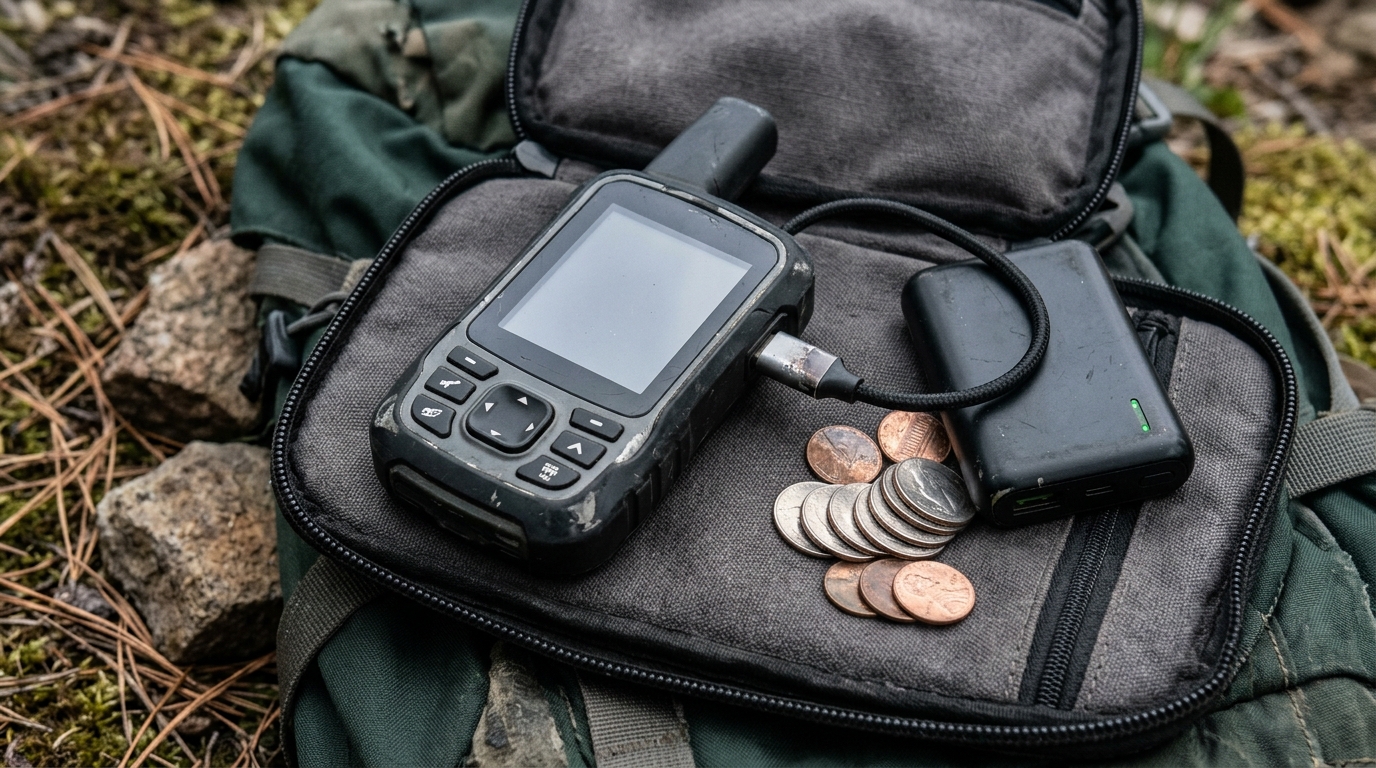
Battery claims in satellite messenger reviews are best treated as estimates, not promises. With a clear view of the sky, limited tracking, and little phone use, many devices can last for several days or even weeks. Turn on frequent tracking, send lots of messages, search for a signal under trees, or use the companion app constantly, and that runtime can shrink fast. Plan to recharge before every trip, and carry a power bank for longer routes, cold weather, or multi-day emergencies. A device that lasts longer in real trail conditions may be worth more than one with an impressive laboratory claim.
Subscription pricing can change the real cost of a messenger dramatically. Check for activation fees, monthly access charges, annual discounts, seasonal suspension rules, included messages, overage rates, and whether tracking or weather features cost extra. Some plans include only a small message allowance, while others offer larger bundles or unlimited use, but “unlimited” may still exclude premium features or special message types. Before buying, estimate how many check-ins, location updates, and replies you will send during a typical trip. Then compare the first-year total, which includes the device, activation, and service, rather than judging by the sticker price alone.
The cheapest plan is not automatically the best fit if exceeding its message limit costs more than stepping up a tier. For example, a frequent tracker may save money with an annual plan, while an occasional user may prefer a flexible monthly option if suspension is allowed between adventures. Remember that phone battery use also belongs in your budget because composing messages, pairing by Bluetooth, and viewing maps can drain both devices. Emergency-only beacons generally avoid recurring messaging fees, but they do not provide two-way conversation or routine check-ins. The smart choice is the plan that matches your actual communication habits, not the one with the lowest headline price.
Pick the Right Satellite Messenger for You
For dependable all-around backcountry use, a full-featured messenger is the safest bet for most serious users, with reliable two-way messaging, emergency support, strong battery life, and broad satellite coverage. Choose a basic phone-connected messenger if you mainly want simple two-way messaging at a lower upfront cost, but remember that its subscription fee still adds to the long-term price. A group-focused messenger makes more sense for shared adventures, especially when several people need tracking and trip updates through a phone app. If you only want emergency signaling and do not want a recurring service plan, a dedicated personal locator beacon is the straightforward choice, although it sends an alert without two-way messaging.
Before you buy, compare the monthly plan, activation rules, message limits, battery claims, and coverage where you actually travel. A device is only useful if you can keep it charged, see the sky clearly, and reach the emergency network in your region. Test the device before leaving, read the plan details, and confirm coverage before heading into the backcountry. Use the same careful approach when evaluating any paid service, especially one that relies on recurring fees or bold marketing claims.
Frequently Asked Questions
1. What is a satellite messenger, and who should use one?
A satellite messenger lets you send messages, check-ins, location updates, and emergency alerts beyond cell service. It is a smart choice for hikers, hunters, climbers, boaters, and anyone traveling where a phone may be useless. If you stay near reliable cell coverage, you may not need the extra cost.
2. How reliable is a satellite messenger in remote areas?
A messenger that uses a global satellite network can provide broad coverage in remote regions. It can send two-way messages and SOS alerts where your phone has no signal, but trees, steep terrain, and blocked views of the sky can slow or interrupt delivery. Treat it as a serious safety tool, not magic that works perfectly from every canyon or building.
3. Can you use a satellite messenger without a phone?
Some models let you send messages, check in, and trigger an SOS directly from the device, which matters if your phone is damaged, cold, or out of power. Pairing the device with a phone makes typing and reading easier, but a standalone model does not leave you helpless when your phone fails.
4. How is the messaging experience on a satellite messenger?
Two-way messaging is one of the strongest features, and preset check-ins make routine updates quick. The catch is that small screens make typing and reading longer messages slower than using a smartphone. For short safety updates and practical backcountry communication, a satellite messenger works well, but it is not a great substitute for normal texting.
5. How long does a satellite messenger battery last?
Battery life is strong enough for extended trips, although actual performance depends on tracking frequency, message volume, weather, and satellite visibility. Some devices can also provide a useful charge to your phone when its battery is running low. You should still carry a power bank and manage tracking settings instead of trusting any battery claim blindly.
6. Does a satellite messenger replace a GPS or navigation device?
Not completely. Many messengers offer basic navigation features, but they are not as capable as dedicated GPS devices for detailed mapping, route planning, or complex navigation. Use a messenger mainly for communication and safety, and bring proper maps or navigation gear for serious trips.
7. What extra costs should you expect with a satellite messenger?
The device is only part of the price. You also need an active satellite subscription, and costs can vary based on the number of messages, tracking updates, and safety features included in your plan. Check activation fees, monthly charges, annual options, and overage costs before buying, because a low device price can hide an expensive long-term commitment.