You are staring at a pricey gadget and a monthly subscription, asking yourself if a satellite communicator is worth it or just another over-hyped piece of tech. We’ve all seen the flashy marketing promising these little boxes will save your skin the second you step off the grid. But when you hit massive cell service blackouts covering over a million square miles of wilderness, hype won’t call search and rescue. Reliable gear will. Deciding to buy one isn’t about falling for fear-based selling. It comes down to an honest look at how far out you go and what your safety is actually worth.
Sure, fancy modern smartphones brag about built-in satellite features now, but don’t let slick sales pages fool you into a false sense of security. There is a reason over 90 percent of serious hikers still carry a dedicated satellite messenger deep in the backcountry. These rugged units give you bulletproof battery life, tough builds, and reliable two-way messaging that a fragile phone screen just can’t match. When you cut through the fluff, having true off-grid connectivity is easily one of the smartest safety investments you can make before hitting the trail.
Key Takeaways
- Smartphones cannot replace dedicated satellite communicators in the backcountry due to fragile screens, rapid battery drain, and unreliable signals. Purpose-built communicators offer the essential durability, multi-week battery life, and global reach required for off-grid safety.
- Paying a modest monthly device subscription provides crucial financial protection against wilderness emergency rescue operations that can easily cost tens of thousands of dollars out-of-pocket.
- Two-way satellite messengers provide interactive texting, weather updates, and non-emergency check-ins, making them a more versatile safety tool than basic, one-way Personal Locator Beacons (PLBs).
- With over 1.6 million square miles of cellular blackouts in North America, carrying a dedicated satellite communicator is an essential insurance policy for anyone venturing deep off the grid.
Smartphone SOS Features Versus Dedicated Satellite Messengers
You have probably seen the shiny advertisements showing off smartphone satellite emergency features and thought you could skip buying a standalone device. While having basic emergency contact capability in your pocket sounds great, relying on a fragile phone for backcountry survival is a dangerous gamble. Smartphone batteries drain rapidly when searching for satellite signals, especially in freezing alpine temperatures. Drop your phone on a jagged rock, and your only lifeline shatters into useless glass. Built as an absolute last resort, these phone features simply cannot replace a primary safety tool when you are far off the grid.
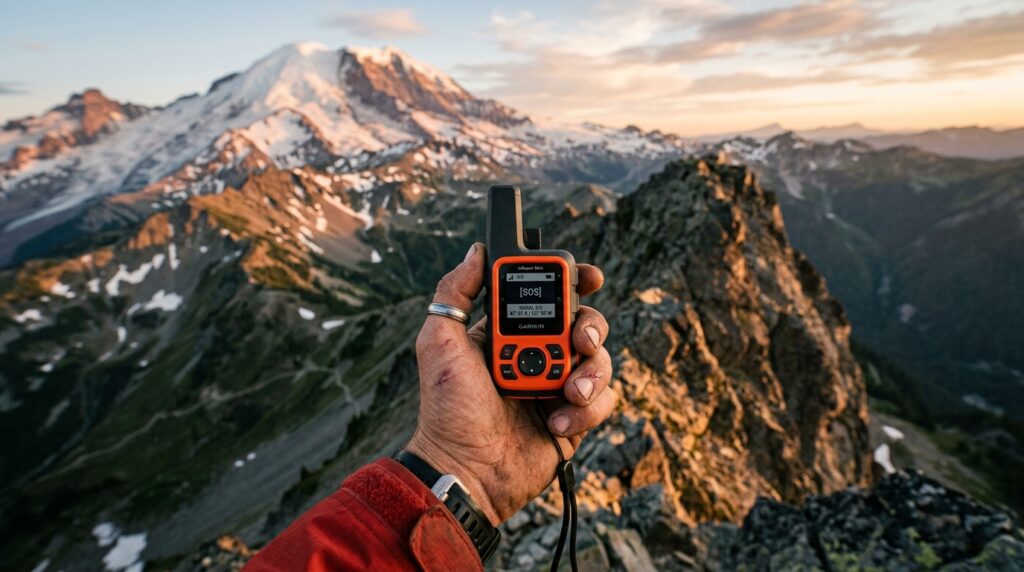
Dedicated satellite communicators operate on a completely different level because they are built purely to survive the worst conditions imaginable. These rugged devices connect to global pole-to-pole satellite networks that reach into deep canyons and dense forest canopies where cell phones fail. They pack specialized batteries that last for days or even weeks of active tracking on a single charge. You also get reliable two-way messaging to communicate directly with search and rescue teams during an actual crisis.
- Battery endurance: Weeks of active tracking versus a few hours of rapid phone drain.
- Extreme durability: Shockproof and waterproof casings built to handle severe drops.
- Global reach: Reliable signal connections deep in remote mountain corridors and valleys.
With over 1.6 million square miles of North America completely missing cellular coverage, relying on a basic mobile device is an unnecessary gamble. That is precisely why over 90 percent of experienced thru-hikers on major long-distance routes carry dedicated safety devices. For serious outdoor enthusiasts and emergency preppers, spending money on a standalone communicator is not an extra expense. It is a vital insurance policy that delivers guaranteed peace of mind whenever you push past the boundary of cell service.
Real Subscription Costs Versus Emergency Rescue Bills
Let us talk about the real numbers because the monthly subscription fee is usually what makes people hesitate. A solid satellite messenger usually runs anywhere from two hundred to four hundred dollars upfront, plus a monthly plan that costs about as much as a streaming service. You can easily pause these plans when sitting on the couch during the winter, meaning you only pay for the months you actually hit the trail. When you break it down, keeping that life-saving connection active costs less than a couple of drive-thru coffees per trip. That is a tiny price to pay for a device that works across the 1.6 million square miles of North America where your cell phone turns into a useless paperweight.
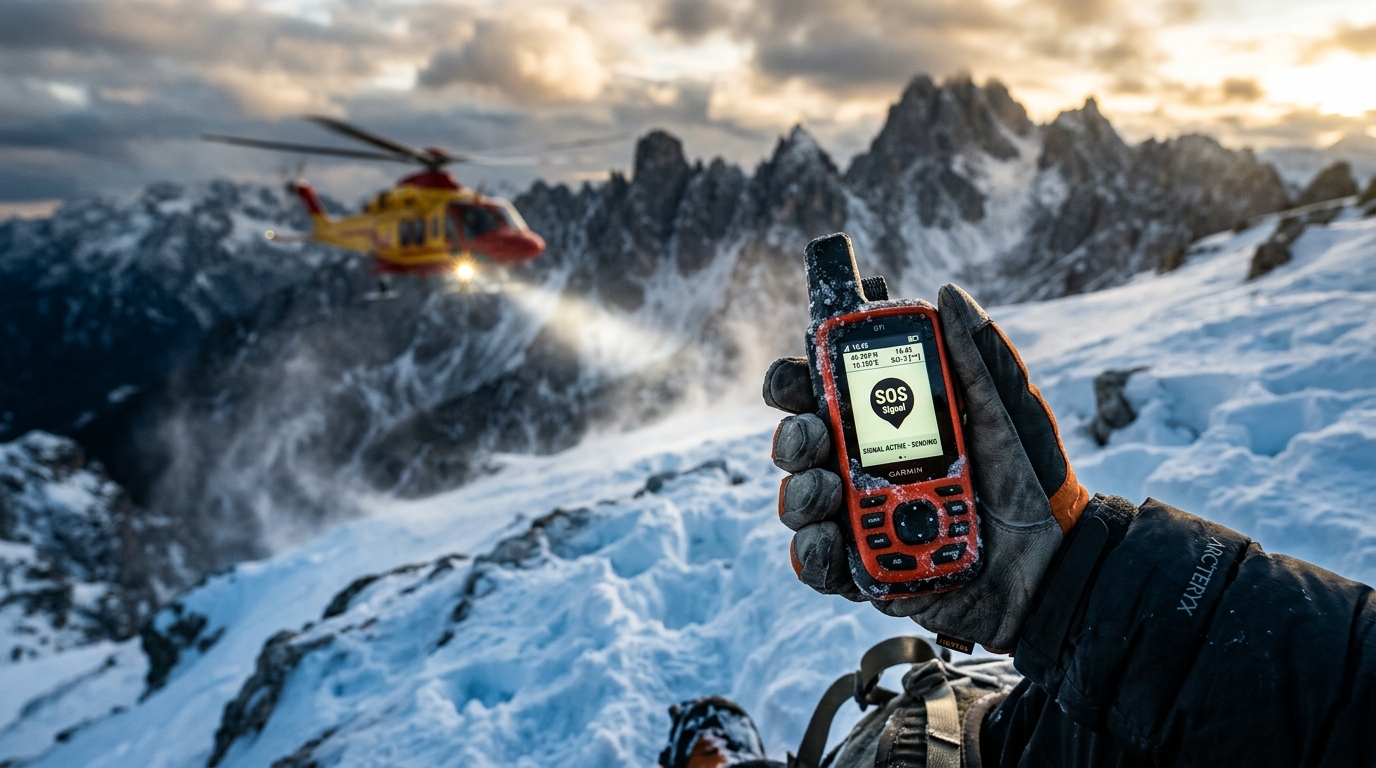
Now, compare that modest monthly plan to the eye-watering reality of an unassisted emergency rescue in the deep wilderness. If you break an ankle ten miles from the nearest trailhead without a way to signal for help, getting you out becomes a massive operation. Specialized search teams, emergency staff, and private air ambulances do not work for free, and local agencies often pass those charges straight to you. Without dedicated rescue coordination and safety coverage, an unexpected injury can instantly drain your savings account.
- Helicopter air medical evacuation: $10,000 to $50,000+
- Private backcountry search operations: $1,000 to $2,500 per hour
- Out-of-network emergency transport fees: $2,000 to $5,000
Over ninety percent of thru-hikers on major trails carry these devices because they know the math simply does not lie. Spending a few extra bucks a month for guaranteed satellite access is the ultimate financial shield against bank-breaking medical bills. You are not just buying a cool gadget to send check-ins from a mountain ridge. You are purchasing direct access to professional rescue teams when disaster strikes. When you look at the cold, hard numbers, skipping a communicator to save a little cash is a massive gamble that is never worth taking.
Choosing Between Two-Way Messengers And Basic PLBs
When you are standing in the gear aisle, the price tags on satellite devices can give you serious pause. Basic Personal Locator Beacons (PLBs) hit your wallet just once, offering a direct, high-powered SOS button without any recurring monthly fees. They are built for one job only: sending your exact coordinates to search and rescue teams when everything goes completely wrong. However, that one-way safety net means you are left entirely in the dark the moment you trigger it. You cannot tell rescuers whether you have a twisted ankle or a life-threatening injury, and you cannot text your family to let them know you are just running late on the trail.
That is where two-way satellite messengers come in to shake up the equation. Devices in this category turn your smartphone into a global texting hub, letting you swap updates, pull down weather forecasts, and chat directly with emergency responders. Sure, you have to pay a monthly subscription fee, but the ability to coordinate a non-emergency pickup or check in with anxious partners at home is a massive upgrade. Over ninety percent of thru-hikers on major routes carry satellite safety gear for a good reason. You are not just paying for a panic button; you are buying real-time communication for every situation in between.
- Basic PLBs: One-time cost, no subscription required, heavy-duty emergency SOS signal, zero messaging features.
- Two-Way Messengers: Monthly subscription required, full two-way custom texting, interactive emergency response, live GPS tracking.
Deciding which route to take comes down to your personal travel style and risk tolerance. If you only head off-grid twice a year for quick day trips, a rugged PLB provides bulletproof emergency coverage without draining your bank account every month. But if you spend weeks in deep wilderness where cell networks vanish across millions of square miles, the interactive features of a two-way communicator are worth every single penny. Modern smartphones are trying to bridge this gap with basic satellite SOS features, but dedicated units still reign supreme with superior battery life and tough-as-nails durability. Cut through the marketing hype and choose the tool that actually fits how you explore.
Why a Satellite Communicator Is Worth Every Penny
If you regularly venture beyond cell towers, the bottom-line verdict is simple: a dedicated satellite communicator is worth every single penny. In North America alone, over 1.6 million square miles lack basic cellular coverage, leaving you completely cut off if an emergency strikes. Sure, modern smartphones offer basic satellite SOS options now, but they struggle when batteries freeze in cold weather or screens shatter on granite. You need a purpose-built device designed to survive hard hits and deliver reliable two-way messaging when rescue is hours away.
That reality is exactly why over 90 percent of thru-hikers on major routes pack a dedicated satellite messenger or personal locator beacon. The peace of mind alone far outweighs the upfront cost and monthly subscription fee for anyone taking off-grid travel seriously. If you only stick to casual day hikes near urban centers, you can safely pass on this extra piece of gear. But if deep backcountry trails, off-grid hunting trips, or remote emergency setups are on your agenda, this compact tool remains one of the smartest life-saving investments you can make.
Making smart investments comes down to saving energy, cutting stress, and getting the real facts before spending your hard-earned money. You want reliable tools that streamline your life, whether you are packing an emergency kit or planning your daily schedule back home. Taking control of your outdoor safety requires the exact same practical mindset you use to manage your daily routine. If you are ready to simplify your routine off the trail just as effectively as your gear on it, explore our guide on the Best Meal Prep Services To Save Time And Energy to discover how you can upgrade your daily setup.
Frequently Asked Questions
1. Can I just use my smartphone satellite SOS feature instead of buying a dedicated device?
You can try, but relying on a fragile smartphone deep in the backcountry is a dangerous gamble. Smartphone batteries die fast when searching for satellites or in freezing cold weather, and a single drop on a rock shatters your only lifeline. Dedicated satellite communicators give you bombproof durability, days of battery life, and reliable two-way messaging.
2. Is a satellite communicator actually worth the cost of the device and subscription?
If you step into cell service blackouts covering massive wilderness areas, it is easily one of the smartest safety investments you can make. The subscription buys you guaranteed off-grid connectivity and a reliable way to call search and rescue when flashy marketing cannot help you. It ultimately comes down to an honest look at what your safety is actually worth.
3. Why do most serious hikers still carry dedicated satellite messengers?
Experienced trail vets know that slick sales pages fall apart real fast during a real emergency. Dedicated units offer bulletproof battery life, tough builds that survive hard drops, and rock-solid satellite connections. They give you true peace of mind because they work when weather turns nasty and cold temperatures kill normal phone batteries.
4. What makes dedicated satellite communicators more durable than smartphones?
Dedicated communicators are built like tanks specifically to handle brutal backcountry abuse. They survive hard drops on jagged rocks, heavy rain, and freezing alpine weather without flinching. You get a rugged, purpose-built safety tool that will not shatter into useless glass when you need it most.
5. Do satellite communicators offer two-way messaging or just emergency SOS buttons?
Dedicated satellite communicators provide reliable two-way messaging so you can actively text with rescue teams or family members. You are not just pressing a panic button into the void and hoping for the best. You can share exact details about your situation to get the right help quickly.
6. How does smartphone battery life compare to a satellite communicator off-grid?
Smartphones burn through battery power rapidly when searching for faint satellite signals in remote areas. A dedicated satellite messenger is engineered specifically for off-grid efficiency, holding a charge for days or even weeks. You will not be left stranded with a dead screen in the middle of nowhere.
7. How do I decide if my outdoor trips justify buying a satellite messenger?
Take an honest look at where you trek and how far off the grid you actually go. If you hit cell service blackouts or trek solo beyond quick reach of help, a satellite messenger is essential safety gear. It cuts through the false sense of security and gives you a real, reliable lifeline.