You’ve likely spent thousands of dollars filling your home with smart TVs, high-end kitchen appliances, and sleek mobile devices, but you’re probably leaving them all exposed to a silent killer. Most people think a cheap power strip is enough, but a whole house surge protector is the only real way to stop massive electrical spikes from frying your motherboard. With property damage from surges hitting over $1 billion every year, you aren’t just buying a gadget; you’re buying an insurance policy for your entire digital life.
The truth is that the biggest threat isn’t a rare lightning strike from a summer storm, but the everyday appliances sitting right next to you. Your refrigerator and HVAC system kick on and off dozens of times a day, sending small, invisible jolts through your wiring that slowly eat away at your electronics. We’ve seen the marketing fluff and the overblown promises, but the data doesn’t lie: without a heavy-duty shield at the main panel, your expensive gear is on a countdown to a permanent blackout.
Key Takeaways
- Eighty percent of power surges are generated internally by your own appliances, acting like electrical sandpaper that slowly degrades sensitive smart home technology.
- Standard power strips are insufficient for whole-home safety; a professional-grade protector installed at the main electrical panel is required to shield high-value assets like solar inverters and HVAC systems.
- The 2026 National Electrical Code now mandates whole-house surge protection for new residential builds, transitioning these devices from luxury add-ons to essential safety requirements.
- Surge protectors are sacrificial devices that rely on Metal Oxide Varistors (MOVs) which wear out over time and must be replaced when their status indicators signal failure.
Stopping Internal Power Surges From Damaging Smart Appliances
You might think that a massive lightning strike is the biggest threat to your home, but the real danger is actually sitting right inside your kitchen or utility room. About 80 percent of power surges are generated internally by your own appliances, like your air conditioner or refrigerator, as they cycle on and off throughout the day. These mini spikes happen dozens of times every 24 hours, sending small jolts of excess electricity through your wiring. While you might not notice a puff of smoke immediately, these repetitive hits act like electrical sandpaper on your sensitive smart home tech. Over time, this constant stress wears down the delicate components in your smart fridge, solar inverter, and high tech laundry machines.
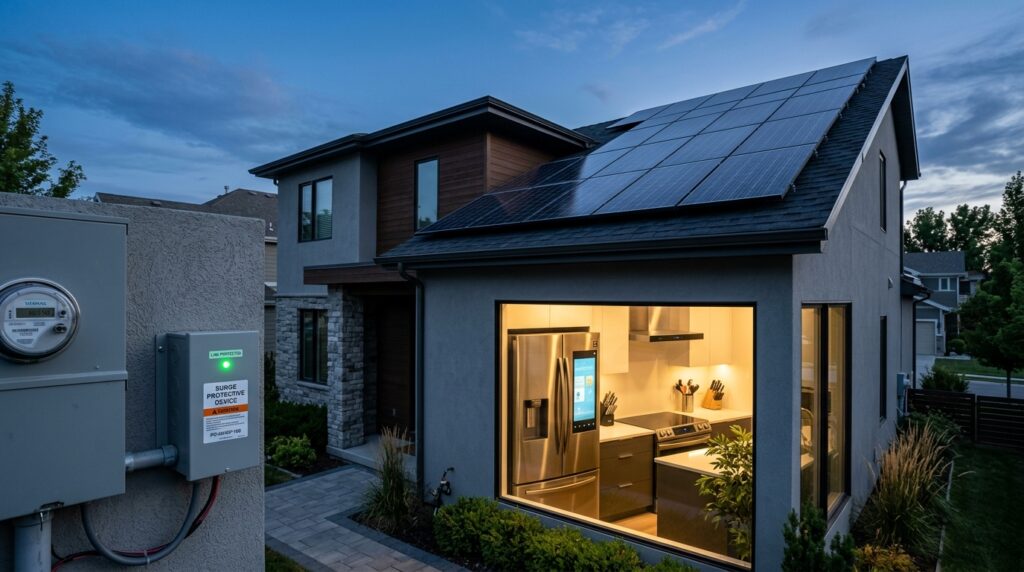
A service entrance whole house surge protector is your only real line of defense against this silent internal damage. By installing one of these units directly at your main electrical panel, you create a gatekeeper that catches these spikes before they can travel to other circuits. Most modern homes now carry thousands of dollars in sensitive circuit boards that were never designed to handle these fluctuations. Without a central protector, your expensive smart appliances are essentially sitting ducks for every motor kick from the HVAC system. Investing in this level of protection ensures that your home energy setup stays functional for its entire intended lifespan, rather than burning out years too early.
Relying solely on cheap power strips from a big box store is a gamble that rarely pays off when it comes to whole home safety. Those small strips are fine for a lamp or a clock, but they cannot stop the massive energy shifts that happen deep within your home’s infrastructure. A professional grade whole house protector uses advanced metal oxide varistors to divert excess voltage safely into the ground. This setup provides a comprehensive shield that protects everything from your solar battery storage to your smart thermostat. You get peace of mind knowing that your most expensive investments are shielded from the daily electrical grind that most homeowners completely ignore.
Meeting NEC 2026 Requirements For Residential Electrical Services
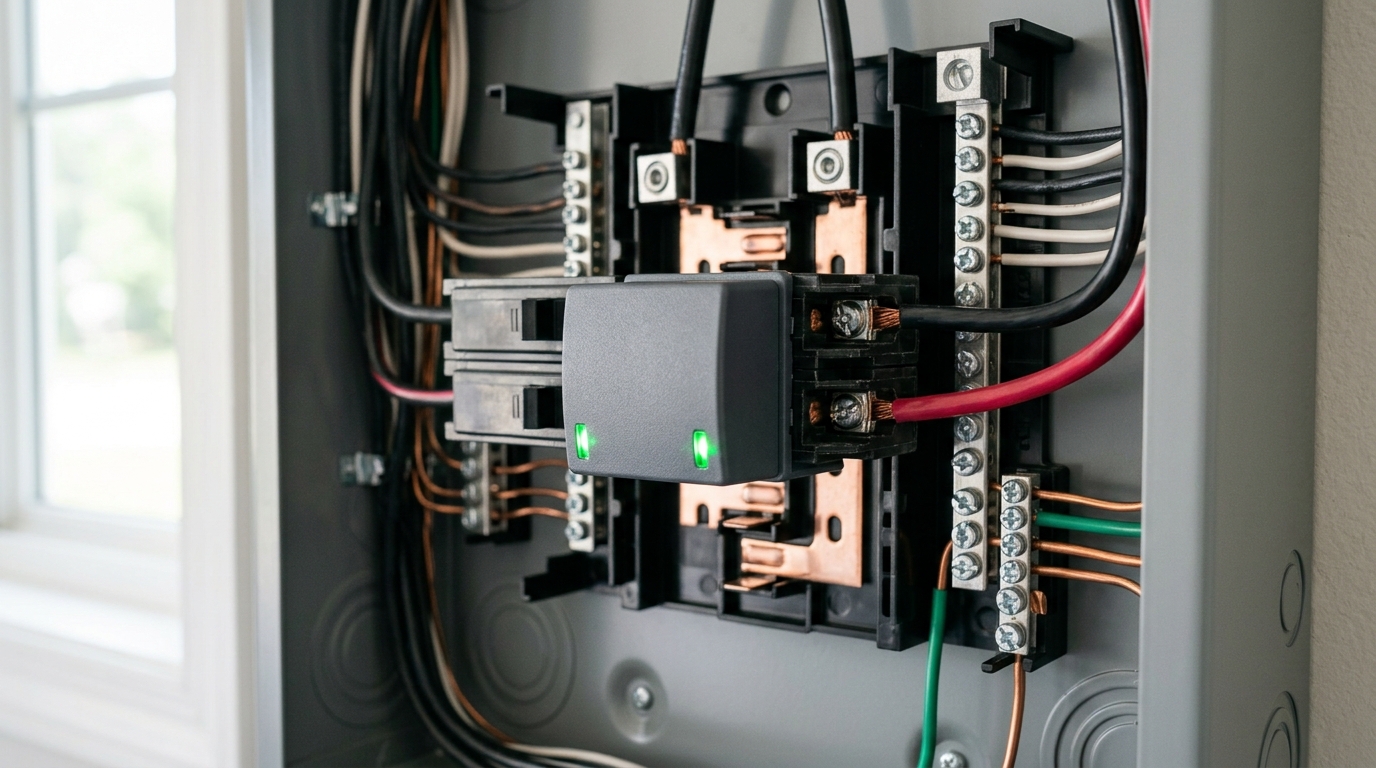
The 2026 National Electrical Code updates have officially turned whole house surge protectors from a luxury add-on into a mandatory safety requirement for new residential builds. You might think this is just more red tape, but the truth is that our homes have changed faster than our power grids. With the average house now packed with thirty or more sensitive electronic devices, from smart refrigerators to solar inverters, a single spike can fry thousands of dollars in tech in a heartbeat. These new standards are designed to stop that expensive nightmare before it starts by catching surges right at your main panel.
While the law focuses on new construction, upgrading your current electrical service is one of the smartest moves you can make for your wallet. Insurance companies are increasingly looking at these devices as essential risk blockers, and having one installed could even help you snag a better rate or smoother claims process. Since about eighty percent of surges actually start inside your home when big appliances like your AC kick on, you are protecting your gear from your own house. It is a one-time fix that shields your high-end solar setup and every laptop in the building from silent, ongoing electrical wear and tear.
Think of this device as a high-speed security guard for your entire electrical system that never takes a break. Most modern units use specialized components to soak up excess voltage, but they do wear out over time as they take hits for you. By getting ahead of the 2026 requirements now, you are not just checking a box for a building inspector, you are securing the lifespan of every smart gadget you own. It is a straightforward upgrade that cuts through the marketing fluff and delivers real, measurable protection for your modern lifestyle.
Shielding Solar Inverters And Battery Backups From Grid Spikes
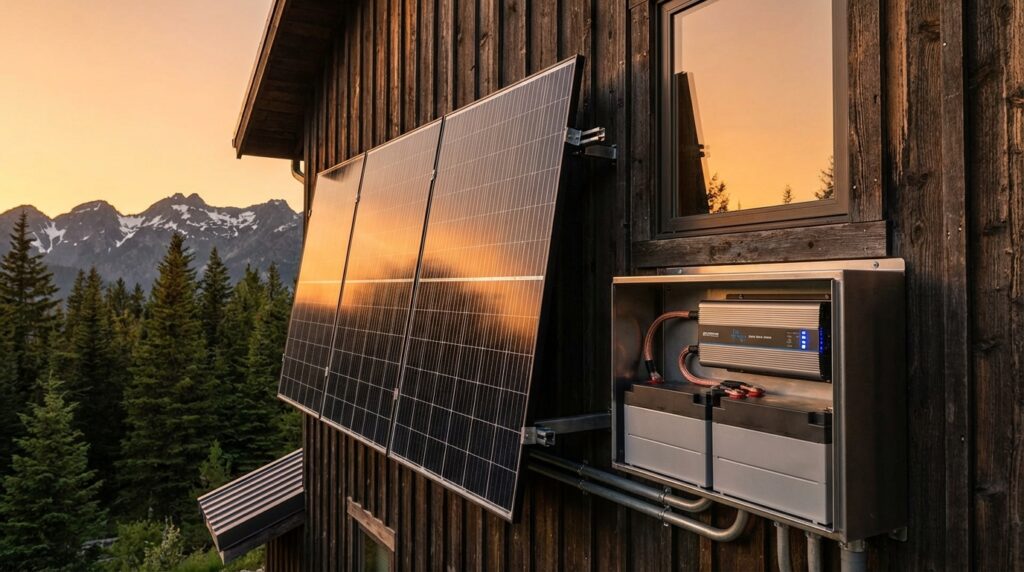
Investing thousands of dollars in a solar array and battery backup system only to leave it vulnerable to grid spikes is like buying a luxury car and never locking the doors. Your inverter is the high tech brain of your home energy setup, and it is incredibly sensitive to the sudden voltage fluctuations that happen every day. Standard power strips and small plug in protectors simply cannot handle the massive energy surges caused by lightning or utility grid switching. A whole house surge protector acts as a heavy duty shield, catching these dangerous spikes at the main panel before they ever reach your expensive green energy gear.
You might think your solar system is safe because it is off the grid or has its own internal fuses, but that is a risky gamble you do not want to take. Most electrical damage does not happen in one giant explosion, but rather through small and frequent surges that slowly degrade your battery’s lifespan and fry delicate circuit boards. By installing a dedicated protector, you are essentially buying an insurance policy for your home’s most valuable electronics. It is a straightforward and honest way to make sure your investment in renewable energy actually lasts for the decades it was promised to serve you.
Modern homes are packed with more sensitive tech than ever before, and your solar inverter is often the most expensive piece of the puzzle. When the grid fluctuates or a storm rolls through, that equipment takes the brunt of the electrical stress if you do not have a gatekeeper in place. These protectors are no longer just an optional upgrade for enthusiasts, but are now a fundamental requirement for anyone serious about home safety and equipment longevity. Taking this one simple step ensures that your path to energy independence is not cut short by a single unlucky power spike from the outside world.
Replacing Metal Oxide Varistors Before Your Protection Fails
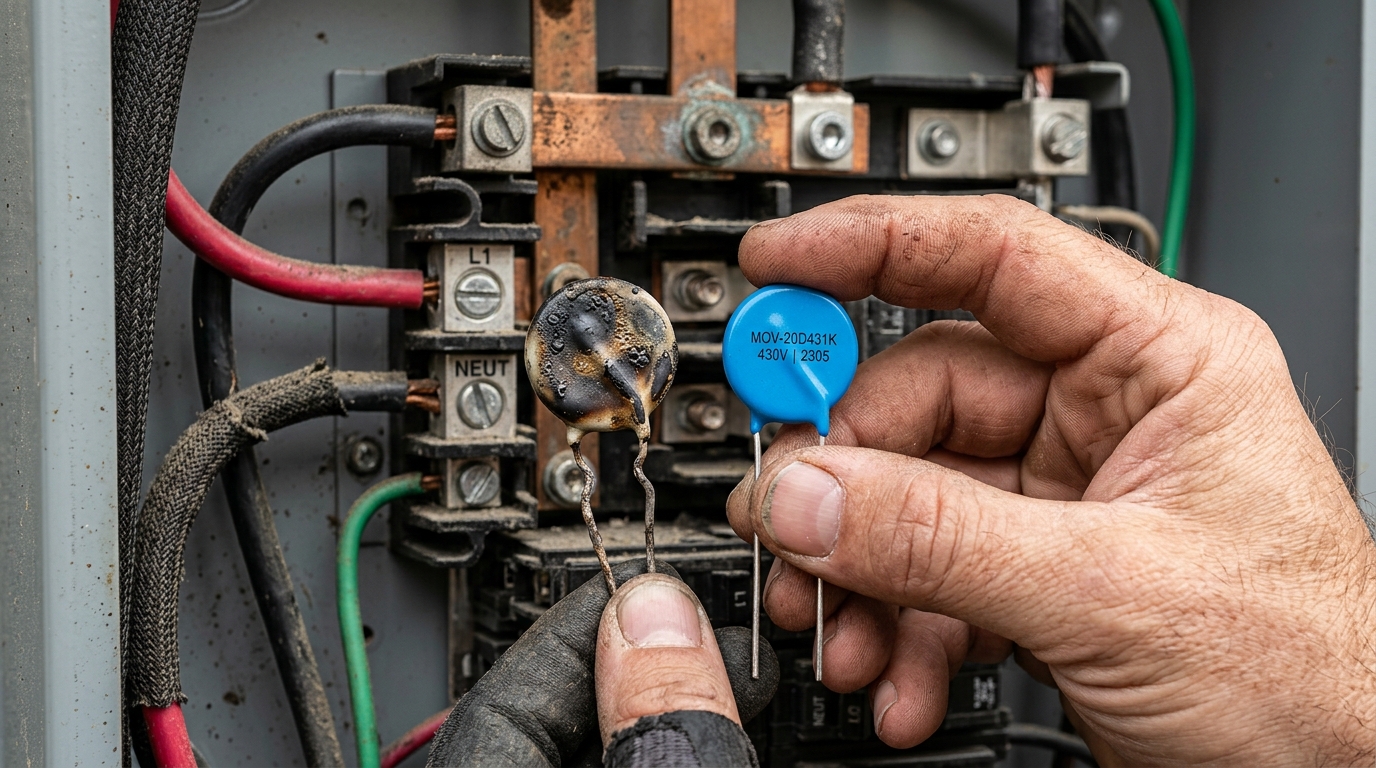
Most homeowners think of a whole house surge protector as a set it and forget it device, but that is a dangerous assumption. These units rely on components called Metal Oxide Varistors, or MOVs, which act like electrical sponges that soak up dangerous voltage spikes. Every time your HVAC kicks on or a distant lightning strike rattles the grid, those MOVs take a hit and physically degrade. They do not last forever, and in a modern home filled with smart appliances and solar inverters, they often wear out in just a few years. If you are still relying on a protector installed five years ago, you are likely living with a useless brick that offers zero protection for your expensive gear.
You need to stop trusting the mere presence of that box on your panel and start interrogating its status lights. Most units feature a simple green LED that signals the internal MOVs are still functional and ready to take a hit. When that light turns red or goes dark, the protection is officially dead and your sensitive electronics are sitting ducks. Do not wait for a catastrophic failure or a burnt out refrigerator to check your equipment. Make it a habit to glance at your protector once a month so you can swap it out before the next major power surge fries your home energy system.
The reality of modern electrical safety is that these devices are sacrificial by design. You should treat them like the air filters in your car or the batteries in your smoke detector. Because they are constantly fighting off micro surges from internal appliances, their lifespan is unpredictable and depends entirely on your local grid quality. Staying ahead of the curve means replacing these modules the moment they show signs of fatigue. It is a small price to pay to keep your solar setup and smart home tech from becoming expensive scrap metal during the next thunderstorm.
Stop a Five-Figure Disaster Today
Think about your home as a high-tech fortress filled with solar panels, smart appliances, and expensive electronics that keep your life running smoothly. You might think a few power strips are enough, but internal spikes from your own AC unit are constantly wearing down your gear from the inside out. Spending a few hundred dollars on a whole house surge protector today is the only way to stop a five-figure disaster when the grid or a storm decides to act up. It is a small price to pay for the peace of mind that comes with knowing your entire investment is truly shielded.
Modern living means your walls are packed with sensitive tech that simply cannot handle the dirty power common in today’s electrical environment. We have seen people lose every major appliance in a single afternoon because they skipped this one simple upgrade, and honestly, that is a gamble you do not need to take. Protecting your home energy setup is just as important as protecting your financial future from bad advice and hidden fees. Whether you are weighing a solar generator vs gas for emergency home power or just trying to keep your daily electronics safe, you need a solid foundation. To learn more about how DIY solar kits can help you make smarter financial decisions while you secure your home, explore our comprehensive solutions and discover how we cut through the noise to find the real smart home security cost that actually works.
Frequently Asked Questions
1. Won’t a simple power strip protect my electronics?
Not even close. While those cheap strips might handle tiny blips, they can’t stop the massive spikes that fry your motherboard or the constant internal jolts from your AC. You need a heavy duty shield at your main panel to protect every outlet in your house at once.
2. Do I really need this if lightning rarely hits my area?
Lightning is just the flashy villain, but your refrigerator is the real silent killer. About 80 percent of surges actually start inside your home when your big appliances cycle on and off. These mini jolts act like electrical sandpaper, slowly wearing down your expensive smart tech until it quits for good.
3. How does a whole house surge protector actually work?
Think of it as a security guard for your main electrical panel that instantly catches excess voltage before it enters your home wiring. It redirects that dangerous energy safely into the ground, keeping it away from your smart TV and high end kitchen appliances. It is basically an insurance policy for your entire digital life.
4. Will this protect my smart appliances and high tech gear?
Yes, it is the only way to safeguard things you cannot plug into a power strip, like your smart fridge, HVAC system, and laundry machines. These expensive items have delicate circuit boards that are incredibly sensitive to the daily power spikes happening behind your walls. You are saving yourself from a permanent blackout of your most costly gear.
5. Is it difficult to get one of these installed?
It is a straightforward job for a professional that provides massive peace of mind for years to come. Once it is wired into your service entrance, you can stop worrying about every summer storm or appliance kickback. It is a set it and forget it solution that cuts through the marketing fluff and delivers real protection.
6. Are these devices actually worth the investment?
With property damage from surges topping a billion dollars every year, the small cost of a protector is a no brainer. You have spent thousands on your devices, so leaving them exposed is a gamble you will eventually lose. We are tired of seeing people lose their gear to avoidable spikes when the data shows this shield works.