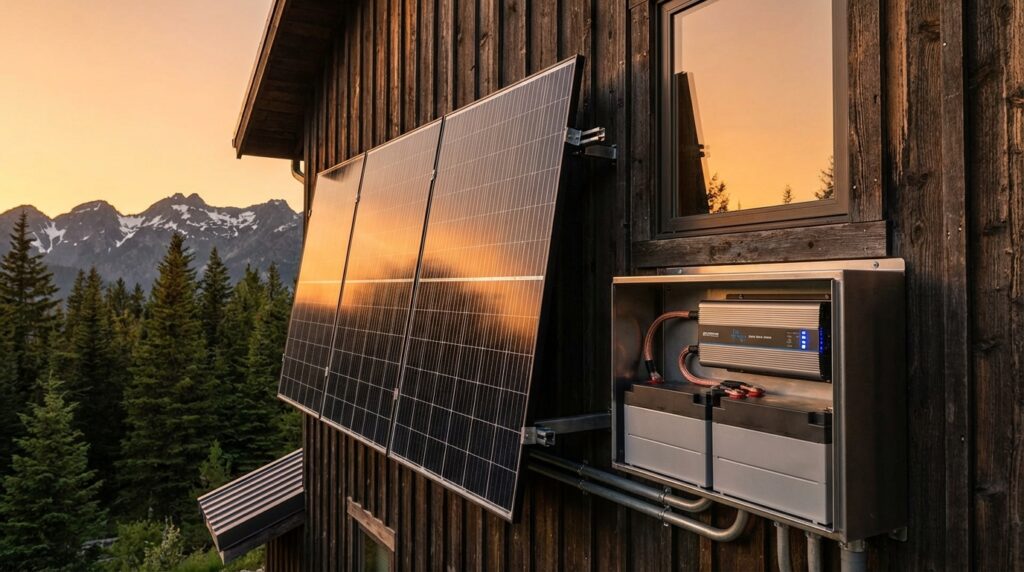
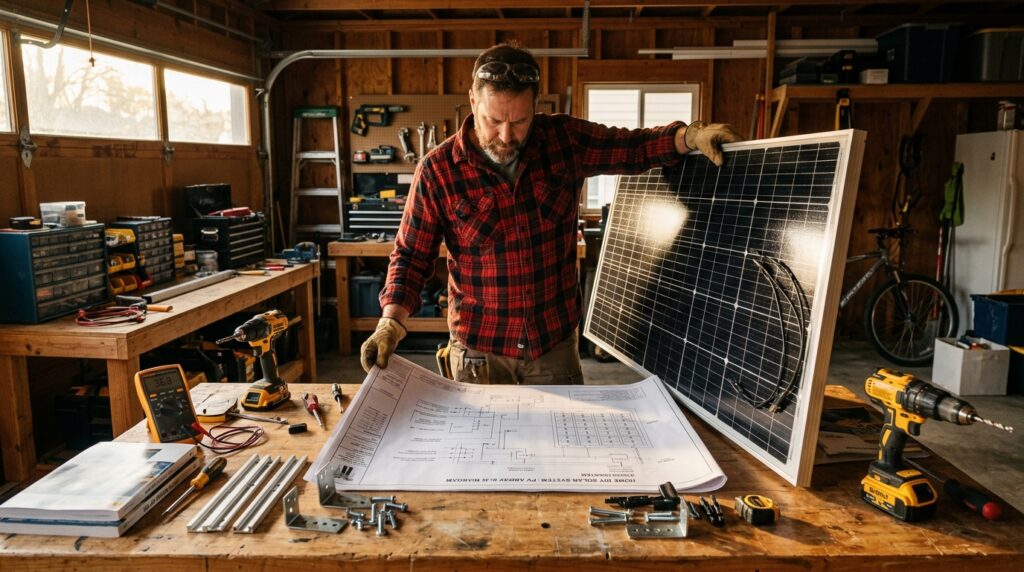
You’re tired of looking at solar quotes that cost as much as a new SUV just to keep your lights on. Professional installers pocket over 50% of your money just for labor and marketing markups, leaving you wondering if diy solar blueprints worth the effort are actually out there. With panel prices dropping fast, the secret the industry hides is that you can source the same high-end tech for a fraction of the price.
Instead of waiting a decade to see a return on your investment, doing it yourself can slash your payback period down to five years. You skip the high-pressure sales pitches and the corporate overhead while building a system that actually belongs to you. It is about taking control of your power bill without getting fleeced by middle-men who treat your roof like their personal piggy bank.
Key Takeaways
- DIY solar installations can reduce total project costs by up to 70% by eliminating professional labor markups, sales commissions, and corporate overhead.
- By sourcing components directly at wholesale prices, homeowners can slash the investment payback period from over a decade to as little as five to eight years.
- Modern solar blueprints simplify complex electrical engineering into manageable tasks, allowing homeowners with basic tools to build high-quality systems for a fraction of the retail price.
- Using a verified DIY guide prevents expensive mistakes and ensures component compatibility, transforming a potentially risky project into a secure path toward energy independence.
Comparing DIY Blueprints To Professional Solar Quotes
When you look at a professional solar quote, you are not just paying for panels and glass. You are paying for a flashy office, sales commissions, and a massive labor markup. Large installers typically bake in a 50 percent premium just to cover their marketing markups and installation crews, which can turn a reasonable project into a thirty thousand dollar debt. By using a DIY solar blueprint, you immediately strip away those soft costs and get straight to the hardware. You can often source the exact same high quality components for under twelve thousand dollars, putting that extra cash back into your own pocket.
Making the switch to a self build approach changes the financial math of your home energy in your favor. Instead of waiting over a decade to see a return on your investment, a DIY system can pay for itself in as little as five to eight years depending on your local sunshine. This is possible because solar panel prices have plummeted by over 85 percent in the last decade, but professional installation fees have stayed stubbornly high. Blueprints allow you to bypass the middleman and take advantage of these record low component prices directly.
The real worth of these guides lies in their ability to simplify complex electrical concepts into a weekend project you can actually handle. You do not need a degree in engineering to follow a well designed blueprint that walks you through every connection and mounting bracket. While big companies want you to believe that solar is a mysterious and dangerous art, it is actually a very manageable task for any homeowner with basic tools. Investing in a solid guide ensures you do not waste money on the wrong parts while giving you the confidence to fire up your own off grid power source.
Evaluating The True Cost Of Solar Component Sourcing
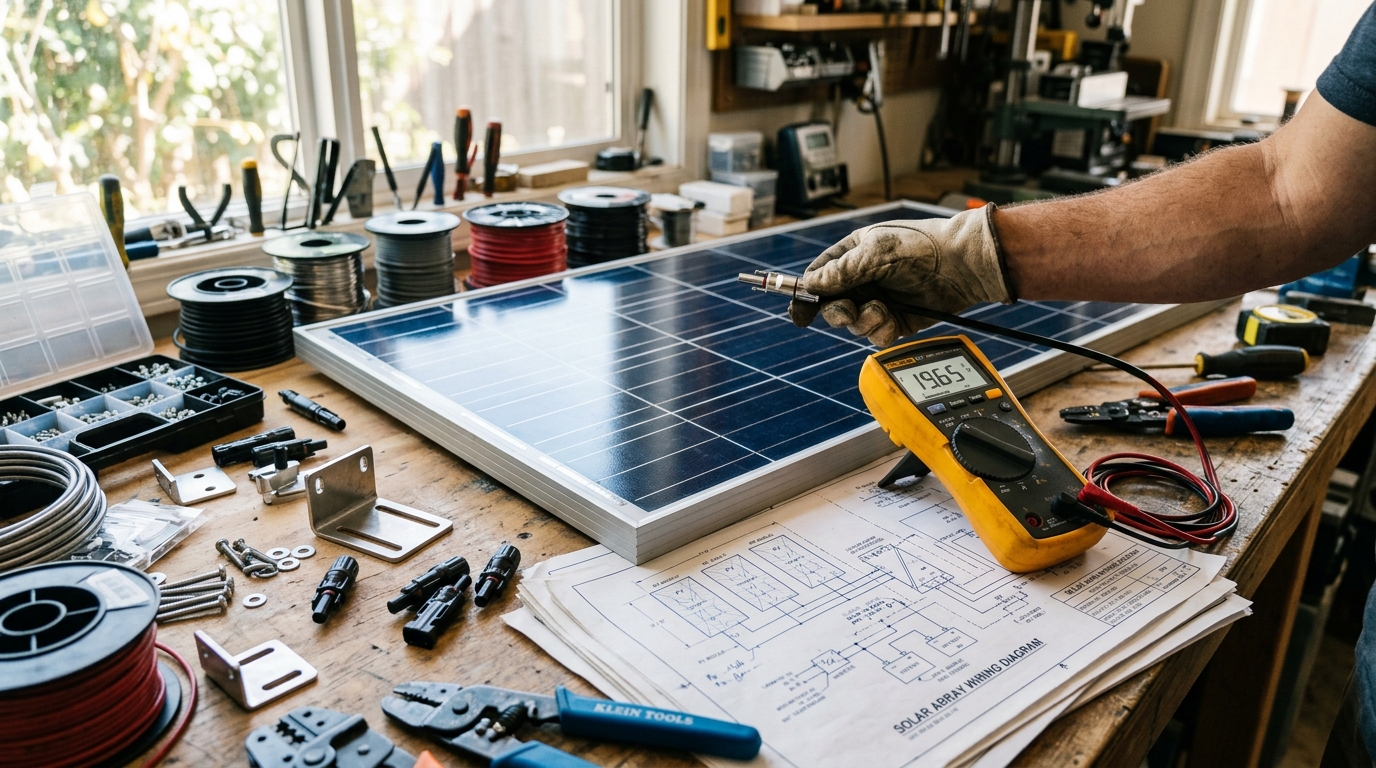
Professional solar companies essentially charge you a massive convenience fee that can double or even triple your total project cost. When you pay for a standard installation, you are not just buying panels, you are paying for their marketing budget, office rent, and high labor markups. By using a solid DIY solar blueprint, you cut out the middleman and gain the power to buy components at their true wholesale value. Instead of paying retail prices that can soar past three dollars per watt, you can source high quality parts for as little as $1.20 per watt. This shift in pricing means your system starts paying for itself the moment you flip the switch.
Sourcing your own components might sound intimidating until you realize that you are simply following a verified shopping list. These blueprints take the guesswork out of the process by showing you exactly which modular parts work together without the expensive brand name markup. You will find that solar panels have dropped in price by over 85 percent recently, yet professional quotes rarely reflect those massive savings. Taking the DIY route allows you to pocket those savings yourself rather than handing them over to a sales rep. It is the difference between an eight year payback period and a five year one, which is why these guides are worth every penny.
You deserve to know that the soft costs of a professional install often account for more than half of your total bill. Using a blueprint gives you the intellectual edge to interrogate every component and ensure you are getting the best deal on batteries, inverters, and racks. While big companies want you to believe this technology is too complex for the average homeowner, it is actually more accessible than ever before. You are essentially building your own off grid power system for a fraction of the cost by simply following a proven map. Investing in a verified DIY guide like the ones found at httpsco allows you to bypass the fluff and get straight to the hardware that actually matters.
Analyzing Payback Periods For Self Installed Solar Systems
You are likely staring at a professional solar quote and wondering why the labor and marketing markups are costing you more than the actual hardware. It is no secret that professional installers often pocket over fifty percent of your total investment just to cover their overhead and sales commissions. When you invest in a proven DIY solar blueprint, you effectively cut those middleman costs out of the equation and keep that cash in your own pocket. By sourcing your own components for a fraction of the retail price, you can transform a thirty thousand dollar project into a manageable twelve thousand dollar weekend task. This shift in strategy is the fastest way to turn a decade long financial burden into a smart investment that starts paying for itself almost immediately.
The real magic happens when you look at how quickly your utility savings actually wipe out the initial cost of the equipment. Most professional installations take twelve years or more to reach the break even point, which is a long time to wait for a return on your money. With a solid set of blueprints, you can slash that timeline down to just five years because you are not subsidizing a massive corporate office. Since solar panel prices have plummeted by over eighty five percent recently, the hardware is more affordable than ever for the average homeowner. You are essentially buying your power at a massive discount and securing your energy independence while your neighbors are still stuck paying off high interest solar loans.
Getting your hands on a reliable guide ensures you do not waste money on the wrong parts or expensive mistakes that could stall your progress. These blueprints provide the exact roadmap needed to navigate local permits and technical wiring without needing a degree in engineering. You get the benefit of professional insight without the professional price tag, allowing you to focus your budget on high quality batteries and efficient panels. It is about working smarter and refusing to pay the convenience tax that traditional solar companies rely on for their profit margins. Once your system is live and your meter starts spinning backward, you will realize that doing it yourself was the only way to make the numbers truly make sense.
Critical Review Of Popular Clickbank Solar Guides
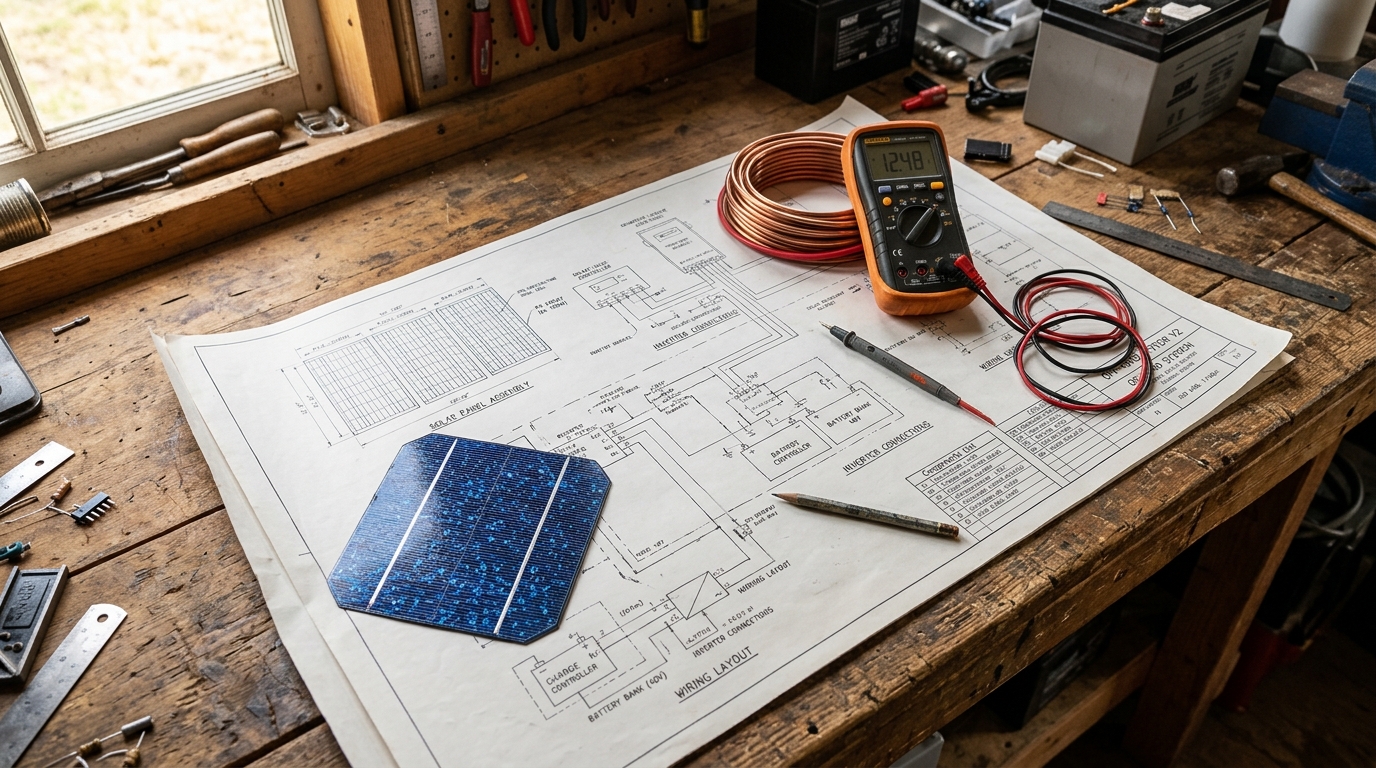
You have likely seen the flashy sales pages for guides like Backyard Revolution promising to slash your power bill with a secret device that fits on a balcony. These Clickbank guides often use high pressure marketing and dramatic stories to convince you that professional solar is a scam. While the dream of a fifty dollar power plant is tempting, you need to look past the hype to see what you are actually buying. Most of these digital blueprints are essentially simplified instructional manuals for building small, portable arrays rather than full home systems. They can be a fun entry point for a hobbyist, but they rarely provide the heavy duty engineering required to take a standard household completely off the grid.
The real value in these DIY blueprints lies in the cost savings you get by cutting out the middleman and avoiding massive labor markups. When you buy a guide from a platform like Clickbank, you are paying for a consolidated parts list and a step by step plan that saves you dozens of hours of research. Professional installations often cost double the price of the actual hardware because you are paying for marketing, permits, and professional crews. If you are willing to get your hands dirty and follow a digital guide, you can often source your own components for a fraction of the price. This approach can drop your payback period significantly, making solar a smart financial move rather than a lifelong debt.
Before you hit the download button, you must realize that these guides require a healthy dose of realism and some basic tool skills. A blueprint is only as good as the person following it, and skipping steps in a solar build can lead to fried components or even fire hazards. You should treat these digital guides as a starting point for your education rather than a magic wand for free energy. If you go into it with a skeptical eye and a willingness to cross reference the instructions with local building codes, you can absolutely build a functional system. The goal is to stop overpaying for electricity by taking control of your own power production one panel at a time.
The Verdict: Trading Sweat for Savings
Ultimately, deciding if DIY solar blueprints are worth your time comes down to how much you value your hard-earned cash versus your free time. If you are tired of seeing half your budget go toward a contractor’s marketing and labor costs, these guides are effective tools that can slash your expenses by up to seventy percent. You are essentially trading a bit of elbow grease for thousands of dollars in savings, which is a trade most of us would make any day of the week. With component prices hitting record lows, the math finally makes sense for the average homeowner to take control of their own power grid. Just be sure you are following a blueprint that is actually tested and not just some fluff-filled manual designed to grab your money.
Taking the plunge into DIY energy is a bold move that separates the action-takers from the dreamers who are stuck paying high utility bills forever. You do not need a degree in electrical engineering to get this right, but you do need the grit to follow through and the honesty to admit when you need a clear roadmap. We have seen plenty of people get burned by over-complicated systems, but with the right guide, you can realistically see your investment pay for itself in under eight years. It is about working smarter, avoiding the professional markups, and keeping that extra ten to twenty thousand dollars in your own pocket. If you are ready to apply this same level of transparency to your other financial decisions, you should explore our The Honest Truth About Crypto Signal Service Reviews to discover how we can help you navigate another complex market with confidence.
Frequently Asked Questions
1. Are DIY solar blueprints actually worth the investment?
They are worth every penny because they help you bypass the 50 percent markup professional installers charge for labor and marketing. You get the same high-end technology for a fraction of the cost, which slashes your payback period from a decade down to just five years.
2. How much money can I really save by doing it myself?
You can often source the exact same hardware for under twelve thousand dollars when a pro would charge you thirty thousand. By stripping away the corporate overhead and flashy sales commissions, you keep nearly twenty thousand dollars in your own pocket.
3. Is it difficult to find the right equipment without a pro?
It is easier than the industry wants you to think since solar panel prices have plummeted by over 85 percent recently. A solid blueprint gives you the exact shopping list you need to buy high-quality components directly from the source. You should also consider how to stop losing money by maintaining your panels properly once they are installed.
4. Do I need to be a professional electrician to use these blueprints?
You do not need to be an expert to follow a well-designed plan that breaks the process down into simple steps. These blueprints are designed for regular homeowners who want to take control of their power bill without getting fleeced by middle-men.
5. How long does it take for a DIY solar system to pay for itself?
While professional installs take forever to break even, a DIY system can pay for itself in as little as five to eight years. This faster return on investment happens because you are only paying for the hardware, not someone else’s office rent.
6. Why shouldn’t I just hire a professional solar company?
Hiring a pro means you are paying for their massive labor markups and high-pressure sales teams instead of just the energy. When you build it yourself, the system actually belongs to you and your roof stops being a emergency home power source for a corporate entity. Understanding why most diy solar kits fail to meet expectations is the first step toward building a system that actually works. You should also investigate the real solar battery backup price to see exactly what installers are hiding from your final bill. Finally, don’t forget to factor in solar panel maintenance cost when calculating your long-term savings.