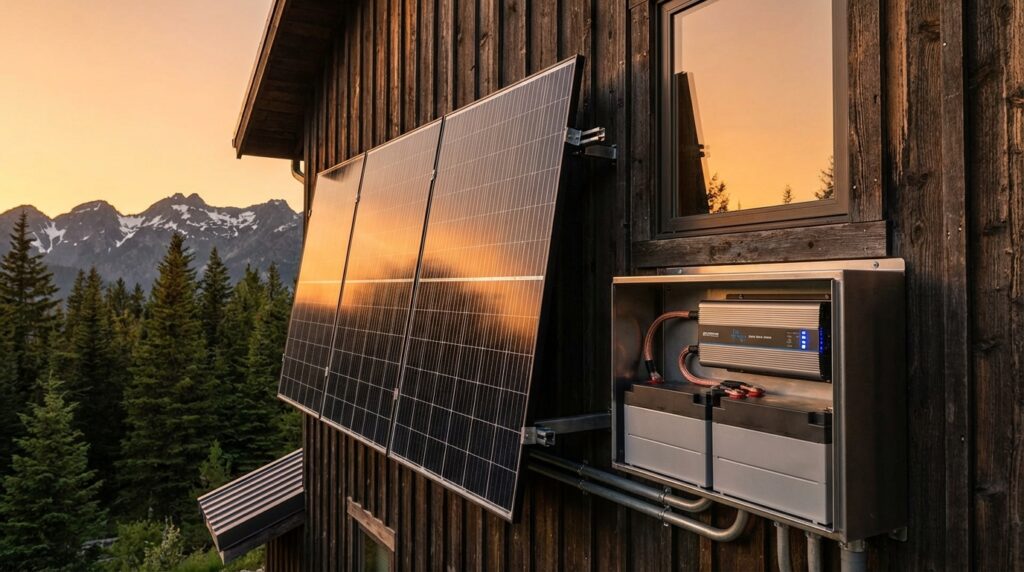
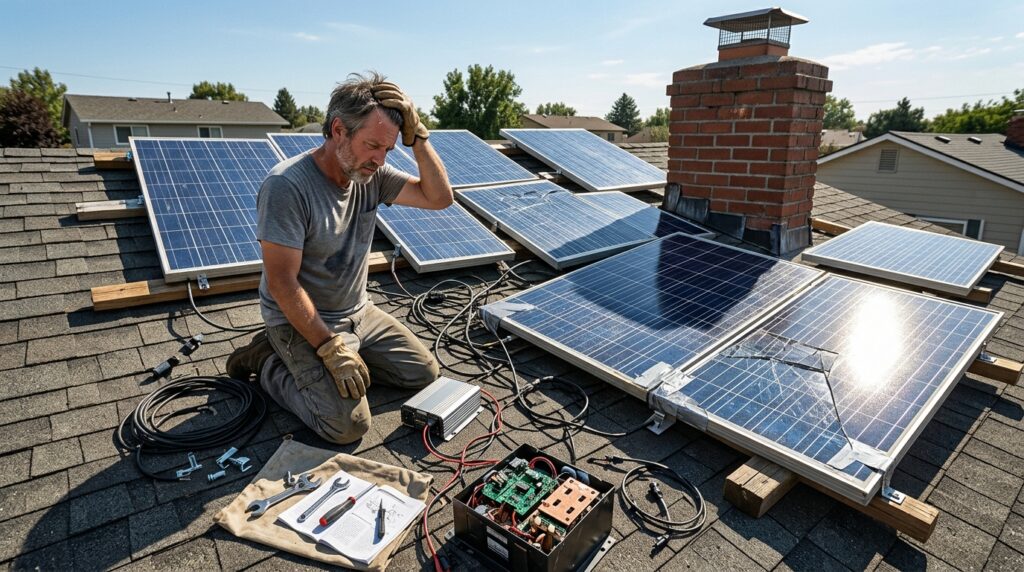
You’ve seen the glossy ads promising total energy independence with just a few clicks and a screwdriver, but the reality on the ground is a lot messier. Despite how far technology has come, nearly half of all DIY setups are currently failing because of avoidable home solar kit mistakes. You aren’t here for the marketing fluff; you’re here because you want to keep your lights on without flushing thousands of dollars down the drain.
The industry wants you to believe these systems are foolproof, but one wrong calculation can leave you sitting in the dark while your neighbor’s EV charges for free. Between confusing power ratings and ignoring the way shadows creep across your roof, there are dozens of traps waiting to trip you up. We’ve interrogated the data and stripped away the sales talk to show you exactly where these projects go off the rails.
Key Takeaways
- Size your solar system for peak surge loads and future energy growth rather than monthly averages to prevent inverter failure and expensive future upgrades.
- Account for a 20-30% ‘reality tax’ on power output to compensate for unavoidable energy losses caused by DC-to-AC conversion, heat, and wiring resistance.
- Verify component compatibility and use heavy-duty, correctly gauged wiring to prevent system ‘ghosting’ and catastrophic fire hazards.
- Map seasonal sun paths and eliminate even minor shading, as a single shadow can throttle the energy production of an entire solar array.
Sizing Blunders That Leave You In The Dark
Sizing your solar kit based on your average monthly electric bill is the fastest way to end up sitting in the dark when you actually need power. Most people look at the total kilowatt hours they used over thirty days and divide by thirty, but your appliances do not work that way. Your air conditioner or well pump does not care about your monthly average because it needs a massive peak surge load of energy the moment it kicks on. If your system is not built to handle those peak loads, your inverter will trip and your lights will flicker out right when you need them most. You have to plan for the hardest work your system will do, not just the steady hum of a few LED bulbs.
Thinking only about your current energy needs is another trap that will cost you thousands of dollars in upgrades later. You might not own an electric vehicle today, but the moment you plug one into a system that was only sized for a fridge and a TV, your battery bank will creator. It is much cheaper to build a slightly larger foundation now than it is to tear apart your wiring and add more panels in two years. Modern kits are easier than ever to set up, but they are still limited by the math you do before you hit the buy button. Give yourself a buffer for future gadgets and heavy hitters so you are not left scrambling for a generator.
You also need to account for the reality that a kit rated for seven kilowatts will almost never actually give you seven kilowatts of usable AC power. Between the heat on your roof, the dust on the glass, and the natural loss of energy as it moves through your inverter, you are usually looking at a twenty percent drop in efficiency. If you buy a kit that perfectly matches your needs on paper, you are actually buying a system that is twenty percent too small for the real world. Always round up your estimates to cover these invisible losses and ensure your home stays powered during a heatwave. Smart planning is the only way to protect your investment and keep your peace of mind.
The Hidden Math Of DC To AC Conversion Loss
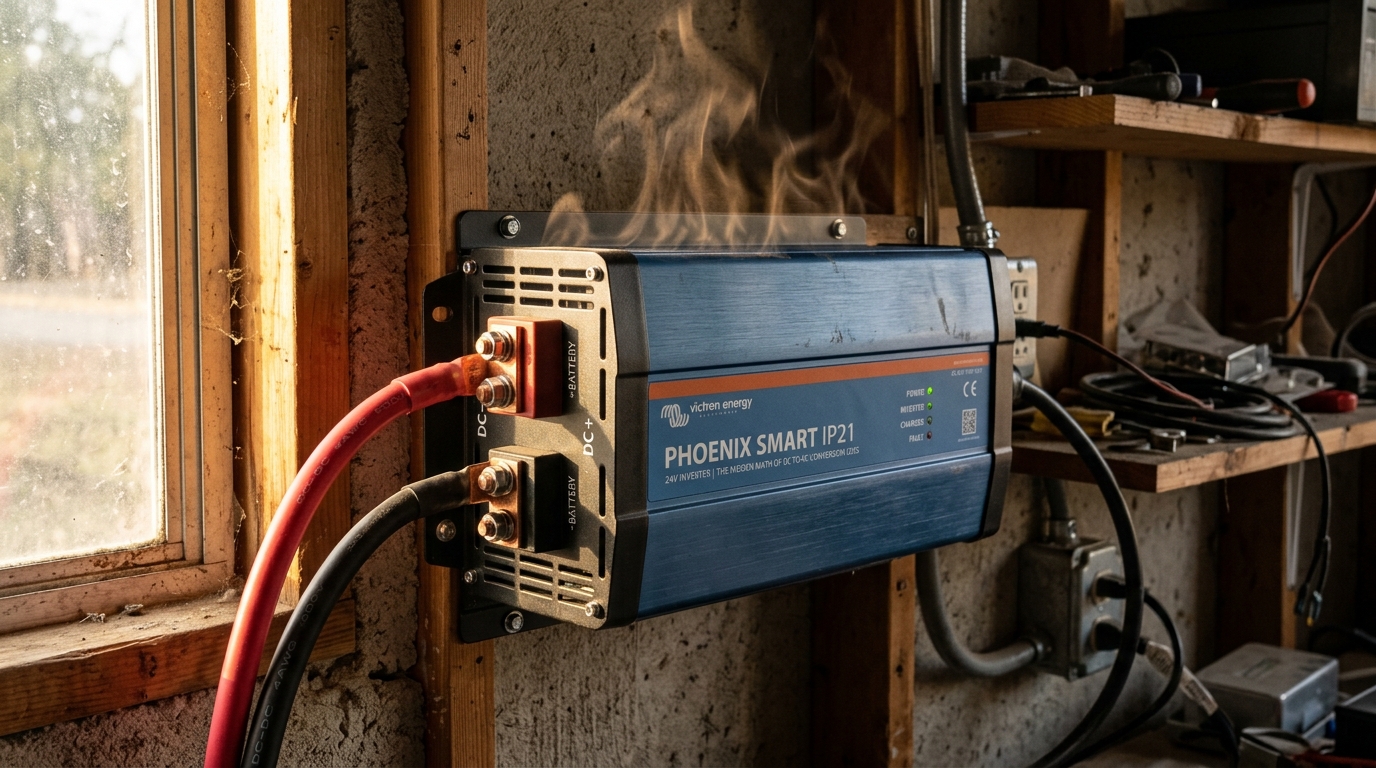
You are being sold a dream when you see that 7kW sticker on a solar kit, but the reality of physics is much less generous. That number represents the DC power your panels produce under perfect laboratory conditions, which almost never exist in your backyard. Once that energy hits your inverter to become the AC power your fridge actually uses, you are going to lose a significant chunk of change to heat and conversion friction. This is not a manufacturing defect, it is a mathematical certainty that most sales pages conveniently forget to mention while they are taking your credit card information.
Think of your solar kit like a leaky bucket where every step of the process drips a little bit of your investment onto the ground. Your inverter is the biggest culprit, usually eating about five to ten percent of your total energy just to stay awake and do its job. When you add in the resistance from your wiring and the way heat kills panel efficiency, that 7kW system is often struggling to break 5kW of actual usable juice. You need to stop sizing your system based on the marketing fluff and start planning for a thirty percent “reality tax” if you want to keep your lights on during a storm.
We have interrogated these blueprints and found that most DIYers end up frustrated because they bought exactly what they thought they needed without accounting for these invisible losses. If you are ready to stop guessing and start building a system that actually powers your life, you should check out the Backyard Revolution at httpsco for a setup that handles the math for you. It is better to be the person who over-prepared with a realistic plan than the one sitting in the dark with a 7kW paperweight. Don’t let a simple conversion error turn your off-grid dream into a very expensive hobby that fails when you need it most.
Dangerous Wiring Flaws And Incompatible Inverter Pairings
You are risking a literal house fire if you try to save a few pennies by using thin, undersized wiring for your solar array. When you force a massive amount of current through a wire that is too small, the resistance creates intense heat that can melt insulation in minutes. This is not just a technical error, it is a recipe for disaster that turns your expensive green energy investment into a pile of charred rubble. Most DIYers do not realize that DC power from panels is far more unforgiving than standard household AC electricity. You need to verify your correctly gauged wiring against the maximum possible output of your panels to ensure everything stays cool and functional under peak summer sun.
Matching your inverter to your battery bank and solar panels is not a guessing game where “close enough” works. If you pair a high-voltage string of panels with an inverter that cannot handle the input, you will fry the internal circuitry the moment the sun hits the glass. Incompatible pairings often lead to “ghosting” where your system looks like it is working but actually produces zero usable power. We see people waste thousands of dollars on high-end components that simply refuse to talk to each other because the voltage ranges are mismatched. You must interrogate the spec sheets of every component to ensure they are designed to operate within the same electrical ecosystem.
Cutting corners on your equipment layout creates dangerous bottlenecks that eventually lead to total system failure. A mismatched inverter will often work overtime and overheat, significantly shortening its lifespan from ten years down to two. These flaws are usually invisible until you smell burning plastic or notice your power output has plummeted. Using a proven blueprint is the only way to avoid these expensive headaches and keep your family safe. It is much cheaper to buy the right heavy-duty cables and compatible hardware today than it is to replace your entire kit after a catastrophic electrical short.
Critical Shading Errors And Seasonal Sun Path Blindness
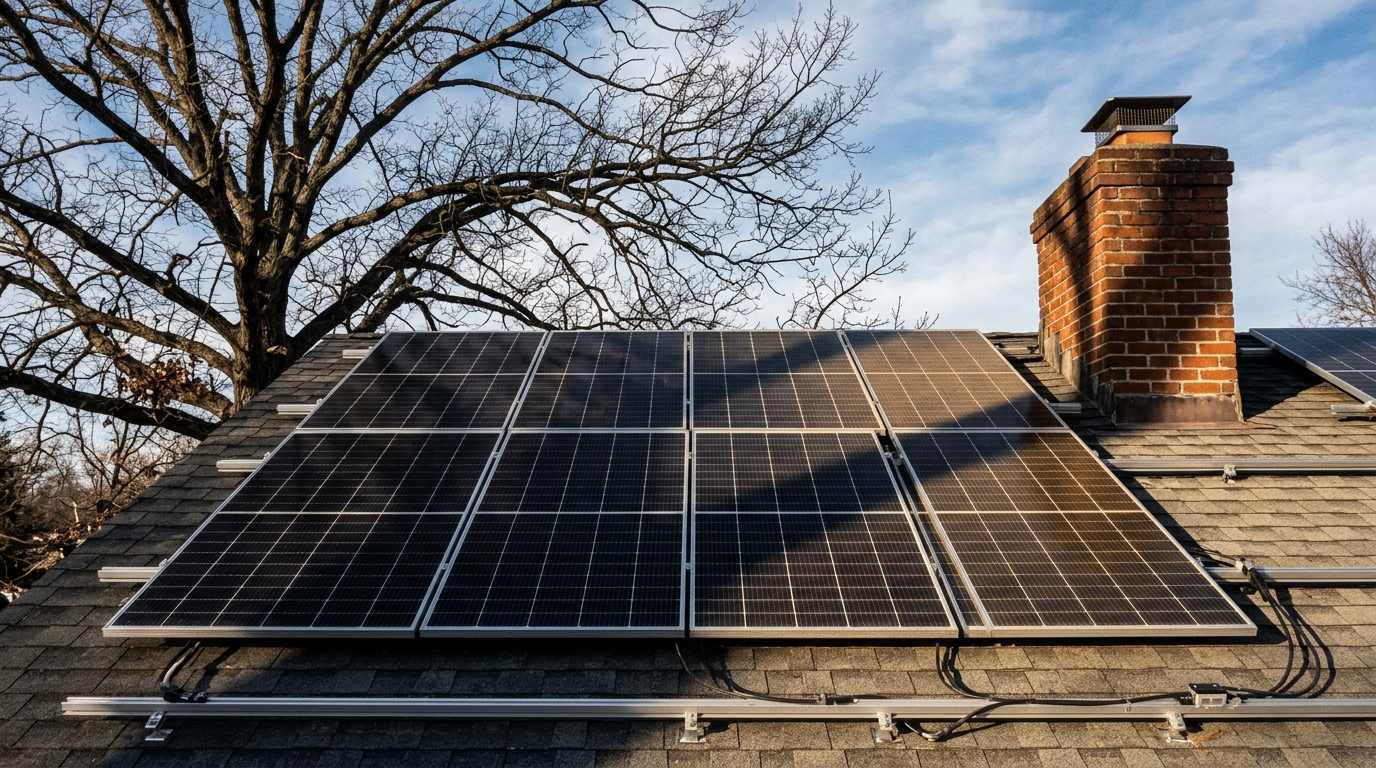
You might think that a tiny bit of minor shading from a stray chimney or a single tree limb is no big deal, but it can actually kill your entire power harvest. Most DIY solar kits are wired in a way that makes them only as strong as their weakest link, meaning one dark spot on one panel can throttle the energy flow for the whole array. We have seen people drop thousands on high end gear only to watch their production numbers tank by 80 percent because they ignored a small shadow. It is a brutal way to find out that your hardware is working fine but your placement is a total disaster. You have to be aggressive about scouting your roof or yard for these hidden energy killers before you bolt anything down.
The sun is a moving target that plays a long game, and the “perfect spot” you found in July will likely be a dark dead zone by December. During the winter, the sun sits much lower in the sky, stretching out shadows from nearby fences or neighbors’ houses that you never even noticed during the summer. This seasonal sun paths blindness is one of the most common ways homeowners waste their hard earned money on systems that underperform for half the year. If you do not account for this shift, you are essentially buying a high-performance machine and only being able to use it at a fraction of its capacity for six months. We always tell people to look at the long term horizon because the sun you see today is not the same one you will be relying on in mid winter.
If you are tired of guessing where to put your panels and want a blueprint that actually works, you need to stop listening to the marketing hype and look at the data. Most sales pages will promise you world class power without mentioning that a single branch can turn your expensive kit into a lawn ornament. We recommend checking out the DIY solar guides at httpsco to get a real handle on how to map your property correctly. Do not let a lack of planning turn your investment into a expensive mistake that leaves you sitting in the dark. Taking the time to interrogate your installation site now will save you from a massive headache and a lot of wasted cash down the road.
Stop Gambling on Junk Solar Kits
Investing in a home solar setup should feel like gaining independence, not like flushing your hard earned savings down a drain. The market is currently flooded with cheap, generic kits that promise the world but delivered nothing but fried inverters and dead batteries. You deserve a system that actually powers your life when the grid goes dark or the sun dips low. Instead of gambling on mystery hardware from a random warehouse, you need to follow a proven blueprint that takes the guesswork out of the equation. Understanding the solar battery backup price ensures that every component works in harmony and actually meets your specific energy demands.
Stop letting flashy marketing and “too good to be true” price tags distract you from the reality of off-grid living. A single weak link in a poorly planned system can leave you sitting in the dark despite spending thousands of dollars. We have interrogated the options and found that the most successful DIYers are the ones who prioritize high quality blueprints over bargain bin shortcuts. You can find the exact roadmap for a dependable, high performance system by visiting httpsco to access professional grade guides. Taking this step now means you are building a legacy of power security rather than a pile of expensive electronic scrap.
Frequently Asked Questions
1. Can I just use my monthly electric bill to size my system?
No, that is a recipe for a blackout. Your bill shows an average, but your system needs to handle the massive power surges from appliances like your AC or well pump. If you do not plan for those peak moments, your inverter will trip and leave you in the dark.
2. Is it okay to buy a kit that fits my current needs exactly?
It is a trap that will cost you thousands in the long run. If you add an electric vehicle or a new appliance later, you will have to rip out your old setup and start over. Build a slightly larger foundation now so you have room to grow without the headache.
3. Why are so many DIY solar kits failing right now?
Marketing fluff makes these systems look like a simple weekend project, but the reality is much messier. Most failures happen because of avoidable mistakes like bad math or ignoring how shadows move across your roof. We are here to help you cut through the sales talk and build something that actually works.
4. What happens if I ignore the shadows on my roof?
A tiny bit of shade can kill your entire power output. Shadows creep and change throughout the day, so if you do not track them, your expensive panels will basically become overpriced roof decorations. You have to interrogate your setup location during all hours of sunlight.
5. Will a basic kit handle my heavy appliances?
Most standard kits are not built for heavy lifting right out of the box. You need to verify that your battery bank and inverter can handle the high start up wattage of your biggest tools. Do not trust a glossy ad to tell you what your specific household needs.
6. Is professional help always necessary for these kits?
You can definitely do it yourself, but you have to stop acting like a consumer and start acting like an insider. If you skip the deep research and rely on a screwdriver and a prayer, you are part of the fifty percent that fails. Get the right data before you turn a single bolt. When considering emergency home power, it is vital to understand the limitations of your equipment before an actual crisis occurs.