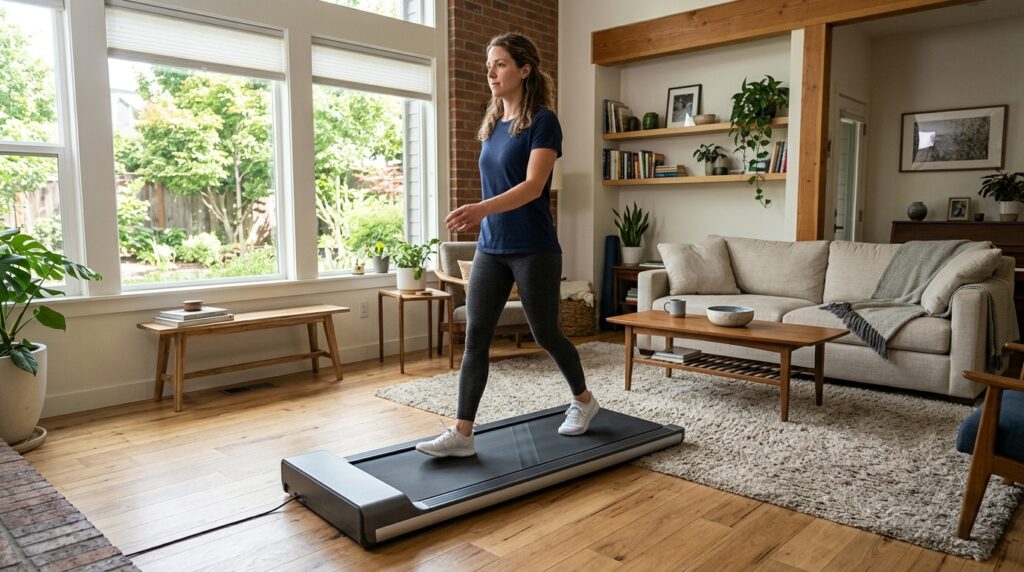
Walking pad reviews can help you separate a useful home workout tool from an overpriced slab of plastic. If you want more steps during work, calls, or TV time, a walking pad may fit your routine, but only if its belt, speed, noise, and build quality match your needs. A flashy sales pitch is easy to write. The real question is whether the machine will stay comfortable and reliable after the novelty wears off.
You’ll need to weigh compact size against walking space, quiet operation against motor power, and low price against long-term durability. Most walking pads work well for steady walking in small spaces, but they are not built for serious running or intense training. The right choice gives you a simple way to move more without taking over your home or draining your wallet.
Key Takeaways
- Choose a walking pad based on belt size, stability, noise, speed range, weight capacity, and build quality—not flashy apps or sales claims. The deck must support your natural stride and intended use comfortably.
- Walking pads are best for steady, low-intensity movement during work, calls, or television time; they generally are not suitable substitutes for full-size treadmills used for running or intense training.
- Verify practical details before buying, including floor space, safety clearance, storage features, desk compatibility, noise and vibration, remote controls, warranty coverage, return costs, and replacement-part support.
- The lowest-priced model is not necessarily the best value. Prioritize reliable construction, a comfortable walking surface, manageable noise, and clear warranty and return terms so the machine remains useful after the novelty fades.
Walking Pad Review Criteria
Walking pad reviews should start with the walking surface, not flashy app features. Check the belt’s length and width against your stride, because a narrow or short deck can feel cramped, especially when you are distracted by work. Maximum speed matters too, but a higher number is not automatically better if the pad becomes loud or shaky at that pace. Confirm the weight capacity with plenty of room to spare, since using a machine near its limit can affect performance and durability. For desk use, steady walking at a comfortable pace is usually more useful than a promise of light jogging.
Noise and stability can make or break your experience in a small room. Look for honest comments about motor hum, belt slap, floor vibration, and whether nearby people can hear it during calls or television time. A low profile helps with storage, but wheels, a folding design, and manageable weight determine whether you will actually move it after each session. Controls should be easy to reach, with a clear remote or console that lets you change speed without interrupting your work. Also check for safety basics, such as an emergency stop, automatic shutoff, child lock, and a belt that stays centered instead of drifting.
The fine print often reveals more than the sales page, so inspect the warranty coverage, return window, and replacement-part support before buying. A strong warranty does not guarantee a perfect machine, but a vague policy is a warning sign when long-term durability is uncertain. Read reviews for repeated complaints about overheating, worn belts, noisy motors, or unreliable remotes instead of focusing on one dramatic comment. In a compact room, the best walking pad is the one that fits your space, supports your weight comfortably, stays stable, and remains quiet enough to use consistently. If you want hard running, a wider deck, or intense workouts, be honest about that goal because a walking pad may not be the right tool.
Top Walking Pad Models Compared
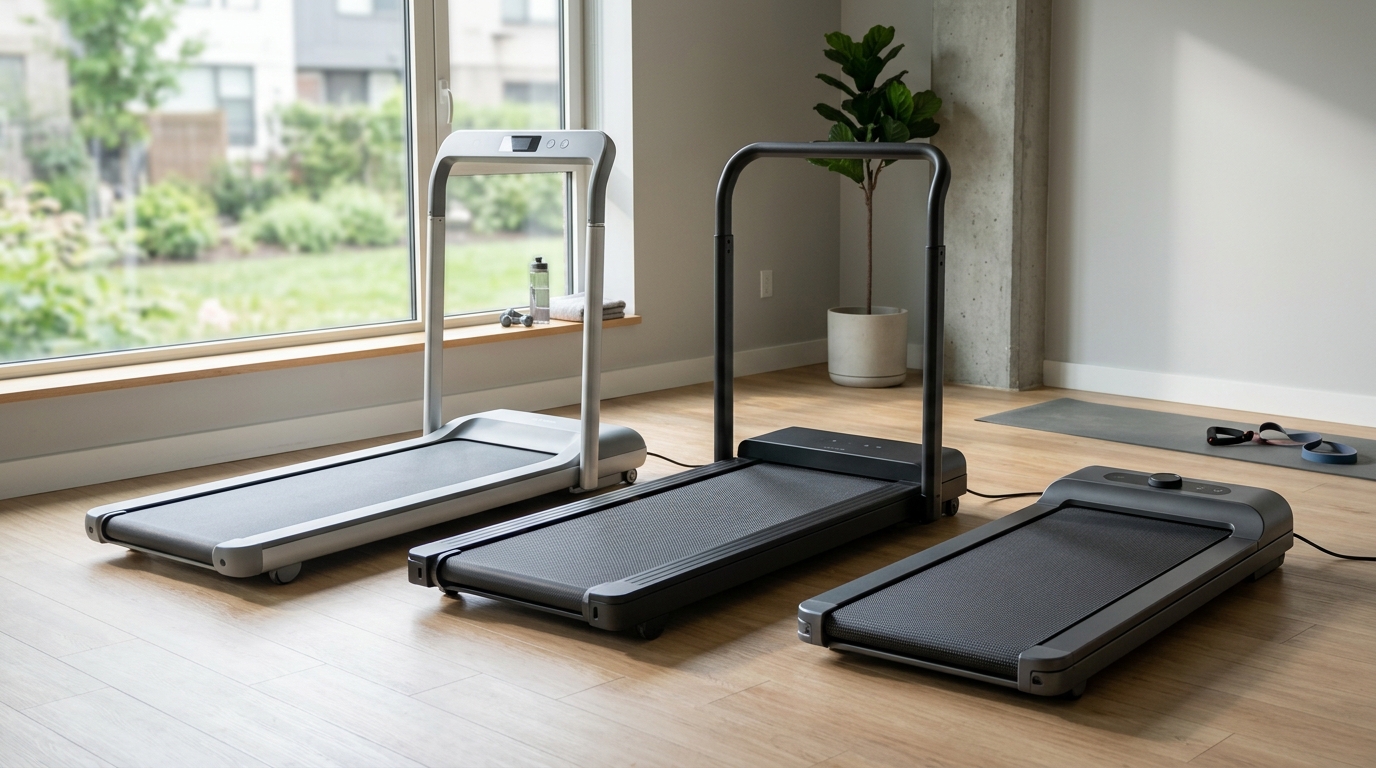
These walking pad reviews compare only products with verifiable specifications, not vague sales-page claims. The available research does not identify an eligible walking pad with confirmed belt width, top speed, folding design, incline, handrail, and storage measurements, so naming a “best compact option” would be guesswork. That matters because a narrow belt may feel cramped, while a low speed limit can rule out light jogging. Until those details are confirmed, treat claims about quiet motors, easy storage, and running performance as unverified.
For a trustworthy comparison, you should match each product listing to the use case it actually supports: compact models need clear folded dimensions, desk-walking models need a suitable speed range and low profile, light-jogging models need a wider belt and higher speed limit, and storage-friendly models need wheels or a genuinely foldable frame. Incline settings and handrails can add useful support, but they also increase size and weight. Check the warranty, return terms, noise notes, and maximum user weight before buying. A product should not earn a top spot until those trade-offs are stated plainly.
Walking Pad Tradeoffs For Home Use
Walking pad reviews often praise the small footprint, but that compact design creates the first big tradeoff: a narrow, short walking deck. If you are tall, have a long stride, or tend to drift while walking, you may feel boxed in and need to watch your footing. Vibration can travel through hard floors, desks, and nearby furniture, while motor noise may become distracting during calls or focused work. A mat can reduce some movement and sound, but it will not turn a small walking pad into a silent machine.
Speed is another reality check. Most walking pads work best for easy to moderate walking, not hard intervals, steep climbs, or comfortable running. Reviewers also question long-term durability because compact motors and belts can struggle with frequent heavy use, especially when maintenance is ignored. Add in restrictive warranties, limited coverage for wear parts, and return policies that may leave you paying shipping, and the cheapest model can become an expensive gamble. Read the warranty terms before you trust a bold durability claim.
Your routine should decide whether a walking pad belongs in your home. It makes sense if you want more steps during calls, television, or light computer tasks and have enough room to use it safely without blocking doors or walkways. Check the belt dimensions against your height and natural stride, then match the speed range to your actual workout goals. If you want vigorous training, a wide deck, strong cushioning, or regular jogging, a conventional treadmill will likely serve you better. For low-intensity movement in a small space, the tradeoffs may be reasonable, but only if the noise, stability, warranty, and deck size fit your daily life.
Walking Pad Buying Checklist
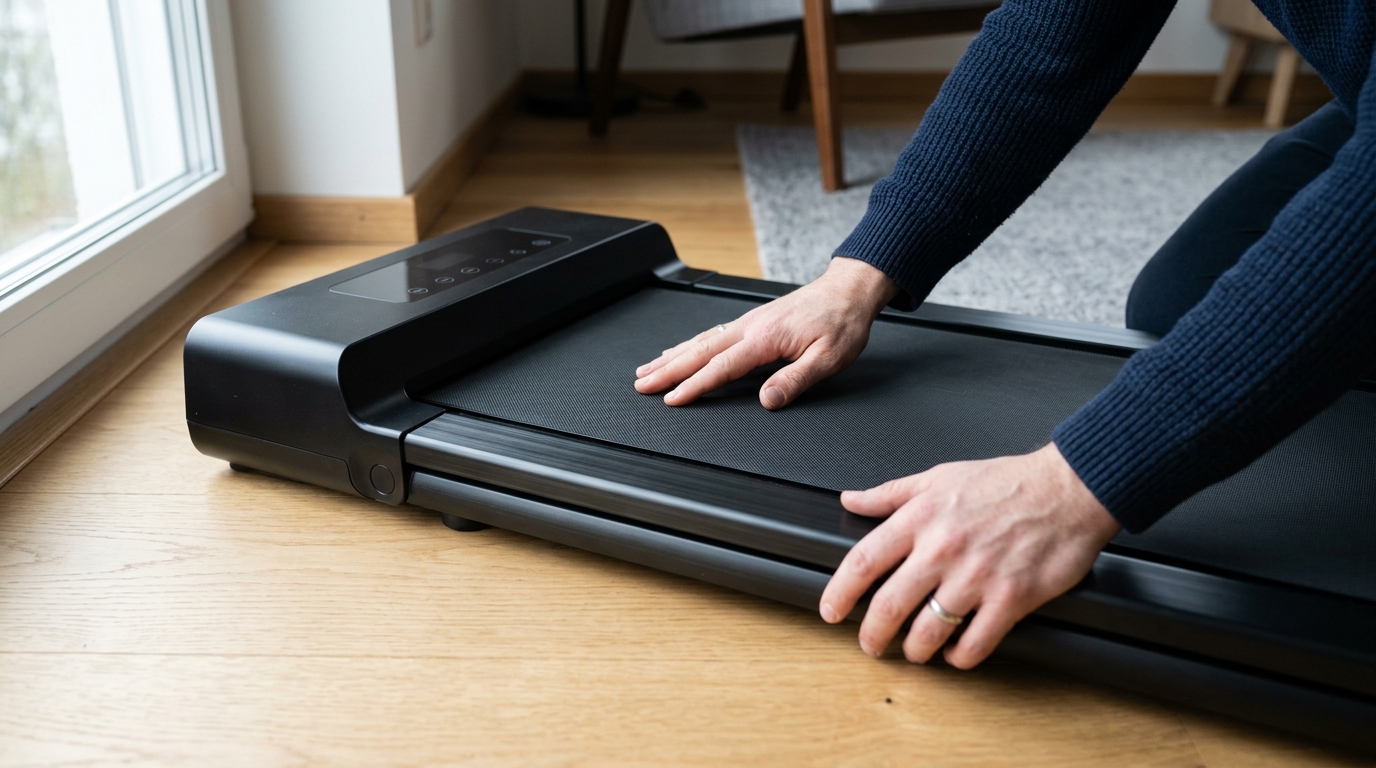
A smart walking pad purchase starts with your room, not a flashy sales page. Measure your available floor space, then check the belt dimensions and the room you need around it for safe stepping on and off. Confirm the weight limit for every user, choose a walking speed that matches your routine, and make sure your desk can rise high enough to let you walk with good posture. Use this quick checklist before you compare walking pad reviews:
- Available floor space, including safe clearance around the pad
- User weight limit, with a comfortable margin above your actual weight
- Top walking speed for work breaks, daily steps, or light jogging
- Desk height and whether your keyboard and monitor remain comfortable while walking
- Storage needs, including wheels, folding parts, and overall weight
- Noise and vibration tolerance, especially in shared rooms or apartments
- Return policy, including fees, time limits, and who pays return shipping
- Warranty length and what parts, labor, and motor coverage actually include
- Safety clearance behind and beside the walking surface
The lowest price is not automatically the best value if the belt is cramped, the motor struggles, or returning the unit becomes a costly headache. Add the full cost, including delivery, accessories, taxes, and possible return shipping, then weigh it against the belt size, stability, warranty, and expected durability. Treat claims such as “silent,” “commercial grade,” or “limited time deal” as questions to verify, not reasons to buy fast. If an approved product is a good fit, use its direct product link and review the terms before checkout. A walking pad can be a useful tool for adding steps indoors, but only when its size, speed, comfort, and safety match the way you will actually use it.
Check These Walking Pad Features First
The best walking pad reviews focus on the features you will notice every day, not flashy app claims. Check the belt length and width first, because a cramped deck can make even casual walking feel awkward. Noise, vibration, speed controls, remote usability, stability, warranty coverage, and weight capacity also deserve close attention, especially if you plan to use the pad under a desk. Incline, folding parts, handrails, and light-jogging modes can add value, but only if they match your space and routine. A low price means little if the machine wobbles, struggles under regular use, or offers weak customer support.
A compact walking pad makes sense if you want steady, low-intensity movement while working, watching television, or taking calls. Choose a conventional treadmill instead if you need room to run, stronger cushioning, higher speeds, or demanding workouts, because a slim walking pad is not a magic replacement for full-size equipment. Before you buy, measure your available floor space and decide how often you will realistically use it, then match the machine to that honest answer. If you are also building a simpler routine around your goals, explore Best Meal Prep Services To Save Time And Energy to see how another practical choice can help you stay consistent. The smart purchase is the one that fits your space, supports your real habits, and will not collect dust after the novelty fades.
Frequently Asked Questions
1. What should you look for in walking pad reviews?
Start with the basics: belt size, speed range, weight capacity, noise, stability, and build quality. App features and flashy screens matter far less if the pad feels cramped, shakes on the floor, or becomes too loud for calls. Look for reviews that describe real daily use, not just a quick unboxing.
2. Are walking pads good for working at a desk?
Yes, a walking pad can help you add more movement during emails, calls, or other low-focus tasks. Choose one with steady speed control, a quiet motor, and enough belt space for a natural stride. A comfortable walking pace is usually more useful than a machine that advertises light jogging.
3. How much noise does a walking pad make?
Noise varies by motor, belt design, floor surface, and walking speed. Pay attention to reviews that mention motor hum, belt slap, and floor vibration instead of trusting vague claims like silent operation. A floor mat can reduce vibration, but it will not fix a loud or poorly built machine.
4. Can you run on a walking pad?
Most walking pads are designed for walking, not serious running or intense training. Some models support light jogging, but you should confirm the speed range, belt size, stability, and weight capacity before trying it. If running is your main goal, a full treadmill is usually the safer and more comfortable choice.
5. What walking pad size is best for you?
Choose a belt that gives you enough room to walk without constantly checking your feet or shortening your stride. A compact deck saves space, but a belt that is too short or narrow can feel stressful during desk use. Compare the belt dimensions with your height, stride, and intended pace before buying.
6. How do you know if a walking pad is stable and durable?
Check the listed weight capacity, then leave a healthy margin instead of operating right at the limit. Reliable reviews should mention shaking, frame movement, belt slipping, motor strain, and performance after repeated use. A sturdy frame and smooth belt matter more than a bargain price that leads to repairs or early replacement.
7. Are walking pads worth the money?
A walking pad is worth it when it makes regular movement easier and fits your space, noise limits, and routine. It is not worth paying extra for features you will never use, especially if the belt is small or the warranty is weak. Focus on dependable construction, simple controls, and a return policy that gives you room to test the machine at home.