Compression boots reviews are packed with bold promises, but your legs deserve more than marketing hype. These inflatable sleeves may help ease short-term soreness, heaviness, and fatigue, especially after hard training, long shifts, or travel. However, claims about dramatically faster muscle repair, better performance, or instant recovery are not well supported.
You want to know what actually matters: comfort, pressure control, fit, noise, ease of use, and whether the relief justifies the price. We cut through the sales talk and focus on the real-world experience, including where compression boots help and where they fall short.
Key Takeaways
- Compression boots are most useful for short-term relief from sore, heavy, or fatigued legs after training, long periods of standing, or travel—not for dramatically faster muscle repair or major performance gains.
- Prioritize comfort, sleeve fit, adjustable pressure, session controls, noise, battery life, portability, warranty coverage, and refund terms over inflated sales claims or testimonials.
- Their value depends on consistent use and whether passive recovery justifies the cost; they do not replace sleep, nutrition, hydration, movement, or sensible training.
- People with circulation problems, blood-clot risks, vascular or heart conditions, significant swelling, reduced sensation, or certain medical circumstances should consult a healthcare professional before using compression boots and stop if pain, numbness, skin changes, or worsening swelling occurs.
Introduction To Compression Boots Reviews
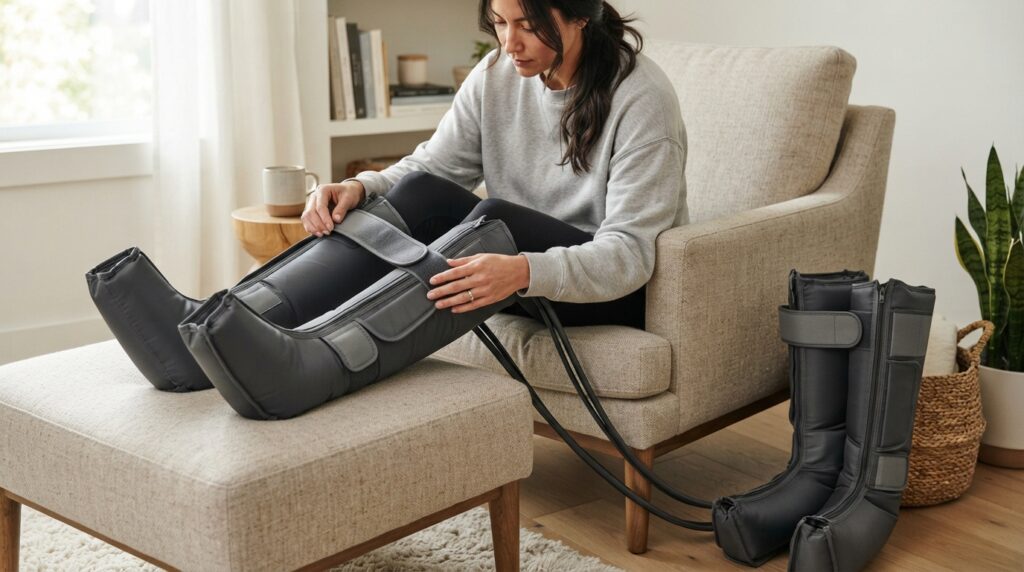
Compression boots are intermittent pneumatic compression devices with inflatable sleeves that rhythmically squeeze your legs, usually from the feet upward. In these compression boots reviews, you will get an evidence-based look at what they may actually do, not a parade of miracle recovery promises. The most believable benefit is short-term relief from sore, heavy, or tired legs, especially after hard training, long periods of standing, or travel. Evidence for faster muscle repair, better strength, improved performance, or dramatically faster recovery remains limited and inconsistent.
This review focuses only on ClickBank-eligible products, with attention to the details that matter before you spend serious money. You will see verified features separated clearly from sales-page claims, including compression settings, sleeve fit, controls, portability, battery use, warranty terms, and refund policies when those details can be confirmed. A polished sales page is not proof that a device works, and vague promises will not be treated as test results. The goal is to show you what each product offers, where the evidence is thin, and whether the convenience justifies the price.
You should also expect a practical comparison rather than a push toward the most expensive option. We will consider how easy each device is to set up, whether you can use it while relaxing, and how well it fits your routine. Compression boots may be worth considering if you train often or value passive recovery, but they do not replace sleep, nutrition, movement, or medical care. These reviews help you decide whether a useful comfort tool is hiding beneath the hype.
Compression Boot Benefits And Evidence
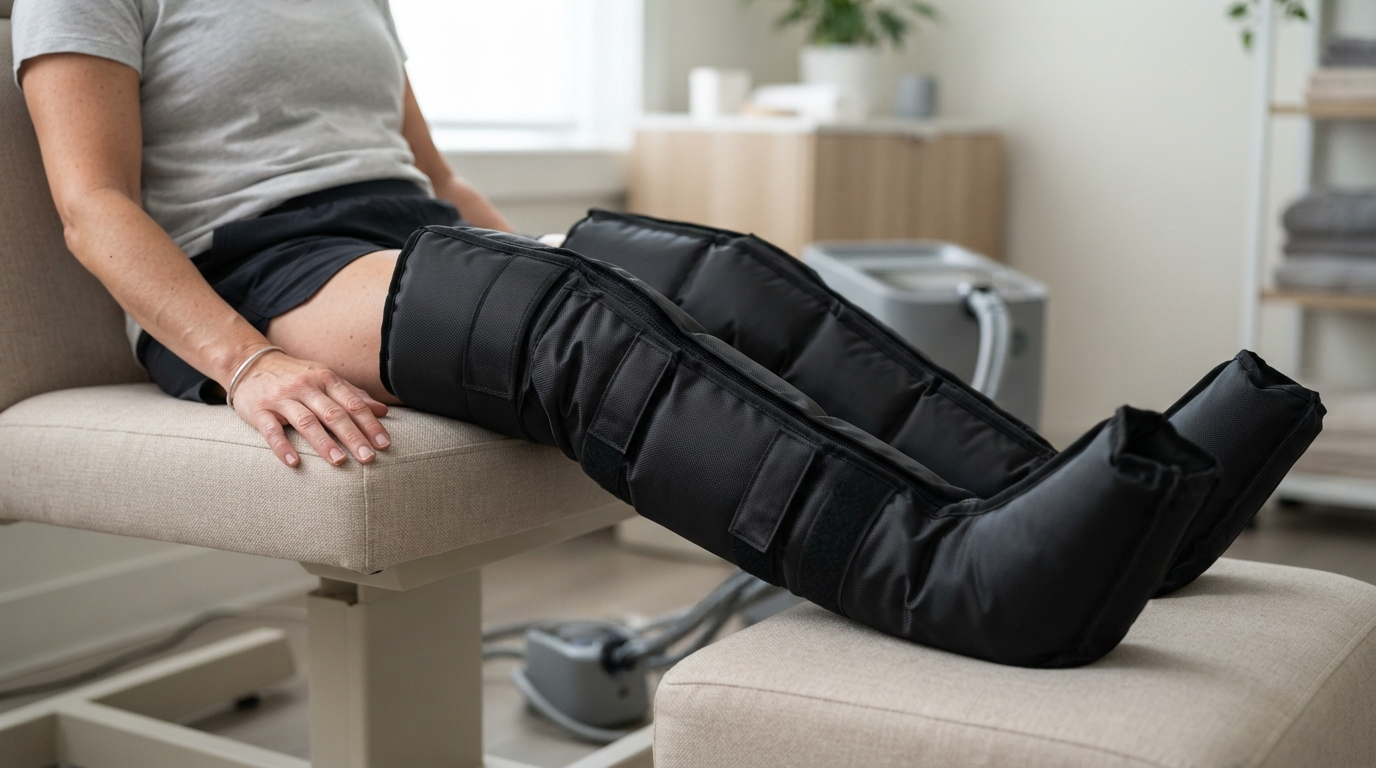
Compression boots may give you noticeable, short-term relief when your legs feel sore, heavy, or worn out. Their inflatable sleeves apply rhythmic air pressure, usually from your feet upward, which can support fluid movement and make your legs feel less tight after hard training. You may also appreciate that same soothing effect after standing all day or sitting through a long trip. That comfort is the clearest benefit found in current reviews and research. It is useful, but it is not proof that the boots are repairing damaged muscle faster.
The research on performance and recovery is far less convincing. Studies have not consistently shown that compression boots lead to faster muscle repair, greater strength, better athletic performance, or dramatically quicker recovery. Claims about rapidly clearing lactate or giving you a major edge over basic recovery methods are especially shaky. In practical terms, you should view the boots as a comfort and recovery aid, not a performance-enhancing shortcut. Sleep, enough food and fluids, and sensible active recovery still do the heavy lifting.
For a higher-priced device, the buying question comes down to how often you will actually use it. Boots may be worth considering if you train frequently, spend long hours on your feet, travel often, or value convenient passive recovery while you relax. They are less compelling if you expect one session to erase severe soreness or replace solid recovery habits. During your compression boot reviews, focus on fit, pressure control, ease of setup, noise, portability, and the return policy instead of flashy promises. The honest verdict is simple: expect temporary relief and improved comfort, not miracle-level recovery.
ClickBank Compression Boot Features Compared
When comparing qualifying ClickBank compression boots, start with the squeeze itself, not the sales copy. Check whether the pattern moves from the foot upward, whether it offers sequential or simultaneous compression, and how many pressure settings you can choose. More air chambers may create a smoother, more targeted fit, but chamber count alone does not prove better recovery. Look for clear pressure ranges, simple adjustment steps, and sleeves that fit your leg length without painful gaps or tight spots. If a listing hides these details, treat that missing information as a warning, not a feature.
Daily convenience can decide whether the boots collect dust or become part of your routine. Compare battery life, charging time, total weight, storage size, and whether the controls sit on the sleeves, a handheld unit, or a phone app. Noise matters too, especially if you plan to read, work, or relax while using them. Favor product pages that provide specific measurements and operating details instead of vague promises about portability or “powerful” performance. Remember that compression boots may help your legs feel less sore or heavy, but claims about dramatically faster repair or better athletic performance need solid evidence.
Price should reflect useful construction, not flashy extras or inflated testimonials. Before buying through a ClickBank offer, confirm what is included, inspect the warranty terms, and read the return policy for deadlines, return shipping, restocking fees, and refund conditions. A higher price may be easier to justify when the product clearly documents durable materials, practical controls, a dependable battery, and meaningful coverage after purchase. Do not invent ratings from a small review sample, and do not treat testimonials as proof of medical or performance results. If the seller will not clearly explain pressure settings, fit, warranty, or refunds, keep your money until the offer earns your trust.
Compression Boot Safety And Buying Value
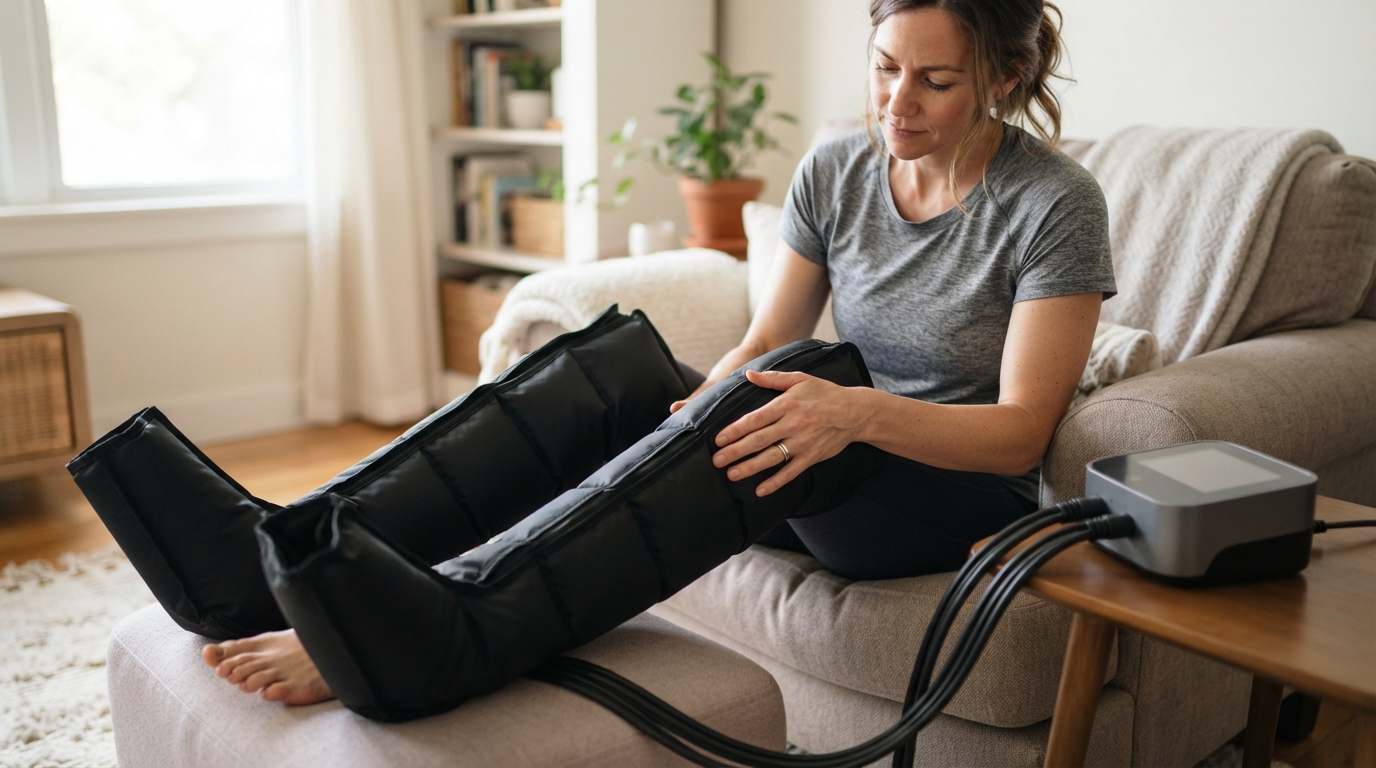
Compression boots may be most useful if you train often, work on your feet, travel regularly, or simply value recovery that requires almost no effort. Reviews consistently point to the same practical win: your legs may feel less sore, heavy, or tired after a session. That can make them appealing after hard workouts, long shifts, or a flight when you want relief without stretching or massage. The less exciting truth is that evidence for major gains in strength, performance, or muscle repair remains limited and inconsistent. Think of them as a comfort and recovery tool, not a shortcut around sleep, food, hydration, and smart training.
Safety deserves more attention than flashy pressure settings and “pro-level” claims. If you have circulation problems, a history or risk of blood clots, peripheral artery disease, significant swelling, heart or vascular conditions, reduced sensation, or another relevant health issue, ask a qualified medical professional before using compression boots. You should also get medical guidance during pregnancy or after an injury or procedure, rather than assuming compression is automatically safe. Follow the device’s instructions, start with a lower setting, and stop if you feel pain, numbness, unusual tingling, skin changes, or worsening swelling. A product review can explain features, but it cannot clear you for use.
The biggest drawback in most compression boot reviews is price, especially when you compare the likely benefit with simpler recovery habits that cost little or nothing. Paying more may buy stronger construction, easier controls, better portability, or a more comfortable fit, but it does not guarantee dramatically faster recovery. The value improves if you will use the boots regularly and genuinely enjoy passive recovery while watching television, traveling, or winding down after training. If you only exercise occasionally, renting, borrowing, or skipping the purchase may make more sense. Before buying, judge the device by how often you will use it and whether short-term relief is worth the premium.
Compression Boots Reviews Conclusion
Compression boots reviews should focus on what you will actually notice and use, not flashy promises. The features that matter most are a secure, comfortable fit, adjustable pressure, useful timing controls, easy-to-read settings, and a design that is simple to clean and store. A quiet pump and cordless or travel-friendly setup can make regular use far more realistic. Look for clear evidence behind the product’s claims, because support for major gains in strength, performance, or long-term recovery remains limited and inconsistent. The clearest benefit is usually perceived relief from sore, tired, or heavy legs after training, standing, or travel.
That relief can make compression boots worthwhile if you value passive recovery and will use them consistently, but no device replaces sleep, proper nutrition, hydration, or sensible training. Before buying, check whether the sleeve dimensions match your legs, whether the pressure range feels appropriate, and whether the warranty and refund terms are easy to find and understand. Price matters too, especially when the evidence does not justify paying extra for exaggerated recovery claims or unnecessary features. Choose a qualifying ClickBank product only when its evidence, fit, warranty, price, and convenience justify the purchase, and use httpsco for any direct affiliate product links.
Compression Boots: Helpful Recovery, Not a Miracle
Compression boots reviews point to a useful but limited role in recovery. You may notice less soreness, heaviness, and leg fatigue after training, standing for long periods, or traveling. However, claims about faster muscle repair, major performance gains, or dramatically quicker recovery are not backed by consistent evidence. Treat them as a comfort and convenience tool, not a replacement for sleep, proper nutrition, hydration, or smart training.
Before you buy, compare pressure settings, sleeve fit, session controls, battery life, warranty coverage, and the refund policy. A higher price does not automatically mean better results, so focus on features you will actually use and reviews that explain real-world comfort and durability. If easier nutrition would support your recovery routine too, use a simple meal-prep plan to help you stay consistent. Make the purchase only if the practical relief and convenience justify the cost for your routine.
Frequently Asked Questions
1. What are compression boots, and how do they work?
Compression boots are inflatable leg sleeves that squeeze your feet and legs in sections, usually moving upward. This rhythmic pressure may help you feel less sore, heavy, or tired after exercise, long shifts, or travel. They are recovery tools, not miracle machines.
2. Do compression boots actually speed up muscle recovery?
They may provide short-term relief from soreness and leg fatigue, but strong proof of dramatically faster muscle repair is lacking. Claims about major gains in strength, performance, or recovery should be treated carefully. Comfort and temporary relief are the most believable benefits.
3. What should you look for in compression boots reviews?
Focus on pressure settings, sleeve fit, comfort, controls, noise, battery life, portability, warranty coverage, and the refund policy. A flashy sales page proves nothing by itself. Look for clear product details and realistic claims, especially when comparing ClickBank-eligible products.
4. Are compression boots safe for everyone?
They are not suitable for everyone, especially people with circulation problems, blood clots, serious heart conditions, unexplained leg swelling, or certain vascular disorders. Ask a healthcare professional before using them if you have a medical condition or take medicines that affect clotting. Stop immediately if you feel pain, numbness, unusual swelling, or skin discoloration.
5. How often and how long should you use compression boots?
Follow the instructions supplied with the specific device, and start with a comfortable pressure and shorter session. Many people use them after training, during recovery, or after long periods of sitting or standing. More pressure and longer sessions are not automatically better, so do not chase an aggressive squeeze.
6. Are expensive compression boots worth the price?
The answer depends on how often you will use them and whether the comfort justifies the cost. Higher prices may buy better fit, easier controls, quieter operation, stronger battery life, or a better warranty, but they do not guarantee better recovery results. Compare verified features, total cost, and the refund terms before you buy through a ClickBank offer.
7. Can compression boots replace rest, movement, or medical care?
No. They may support comfort, but they cannot replace sleep, proper training recovery, hydration, movement, or treatment for an injury or medical condition. Treat them as an optional recovery tool, not a shortcut around the basics.