

Meal delivery pricing can look cheap until shipping, premium ingredients, taxes, and surprise fees raise the total. The current U.S. snapshot puts the median at about $11.49 per serving. Meal kits average closer to $8.74, while prepared meals average $13.62. Those figures matter, but only when you know what they include.
Your real cost depends on more than the bold price on the menu. Plan size, ZIP code, delivery charges, promotions, and meal choices can quickly change the math. This breakdown cuts through the sales pitch so you can compare options honestly and see what you will actually pay.
Key Takeaways
- Meal kits average about $8.74 per serving, while prepared meals average about $13.62, with a broader U.S. median near $11.49. Meal kits cost less but require cooking and cleanup; prepared meals cost more but provide greater convenience.
- Calculate the real cost by adding delivery, taxes, premium ingredients, add-ons, and other fees, then dividing the full order total by the servings you will actually eat.
- Evaluate plans using your full weekly or monthly cost, portion sizes, delivery frequency, and potential food waste—not just the advertised per-serving price. A larger plan may lower the unit price but cost more if meals go unused.
- Treat introductory discounts as temporary and verify the regular renewal price, auto-renewal terms, skip deadlines, minimum orders, and cancellation rules before subscribing.
Introduction To Meal Delivery Pricing
Meal delivery pricing is less straightforward than the big number shown in an ad. In a June 2026 U.S. snapshot, the median cost was about $11.49 per serving. Meal kits averaged $8.74, while fully prepared meals averaged $13.62. Treat these figures as starting points, not promises. Your ZIP code, plan size, serving count, and menu choices can change the total. Premium proteins, larger portions, taxes, promotions, and delivery fees can all push your bill higher.
Meal kits usually cost less per serving, but you pay with your time because you still have to cook and clean up. Prepared meals cost more per serving, yet they can offer better value when convenience helps you avoid takeout or wasted groceries. Restaurant delivery may look affordable until service fees, small-order fees, taxes, tips, and delivery charges appear at checkout. Compare the final weekly or monthly total, not just the advertised price per meal.
Before you commit, check whether the service requires a recurring plan, how easy it is to skip or cancel deliveries, and whether discounts end after the first order. Divide the full charge by the number of servings you will actually eat, then compare that figure with your grocery or restaurant budget. A low introductory offer may save money for one week but cost much more later. The best value is the plan that fits your portions, schedule, and budget after every fee is included.
Meal Kit And Prepared Meal Costs

Meal kit pricing usually falls into two bands. Budget plans run about $5 to $9 per serving, while mainstream options cost closer to $8 to $12. These boxes include measured ingredients and recipe cards, so you still handle the chopping, cooking, and cleanup. In a June 2026 review of major U.S. services, meal kits averaged $8.74 per serving. Treat that figure as a useful benchmark, not a guaranteed checkout price. Plan size, premium ingredients, shipping, taxes, and promotions can all change the total.
Prepared meals cost more because the cooking is already done for you. You will typically pay about $11 to $16 per serving for a refrigerated or frozen entrée that only needs reheating. The June 2026 average reached $13.62. That higher price may make sense if you value speed, portion control, and less cleanup, but it can feel steep when portions are small or delivery fees are added. Check whether the listed price covers a full meal rather than a side dish, snack, or small single portion.
Your real weekly cost depends on more than the advertised per-serving price. Before choosing a plan, check the serving size, number of meals, delivery charge, taxes, premium-item markups, skip or cancellation rules, and minimum order. A $9 meal kit may beat a $14 prepared meal on paper, but the prepared option could offer better value if it replaces takeout and saves you several hours each week. Use the advertised rate as a starting point, then calculate the full recurring total for the meals you will actually eat.
Delivery Fees And Order Minimums
Delivery fees of about $10 to $20 per box can change the math quickly, especially when you order only two or three servings. A box advertised at $60 may cost $70 to $80 after shipping, pushing the real price per serving well above the headline rate. The fee often stays the same whether your box is small or large, so bigger orders may offer better value. Before comparing plans, divide the full checkout total by the number of servings you will actually eat.
Order minimums can force you to spend more than planned, but they may also unlock lower shipping rates or free delivery. Check whether the minimum applies before discounts, after discounts, or only to food items, because those rules can change your final bill. A free-delivery threshold sounds helpful, but spending an extra $15 to avoid a $12 fee is not a savings unless you will use the added meals. Review shipping promotions carefully, since they may apply only to your first box or require a recurring subscription.
Your weekly estimate should include the food total, delivery charge, sales tax, and add-ons such as premium proteins, extra portions, desserts, or snacks. For example, a $75 weekly order with a $15 delivery fee and $6 in taxes becomes $96, or about $384 over four weeks before extras. Write down the regular price after introductory offers end, then compare that monthly total with the number of servings and your likely food waste. This simple check reveals the real meal delivery cost instead of letting a flashy per-serving deal make the decision for you.
Portion Sizes And Monthly Meal Budgets
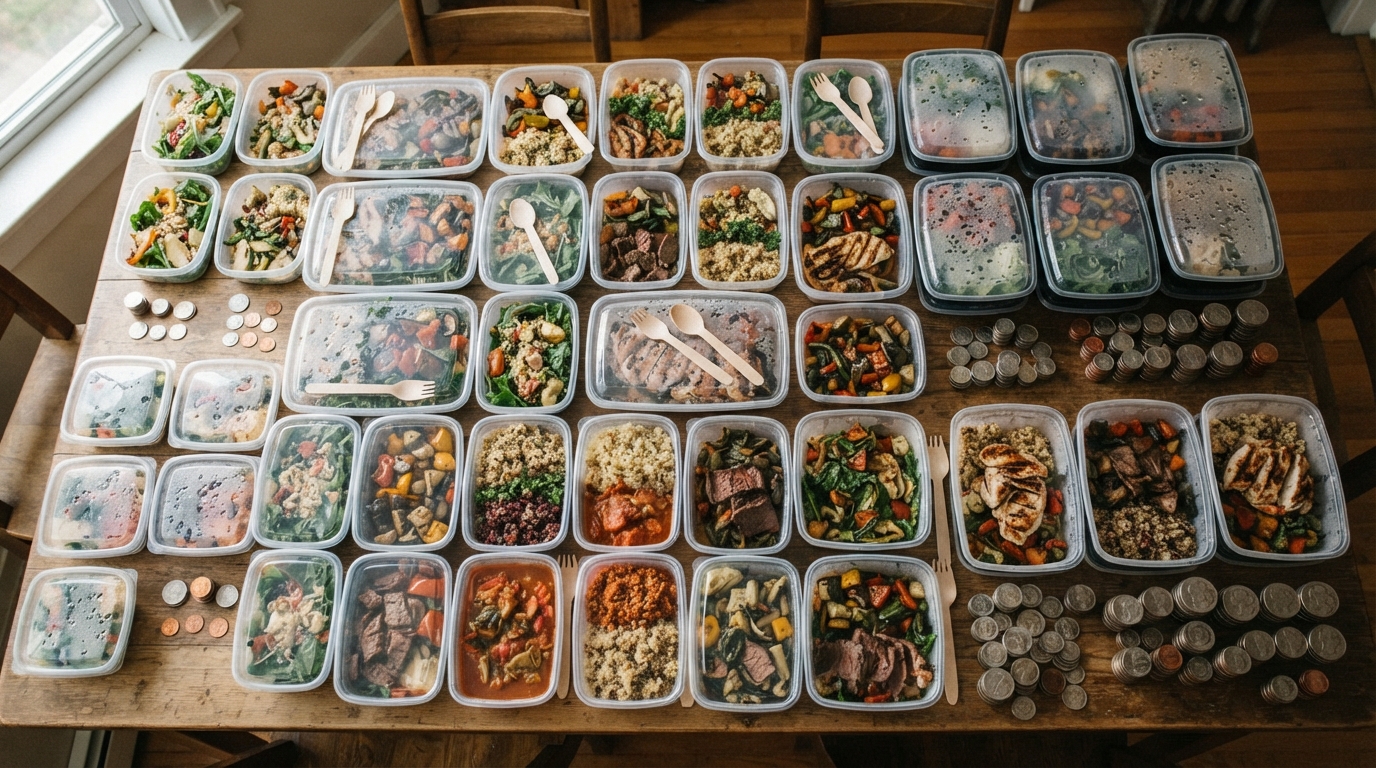
The listed price per serving is not the same as the cost of a complete meal. A meal kit may average about $8.74 per serving, while prepared meals average closer to $13.62 before shipping, taxes, and premium choices. Check whether one serving will fill you up, especially if you have a larger appetite or want leftovers for lunch. A two-serving recipe may feed two adults, but smaller portions could turn it into one dinner with leftovers rather than two full meals.
Your monthly total depends heavily on plan size and delivery frequency. Ordering four dinners each week usually costs less per meal than ordering only two, but a larger box may create waste if you cannot use it in time. As a rough U.S. planning estimate, one person might spend $160 to $300 per month, a couple $320 to $600, and a family of four $650 to $1,200 for about four weekly dinners, including a reasonable allowance for delivery fees. Prepared meals often land near the higher end, while basic meal kits tend to cost less per serving but require your time and extra pantry staples.
Before choosing a plan, calculate the real monthly bill, not the promotional headline. Multiply the number of servings you will actually eat each week by the full per-serving cost, then add delivery, taxes, premium-protein charges, and any skipped-week or cancellation rules. For example, a couple paying $12 per serving for eight servings weekly spends about $413 per month before shipping. A $10 delivery charge per box can push the total above $450. That quick calculation shows whether the service fits your budget or only looks affordable during its introductory offer.
Introductory Deals And Long Term Pricing
First-box promotions can cut your opening cost by roughly 30% to 50%, making a meal delivery service look like a bargain. That discount may apply only to selected plans, serving sizes, or the first few deliveries, so do not treat it as the normal price. Check whether the offer covers shipping, taxes, premium ingredients, and add-ons, because those charges can quickly reduce your savings. Compare the total checkout cost, not just the bold price shown in the promotion.
Standard rates usually begin after the introductory deliveries, and that is when your real budget gets tested. Before subscribing, find the renewal price for each box, then divide the total by the number of servings to see your true cost per portion. Meal kits may look cheaper than prepared meals, but you also need to account for your time, portion size, delivery fees, and premium meal charges. A low weekly headline price means little if you regularly pay extra for larger portions or upgraded proteins.
Read the account and cancellation details before you sign up, especially if the offer creates an ongoing subscription. Confirm when you can cancel, whether you must skip a box by a specific deadline, and whether pausing stops all charges or only delays delivery. Look for minimum order requirements, auto-renewal language, contract terms, and refund rules on the checkout page and in the confirmation email. If the long-term price no longer fits your budget, cancel or pause before the next billing cutoff instead of relying on a customer service exception.
Meal Delivery Pricing Value Takeaways
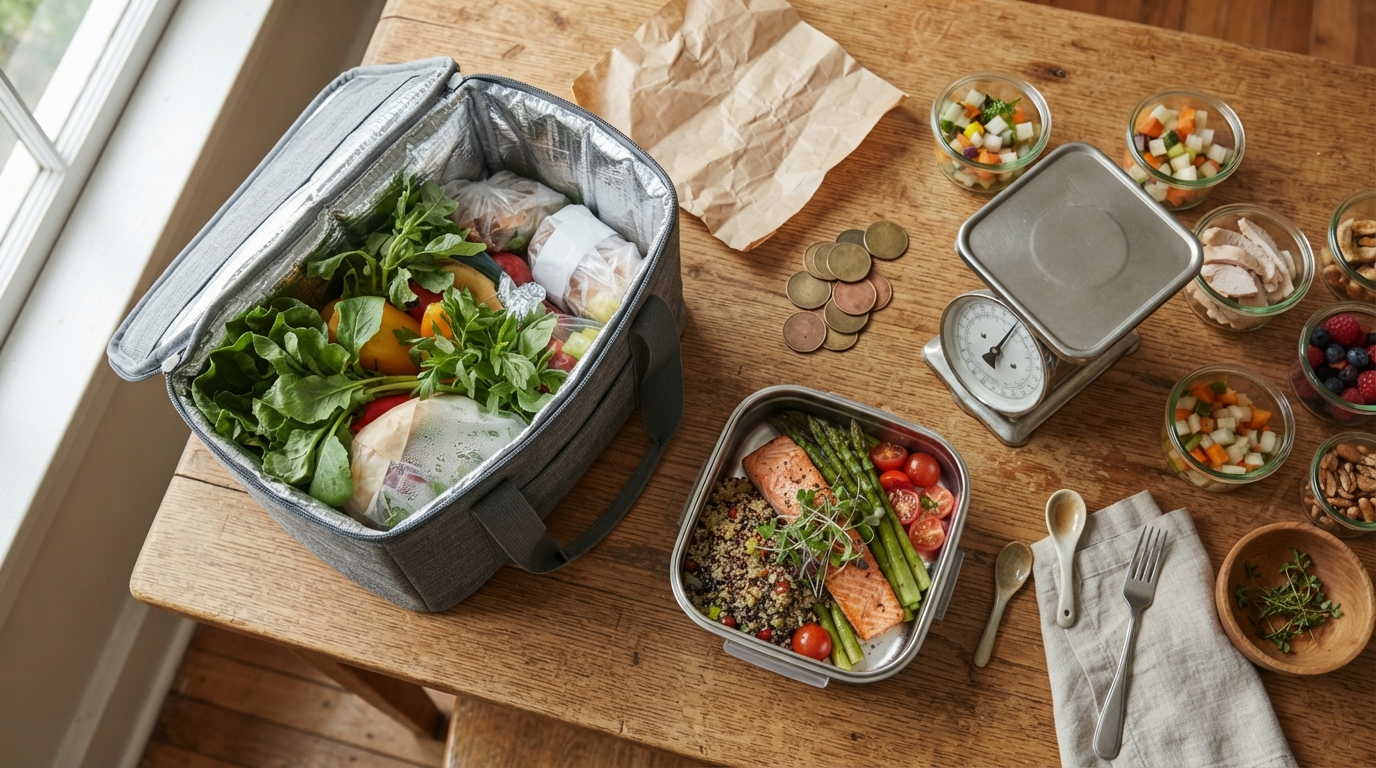
Your true per-meal cost is more than the price shown on the menu. Add the food or meal price, shipping, taxes, and extras such as premium ingredients, add-ons, or skipped-delivery fees. Then divide the total order cost by the number of servings you will actually eat. For example, a $10 meal with $10 shipping, $4 in taxes, and a $6 add-on costs $30 total, or $15 per serving if the order contains two meals. Check whether the advertised price assumes a larger plan, a first-order discount, or a minimum commitment. These details can change your recurring cost.
The lowest advertised price is not automatically the best value. Compare what you get for each serving, including portion size, ingredient quality, preparation time, and how much food you actually use instead of waste. Then estimate your full monthly spending based on your usual order size, delivery schedule, and any extra meals or upgrades. A slightly higher per-meal price may be worth it if it saves time, provides larger portions, or reduces the temptation to order more expensive takeout.
Know What You’ll Really Pay
Meal delivery pricing depends on more than the advertised price per serving. In the current U.S. market, meal kits average about $8.74 per serving, while prepared meals average about $13.62, with a broader median near $11.49. Your total can rise with smaller plans, premium ingredients, taxes, delivery fees, and add-ons. Restaurant delivery may seem convenient, but service fees, small-order charges, and tips can make the final bill much higher than the menu price.
The smartest comparison uses your full weekly cost, not a tempting introductory discount. Check portion sizes, shipping rules, minimum orders, cancellation terms, and the regular price after promotions end. Then compare that total with the value of your time, grocery trips, cooking effort, and food waste. For a practical next step, explore our Best Meal Prep Services To Save Time And Energy to find options that fit both your routine and your budget.
Frequently Asked Questions
1. What is the average cost of a meal delivery service?
In the June 2026 U.S. snapshot, the median price is about $11.49 per serving. Meal kits average around $8.74 per serving, while fully prepared meals average about $13.62. Your final price can be higher after delivery fees, taxes, premium ingredients, and larger portions.
2. Are meal kits cheaper than prepared meal delivery?
Usually, yes. Meal kits average less per serving, but you still need to cook and clean up. Prepared meals cost more, yet the extra convenience may be worth it if they help you avoid takeout, skipped meals, or wasted groceries.
3. What extra fees can raise my meal delivery bill?
Shipping or delivery fees, taxes, premium ingredient charges, and larger-portion costs can all increase your total. Some services also apply small-order fees or charge more based on your ZIP code. Check the final checkout screen, not just the advertised price per serving.
4. How should I calculate the real cost per serving?
Add the food price, delivery charge, taxes, and other fees to find your full order total. Then divide that number by the actual servings you expect to eat. This gives you a more honest comparison with groceries, takeout, or restaurant delivery.
5. Do meal delivery discounts last forever?
Usually not. Many services offer a strong first-order promotion, then charge the regular price on future deliveries. Check when the discount ends, what the recurring rate will be, and whether shipping stays free after the introductory period.
6. Does the size of my meal plan affect pricing?
Yes. Larger plans often reduce the advertised price per serving, but they also create a bigger weekly charge. Choose a plan based on how much food you will actually eat, because unused meals can erase any per-serving savings.
7. Can my ZIP code change the price of meal delivery?
Yes. Delivery charges, available menus, taxes, and service coverage can vary by ZIP code. Enter your address before comparing services so you can see the price you will really pay instead of relying on a national advertised rate.
8. What should I check before signing up for a meal delivery service?
Confirm whether the plan renews automatically, how easy it is to skip a week, and how cancellation works. Review the regular price after promotions, delivery fees, serving sizes, and premium meal charges. A cheap first box means little if the ongoing cost is too high for your budget.