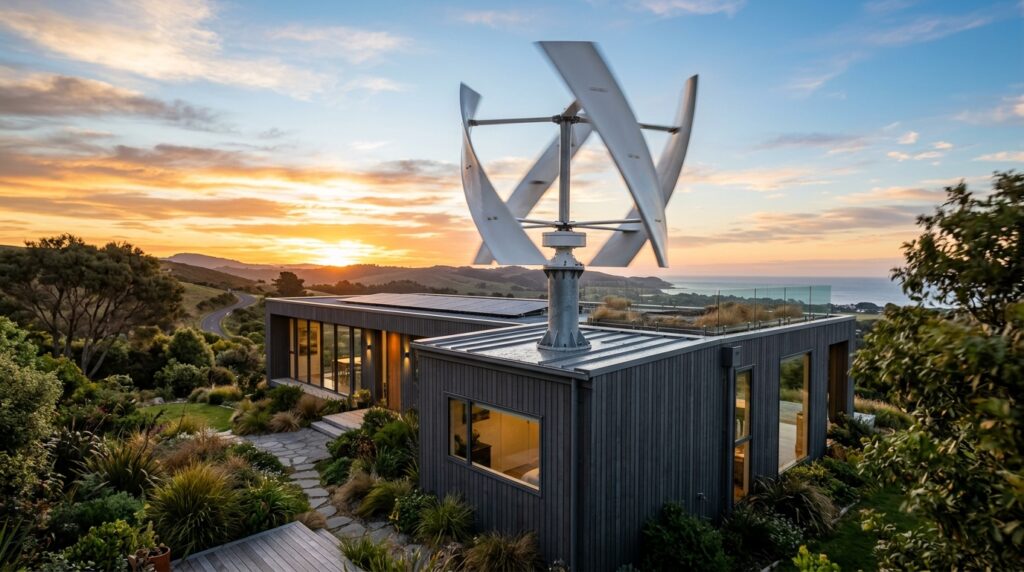
You’re likely tired of seeing massive, bird-swatting windmills and wondering why clean energy has to be so complicated and loud. The market for the best vertical wind turbine is exploding because people like you want power that actually works in a backyard or on a cramped city rooftop. These sleek, quiet machines don’t care which way the wind blows; they just grab energy from the air and slash your utility bills without the neighborhood drama.
We’ve waded through the sea of flashy marketing fluff and overhyped sales pages to find out which models actually deliver on their promises. You need the grit on what survives a storm and what really keeps the lights on when the grid fails. It’s time to stop guessing and start looking at the hardware that turns chaotic gusts into steady, reliable home power.
Key Takeaways
- Prioritize low start-up speeds and real-world efficiency over peak power ratings, as consistent energy production in chaotic urban winds is more valuable than rare high-wattage bursts.
- Vertical axis turbines are the superior choice for residential and urban environments because they operate quietly, handle multidirectional turbulence, and require less space than traditional horizontal models.
- Match the turbine size to your specific site conditions rather than chasing the highest output; a reliable 1,500W unit often outperforms an oversized 10KW model in locations with lower or obstructed wind speeds.
- Ensure long-term ROI by focusing on mechanical simplicity and rugged durability to withstand storms, while always consulting an electrician for installation to avoid safety risks.
Top Rated Vertical Wind Turbines For 2026
You have likely seen the flashy marketing videos of sleek turbines spinning silently on urban rooftops, but we are here to see which models actually hold up when the wind gets gusty. High-output 10KW models are currently dominating the conversation because they promise a massive 10,000W output that can theoretically take a huge bite out of your monthly utility bill. While the sales pages make it look like a plug and play miracle, you need to ensure your local wind speeds actually hit the sweet spot to trigger those high efficiency numbers. It is a solid, heavy duty choice for the serious homeowner, but do not let the polished finish distract you from the reality of your specific installation site.
If you are looking for something that punches way above its weight class without the premium price tag, a reliable 1,500W unit is the scrappy underdog you should be watching. These units are constantly outperforming more expensive, over engineered models in real world tests because they focus on simple mechanical reliability over complex bells and whistles. It is perfect for off grid setups or DIY enthusiasts who want a system that is easy to maintain and actually turns a profit on their energy investment. We love seeing a mid range option prove that you do not always have to spend five figures to get a turbine that survives a rough storm.
Choosing the right vertical turbine means cutting through the fluff and looking at how these machines handle chaotic gusts and swirling air in crowded neighborhoods. Specialized urban designs are specifically built to thrive in those messy environments where traditional horizontal blades would just stall out. You want a model that starts spinning at low speeds and does not vibrate your entire house when the wind finally picks up. Forget the hyped up promises of “free energy forever” and focus on these battle tested models that prioritize durable bearings and honest power curves.
Vertical Turbine Efficiency In Urban Environments
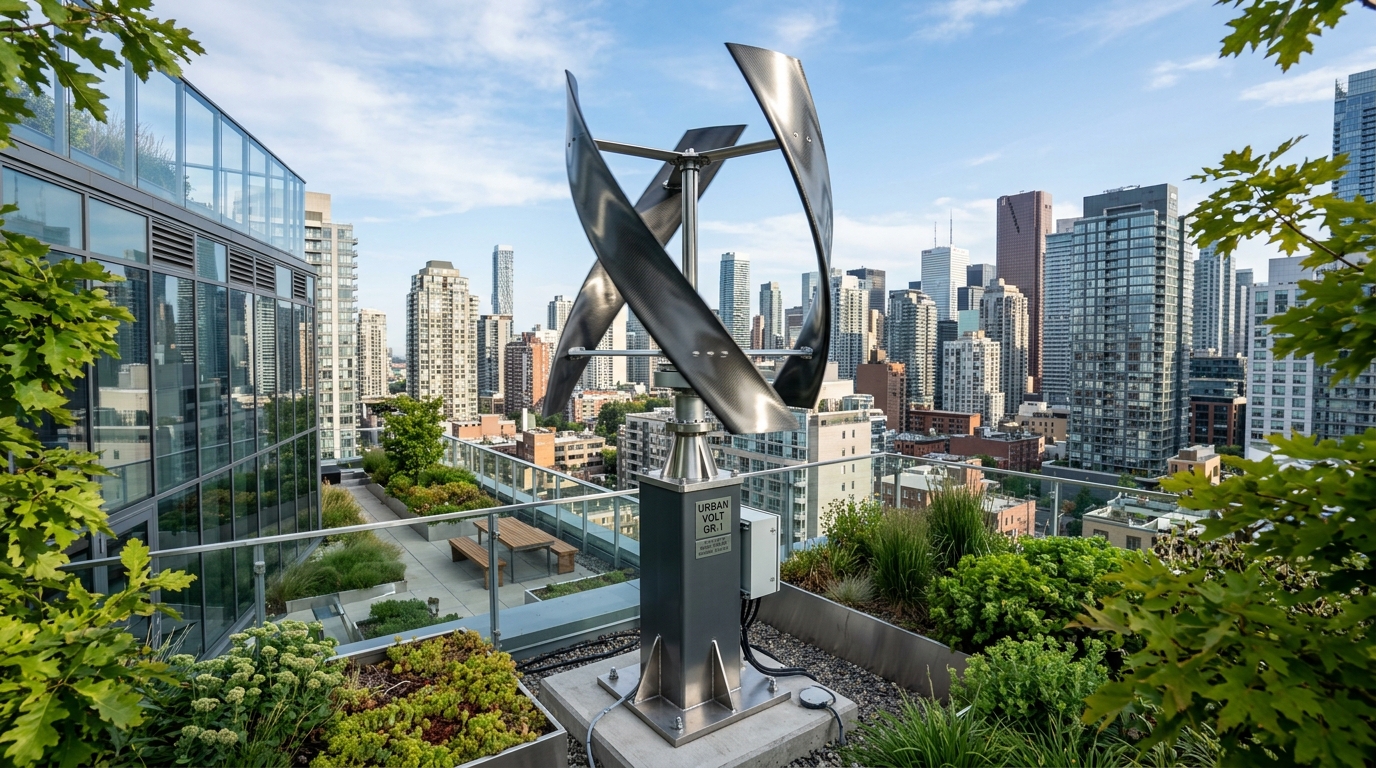
City winds are a chaotic mess of swirls and sudden gusts that would make a traditional horizontal turbine give up in seconds. When you are looking for the best vertical wind turbine for an urban rooftop, you have to stop obsessing over peak power ratings that only happen in a perfect laboratory. In the real world, your turbine needs to be a low-wind hero that can catch a breeze from any direction without needing to reposition itself. Leading models are winning the game right now because they prioritize a low start-up speed over raw, unattainable wattage. You want a machine that starts spinning while the neighbor’s unit is still sitting dead still, because consistent small gains beat rare high bursts every single time.
We have spent years watching marketing teams inflate their numbers, but the truth is that urban energy is won or lost in the cut-in speed. If a turbine requires a gale-force wind just to start generating a trickle of power, it is essentially an expensive lawn ornament for most city dwellers. You should be interrogating the specs to see how the unit handles multidirectional turbulence, which is why vertical designs are the only logical choice for tight spaces and jagged skylines. These units are built to be quiet and vibration-free, making them perfect for residential areas where you do not want to annoy the people living next door. By focusing on durability and real-world efficiency, you can finally stop feeding the grid and start taking control of your own power bill.
Selecting Your Ideal Vertical Axis Setup
Choosing the best vertical wind turbine isn’t just about picking the biggest number on a spec sheet, because an oversized unit on a cramped suburban lot is just an expensive lawn ornament. You need to look at your property layout with a critical eye to see where the wind actually flows without hitting a wall or a tree. Most high-performance models, like the heavy-hitting 10KW options or the nimble mid-range units, require specific site conditions to catch those messy urban drafts. If you mount a massive turbine in a wind shadow, you are essentially throwing money into a dead zone where the blades will never reach their rated potential. We have seen too many people get blinded by max output claims while ignoring the reality of their own backyard wind speeds.
Matching your power needs to the local environment is where most buyers get tripped up by flashy marketing fluff. A compact 1,500W model often outperforms a much larger system in real-world residential tests because it has lower start-up speeds and handles chaotic turbulence better. You want a setup that starts spinning in a light breeze rather than one that sits idle waiting for a hurricane just to jumpstart the magnets. Don’t let a slick sales page convince you that more weight equals more power, especially if you are installing on a rooftop where vibration and structural integrity matter. Efficiency in the vertical axis world is all about consistency, so pick a model that fits your specific footprint and keeps the lights on without demanding a gale-force wind.
Real-world durability is the final piece of the puzzle that separates the legitimate hardware from the flimsy plastic junk flooding the market. Look for customizable blade configurations and rugged housing that can survive the grit and grime of a decade outdoors without seizing up. High-quality systems are built to be whisper-quiet, which is a non-negotiable feature if you have neighbors within earshot of your green energy project. We prioritize units that balance raw wattage with smart engineering, ensuring your investment actually pays for itself over time through steady production. Selecting your ideal setup means being honest about your space and choosing the tool that works for your unique climate instead of chasing a hypothetical peak performance number.
The Best Vertical Turbines Worth Your Cash
Choosing the right vertical wind turbine comes down to how much power you actually need versus how much space you have on your roof. If you want the absolute powerhouse of the year, a high-capacity 10KW model is the undisputed heavyweight champion for residential energy. It handles the chaotic wind patterns of urban life without making a sound, making it perfect for neighborhoods where traditional turbines would cause a headache. For those on a tighter budget who still want reliable performance, a mid-range 1,500W unit punches way above its weight class in real world testing. You do not need a degree in engineering to get these systems running, you just need a clear spot with good airflow and the drive to stop paying the power company for every single kilowatt.
Generating your own clean energy is a massive step toward independence, but it is just one piece of the puzzle when it comes to managing your modern life and finances. While you are busy cutting down your monthly utility bills, you should also look for ways to streamline your daily routine and free up more of your personal time. Finding the right balance between sustainability and efficiency is the secret to a stress free lifestyle. Just as you might worry about solar panel maintenance cost when building a green home, finding the right balance between sustainability and efficiency is the secret to a stress free lifestyle. If you are looking for even more ways to optimize your schedule while your new turbine spins in the background, check out our guide on the Best Meal Prep Services To Save Time And Energy to discover how we can help you reclaim your hours.
Frequently Asked Questions
1. Are vertical wind turbines really better than the old school windmills?
Vertical turbines are the clear winners for homes because they do not care where the wind is coming from. They are much quieter than traditional horizontal blades, meaning you can actually sleep at night without hearing a constant whooshing sound. Plus, they take up way less space on a roof or in a small backyard.
2. Will a 10KW turbine actually power my entire house?
While 10,000W sounds like a dream, you only hit those numbers if your wind speeds are consistently high. It is a heavy duty workhorse that can slash your bills, but you have to be realistic about your location before expecting it to kill your utility bill entirely. Check your local wind maps to see if you have the gusty power needed to feed this beast.
3. Is a 1,500W model worth it if it has less power than other models?
A 1,500W unit is a total steal because it focuses on simple, mechanical reliability instead of fancy gimmicks. It often beats out expensive models in real world tests because it actually stays running when things get rough. If you want to understand the real cost of these systems before buying, it is essential to look at long-term maintenance and ROI.
4. Can I install these myself or do I need a pro?
Many of these units are marketed as plug and play, but do not let the flashy videos fool you. While a handy person can handle the physical mounting, you should definitely have an electrician look at your wiring to keep things safe. Before starting any major project, you might wonder are DIY solar blueprints worth the investment for your home as well. Cutting corners on the install is the fastest way to turn a great turbine into a very expensive lawn ornament.
5. Do these turbines make a lot of noise that will annoy my neighbors?
One of the biggest perks of vertical designs is how whisper quiet they stay compared to traditional turbines. Because the blades spin on a central axis, they do not create that annoying rhythmic thumping sound that leads to neighborhood drama. You get the clean energy you want without becoming the person everyone avoids at the block party.
6. How do I know if my backyard is actually windy enough?
You need to stop guessing and look at the actual wind flow around your property, especially near tall trees or other buildings. Most vertical turbines need a steady breeze to start spinning, so mounting them higher up is usually the secret to success. If your area is a total dead zone for wind, no amount of high tech hardware is going to fix that. When considering backup options, comparing a solar generator vs gas for emergency home power can help you decide which system best complements your wind setup. You should also be careful not to waste money on DIY solar kits that don’t work for your specific energy needs.