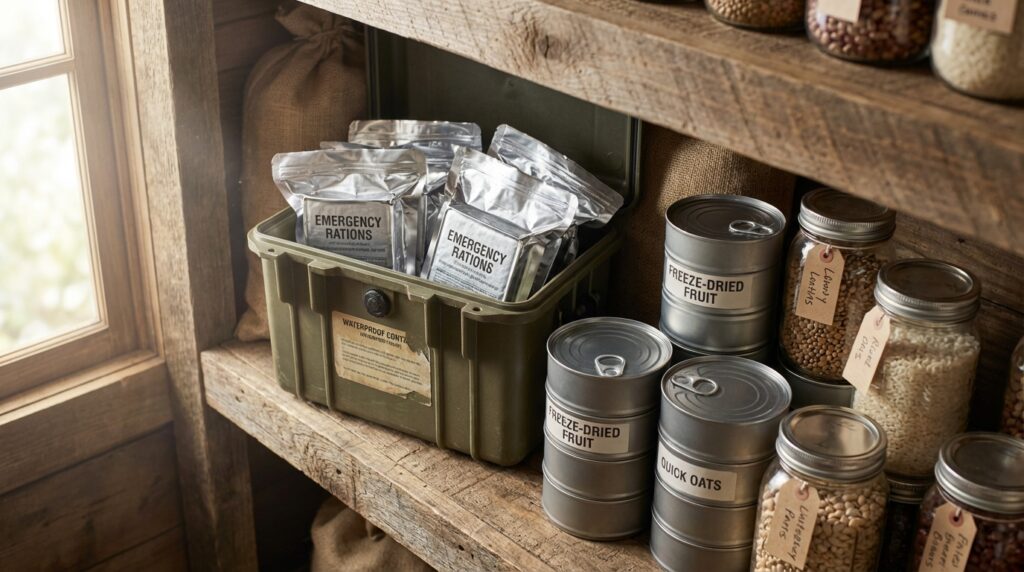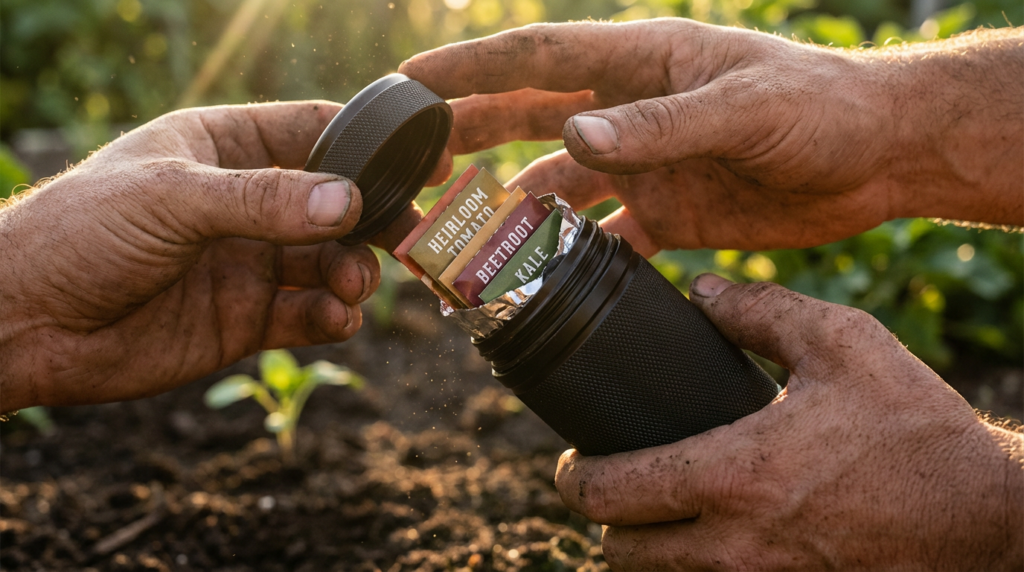
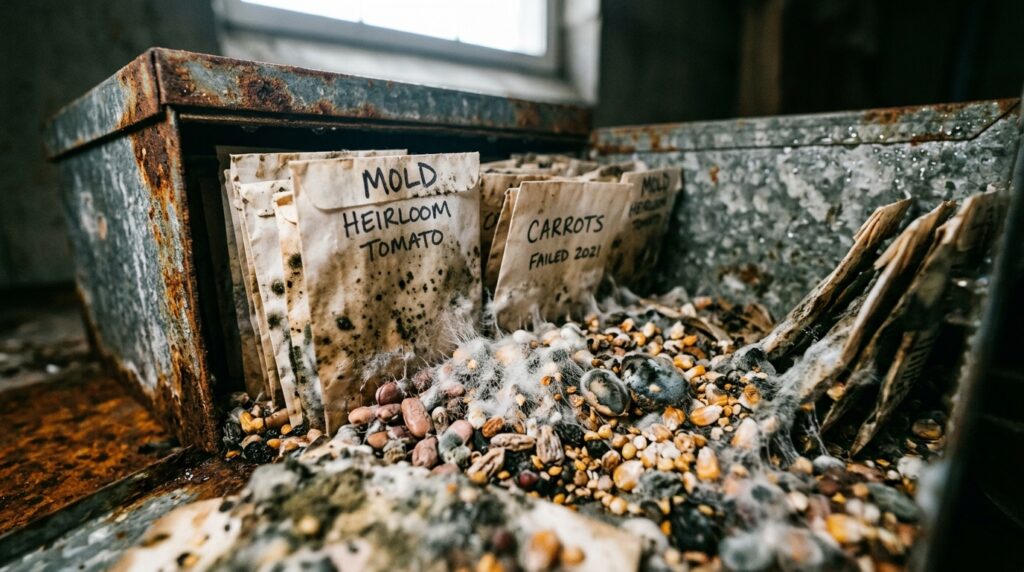
You’ve seen the flashy survival seed vaults wrapped in shiny Mylar that promise a lifetime of food security with zero effort. It’s a comforting thought, but most of those kits are ticking time bombs of disappointment because of common prepper seed bank mistakes that can leave your garden empty when you need it most. We’ve interrogated the marketing hype and found that treating your seeds like a set it and forget it insurance policy is the fastest way to end up with a bucket of dead husks.
Seeds are living organisms, not static hardware, and they don’t care about your five-year plan if they aren’t stored with precision. You need to stop looking at your seed bank as a hidden treasure chest and start seeing it as a rotating pantry that requires active management. We’re cutting through the fluff to show you how to avoid the technical blunders that ruin germination rates before you even break ground.
Key Takeaways
- Treat seeds as living organisms in a rotating pantry rather than a static insurance policy, as they require active management and regular replacement to maintain germination viability.
- Avoid using oxygen absorbers in seed storage because they suffocate the living embryos; use silica gel packets instead to control moisture without killing the seeds.
- Prioritize heirloom and open-pollinated seeds over F1 hybrids to ensure you can harvest and replant seeds that grow true to type for long-term food security.
- Reject the ‘set it and forget it’ mentality by performing regular germination tests and practicing gardening skills now to ensure success during a real crisis.
The Fatal Buy And Forget Mentality
You might think that tossing a pre-packaged seed vault into your basement is a one and done insurance policy for your family, but that is a dangerous gamble. Seeds are not like canned beans or white rice, because they are living organisms with a ticking biological clock that starts the moment they are harvested. If you treat your seed bank like a static museum piece, you are likely setting yourself up for a garden full of dirt and zero sprouts when you need them most. Many people open their emergency kits years later only to find that their survival stash has completely lost its ability to germinate. You need to be an active participant in your food security rather than just a collector of expensive boxes.
The truth is that the buy and forget mindset is exactly what low-quality vendors want you to adopt so they can sell you old, subpar inventory. High-quality survival seeds require a strategy of constant rotation where you actually plant, harvest, and replenish your stock every few years. This ensures that you always have fresh, high-germination seeds ready for a crisis while also helping you practice your gardening skills. If you are not performing germination tests every season, you are essentially betting your life on a product that might already be dead. Real preparedness means knowing your seeds will grow because you have already seen them thrive in your own backyard.
When you are ready to stop playing games with your survival, you should look for professional-grade options like the Medicinal Garden Kit or The Self-Sufficient Backyard available through httpsco. These resources offer more than just a bag of seeds, providing the actual blueprints and high-viability plants needed to sustain a real homestead. Instead of falling for the marketing fluff of generic vaults, focus on vetted systems that prioritize seed health and long-term sustainability. We have seen too many people get burned by flashy packaging, so make sure you are investing in products that value transparency and actual results. Don’t let a set it and forget it mistake turn your emergency plan into a total disaster.
Suffocating Your Seeds With Oxygen Absorbers
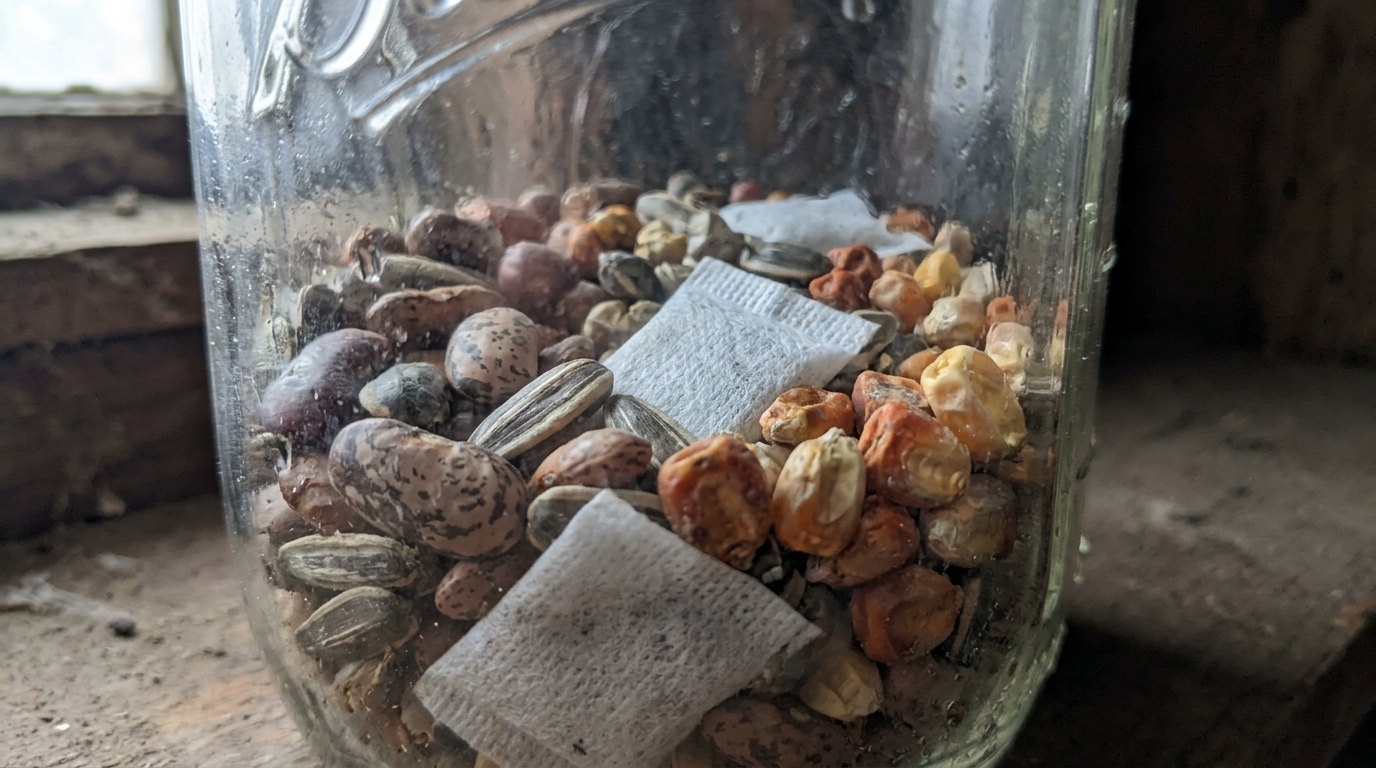
You might think you are doing your seeds a favor by sucking out every last bit of air, but you are actually sealing their death warrant. Oxygen absorbers are fantastic for your beans and rice, yet they are a total disaster for living seed embryos. These tiny organisms need a microscopic amount of respiration to stay alive while they wait for planting season. When you strip away all the oxygen, you effectively suffocate the life right out of them. By the time you open that vault in a crisis, you will likely be staring at a pile of dead, non-viable dust.
The real secret to long-term storage is controlling moisture, not air, which is why silica gel is your only true friend in the bunker. High humidity is the primary enemy that triggers rot or premature aging, so you want to keep things bone-dry without killing the embryo. Silica gel packets pull excess moisture out of the environment while leaving enough air for the seeds to breathe comfortably. This setup ensures that your investment stays dormant but ready to spring into action when the soil gets warm. It is a simple switch that makes the difference between a thriving garden and a total crop failure.
Stop falling for the marketing hype that suggests your seed bank needs to be vacuum-sealed like a piece of dehydrated beef. Many of those pre-packaged survival vaults use these aggressive preservation methods because they prioritize shelf life on a retail shelf over actual germination success. If you want to be a smart buyer, you need to interrogate the storage methods used by the brands you trust. Always opt for setups that focus on moisture desiccation rather than oxygen deprivation. Your future food security depends on your ability to tell the difference between a preserved snack and a living, breathing plant.
The Trap Of Sterile Hybrid F1 Seeds
You might think you are scoring a bargain by grabbing those cheap packets at the local big box store, but you are actually walking into a strategic dead end. Most commercial seeds are F1 hybrids, which are specifically engineered to produce a great crop for exactly one season. The problem starts when you try to save the seeds from that harvest to plant next year. Because these plants are genetic crossovers, their offspring will be unpredictable, weak, or completely sterile. You cannot build a permanent food supply on a foundation that refuses to reproduce itself.
Heirloom seeds are the only real solution if you want a garden that lasts for generations instead of just months. These open-pollinated seeds have been passed down for decades because they grow true to type every single time you plant them. When you harvest an heirloom tomato, you can dry those seeds and know with absolute certainty that next year’s crop will be just as hardy and delicious. This self sustaining cycle is what separates a true survivalist from someone who is just playing at gardening. You need a survival seed vault that acts as a living resource rather than a one time handout.
Don’t let flashy marketing and high yield promises fool you into buying seeds that leave you hungry in the long run. Many pre packaged survival kits are stuffed with these useless hybrids because they are cheaper for the manufacturer to source in bulk. You have to be the skeptical insider who looks past the colorful labels to check for that heirloom or open pollinated certification. Investing in the right genetics today means you won’t be left with a handful of useless dust when the grocery store shelves finally go dark. It is about taking control of your future by choosing plants that actually want to survive.
Spotting Low Quality Prepackaged Survival Vaults
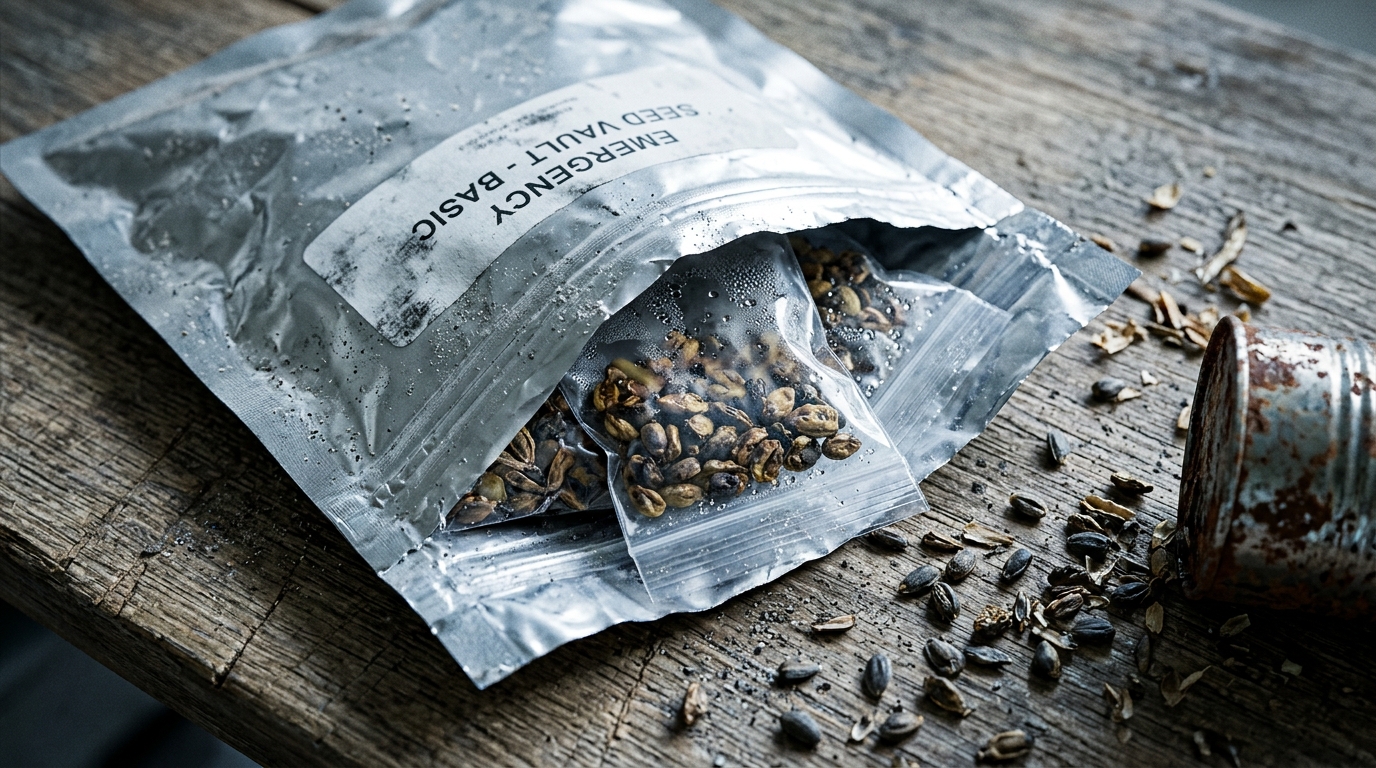
You have seen those shiny Mylar bags and plastic buckets plastered with survival labels and 25-year shelf life promises, but most of them are nothing more than marketing fluff. Many of these prepackaged vaults are filled with cheap filler seeds like radishes or lettuce that are easy to pack but won’t actually keep your family full in a crisis. These companies bank on the fact that you will shove the bucket in a closet and never check the germination rates until it is far too late. If the sales page is more focused on scary countdown timers than on specific seed varieties and moisture content, you are likely looking at a scam.
True food security comes from knowing exactly what is inside your kit and ensuring those seeds are actually viable for your specific climate. We have interrogated the top kits on the market to find the best survival seeds that actually deliver on their promises of high germination and heirloom quality. When you look at high quality options like the ones found through httpsco, you want to see clear documentation on seed origin and storage instructions. Do not get distracted by the thousands of seeds claim because five thousand tiny poppy seeds won’t help you as much as a hundred hearty bean and corn seeds will.
The best survival vaults are the ones that encourage you to get your hands dirty now rather than waiting for an emergency. We look for kits that provide open pollinated varieties so you can actually save your own seeds year after year instead of being forced to buy more. Avoid any kit that hides its contents or uses vague language about emergency blends without listing the specific species included. You deserve a product that stands up to scrutiny and provides the caloric density required to survive a long term grid down scenario.
Stop Treating Your Seeds Like Time Capsules
Setting up a seed bank is not a one-and-done project that you can simply check off your survival to-do list. If you treat those expensive survival vaults like a time capsule, you are essentially gambling with your future food security. Seeds are living organisms that lose their spark every single day they sit on a shelf. Without a plan to rotate your stock and test for viability, you might find yourself staring at a pile of duds when you actually need a harvest. True preparedness means shifting your mindset from a static collector to an active gardener who understands the life cycle of their inventory.
Stop falling for the marketing fluff that promises decades of shelf life without any effort on your part. You need to interrogate your storage methods and get your hands dirty by doing regular germination tests. High-quality seeds are worth the investment, but they are only useful if you know how to grow them in your specific soil and climate. Avoid the trap of buying low-grade or non-viable seeds by doing your homework and comparing survival seeds vs heirloom varieties to see which fits your long-term goals. To ensure you have the resources to sustain your lifestyle through any crisis, check out the brutal truth about emergency food shelf life to see how professional planning can streamline your emergency readiness.
Frequently Asked Questions
1. Are survival seed vaults really a set it and forget it solution?
Absolutely not. Seeds are living organisms with a biological clock, and treating them like a static piece of hardware is a recipe for failure. You have to actively manage and rotate your stock or you will end up with a bucket of dead husks when you need them most.
2. How often should I be rotating my seed bank?
You should be planting and replenishing your stock every few years to ensure high germination rates. Think of your seed bank like a rotating pantry rather than a hidden treasure chest. Constant rotation keeps your inventory fresh and gives you the practice you need to actually grow food.
3. Why do pre-packaged seed kits often fail?
Many low-quality vendors use the buy and forget marketing hype to offload old or subpar inventory that is already losing its vitality. If you don’t interrogate the quality of what is inside those shiny Mylar bags, you are gambling your family’s future on a ticking time bomb of disappointment.
4. Where is the best place to store my seeds to keep them alive?
Precision is key, so you need a cool, dry, and dark environment to slow down the seeds’ metabolic rate. Avoid spots with temperature swings like garages or sheds. Even the best seeds will die quickly if they are exposed to moisture or heat for too long.
5. Can I just rely on the expiration date on the seed packet?
Expiration dates are just a rough guide and don’t account for poor storage conditions. The only way to know for sure if your seeds are still viable is to perform regular germination tests. Don’t wait for a crisis to find out your survival stash has lost its ability to sprout.
6. What is the biggest mistake people make when starting a seed bank?
The fatal error is having a museum mindset where you collect seeds but never actually plant them. You need to develop the skills to grow and harvest seeds now. A box of seeds is useless if you don’t have the hands-on experience to turn them into a harvest.