Stop dragging portable buckets of water across your carpet and hoping for the best. If your home feels like a swamp and your walls are sweating, you’ve probably realized that a tiny plug-in unit isn’t cutting it anymore. You’re likely bracing yourself for the whole house dehumidifier cost, wondering if that $1,500 to $4,000 price tag is a genuine investment or just another expensive HVAC upsell.
We aren’t here to blow smoke or repeat marketing fluff. The truth is that while the average $3,000 setup is a big pill to swallow, it’s the only way to actually control your air quality without babysitting a machine 24/7. We’re dissecting exactly where your money goes, from the raw equipment to the professional labor, so you can decide if this upgrade is a lifesaver or a wallet-drainer.
Key Takeaways
- A whole-house dehumidifier requires a total investment of $1,500 to $4,000, covering both high-capacity hardware and professional installation into existing HVAC ductwork.
- Proper sizing based on square footage is critical, as undersized units run constantly and fail prematurely while correctly sized systems maintain a stable 45 to 50 percent humidity level.
- Expect additional hidden costs for infrastructure upgrades, such as dedicated electrical circuits, custom ductwork, or condensate pumps to ensure the system operates safely and effectively.
- Whole-house systems provide superior long-term value over portable units by eliminating manual maintenance, reducing energy bills, and extending the lifespan of the primary air conditioning system.
Breaking Down The Equipment And Installation Investment
Investing in a whole house dehumidifier is a significant move toward reclaiming your home from sticky air and hidden mold growth. You are looking at a total investment that generally lands between $1,500 and $4,000 for a fully integrated system. The hardware itself accounts for the biggest chunk of that change, typically ranging from $1,100 to $2,500 depending on the unit capacity. While you might be tempted to hunt for the cheapest box available, remember that you are paying for the high end internal components that keep your air breathable for years to come. Cutting corners on the equipment usually leads to noisy operation or frequent repairs down the road.
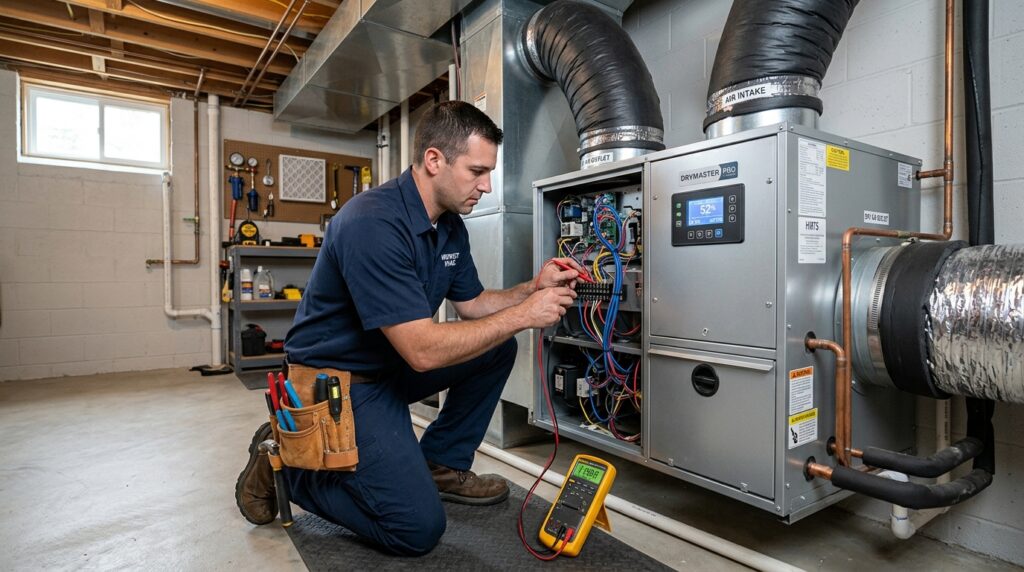
The second half of your budget goes toward professional labor, which usually costs between $500 and $1,500 for a standard setup. This is not just a simple plug and play situation because these units must be expertly tied into your existing HVAC ductwork. A skilled technician ensures the drainage lines are correctly sloped and the electrical connections are safe and up to code. You are paying for their expertise to make sure the system actually works the way the manufacturer intended. Skipping the professional touch often results in poor airflow or moisture leaks that can damage your furnace.
Your final price tag is largely driven by the size of your house and how much water the unit needs to pull from the air every day. Smaller homes under 2,300 square feet can usually get by with a unit that handles 70 to 90 pints per day, which keeps your costs on the lower end of the spectrum. If you are dealing with a sprawling floor plan or a particularly damp basement, you will need a higher capacity model that pushes the equipment price toward that $2,500 mark. It is all about matching the hardware to your specific square footage so you are not overpaying for power you do not need. Precision in sizing is the secret to getting the best return on your air quality investment.
Square Footage And Pints Per Day Pricing Drivers
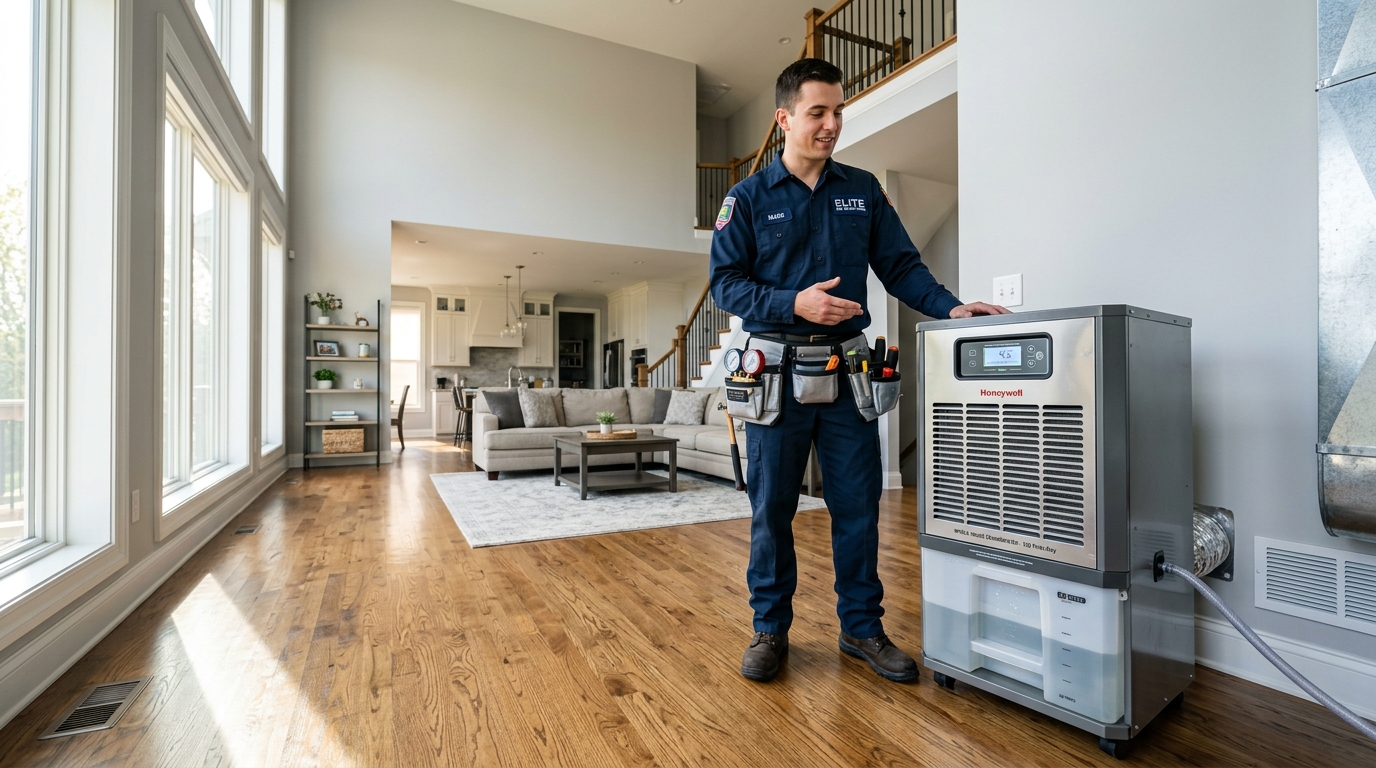
When you are sizing up a whole house dehumidifier, the square footage of your property is the first number that dictates your final bill. A cozy home under 2,300 square feet can often get by with a unit that pulls 70 to 90 pints of moisture from the air each day, keeping your equipment costs closer to that $1,100 entry point. However, larger floor plans or homes with damp basements demand heavy duty hardware that can handle 120 pints or more. If you are trying to dry out a massive space, expect the price tag to climb quickly toward the $2,500 mark for the machine alone. We have seen plenty of marketing fluff, but the reality is that undersizing your unit to save a few bucks just results in a system that runs constantly and dies early.
The moisture removal capacity, measured in pints per day, is the engine that drives your indoor air quality and your total investment. High capacity units are built with larger coils and more powerful compressors, which is why a 130 pint model feels like a much bigger financial hit than a standard 65 pint version. You are paying for the ability to maintain a stable 45 to 50 percent humidity level even when the weather outside is a literal swamp. While the upfront cost of over $3,000 for a high end system and professional setup might sting, it beats the alternative of breathing in mold spores or watching your hardwood floors warp. Investing in the right capacity from the start ensures your HVAC system does not have to work double time to keep you comfortable.
Hidden Expenses For Ductwork And Electrical Upgrades
The sticker price of a whole house dehumidifier is just the beginning of the story, and ignoring the infrastructure needs of your home can lead to a rude awakening. Most homeowners assume the unit simply slides into their existing setup, but you will often need a dedicated electrical circuit to handle the power draw without tripping breakers. If your current panel is already at capacity, hiring an electrician to run new lines adds a significant chunk to your final bill. These are the unseen costs that contractors sometimes gloss over until the work is already underway. Don’t let a $3,000 estimate turn into a $4,500 headache because you forgot to account for the juice required to keep the machine humming.
Ductwork is another area where costs can spiral out of control if you aren’t paying close attention. While some units can tap into your existing HVAC system, many high end installations require dedicated return ducts to pull moist air from specific problem areas like basements or crawl spaces. If your current ducts are undersized or poorly routed, you might be looking at custom metal work that drives up labor costs instantly. You also need to consider how the collected water leaves your home, which often requires a condensate pump if a floor drain isn’t nearby. These small components and specialized labor charges are exactly how a simple home improvement project starts to feel like a major renovation.
Long Term Value Versus Portable Unit Savings
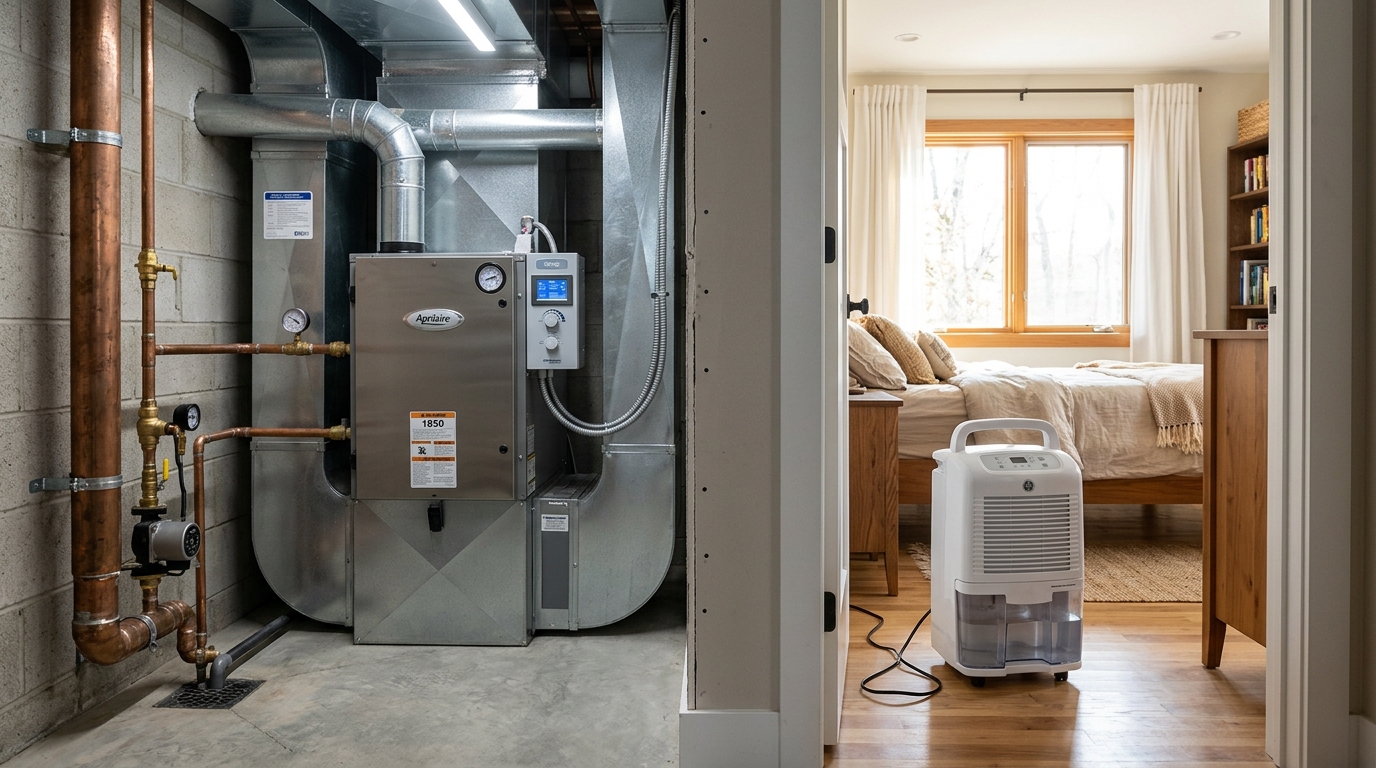
At first glance, grabbing a few $200 portable units from a big-box store seems like a win for your wallet, but that is exactly how the cycle of wasted money begins. These plastic buckets are energy hogs that struggle to keep up with real humidity, often failing after just a couple of seasons of heavy use. Much like DIY solar kits that fail to deliver, these cheap units often leave homeowners frustrated and back at square one. When you add up the cost of replacing those units every few years and the spike in your monthly electric bill, that savings disappears faster than a puddle in the sun. A whole house system is a serious investment of roughly $3,000, but it is built to last over a decade while pulling moisture from every corner of your home simultaneously.
Beyond the raw numbers, you have to consider the hassle tax that comes with portable units that require manual draining. Nobody actually enjoys waking up at 2:00 AM to empty a smelly water tank or dealing with the loud, vibrating hum of a machine in the hallway. A whole house dehumidifier integrates directly into your existing HVAC system and drains itself automatically, meaning you never have to lift a finger. It maintains a perfect 45 to 50 percent humidity level across every room, protecting your furniture and your health without the clutter of cords and buckets. While the upfront price tag is higher, the peace of mind and the massive boost to your home’s air quality make it the only logical choice for a homeowner who values their time.
The real magic happens when you see your air conditioner running less frequently because the air actually feels cooler when it is dry. Portable units often dump heat back into the room they are supposed to be cooling, which forces your AC to work overtime and drives up your utility costs. A professional whole house installation is an efficiency powerhouse that takes the strain off your entire cooling system, potentially reducing energy bills and extending the life of your expensive HVAC equipment. You are essentially trading a series of small, frustrating expenses for one high performance asset that adds genuine value to your property. If you are tired of playing whack-a-mole with damp basements and sticky bedrooms, it is time to stop buying toys and invest in a system that actually gets the job done.
The Real Cost of Comfort
Dropping $3,000 on a whole house dehumidifier might feel like a punch to the wallet at first glance, but you have to look at the reality of your home environment. While portable units are cheap, they are essentially band-aids on a much larger wound that never actually heal the air in your entire living space. Investing in a high-end system means you are finally taking control of your home’s humidity levels and protecting your expensive HVAC system from overworking. You are also stopping mold and mildew before they can start, which saves you from massive repair bills down the road. It is a classic case of paying a bit more now to avoid a total financial disaster later.
Think of this investment as a long-term strategy for both your comfort and your home’s structural integrity. Maintaining a steady humidity level between 45 and 50 percent makes your air feel cooler, allowing you to turn the thermostat up and slash your monthly energy bills. You are not just buying a piece of hardware, you are buying peace of mind and a healthier atmosphere for everyone under your roof. Much like building a high-quality workout space that delivers real results, investing in your home’s infrastructure requires choosing equipment that won’t let you down. When you break down the cost over the lifespan of the unit, that national average of $3,000 starts to look like a very smart move for any serious homeowner. We believe in making informed financial decisions that actually pay off, so you can focus on the things that really matter in your life.
If you are tired of guessing where your money should go and want to get serious about your financial future, we can help you navigate the noise. Much like finding the right hardware for your home, finding the right investment strategy requires cutting through the marketing fluff to see the raw data. Discover how our The Honest Truth About Crypto Signal Service Reviews can help you make smarter choices with your capital and transform your approach to long-term wealth. Take the next step toward total financial transparency and explore our comprehensive guides to see what actually works.
Frequently Asked Questions
1. What is the total price tag for a whole house dehumidifier?
Expect to shell out between $1,500 and $4,000 for a professional setup. This covers both the heavy duty machine and the expert labor required to wire it into your home correctly.
2. How much am I paying for the actual equipment?
The unit alone usually costs between $1,100 and $2,500. While cheap boxes exist, investing in high end internal components ensures your system runs quietly and doesn’t die on you after one season.
3. Why can’t I just install this myself to save money?
Labor costs between $500 and $1,500 because this isn’t a simple DIY project. A professional has to tie the unit into your ductwork, slope the drainage lines perfectly, and handle the electrical work so you don’t burn your house down.
4. Is a whole house system really better than a portable unit?
Portable units are basically band-aids that require constant emptying and only fix one room. A whole house system is a permanent solution that handles your entire home automatically without you ever touching a water bucket.
5. Will this investment actually help with mold and air quality?
Absolutely, because it treats the root cause of the swampy feeling in your home. By keeping humidity levels consistent, you stop mold from growing and protect your walls from sweating.
6. Is this just an expensive HVAC upsell?
It feels like a big pill to swallow, but it is a genuine investment in your home’s infrastructure. If your walls are sweating and the air feels thick, this is the only way to actually control your environment without babysitting a machine 24/7.