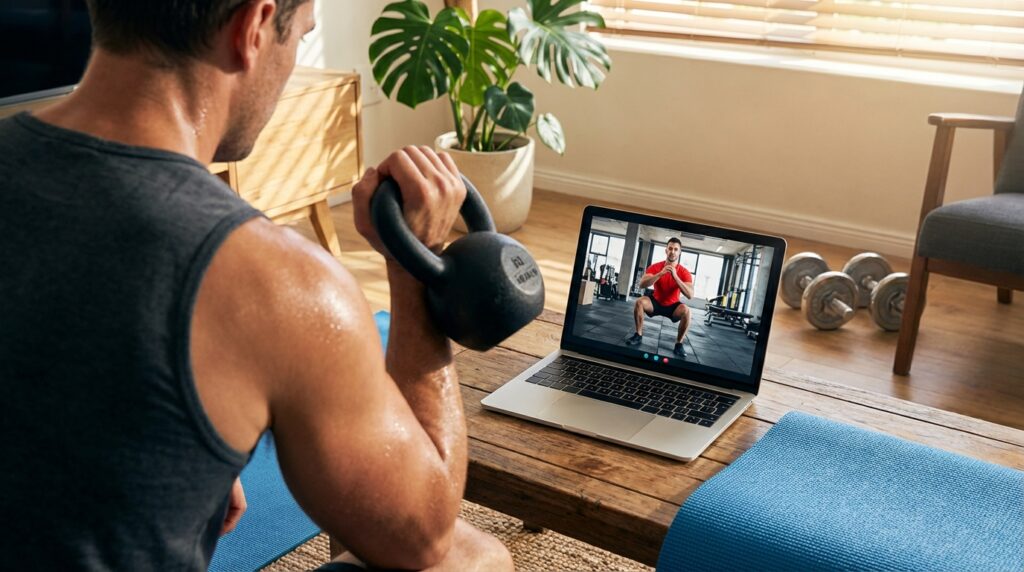
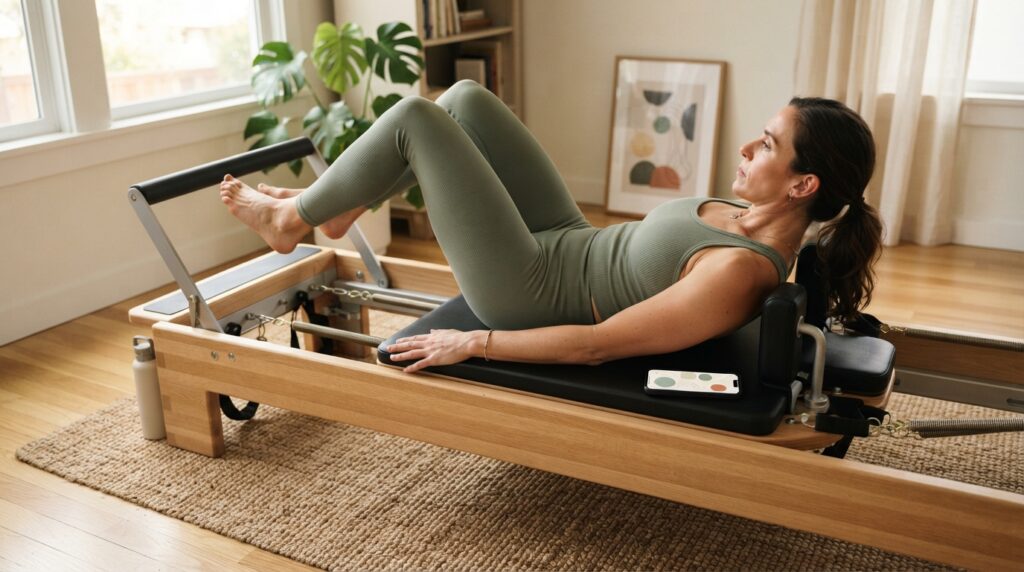
Pilates reformer app reviews can help you avoid wasting money on polished apps that deliver very little. You want clear instruction, useful reformer workouts, fair pricing, and features that fit your routine, not vague promises and endless upsells. These reviews focus on what actually matters when you choose a digital Pilates program.
The biggest catch is that some apps teach complete reformer workouts, while others only help you book classes. That difference can completely change your experience, especially if you train at home or already have access to a reformer. You will get an honest look at content, ease of use, value, and the limitations behind the ratings.
Key Takeaways
- Distinguish true on-demand reformer training apps from studio-booking tools. An app should provide guided workouts you can complete whenever you want, not merely help reserve in-person classes.
- Prioritize workout quality over library size or ratings. Look for clear equipment setup, beginner-friendly instruction, safe progression, structured programs, varied class lengths, and workouts suited to your experience level.
- Evaluate the full subscription cost and terms before paying. Confirm the trial period, recurring price, billing schedule, included reformer content, renewal details, refund policy, and cancellation process.
- Use the trial to test whether the app fits your equipment, schedule, budget, and training goals. Avoid services with vague instructor credentials, recycled workouts, hidden charges, confusing cancellation steps, or exaggerated sales claims.
ClickBank Reformer App Shortlist
Every app in these Pilates reformer app reviews must be a ClickBank-listed product before it makes the shortlist. You should get clear access to on-demand workouts, not vague promises or a sales page packed with stock photos. Each product is assessed for instructor credentials, teaching quality, workout variety, and suitability for beginners, intermediate users, and advanced reformer students. You should also confirm what equipment you need, including the reformer, straps, box, and other accessories.
Trial access matters when you compare a digital subscription with studio membership prices. A strong ClickBank offer should clearly state its trial length, recurring cost, billing schedule, and cancellation steps. Useful features may include workout filters, structured programs, progress tracking, and access across supported devices. If the trial is missing, confusing, or difficult to cancel, that is a serious strike against the app.
Most importantly, this shortlist separates true reformer training from studio-booking tools. An on-demand app should let you start a guided reformer workout whenever you want, while a booking app only helps you reserve a class at a physical location. Booking access is not a substitute for a workout library, and it should not be treated as one. This distinction keeps the reviews focused on ClickBank products that could genuinely replace some studio sessions, not simply help you schedule them.
Reformer Workout Quality And Progression
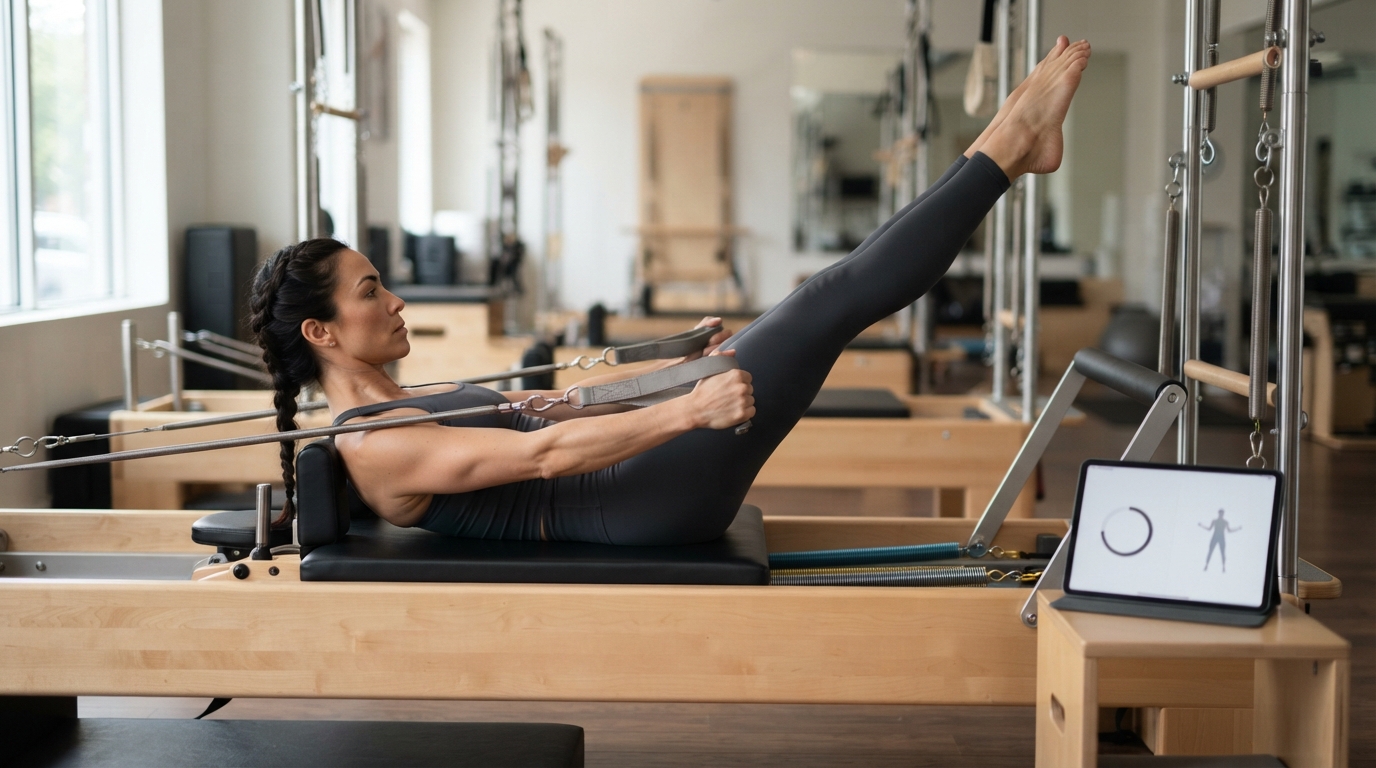
The best Pilates reformer apps feel like a coach, not a video warehouse. A reformer-first app should show you how to set the carriage, springs, footbar, and straps before asking you to move. It should also explain beginner form in plain language. Look for short starter sessions, clear exercise cues, and classes that build from basic footwork to more challenging movements. A large library may sound impressive, but it is not useful if you spend more time choosing a workout than doing one.
Progression is where the real value appears. Strong apps organize sessions by level, length, goal, or program, so you can follow a weekly path instead of clicking random videos. Reformer-focused options may offer more than 250 workouts, along with physiotherapist-led instruction and prenatal or postnatal sessions. Broader platforms may provide more variety across mat and apparatus workouts. If prenatal guidance matters to you, check that the app explains modifications and encourages medical clearance instead of simply adding a label to a class.
Your best choice depends on whether you want freedom or structure, but the app should still make consistency easy. A useful range of class lengths lets you fit in a 10-minute reset or a full 45-minute session. Saved plans, reminders, and progress tracking can help you keep going. Before paying, use the trial to test setup guidance, beginner instruction, program quality, and the cancellation process. If the subscription gives you hundreds of videos but no clear next step, you may be paying for clutter instead of a practical studio alternative.
Subscription Value And Cancellation Terms
Subscription value depends less on the headline price and more on how often you will actually use the app. Monthly plans cost more over a full year but give you room to test the workout library. Annual plans can save money if you train consistently. Some reformer apps offer a 14-day trial, but check whether payment details are required and whether the plan converts automatically when the trial ends. A low monthly fee is not a bargain if most reformer sessions, programs, or beginner lessons remain locked behind a higher tier.
Read the renewal and payment language before you subscribe. App-based billing commonly renews automatically, and deleting the app usually does not cancel the subscription. You may need to manage it through your account settings. Look for the exact renewal date, annual charge, taxes, currency changes, and whether a free trial becomes a paid monthly or annual plan. If cancellation steps are vague or the app makes you search through several screens, treat that as a warning sign, not a minor inconvenience.
For occasional users, the math can expose a bad deal quickly. If you complete only two or three workouts per week, compare the subscription cost with the price of a single studio class. Then ask whether the app offers enough variety to keep you training. A large library, saved playlists, progress tracking, and clear beginner paths can make a digital plan worthwhile, but locked content and repeated workouts weaken the value. The best option offers transparent pricing, an easy cancellation process, and enough usable reformer training to justify the charge after the trial ends.
Best Reformer App For Your Routine
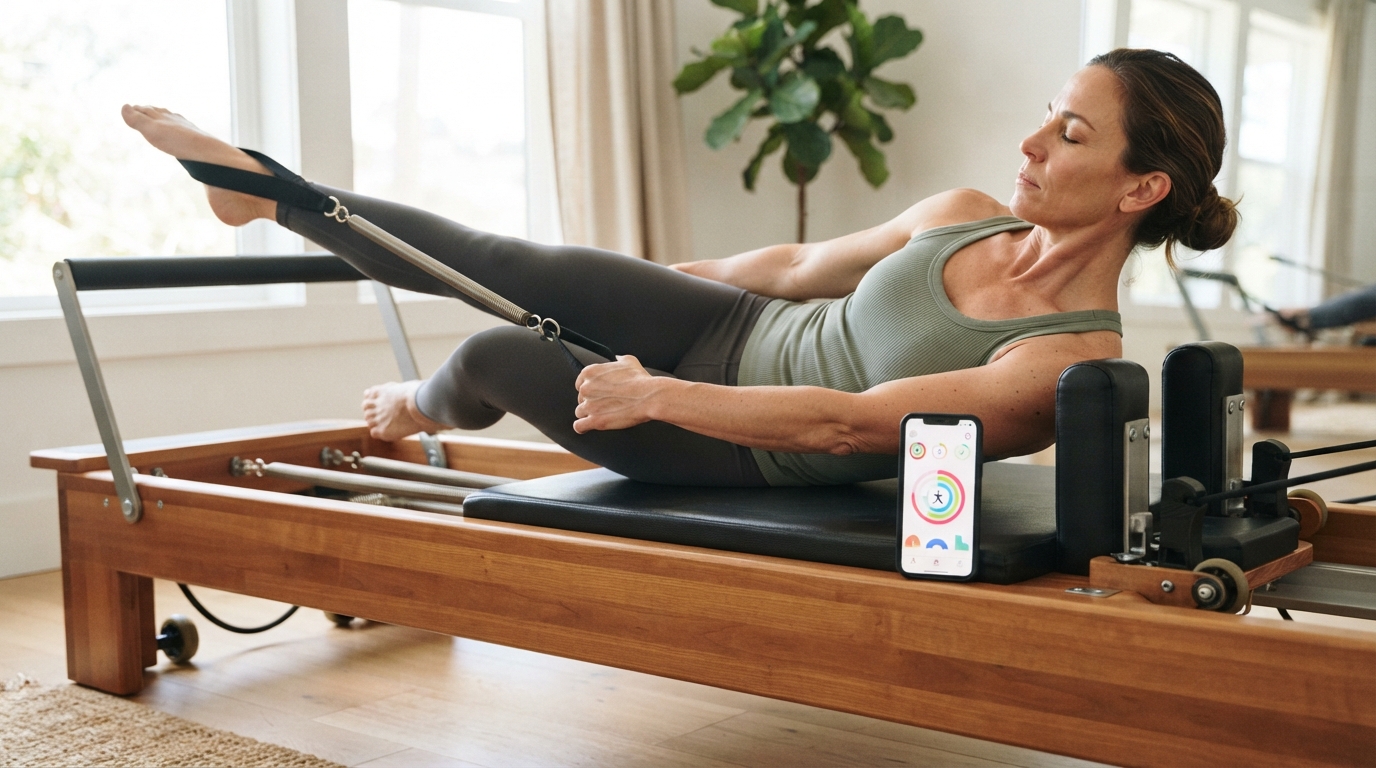
For most beginners training at home, your best ClickBank pick is a reformer-specific program with clear demonstrations, beginner plans, and workouts that use common equipment. Look for an instructor who explains spring settings, footbar position, and safe form instead of rushing through flashy routines. This type of program can replace some studio visits, but it should offer real progression from short starter sessions to longer workouts. Skip any app that mainly sells mat Pilates while using “reformer” in the headline.
Budget-conscious users should choose a low-cost program only when the trial, renewal price, and cancellation steps are easy to find before checkout. A cheap subscription is not a bargain if the library is small, the videos become repetitive, or canceling requires a support request. Advanced users should prioritize structured challenges, varied apparatus work, and sessions that continue building strength instead of offering only basic follow-alongs. Choose the ClickBank offer with the clearest reformer focus, the deepest workout library, and a visible refund policy, even if it costs slightly more upfront.
Treat any ClickBank reformer app with caution when its sales page relies on dramatic promises, vague instructor credentials, or a countdown timer instead of showing the actual training. It is not worth paying for an app that hides renewal terms, lacks a usable cancellation path, or offers only a handful of recycled videos. If your goal is to replace regular studio sessions, test the program during its trial. Judge whether you receive fresh workouts, useful coaching, and enough variety to stay consistent. If it fails that test, cancel quickly and keep your money.
Look Beyond Ratings at Workout Quality
The best Pilates reformer app reviews point to workout quality as the deciding factor, not the biggest rating on the screen. A strong app should offer clear instruction, safe progressions, useful reformer workouts, and enough variety to keep you training beyond the free trial. Ratings can help you spot patterns, but a 4.9 score with a small number of reviews may tell you less than detailed feedback from people using similar equipment and sharing your fitness level. Your reformer, experience, preferred workout length, and weekly schedule should guide your final choice.
Subscription value comes down to how often you will use the app and what it replaces. A large workout library, structured programs, progress tracking, and access across your devices may justify a recurring fee, but only if those features fit your routine. Before subscribing, check the full price after any trial, billing frequency, available platforms, and whether reformer sessions are included instead of mostly mat workouts. Cancellation terms deserve the same scrutiny. Look for clear instructions, renewal details, and confirmation that you can end the plan without chasing support.
Choose the app that matches your equipment, schedule, and budget instead of trusting inflated ratings or urgent sales claims. Test the instruction quality during the trial, read recent reviews for repeated complaints, and cancel early if the service feels confusing or overpriced. A smart purchase is not the flashiest one. It is the subscription you can use consistently and leave easily when it no longer earns its place.
Frequently Asked Questions
1. What should you look for in Pilates reformer app reviews?
Look for clear instruction, useful reformer workouts, honest pricing, and features that fit your routine. Strong reviews also check instructor credentials, workout variety, equipment needs, beginner support, and ease of use.
2. Are all Pilates reformer apps designed for at-home workouts?
No. Some apps provide full, on-demand reformer workouts, while others only help you book classes at a physical studio. Check the product details carefully before buying, especially if you already own a reformer or want to train at home.
3. How do you choose ClickBank reformer apps for review?
A product must be listed on ClickBank and provide clear access to its offer before it qualifies. The review process examines teaching quality, instructor credentials, workout variety, user level, equipment requirements, pricing, trial terms, supported devices, and cancellation details.
4. What equipment do you need to use a Pilates reformer app?
Most reformer programs require access to a reformer, and some may also use straps, a box, or other accessories. Check each app’s equipment list before subscribing. A polished workout library is not useful if you lack the required gear.
5. Do Pilates reformer apps offer free trials?
Some do, but the trial length and terms can vary sharply. Before entering your payment details, confirm the trial period, recurring price, billing schedule, and cancellation process. Treat unclear terms as a serious warning sign.
6. Are Pilates reformer apps worth the cost compared with studio classes?
They can be a better value if you want on-demand workouts and already have access to a reformer. The real value depends on workout quality, variety, guidance, and pricing, not on flashy sales pages or temporary discounts.
7. Are these apps suitable for beginners?
Some apps include beginner-friendly instruction and structured programs, while others assume you already understand reformer basics. Look for clear demonstrations, sensible progressions, and workout filters that let you choose your experience level.
8. What are the biggest red flags in Pilates reformer app reviews?
Watch for vague workout descriptions, sales pages filled with stock photos, hidden recurring charges, confusing cancellation steps, and limited trial information. A booking tool presented as a full training app is another major red flag. Confirm exactly what you receive before you pay.