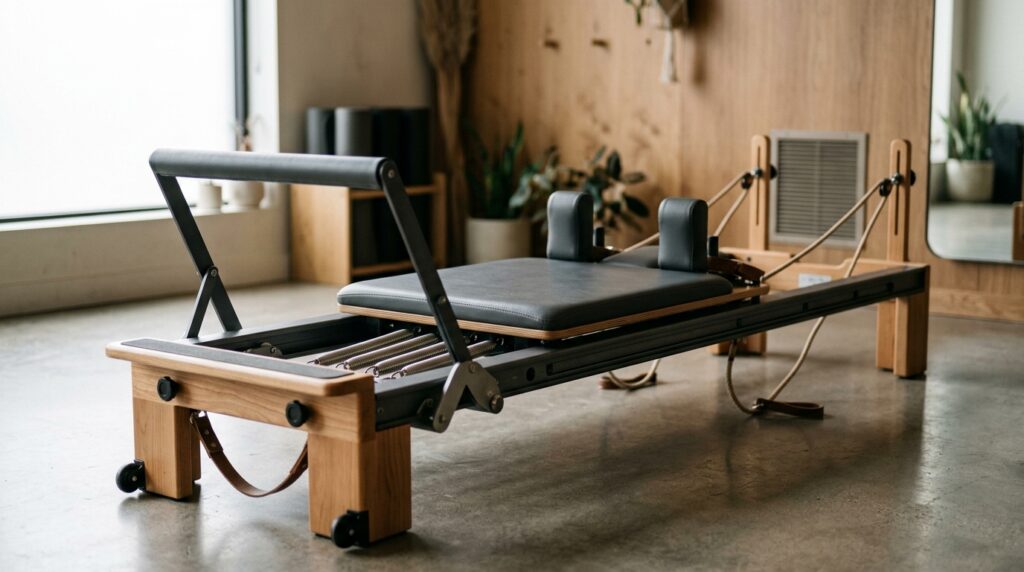
Finding the best Pilates reformer is not about chasing the highest price or the flashiest sales pitch. You need a machine that feels stable, moves smoothly, fits your space, and will not become an expensive clothes rack after a month. The wrong choice can lead to wobbly workouts, awkward setup, and missing features you thought were standard.
This guide cuts through the hype and focuses on what matters: build quality, adjustability, comfort, storage, warranty coverage, and overall value. Whether you are building a serious home studio or fitting a reformer into a small room, you will see which features justify the price and which are just marketing noise.
Key Takeaways
- Choose a Pilates reformer based on your training goals, available space, body size, and budget—not the highest price or flashiest marketing. Measure both working and storage dimensions before buying, especially for full-size or foldable models.
- Prioritize a stable frame, smooth carriage, adjustable footbar, comfortable padding, multiple spring settings, appropriate weight capacity, and reliable warranty coverage. These features determine safety, comfort, durability, and room for progression.
- Calculate the true ownership cost by including shipping, assembly, accessories, maintenance, and potential upgrades such as a tower, box, or jump board. A lower sticker price may not be cheaper if essential equipment and support are missing.
- Choose full-size studio-grade equipment for serious, frequent training, a foldable reformer for limited space, or a connected model only if digital instruction will improve consistency. Always verify return policies, damage procedures, and replacement-part availability before ordering.
Introduction To The Best Pilates Reformer
Choosing the best Pilates reformer for home use starts with your needs, not a glossy sales page. If you plan to train several times a week, you need solid construction, smooth movement, useful spring options, and adjustments that fit your body. You also need a realistic budget, because a low-priced model may lack the stability and durability required for regular workouts. The goal is to buy equipment you will use for years, not a bargain that gathers dust after a month.
Your available space matters as much as your workout goals. Measure the room, check the reformer’s full length when in use, and decide whether you need a foldable design or built-in storage. Think about whether you want gentle mobility work, strength training, advanced Pilates, or the option to add accessories later. A reformer that suits your routine will deliver more value than one packed with features you never use.
Price alone does not determine the best Pilates reformer. A premium model may offer a smoother ride, stronger materials, better warranty coverage, and more room to progress, but those extras are not worth paying for if the machine does not fit your space or training style. Look closely at the frame, spring system, adjustment range, warranty, delivery costs, and replacement parts before you buy. This quick reality check helps you choose a dependable reformer that earns its place in your home.
Pilates Reformer Features That Matter
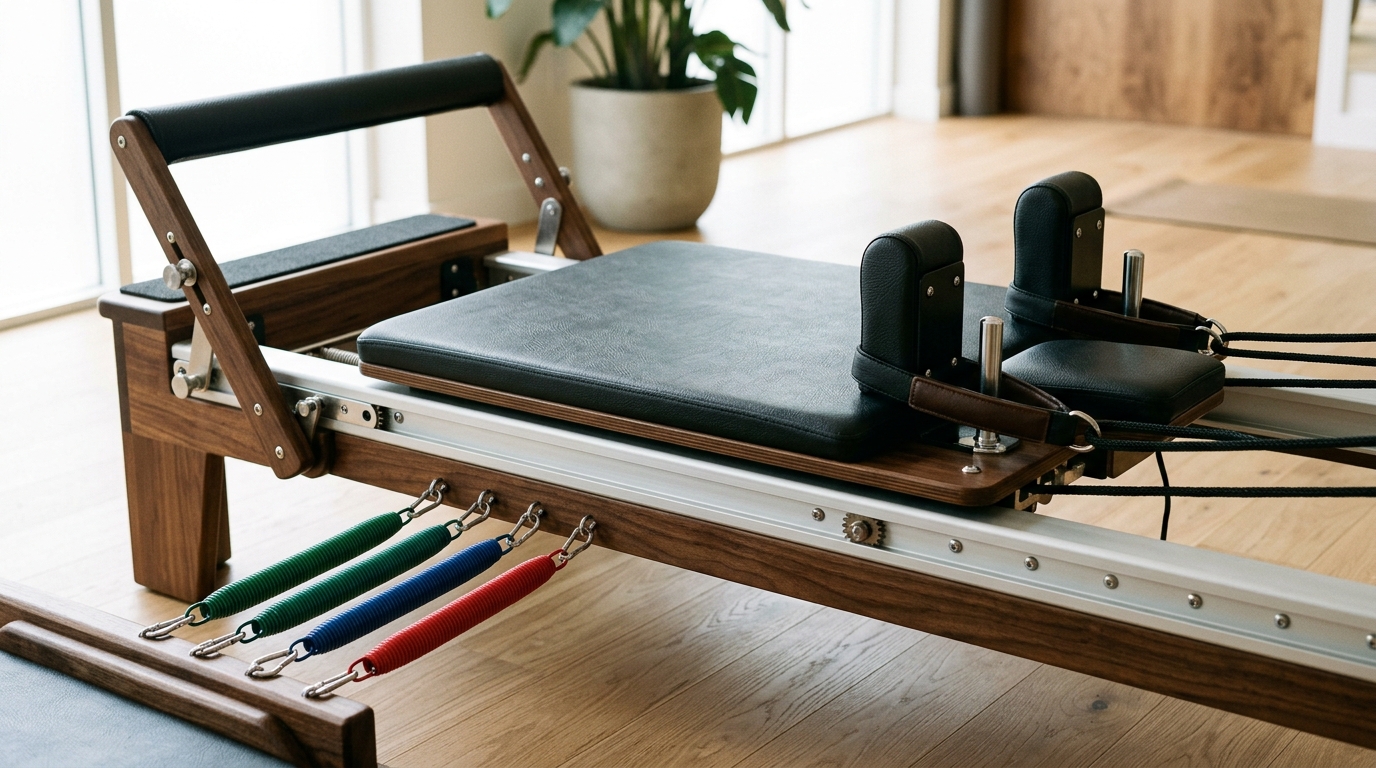
Frame length and carriage movement should be your first reality check. A longer frame gives you more room for full-body exercises, especially if you are tall, while the carriage should glide smoothly without rattling, sticking, or feeling loose. Spring resistance matters just as much, so look for several clear resistance levels instead of vague claims about “studio power.” A footbar with multiple height settings lets you adjust your position for comfort, control, and different exercises.
Think ahead before you buy, because tower compatibility can determine whether your reformer grows with your practice. Check the maximum user weight, especially if more than one person will use it, and measure your room for both active use and storage. A foldable design can save space, but only if it still feels stable and is simple enough for you to put away consistently. The best Pilates reformer is the one that fits your body, routine, and home, not merely the one with the longest feature list.
Read the warranty and accessory details before trusting a sale price. Strong frame coverage can protect a major investment, while short coverage on key parts may signal future repair costs. Add up the price of a tower, box, jump board, extra springs, straps, and shipping, because those extras can quickly change the real total. Flashy screens, celebrity endorsements, and limited-time discounts mean little if the machine has poor movement, weak support, or expensive add-ons.
Studio-Grade Pilates Reformer Review
This studio-grade reformer makes a strong case as the best Pilates reformer for serious home use. Its smooth ride, five-spring system, adjustable footbar, and long frame give you plenty of room to train comfortably and progress over time. The setup feels solid and controlled, whether you are working through slow beginner movements or demanding advanced sessions. A 10-year frame warranty adds welcome reassurance for a major purchase. If your routine grows, you can add a tower later instead of replacing the entire machine.
The tradeoff is its heavy build, which makes the reformer stable but difficult to move around your home. You should also budget for extras, since the tower and other accessories can push the total cost well beyond the base price. That matters if you are trying to build a complete studio setup on a tight budget. Still, for a dedicated home user who values smooth performance, strong construction, and room to grow, this reformer is a dependable long-term investment.
Professional And Compact Reformer Picks
A professional-grade reformer is a strong pick if you want lasting value without jumping straight to the most expensive studio-style setup. It should offer a sturdy build, smooth carriage movement, and enough adjustment range for regular, serious training. Check the package contents before buying, since accessories and delivery can change the real cost. For a home user who wants equipment built for years of workouts, a well-made professional reformer is one of the best options to consider.
A traditional wood reformer is the choice for buyers who like a classic design and a studio feel. Its solid frame and smooth operation make it a serious long-term investment, especially if appearance matters in your workout space. The tradeoff is size and price, so measure your room carefully before placing an order. If you want a refined reformer that feels substantial rather than portable, this type of model deserves a close look.
For tight rooms, a compact foldable reformer brings useful training into a smaller footprint. It is easier to store than a full-size studio machine, but you should confirm its folded dimensions and allow enough space to use it safely. Some connected reformers take a different approach by pairing workouts with digital instruction for people who want more structure and motivation at home. Choose a compact model for space-saving practicality, or choose connected instruction if guided workouts are the feature most likely to keep you consistent.
Pilates Reformer Costs And Buying Checks
A serious home Pilates reformer can cost about $3,995 before you add shipping, tax, or accessories. That sticker price is only the starting point, so build a realistic ownership budget before you buy. Check whether the package includes a tower, jump board, box, straps, springs, and mat, because replacing each item later can quickly add hundreds of dollars. A lower-priced machine may look like a bargain until delivery fees, assembly costs, and missing essentials enter the picture.
Read the warranty terms with the same care you give the feature list. Confirm how long the frame, springs, upholstery, and moving parts are covered, and find out whether you must pay return shipping or repair labor. Measure your workout area, storage space, doorways, and ceiling height before ordering, especially if you want a tower or foldable design. Also verify the retailer’s return window, delivery damage policy, assembly requirements, and whether replacement parts are easy to obtain.
The best Pilates reformer for you is the one that fits your budget, space, training goals, and tolerance for extra costs, not the one with the loudest sales pitch. Compare the complete package price, then add a sensible allowance for a mat, jump board, tower, maintenance, and future upgrades. Published prices and promotions can change, so verify current pricing and retailer terms before making a decision. Before adding any direct product links, confirm that the offer is currently available through the appropriate affiliate marketplace and that its refund and shipping details are clearly stated.
Choosing Your Best Pilates Reformer
The best Pilates reformer for serious home training is a full-size, studio-grade model with a smooth carriage, strong frame, adjustable footbar, multiple spring settings, and room to add a tower later. This setup gives you enough flexibility to build strength, improve control, and keep progressing beyond beginner workouts. If you want studio-style sessions at home without paying for the most expensive option, look for professional construction, reliable springs, and a comfortable long frame. For limited space, a foldable reformer makes more sense, especially if you can store it upright without making setup a chore. Technology-focused users may prefer a connected reformer with guided classes and built-in workout features, but remember that you are also paying for the screen, software, and ongoing digital experience.
Before choosing your best Pilates reformer, measure your room, check the machine’s folded and working dimensions, and price the accessories you will realistically use. A lower-cost model can be a smart buy for beginners, while experienced users may save money over time by choosing better adjustability and upgrade options from the start. Pay close attention to the warranty, weight limit, return policy, delivery fees, and replacement parts, because flashy marketing does not guarantee lasting value. The practical choice is the model that matches your available space, budget, experience level, and upgrade plans. When those four factors line up, you are far more likely to use the reformer consistently and feel good about the purchase.
Choose the Right Pilates Reformer for You
The best Pilates reformer for you should match your space, experience level, and training goals, not just the biggest promise on a sales page. For serious home use, prioritize a sturdy frame, smooth carriage, adjustable footbar, multiple spring settings, and a warranty that protects your investment. If you have limited space, a foldable design may be worth the tradeoff, while taller or more advanced users should check the frame length and weight limits carefully. Features such as a tower attachment, jump board, or digital classes can add value, but only if you will actually use them. Take measurements, compare total costs including delivery and accessories, and choose the best Pilates reformer you can use consistently.
A higher price does not automatically mean a better fit, so focus on build quality, comfort, flexibility, and reliable customer support. Read the return policy before ordering, especially when buying online, because a large reformer can be expensive and difficult to send back. Once you have narrowed your choices, create a realistic budget and leave room for essentials such as a mat, box, or maintenance supplies. Pairing your new equipment with simple routines and convenient habits makes it easier to stay consistent. For another practical way to protect your time and energy while building healthier routines, explore our Best Meal Prep Services To Save Time And Energy guide before you commit.
Frequently Asked Questions
1. What should you look for in the best Pilates reformer?
Look for a stable frame, smooth carriage movement, comfortable padding, an adjustable footbar and shoulder rests, and a spring system that matches your training level. Pay close attention to the reformer’s size, weight limit, storage options, and warranty. Fancy extras mean little if the machine wobbles, feels cramped, or breaks down quickly.
2. How much should you spend on a home Pilates reformer?
Your budget should match how often and how seriously you plan to train. A lower-priced reformer may work for occasional beginner workouts, but frequent use usually calls for stronger materials, smoother movement, and better adjustment options. Do not pay extra for features you will never use, but be careful with rock-bottom prices that cut corners on stability and durability.
3. Is a foldable Pilates reformer a good choice for a small room?
Yes, a foldable reformer can be a smart choice when floor space is limited. Before buying, measure the machine both folded and fully open, then allow enough room to move safely around it. A compact design is useful only if it still feels solid and does not sacrifice comfort or smooth movement.
4. What makes a Pilates reformer stable and durable?
A strong frame, secure feet, quality rails, and reliable hardware are the main signs of a durable reformer. The machine should stay planted during pushing, pulling, and jumping movements without shaking or making harsh noises. Check the weight limit, construction materials, customer reviews, and warranty instead of trusting vague claims such as professional grade.
5. How important are the springs and adjustment options?
They matter a lot because they control resistance and help you adapt the workout to your body. You want several spring levels, a footbar with useful height settings, and shoulder rests or straps that can be adjusted comfortably. More settings are not automatically better, but the right range lets you progress without outgrowing the machine too quickly.
6. Can beginners use a Pilates reformer at home?
Beginners can use a reformer at home, but they should start with basic movements and clear instruction. Learn proper alignment before increasing resistance or attempting advanced exercises, especially if you have an injury or medical condition. A stable, easy-to-adjust machine will make learning safer and less frustrating.
7. What accessories are actually worth buying with a Pilates reformer?
A box, jump board, platform extender, and extra spring options can add variety if they match your goals. Start with the reformer itself and buy accessories only when you know you will use them. Sales pages often bundle flashy extras to make a deal look bigger, so check compatibility and real value before spending more.
8. What warranty and return policy should a Pilates reformer have?
Look for a clear warranty that covers the frame, moving parts, springs, and other major components for a reasonable period. Read the return policy carefully, including shipping costs, restocking fees, and the process for handling damage. If the seller hides these details or makes support difficult to reach, treat that as a serious warning sign.