
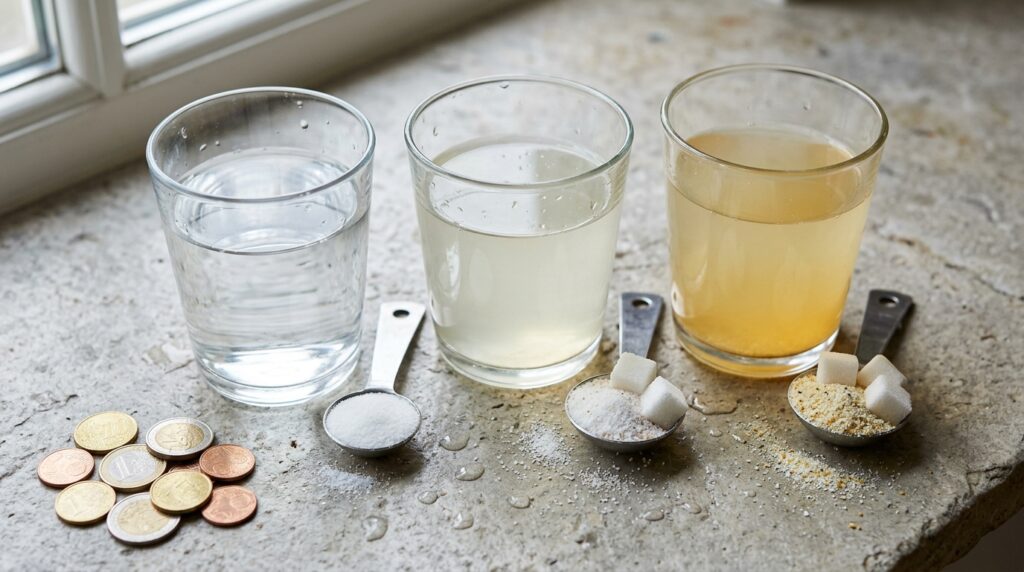
An electrolyte powder comparison can expose a lot of marketing noise. Some mixes deliver a serious dose of sodium for long, sweaty workouts, while others are little more than flavored water with a premium price tag. The right choice depends on your sweat losses, activity level, carbohydrate needs, and budget.
Start with the label, not the hype. Check sodium first, then potassium, magnesium, sugar, calories, serving size, and intended use. A powder designed for sports fueling is not automatically right for everyday hydration. It also should not be treated as a medical rehydration product without proper guidance.
Key Takeaways
- Choose an electrolyte powder based on your activity, sweat level, and hydration goal—not its marketing claims. High-sodium formulas suit long, hot, or sweaty sessions, while lighter powders are generally better for everyday hydration or casual activity.
- Compare sodium first, then review potassium, magnesium, sugar, carbohydrates, calories, serving size, ingredients, and mixing instructions. A long list of vitamins or minerals does not compensate for inadequate sodium or unclear labeling.
- Carbohydrate-containing powders can provide useful fuel during extended or demanding exercise, while zero-sugar formulas are usually more practical for daily use, travel, and short workouts.
- Calculate the true cost per serving and verify taste, package size, subscription terms, shipping, and refund policies before buying. Sports electrolyte powders should not be treated as medical rehydration products without professional guidance.
Introduction To Electrolyte Powder Comparison
An electrolyte powder comparison should start with how you plan to use the product, not with the loudest claim on the package. For a long workout, hot-weather job, or heavy sweat session, sodium often matters more than a long list of added vitamins. A lighter formula may work well for travel, casual activity, or everyday hydration when you mainly want better-tasting water. You should also check the carbohydrate content, since sugar can support longer exercise but may be unnecessary for a short walk or routine drink. The right choice depends on your body, activity, and what you actually need in the bottle.
Your budget and taste matter too. Even a well-designed powder is useless if you cannot stand drinking it or will not buy it again. Compare the sodium, potassium, magnesium, serving size, calories, and price per serving instead of judging the front-label promises. A product with little sodium may be closer to a flavored water enhancer than a serious option for replacing sweat losses. For medical rehydration needs, follow guidance from a qualified healthcare professional rather than relying on a fitness product. This approach keeps the decision practical and helps you find a powder that fits exercise, travel, hot weather, or everyday use without paying extra for marketing fluff.
Comparing Sodium And Mineral Content
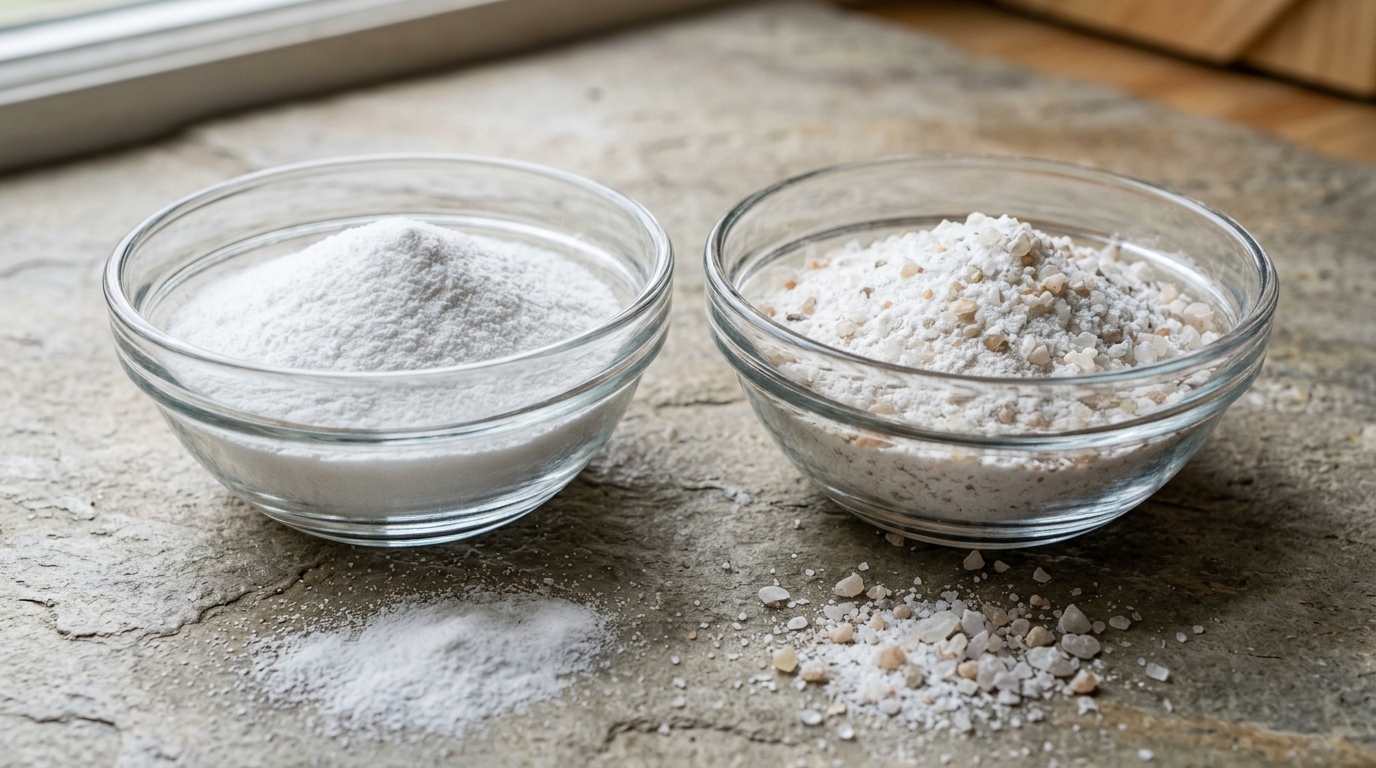
Start your electrolyte powder comparison with sodium, because it is usually the biggest factor when you are replacing sweat losses. Check the milligrams per serving on each ClickBank-listed label, then confirm what the brand considers one serving and how much water you should use. A powder showing 1,000 mg of sodium may be more suitable for long, hot, or sweaty workouts than a product with only a small amount, but more is not automatically better for everyone. Your activity level, diet, climate, and personal health needs all matter.
Potassium and magnesium deserve a look, but do not let impressive mineral numbers distract you from a weak sodium dose. These minerals can round out a formula, while sodium is often the main electrolyte lost through heavy sweating. Low-sodium daily hydration powders may taste good and work well as flavored water enhancers for errands, travel, or light activity, yet they may fall short during endurance exercise or intense heat. Compare sugar, carbohydrates, and calories too, since a sports drink may include fuel that a zero-sugar product does not.
A trustworthy label should clearly list sodium, potassium, magnesium, serving size, ingredients, and the amount of water used for mixing. Treat a panel with missing mineral amounts, vague electrolyte blend language, or unclear serving information as a warning sign. You cannot make a fair value or strength comparison without the numbers. Also check whether the listed dose applies to one stick, one scoop, or the entire container, since that detail can change the real cost per serving. If you are rehydrating after illness or have a medical condition, compare the label with professional guidance instead of treating a sports powder as a medical rehydration product.
Sugar And Workout Fuel Differences
Zero-sugar electrolyte powders are often the better fit for casual hydration, travel, desk days, or light workouts. They add flavor and electrolytes without bringing extra sugar or many calories to your daily routine. That can make them easier to use regularly, especially if you are already eating enough carbohydrates. Do not confuse a low-calorie formula with a high-performance formula, though. Some contain modest sodium and may do little for heavy sweating. Check the label instead of trusting phrases such as rapid hydration or advanced hydration.
Carbohydrate-containing powders serve a different purpose. They can provide workout fuel along with fluids and electrolytes. During longer or harder sessions, especially those lasting about an hour or more, carbohydrates may help support energy when your stored fuel starts running low. Added sugar is not automatically a flaw in that setting, since it can be useful during endurance training, long hikes, tournaments, or demanding outdoor work. The tradeoff is more calories, a sweeter taste, and less flexibility when you only want water replacement. Choose the formula based on the session in front of you, not the most aggressive marketing claim.
When comparing value, look beyond the price of the tub and calculate the cost per serving alongside sodium, carbohydrates, and serving size. A zero-sugar powder may be the smarter everyday buy, while a carbohydrate formula can earn its place when it replaces a separate sports drink or snack. You should also consider whether the taste encourages you to drink enough, because the perfect ingredient list is useless if the packet stays unopened. For unusually heavy fluid loss, illness, or suspected dehydration, a sports powder is not a substitute for professional medical guidance. The strongest electrolyte powder comparison matches the product’s fuel profile to your actual activity, sweat level, and budget.
Electrolyte Powder Uses And Value

An electrolyte powder comparison should start with how you plan to use it, not with the loudest sales claim. For gym sessions and hot-weather walks, check the sodium per serving first, then review potassium, magnesium, sugar, and calories. Endurance training may call for added carbohydrates, while daily drinking usually favors a lighter formula with fewer calories. Travel adds another consideration: single-serve packets, clear mixing instructions, and a package that fits easily in your bag can matter more than flashy extras.
Value comes down to the full serving math, not just the sticker price. On each ClickBank product page, confirm the scoop or packet size, how much water to use, servings per package, and the total cost per serving through the httpsco direct link. Taste claims can help, but treat them as marketing until customer reviews confirm that the powder mixes well and does not leave a harsh aftertaste. A product with more servings may still be a poor deal if you need two packets to reach the flavor or electrolyte level you want.
Before you buy, inspect the recurring-order terms with the same care as the ingredient label. Look for subscription pricing, renewal dates, cancellation steps, shipping charges, refund limits, and whether the first-order discount disappears later. Your best match should fit your real routine, whether that means a stronger mix for long, sweaty sessions or a simpler option for everyday water. If the listing hides serving details or makes cancellation hard to find, skip the hype and keep shopping.
ClickBank Product Shortlist And Buying Checks
No ClickBank electrolyte powder can be responsibly shortlisted from the supplied evidence because a verified ClickBank sales page, mineral label, current price, flavor list, and refund terms were not provided. That is not a minor detail. It is the difference between a real electrolyte powder comparison and a dressed-up sales pitch. Before you buy, confirm sodium, potassium, and magnesium per serving, then check sugar and total carbohydrates against your goal. A serious workout or heavy sweat session may call for more sodium, while daily use may not require a high-dose formula.
Use the same checks for every qualifying ClickBank offer: record mineral amounts, sugar, calories, flavor options, price per serving, and the exact return policy. Treat claims about rapid hydration, detox, energy, or medical benefits as marketing until the product page clearly supports them, and do not confuse a flavored water enhancer with medical rehydration. The best fit depends on your use case. Active buyers should prioritize sodium and mixing instructions, travelers may value portability and taste, and daily users may focus on low sugar, sensible minerals, and fair cost. No direct product URL is included here because adding an unverified link through httpsco would create false confidence.
Choosing Your Electrolyte Powder
The strongest electrolyte powder is not automatically the best choice for you. A high-sodium formula can make sense for long, hot, sweaty workouts, while a lighter blend may be enough for travel, desk days, or easy exercise. Some powders deliver around 1,000 mg of sodium per serving with zero sugar, but others contain far less and function more like flavored water. Sugar can help support longer workouts, yet it also adds calories, so check whether you need sports fuel or simply better-tasting water.
Formula quality matters, but do not let a long ingredient list distract you from the basics. Look for clear amounts of sodium, potassium, and magnesium, along with sensible serving instructions and ingredients you tolerate well. Taste is practical, not cosmetic, because a powder you dislike will sit unused in a drawer. Price deserves the same scrutiny, so compare the cost per serving rather than the size of the tub or the urgency of the sales pitch.
Choose based on the job you need the powder to do. For short workouts or daily hydration, start with a lower-sodium, low-sugar option that tastes good and fits your budget. For long or intense sessions in heat, prioritize a higher sodium dose and consider carbohydrates if you also need workout fuel. If you have unusual fluid needs or are dealing with illness, ask a medical professional instead of treating a supplement like a medical rehydration product. A smart electrolyte powder comparison comes down to your sweat level, activity duration, sugar preference, formula quality, taste, and cost, not the loudest promise on the label.
Choose the Electrolyte Powder That Fits You
The best electrolyte powder depends on what you need it to do, not how bold the label looks. For hard workouts, long travel days, or heavy sweating, prioritize a meaningful sodium dose and check whether you need added carbohydrates for fuel. For light daily use, a lower-sodium powder may be enough, but it may function more like flavored water than serious rehydration. Compare serving size, calories, sugar, potassium, magnesium, taste, and price per serving before you buy. If you have a medical need for rehydration, ask a healthcare professional instead of relying on a sports drink mix.
Your smartest choice is the powder that fits your routine, budget, and sweat losses without charging you for ingredients you do not need. Zero-sugar formulas can work well for casual hydration, while products with carbohydrates may make more sense during longer or tougher efforts. Start with one serving as directed, assess how you feel, and do not assume that more electrolytes are always better. If you are also building a healthier routine around convenient nutrition, explore practical meal planning resources to make consistent choices easier. Compare the details, ignore the hype, and choose the formula you will actually use.
Frequently Asked Questions
1. What should you compare first when choosing an electrolyte powder?
Start with sodium, because it is usually the key electrolyte lost through heavy sweating. Then compare potassium, magnesium, sugar, calories, serving size, intended use, and price per serving. Ignore flashy claims until you know what is actually in the scoop.
2. How much sodium should an electrolyte powder contain?
There is no single best amount for everyone. A higher-sodium formula may make more sense for long workouts, hot weather, or heavy sweating, while a lighter formula can suit casual activity. Check the label and match the sodium level to your sweat losses instead of assuming the most expensive product is the strongest.
3. Are electrolyte powders with sugar better than sugar-free formulas?
Sugar can provide useful energy during long or demanding exercise, especially when you are also losing fluids. For a short walk, daily hydration, or low-intensity activity, added sugar may offer little benefit. Choose based on your activity and total diet, not on the idea that sugar automatically makes a powder better.
4. Do you need electrolytes for everyday hydration?
Usually, you do not need a high-powered electrolyte mix for routine hydration if you eat a balanced diet and drink enough water. A low-calorie powder can still make water easier to drink, but it may contain too little sodium to replace heavy sweat losses. Treat it as a convenience, not a cure-all.
5. Is an electrolyte powder with many vitamins and minerals automatically better?
No. A long ingredient list can be marketing camouflage. For exercise hydration, the amount of sodium, carbohydrate content, serving size, and price often matter more than a pile of added vitamins. Compare useful amounts, not impressive-sounding claims.
6. How can you compare the real cost of electrolyte powders?
Use the price per serving, then check whether the listed serving provides enough sodium and other nutrients for your needs. A cheap powder may be poor value if you need several scoops, while a premium product may not justify its price if it is mostly flavored water. Taste matters too, because an unused tub is money wasted.
7. Can an electrolyte powder replace a medical rehydration product?
No. Fitness electrolyte powders are not automatically designed for illness-related dehydration, vomiting, diarrhea, or other medical rehydration needs. Follow guidance from a qualified healthcare professional for those situations, especially if you have a medical condition or take medication.