

Posture corrector reviews can make every brace sound like the answer to years of slouching, but the truth is less dramatic. Most correctors work best as gentle reminders, not miracle fixes for neck or back pain. The right one should feel comfortable, stay in place, and encourage better posture without forcing you into a rigid position.
You’ll want to know which features matter, which claims deserve a raised eyebrow, and whether a corrector fits your daily routine. Comfort and consistent use usually matter more than stiff designs packed with flashy promises. Pair a corrector with simple strengthening exercises, mobility work, better ergonomics, and regular movement for results that last.
Key Takeaways
- Posture correctors work best as gentle reminders or biofeedback tools, not as standalone cures for slouching, neck pain, or back pain. Set realistic expectations and avoid products promising permanent results or instant pain relief.
- Prioritize comfort, adjustability, breathable materials, secure fit, and ease of use over rigid designs or flashy features. The most effective corrector is one you can wear consistently without chafing, restricted movement, or distracting alerts.
- Pair posture-corrector use with movement breaks, strengthening and mobility exercises, and improved desk ergonomics to build lasting habits. Start with short wearing sessions and stop using the device if it causes pain, numbness, skin irritation, weakness, or breathing difficulty.
- Before buying, verify the total cost, recurring billing terms, sizing, customer support, warranty, and refund policy. Persistent or worsening pain, tingling, numbness, or weakness requires evaluation by a qualified healthcare professional.
Introduction To Posture Corrector Reviews
Posture corrector reviews should help you separate useful design from loud marketing claims. We compare these products because you need to know what you are actually buying, how comfortable they feel during daily wear, and whether the features justify the price. A good review looks at adjustability, fit, materials, ease of use, and how well the product stays in place. It also checks the evidence behind its claims and reviews the refund policy, so you are not stuck with an uncomfortable gadget that does little for you.
The honest takeaway is that a posture corrector is not a proven standalone cure for slouching, neck pain, or back pain. Most products are better understood as short-term reminders or biofeedback tools that alert you when your shoulders round or your body drifts out of position. Some use gentle tension, while others use vibration or app-based feedback, but neither approach replaces strength training, mobility work, a better desk setup, or regular movement. If you expect a brace to permanently fix your posture without changing your habits, the sales pitch is promising more than the product can deliver.
Comfort and consistency matter more than a rigid design that forces you into place. In these reviews, we focus on whether you can wear the product without chafing, restricted movement, distracting alerts, or complicated setup. We also pay attention to battery life, cleaning, sizing, return windows, and the small details that determine whether a product becomes part of your routine or ends up in a drawer. Use these comparisons as a practical buying guide, not a promise of pain relief. If pain continues or worsens, consider speaking with a qualified healthcare professional.
Posture Corrector Review Criteria

Each ClickBank product will be assessed for comfort, adjustability, and support before we take its promises seriously. A useful posture corrector should provide a gentle reminder without digging into your shoulders, restricting breathing, or forcing you into an unnatural position. We will check the materials, stitching, closures, and padding for signs of daily durability, then compare the sizing guidance with real-world fit concerns. Vague size charts, scratchy fabric, and straps that loosen after a few hours are not minor flaws. They can make consistent use impossible.
We will also examine how discreet and easy each product is to wear under normal clothing. That means looking at whether it stays in place while you work, walk, or sit, how simple it is to put on, and whether adjustments require constant fiddling. Electronic trainers will be judged on setup, alerts, charging, app usability, and whether the feedback feels helpful instead of annoying. Reviews will separate reasonable alignment cues from aggressive claims, since current evidence supports posture correctors mainly as short-term reminders or biofeedback tools, not standalone cures for pain or slouching.
Long-term wearability will matter more than a rigid design that promises instant results. We will consider whether you can gradually build wearing time, move comfortably, and use the product alongside exercise, mobility work, ergonomic changes, and regular movement. Each ClickBank review will also note the available evidence, the clarity of the sales page, the total cost, and the refund policy, because your purchase deserves more than marketing hype. A flexible product that you actually wear may help more than a heavy brace that spends most of its life in a drawer.
ClickBank Posture Corrector Comparisons
ClickBank posture corrector comparisons are most useful when you judge how a product fits your daily life, not how dramatic its sales page sounds. Lightweight shoulder and upper-back designs may suit desk workers who need a gentle reminder, while firmer braces can appeal to users who want more support but may feel restrictive after several hours. Electronic trainers may offer vibration-based feedback, but they add charging, setup, and app-learning steps. The clearest advantages are adjustability, discreet wear, and simple daily use. Common drawbacks include discomfort, visible straps, limited sizing, and a learning curve that can discourage consistent wear.
Before buying, compare the intended user, wearing schedule, price, customer feedback, and refund terms for each eligible ClickBank product. Look for reviews that discuss comfort after repeated use, material quality, sizing accuracy, battery life when relevant, and whether the seller handled refunds without unnecessary hurdles. A product may work well as a short-term slouching reminder, but current evidence does not support posture correctors as standalone cures for back pain, neck pain, or poor alignment. Your best use case is usually pairing a comfortable device with movement breaks, basic strengthening, mobility work, and a better desk setup.
We may earn a commission when you purchase through a qualifying ClickBank link tagged with the direct-link affiliate name httpsco, at no extra cost to you. That relationship does not turn a weak product into a good one, so check the final price, shipping charges, subscription terms, and refund window before placing an order. If a listing promises permanent results, instant pain relief, or effortless correction, treat that claim as a warning sign rather than a guarantee. Choose the option you can wear consistently, understand easily, and return safely if it fails to meet your expectations.
Posture Corrector Evidence And Safety
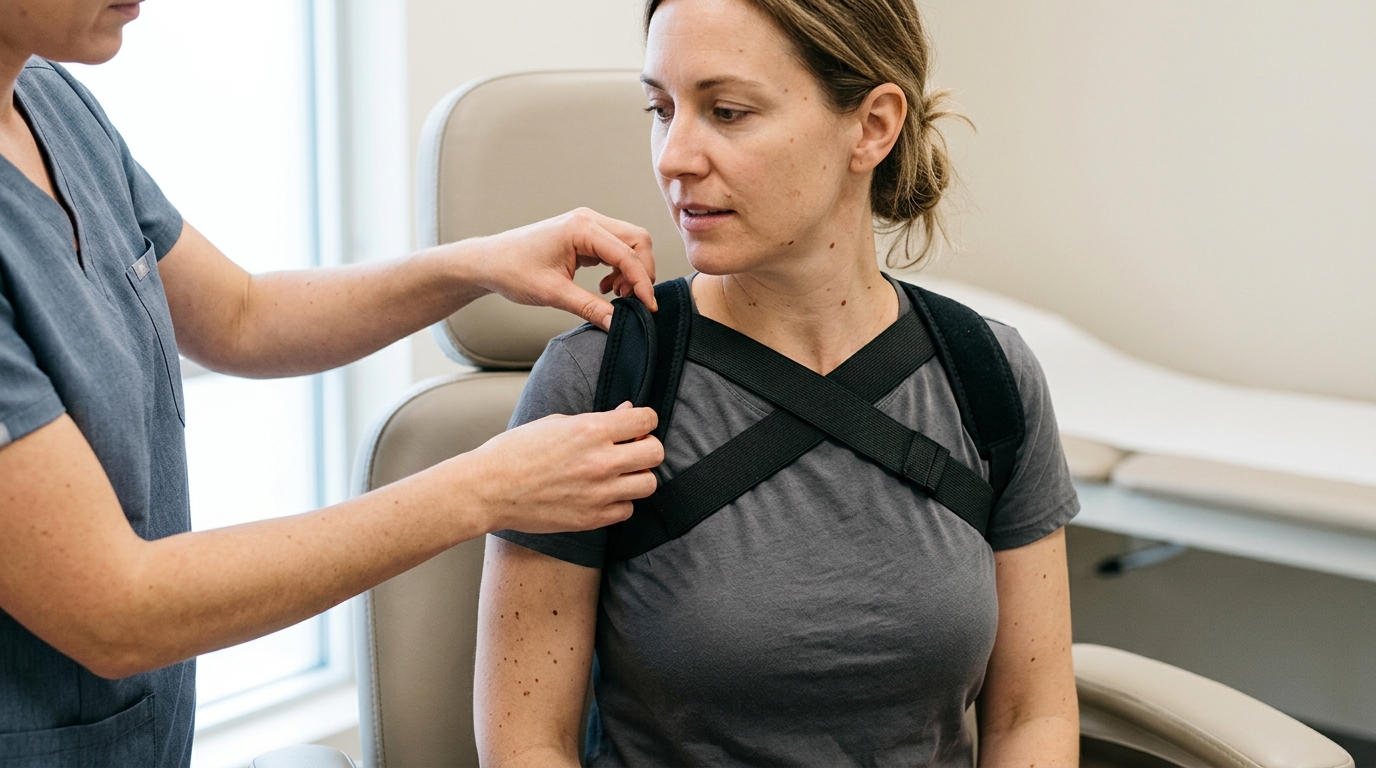
Current posture corrector reviews and clinical research point to the same bottom line: braces and wearable trainers are reminders, not magic fixes. A lightweight, adjustable design that gently cues your shoulders is usually more useful than a rigid brace that forces you into place. Electronic trainers can add vibration or app-based feedback when you slouch, but their value depends on accurate alerts, simple controls, and whether you will actually use them every day. Before buying, check comfort, adjustability, battery life, skin contact, return terms, and the refund policy, because a product that sits unused is money wasted.
These tools work best as part of a broader plan, not as a replacement for it. Pair your device with a better desk setup, mobility exercises for the chest and upper back, and strengthening exercises for the back and core. Start with short wearing periods and follow the instructions, since excessive tightness or all-day use may cause discomfort and can make you rely on the brace instead of building strength. Stop using it if you notice skin irritation, increased pain, weakness, or unusual pressure.
Persistent pain, tingling, numbness, weakness, or pain that travels into an arm or leg deserves attention from a qualified healthcare professional. A posture corrector may help you notice slouching, but it cannot diagnose or treat the cause of ongoing symptoms. The smartest review is practical: look for gentle support, reliable reminders, clear instructions, and a fair return policy. Then judge the product by whether it helps you move more comfortably and consistently.
Posture Corrector Prices And Refund Policies
The checkout price is only the starting point when you review a posture corrector. Check whether the advertised amount includes shipping, taxes, accessories, and handling fees before you pay. Some offers quietly add a subscription, auto-renewal, or follow-up shipment, so confirm the billing schedule and cancellation steps. A low introductory price can become expensive if the regular charge appears later. Treat countdown timers and “today only” discounts as sales tactics, not proof that the product works.
Refund terms deserve the same scrutiny as the product claims. Look for the exact refund window, whether return shipping comes out of your refund, and whether the item must be unopened or returned in its original packaging. Vague promises such as “guaranteed results” mean little if the policy does not clearly explain how to request your money back. Also check whether the warranty covers normal wear, broken straps, electronic parts, or only manufacturing defects. Save your receipt, order number, and cancellation confirmation in case support makes you fight for a refund.
A sensible posture corrector review should separate comfort and usability from bold sales-page promises. These devices may offer short-term reminders or biofeedback, but evidence does not show that a brace alone permanently fixes slouching, neck pain, or back pain. Before buying, compare the full cost with how often you can realistically wear it, and avoid paying extra for rigid features you may quickly abandon. If the page makes medical claims without evidence, hides recurring billing, or pressures you to buy before you can read the terms, walk away.
What Posture Corrector Shoppers Should Know
The best posture corrector reviews focus on practical features, not bold promises. Look for adjustable straps, breathable materials, light construction, and a design that gently reminds you to sit or stand taller without forcing your body into place. Simple controls and clear sizing instructions also matter, especially if the product uses vibration or another alert. A corrector may help as a short-term reminder, but it is not a standalone cure for slouching, neck pain, or back pain.
You may benefit from a posture corrector if you spend long hours at a desk, often catch yourself hunching, or want extra feedback while building better habits. Comfort should lead your decision, because a rigid brace that pinches, rubs, or limits movement will probably end up in a drawer. Use it alongside regular movement, basic strength and mobility work, and sensible desk setup changes. If you have ongoing pain or a medical condition, get professional advice instead of relying on a product review or sales claim.
Before buying, check the ClickBank product page for the exact features, sizing details, customer support information, and any usage limits. Read the refund terms carefully, including the deadline, return steps, and whether digital or bundled items have separate conditions. Consistent, comfortable use is more valuable than flashy marketing, so choose the product you can realistically wear and use as directed. Compare those ClickBank details and refund terms before using any direct httpsco affiliate link.
Choose a Posture Corrector You’ll Actually Wear
Posture corrector reviews are most useful when they cut through bold promises and focus on real daily use. Look for a lightweight, adjustable design that gently reminds you to sit or stand taller without digging into your shoulders. Electronic trainers can provide helpful vibration cues, but neither braces nor gadgets should be treated as a cure for pain or poor posture. The strongest choice is the one you can wear comfortably and consistently while also adding movement, mobility work, strength exercises, and better desk setup habits.
Before you buy, check sizing, battery needs, cleaning instructions, customer feedback, and the refund policy, because small details can make or break your experience. Be wary of rigid designs, miracle claims, and sales pages that hide important terms behind hype. If you want to make healthy routines easier alongside posture work, focus on practical support for consistent habits. Use posture correctors as reminders, judge products by comfort and transparency, and keep your expectations grounded.
Frequently Asked Questions
1. What should you look for in posture corrector reviews?
Focus on fit, comfort, adjustability, materials, and whether the product stays in place during normal movement. Good reviews also examine the sales claims, price, customer support, and refund policy instead of repeating marketing hype. A corrector that you can wear consistently is usually more useful than a rigid brace that feels miserable after ten minutes.
2. Do posture correctors permanently fix bad posture?
No. Most posture correctors act as reminders or biofeedback tools, helping you notice when your shoulders round or your body drifts out of position. Lasting improvement usually requires regular movement, basic strengthening, mobility work, and a better desk or workstation setup.
3. Are posture correctors helpful for neck or back pain?
They may remind you to change position, but they are not proven standalone cures for neck or back pain. Pain can have many causes, and forcing your body into a rigid position may make discomfort worse. Stop using a corrector if it causes pain, numbness, tingling, or breathing trouble, and seek medical advice for ongoing or severe symptoms.
4. How long should you wear a posture corrector each day?
Start with short sessions, such as 15 to 30 minutes, and pay attention to how your body responds. Increase wear time only if the device remains comfortable and does not leave painful pressure marks or restrict movement. Do not treat it like armor. Your goal is to build awareness and better habits, not depend on the brace all day.
5. Is a vibration or app-based posture corrector better than a brace?
Neither option wins automatically. A brace uses gentle tension, while a vibration or app-based device gives you a digital reminder, so the better choice depends on which feedback you will actually tolerate and use. Ignore flashy features unless they improve consistency, tracking, or comfort in your daily routine.
6. Can you wear a posture corrector under clothing?
Some slim designs can be worn under loose clothing, but straps, seams, and bulky materials may show or rub against your skin. Check the sizing instructions and test the product at home before wearing it for a full day. If it pinches, slips, overheats, or becomes noticeable enough to distract you, it is the wrong fit.
7. Are ClickBank posture corrector products worth the money?
A ClickBank product is worth considering only if its design, comfort, claims, and refund terms hold up under scrutiny. Be skeptical of promises that a brace will permanently repair posture or eliminate pain without exercise or habit changes. Before buying through a direct link from httpsco, confirm the total price, billing terms, customer support details, and refund window.
8. What should you do if a posture corrector feels uncomfortable?
Take it off and check the size, strap position, and adjustment settings before trying it again. Mild awareness or gentle tension can be normal, but sharp pain, numbness, skin damage, breathing difficulty, or restricted movement is not. If the product still feels wrong after careful adjustment, use the refund policy instead of forcing yourself to wear it.