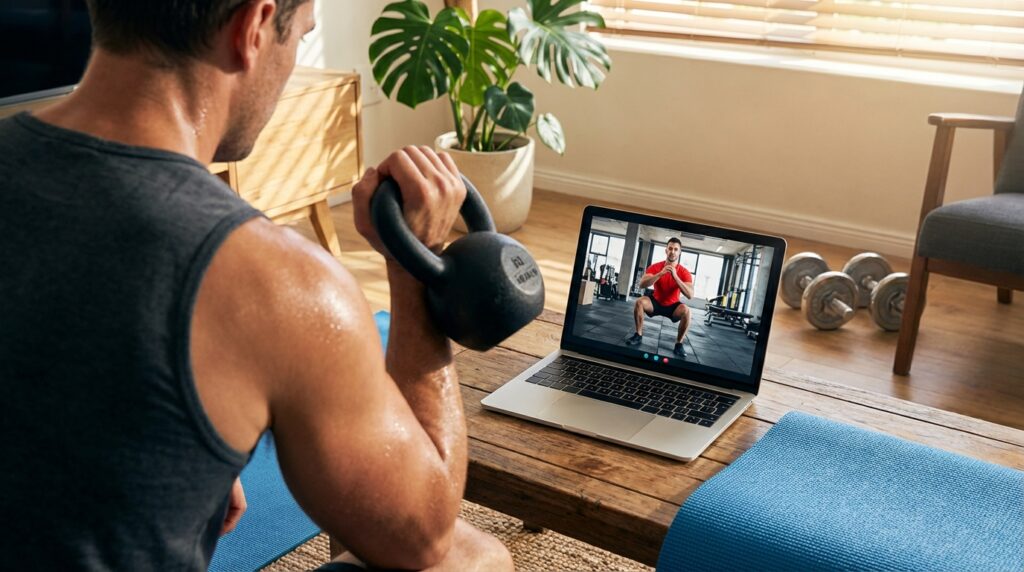
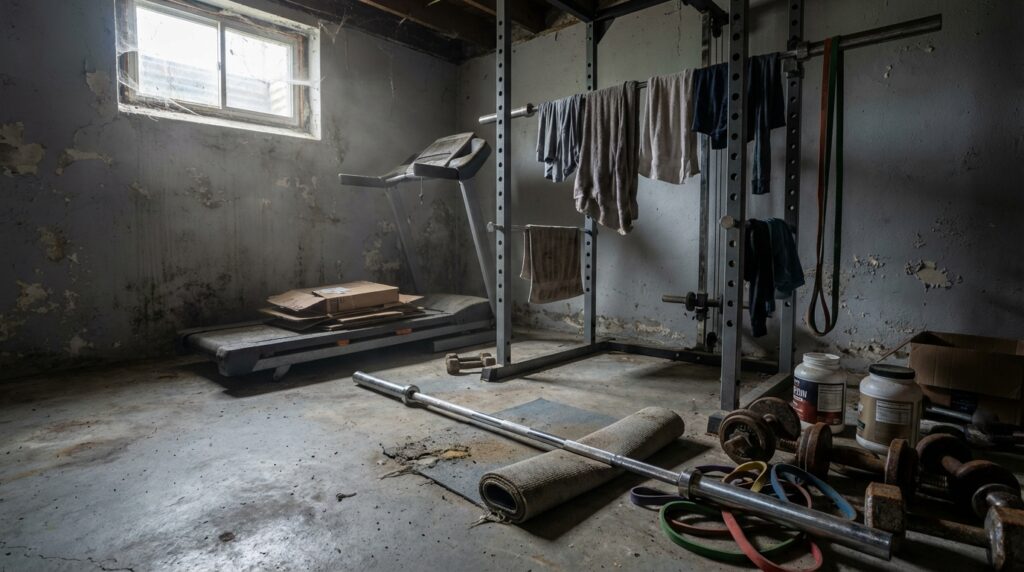
You finally cleared out the garage and have big dreams of getting ripped, but most people end up with a graveyard of dusty gadgets and cracked floorboards instead. It is incredibly easy to fall for flashy marketing and end up making common home gym mistakes that drain your bank account before you even break a sweat. You deserve a space that actually works, not a collection of cheap plastic junk that breaks the moment you try to hit a personal best.
Stop throwing your hard-earned cash at gimmicks that promise a six-pack in six minutes. Real progress requires durable gear and a setup that won’t ruin your house or your joints. We are cutting through the fluff to show you exactly how to build a powerhouse setup without getting scammed by low-quality gear or poor planning.
Key Takeaways
- Adopt a ‘Buy Once, Cry Once’ philosophy by investing in high-quality, durable equipment like power racks and barbells instead of cheap, plastic fitness gimmicks.
- Install 3/4-inch high-density rubber stall mats to protect your subfloor from structural damage and provide a stable, professional lifting surface.
- Perform monthly maintenance by tightening bolts and lubricating moving parts to prevent catastrophic equipment failure and extend the lifespan of your investment.
- Prioritize a functional layout with adequate ‘working diameter’ and proper ventilation to ensure your gym remains a usable training zone rather than a cluttered storage space.
Avoiding The Cheap Equipment Gimmick Trap
Stop falling for those flashy late-night infomercials promising a six-pack for the low price of three easy payments. You have seen the gadgets that fold under your bed or use flimsy resistance bands that snap after a month of real use. These companies spend millions on marketing fluff to distract you from the fact that their equipment is basically overpriced plastic junk. When you buy cheap, you are usually just renting a future piece of landfill real estate. It is time to stop being the easy target for these fitness gimmicks and start thinking like a seasoned pro.
The Buy Once, Cry Once philosophy is the only way to build a home gym that actually lasts through your toughest workouts. It might sting your wallet a bit more upfront to buy a high-quality power rack or a solid barbell, but you will never have to replace them. Cheap gear is a safety hazard that wobbles under pressure and ruins your motivation before you even break a sweat. You want equipment that can take a beating and stay bolted to the floor when things get heavy. Investing in durability means you are prioritizing your progress over a temporary bargain.
Think of your home gym as a long-term investment in your health rather than a collection of trendy toys. Most of those miracle products end up gathering dust or serving as expensive clothes racks because they simply do not work. You deserve a setup that gives you the same confidence as a professional training facility without the monthly membership fees. By cutting through the marketing noise, you can focus your budget on the essential tools that deliver real results. Skip the gimmicks, ignore the flashy sales pages, and build a foundation that will still be standing ten years from now.
Protecting Your Subfloor With Proper Rubber Mats
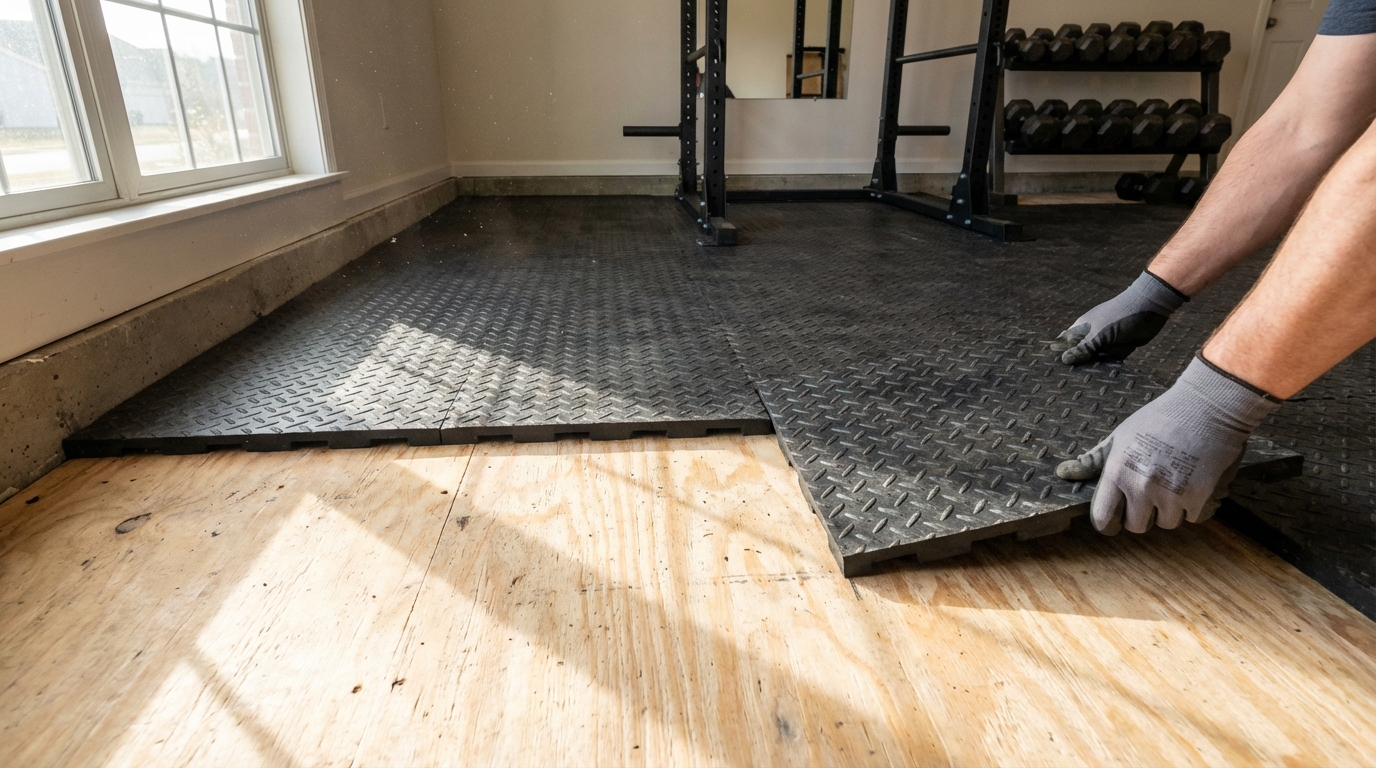
You might think those colorful foam puzzle tiles are a bargain, but they are actually a trap for your wallet and your home. While they feel soft under your feet, they offer zero real protection when a heavy dumbbell or a loaded barbell comes crashing down. That thin layer of foam compresses instantly, allowing the force of the impact to travel straight into your concrete or plywood subfloor. This leads to costly cracks and permanent structural damage that you will eventually have to pay to fix. Investing in cheap flooring is a classic case of buyer’s remorse waiting to happen before you even finish your first workout.
High density rubber stall mats are the only real choice if you want to protect your foundation for the long haul. These heavy duty mats, typically three quarters of an inch thick, are designed to withstand the weight of literal livestock, so they can certainly handle your deadlifts. They do not mush or shift under pressure, providing a rock solid surface that keeps your equipment stable and your floor intact. Unlike foam, high quality rubber absorbs the shock and noise of your training sessions without wearing down or tearing. You should follow the buy once, cry once rule here and get the right gear the first time.
Setting up your space with the right materials saves you from the headache of hidden home repair costs down the road. You want to focus on your gains, not on whether your latest set of squats just shattered the tile underneath your feet. By choosing thick rubber over flimsy foam, you are creating a professional environment that actually supports your fitness goals. It is a one time investment that secures your home and ensures your gym remains a functional, safe place to train. Skip the marketing gimmicks and stick to the heavy duty stuff that actually works for serious athletes.
Essential Maintenance For Long Term Safety
Maintenance is the silent killer of home gym safety and your bank account. You probably spent a small fortune on that shiny new power rack or treadmill, but it is not a set it and forget it investment. Over time, the vibration from your heavy lifts or those long cardio sessions will loosen even the toughest bolts. If you are not regularly checking the structural integrity of your gear, you are basically waiting for a catastrophic failure to happen mid set. A quick five minute inspection every month keeps your equipment solid and prevents you from having to buy expensive replacements when things snap.
Most people treat their equipment like furniture, but you need to treat it like a high performance machine. Moving parts like cable pulleys and treadmill belts require consistent lubrication to avoid friction that grinds down the internal components. When you ignore that squeak or let dust build up in the tracks, you are forcing the motor to work twice as hard and shortening its lifespan. Buying a cheap bottle of silicone oil is a tiny price to pay compared to the hundreds of dollars you will drop on a new motor or a snapped cable. We want you to spend your money on results, not on repairing avoidable damage.
Safety is not just about how you lift, but about the environment you create for yourself. Neglecting the floor under your heavy weights can lead to cracked concrete and unstable lifting surfaces that invite ankle injuries. High density rubber mats are essential for absorbing impact and keeping your gear from shifting during high intensity movements. You worked hard for the money you invested in your fitness journey, so do not let a lack of basic upkeep turn your sanctuary into a hazard zone. Keep your tools sharp and your space secure so you can focus on the work that actually matters.
Planning Your Space For Better Workout Flow
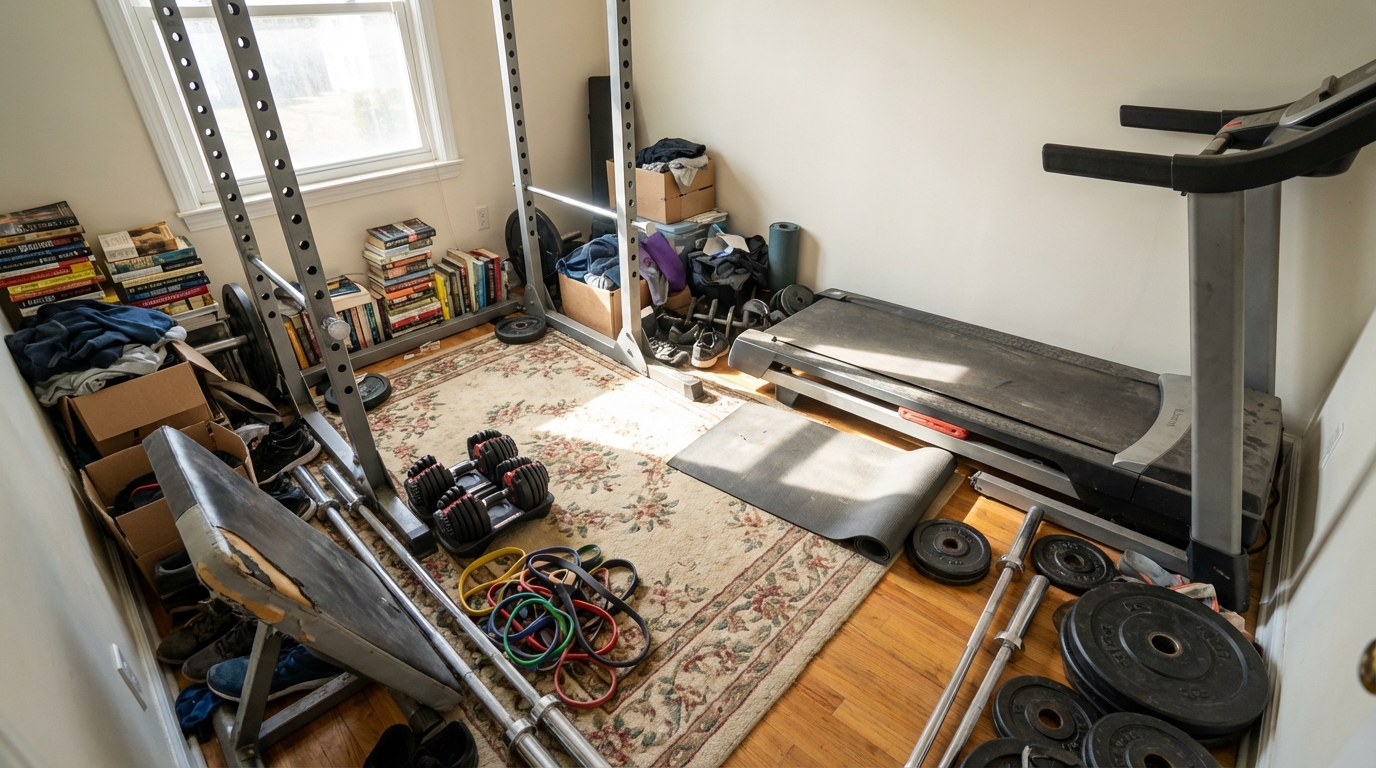
You are likely itching to fill that empty garage or spare bedroom with every shiny piece of equipment you see online, but a cluttered floor is the fastest way to kill your workout momentum. Most people make the mistake of treating their workout space like a storage unit rather than a functional training zone. You need to account for your working diameter, which is the actual space you need to move, jump, and lift without hitting a wall or tripping over a bench. If you have to play a game of Tetris just to do a set of lunges, you will eventually stop showing up. A smart layout prioritizes a clear central area and keeps bulky racks against the perimeter to ensure you have room to breathe.
Ventilation and lighting are the unsung heroes of a home gym that you probably ignored during your initial shopping spree. Working out in a stagnant, dimly lit basement feels more like a chore than a lifestyle upgrade, leading to shorter sessions and lower intensity. You should prioritize airflow with high quality fans and ensure your lighting is bright enough to keep your energy levels high. Don’t forget about the foundation of your space, as thin foam tiles are a total waste of money that won’t protect your subfloor from a dropped dumbbell. Investing in thick, high density rubber mats is a non negotiable move if you want to avoid common home gym mistakes and expensive home repairs down the road.
The fitness industry loves to sell you on the idea that more stuff equals better results, but that is a marketing trap designed to empty your wallet. You do not need a dozen specialized machines when a solid power rack and a quality barbell can handle ninety percent of your training needs. Before you fall for a high priced digital subscription or a flimsy folding treadmill, ask yourself if the gear actually fits your long term goals. Building a gym that works for you is about choosing durable, multi purpose tools over flashy gadgets that will just end up collecting dust. Stay skeptical of the hype and focus on creating a streamlined environment that removes every excuse to skip a sweat session.
Stop Buying Expensive Clothes Hangers
Building a home gym should be a win for your wallet and your health, but it often becomes a graveyard for expensive clothes hangers and cracked floor tiles. You do not need a room full of shiny gadgets or miracles that promise results in five minutes a day. The biggest trap is the temptation to go cheap on the essentials, which only leads to gear that snaps, wobbles, or collects dust. Stick to the buy once, cry once philosophy by investing in high-quality, durable basics like a solid power rack or a real barbell. Real progress comes from tools that last, not plastic gimmicks that end up in a landfill by next season.
Protecting your investment starts from the ground up, so do not even think about dropping heavy weights on bare carpet or thin foam. Proper high-density rubber flooring is the only way to save your subfloor from expensive structural damage and keep your neighbors from hating you. Beyond the gear, the ultimate mistake is forgetting that a home gym requires a plan to keep you showing up when the couch is calling your name. Without a structured digital program or a clear roadmap, your fancy new equipment becomes nothing more than a monument to good intentions. Choose tools and programs that challenge you, ignore the marketing fluff, and focus on building a healthy and comfortable space that actually makes you want to put in the work.
Frequently Asked Questions
1. Why should I avoid cheap fitness gadgets from TV commercials?
Most of those flashy gadgets are just overpriced plastic junk designed to break or end up in a landfill. You are better off investing in real gear that can handle a tough workout without snapping or wobbling.
2. What does Buy Once, Cry Once actually mean for my home gym?
It means you should pay a bit more for quality equipment today so you never have to buy it again. Spending money on a solid power rack or barbell now saves you from the safety hazards and replacement costs of cheap gear later.
3. Is it really dangerous to use low quality gym equipment?
Absolutely, because flimsy gear can collapse or fail when you are lifting heavy weights. You need equipment that stays bolted to the floor and provides a stable base so you can focus on your gains instead of your safety.
4. How can I tell if a piece of equipment is just a gimmick?
If a product promises a six pack in minutes or uses thin resistance bands as its main selling point, it is likely a scam. Real progress comes from durable tools, not foldable machines that hide under your bed.
5. Will buying expensive gear actually help me stay motorized?
High quality equipment makes your workouts feel professional and keeps you coming back for more. Nothing kills your drive faster than a wobbly bench or a barbell that feels like it might snap in your hands. This commitment to quality is a key part of biohacking your healthspan and ensuring you stay active for decades.
6. What is the biggest mistake people make when starting a home gym?
The biggest trap is falling for marketing fluff and filling your space with cheap items that do not last. Focus on building a powerhouse setup with a few pieces of heavy duty gear instead of a room full of dusty gadgets.