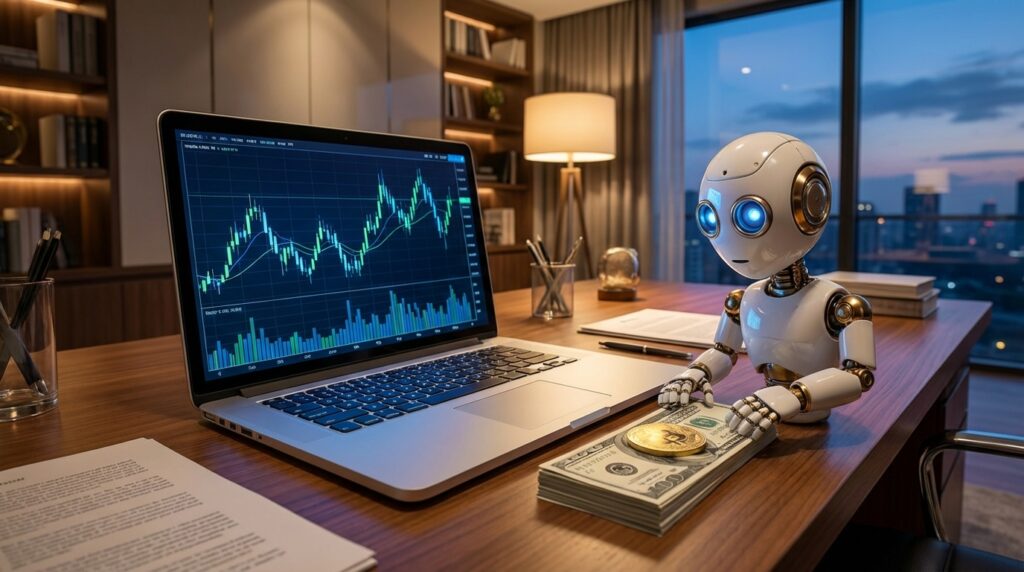
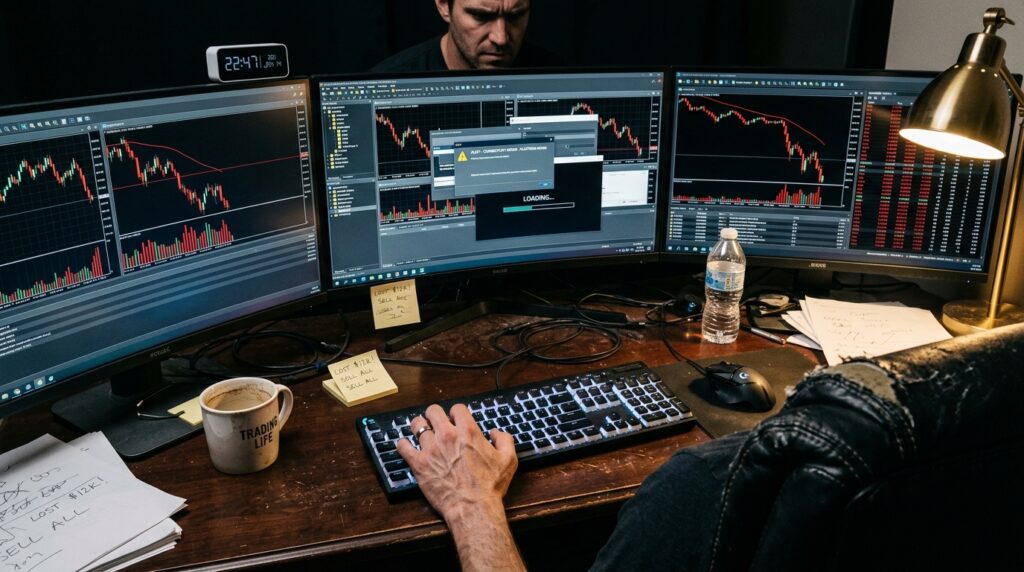
You’ve probably seen the flashy ads promising that a single piece of code can turn your laptop into a money-printing machine. The truth is that even the most expensive tools are prone to day trading software mistakes that can wipe out your account before you’ve finished your morning coffee. Whether it’s a glitchy algorithm or a system that “cheats” during testing by looking at future data, these technical traps are waiting to snag anyone who trusts their software too blindly.
We’ve spent years dissecting these platforms, and most of them are filled with more fluff than actual functionality. You deserve a setup that accounts for real-world messiness like slippage and hidden fees rather than one that only works in a perfect, imaginary market. Stop being the victim of bad programming and start looking at your tools with the healthy dose of skepticism they deserve.
Key Takeaways
- Backtesting results are often an illusion caused by overfitting and look-ahead bias, where software ‘cheats’ by using future data or memorizing past patterns that won’t repeat.
- Slippage and latency lag are silent account killers that turn theoretical profits into real-world losses by filling orders at unfavorable prices or using outdated market data.
- Relying on dirty data or unverified feeds creates a foundation of lies, as missing price spikes and ignored gaps can make a failing strategy appear like a winner.
- True trading success requires skepticism toward ‘magic’ algorithms and a focus on tools that prioritize realistic risk management, transparent data, and transaction costs over marketing fluff.
Algorithmic Overfitting And The Backtesting Illusion
You have probably seen those flashy screenshots of backtesting results that look like a straight line to the moon, but you need to be careful before you buy into the hype. This is often the result of overfitting, where a trader tweaks their software settings so perfectly to fit past data that the strategy becomes useless for the future. It is like memorizing the answers to a specific math test instead of actually learning how to do the math. When market conditions change even a little bit, these over-tuned systems usually crumble because they were never designed to handle real-world randomness.
The backtesting illusion often hides a nasty little secret called look-ahead bias that makes a failing strategy look like a gold mine. This happens when your software accidentally “peeks” at future data during a simulation, making trades based on information that would not have been available in real time. It is easy to feel like a genius when your bot is essentially cheating during its practice runs. You will find that these “perfect” setups vanish the moment you put real money on the line because the software no longer has the benefit of hindsight.
To avoid getting burned by these technical traps, you have to demand radical honesty from your tools and your own testing process. Stop looking for a “holy grail” that promises 100 percent wins and start looking for software that accounts for messy realities like slippage and commission costs. If you want a platform that actually helps you navigate these pitfalls without the fluff, you should check out the options at httpsco for tools that prioritize realistic performance over marketing fantasies. True trading success comes from systems that are built to survive the chaos of tomorrow, not just the cherry-picked data of yesterday.
Hidden Costs Of Slippage And Latency Lag
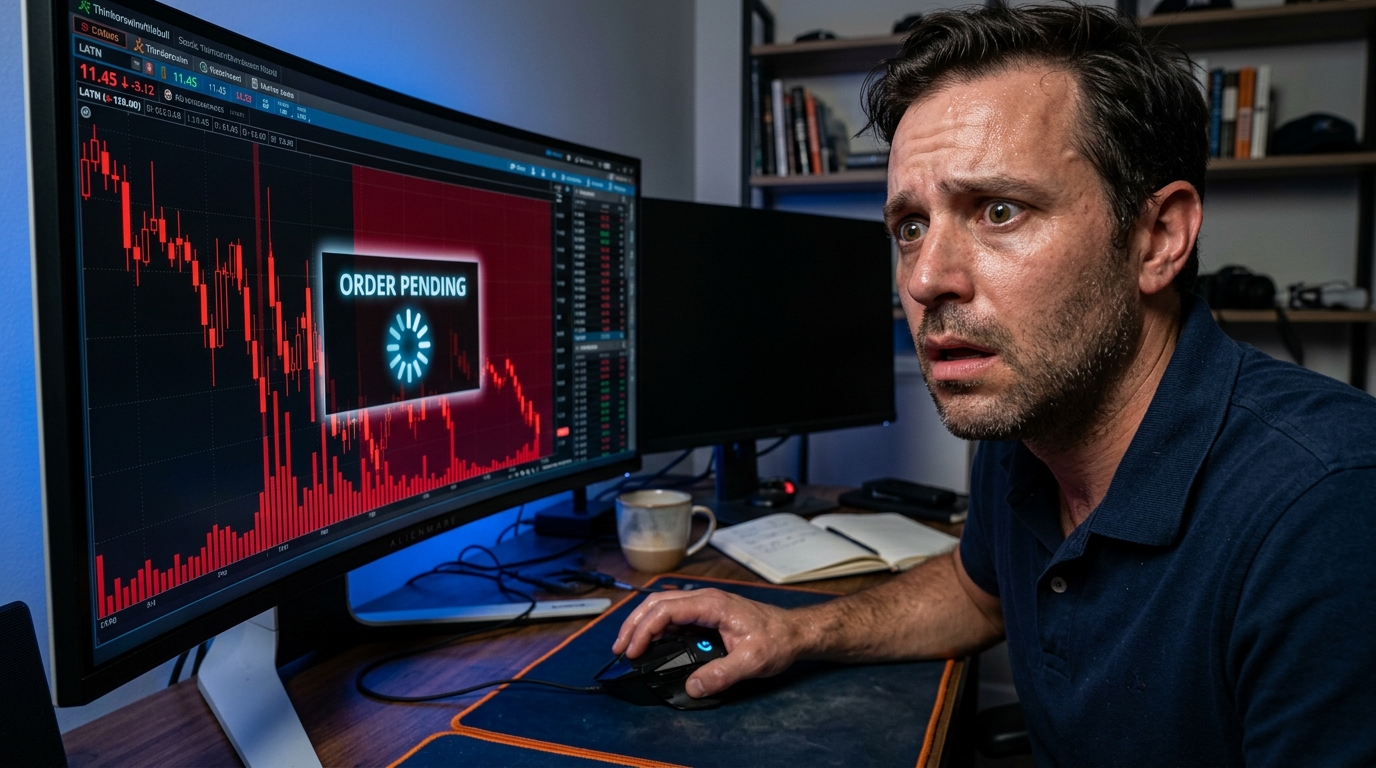
You might think that clicking the buy button at a specific price guarantees you will actually get that price, but the market has other plans. Slippage is the silent killer of day trading accounts, occurring when your order is filled at a different price than you expected due to market volatility or thin liquidity. While a few cents might not seem like a big deal in the moment, these micro-losses add up over hundreds of trades until they completely wipe out your projected gains. Many beginners fall into the trap of testing strategies on paper without accounting for this reality, only to find their real-world balances shrinking every single day.
Latency lag is the other invisible monster hiding inside cheap or poorly optimized trading software. If your platform takes even a fraction of a second longer to send your order to the exchange, you are essentially trading with old news. High-speed institutional algorithms will beat you to the best prices every time, leaving you with the “scraps” of a price movement that has already passed its peak. You cannot win a race if your shoes are tied together, and using slow software is the quickest way to ensure you stay behind the curve.
Ignoring the true cost of doing business is a rookie mistake that turns potentially winning systems into losing ones. Beyond just the bid-ask spread, you have to account for every commission and hidden transaction fee that your software might be glossing over in its flashy reports. A strategy that looks profitable on a spreadsheet can easily become a money pit once you subtract the friction of constant trading. Always interrogate your software’s performance data and ensure you are seeing the raw, ugly truth of your net profits after all these digital tolls are paid.
Look Ahead Bias And Dirty Data Errors
You might think you have discovered a goldmine when your backtesting software shows a perfect upward curve, but you are likely falling for look ahead bias. This sneaky error happens when your code accidentally “peeks” at future data, like using a closing price to trigger a trade that should have happened at the open. It creates a fantasy world where your bot never loses because it already knows the outcome of the day before the trade is even placed. When you take that strategy into the real world, the illusion shatters immediately because you cannot trade on information that hasn’t happened yet. This mistake is a silent account killer that gives you a dangerous, false sense of confidence before you even risk a single dollar.
Dirty data is the other half of this nightmare, and it is more common than most beginners realize. If your software feed is missing price spikes, ignoring gaps, or failing to account for dividend adjustments, you are building your entire career on a foundation of lies. These “glitches” in the data can make a losing strategy look like a winner simply because the software skipped over the moments where the market moved against you. You need to interrogate your data sources and ensure they are high quality, otherwise you are just guessing with your life savings. Relying on unverified feeds is the fastest way to get blindsided by a massive loss that your software never saw coming.
To avoid these disasters, you have to treat your trading tools with a healthy dose of skepticism rather than blind trust. Always double check your logic to ensure your entry signals are based strictly on past and present information, never the “future” candle. It is also vital to run small, live tests with tiny positions to see if your software performs the same way it did in the simulation. If the results do not match up perfectly, you likely have a data or bias issue that needs to be fixed before you scale up. Protecting your capital starts with identifying these technical traps before the market does it for you.
Stop Chasing Magic and Avoid Shiny Traps
Choosing a trading bot shouldn’t feel like you are decoding a secret message or falling for a high pressure sales pitch. The truth is that the flashy ads often hides the most dangerous flaws, like unrealistic backtesting results that ignore the actual cost of doing business. You deserve a tool that is honest about slippage and latency, commissions, and the messy reality of the live market. Instead of chasing a magic algorithm that promises a hundred percent win rate, look for simple systems that prioritize risk management and transparent data. We have seen too many beginners lose their shirts because they trusted a shiny interface over solid, boring logic.
The best way to protect your capital is to stop believing the hype and start questioning the software. If a program claims to have found a “secret hack” to the markets, it is likely just overfitting its strategy to past data that will never repeat exactly the same way again. Real success comes from using automated trading bots that don’t hide their mechanics or pretend that transaction costs don’t exist. You need to be the skeptic in the room who demands proof and refuses to be dazzled by complex jargon that says nothing. Keeping your setup clean and your expectations grounded is the only way to survive the volatility of modern day trading.
Before you commit your hard earned money to an automated system, make sure you are fully aware of the traps that catch most newcomers. We are here to pull back the curtain and show you exactly what to look for so you can trade with confidence and clarity. To ensure you are not falling for a platform that overpromises and underdelivers, discover how we can help by reading our guide on trading signal service mistakes that drain your account. Taking this step now will save you from the expensive technical failures that plague traders who don’t do their homework and fail to research refund policies before signing up.
Frequently Asked Questions
1. What exactly is algorithmic overfitting?
Overfitting happens when you tweak your software settings so much that they only work for one specific set of past data. It is like memorizing the answers to yesterday’s test instead of actually learning the subject. When the market changes even a tiny bit, these systems usually fall apart because they cannot handle real world randomness.
2. How does look-ahead bias cheat the system?
This happens when your software accidentally peeks at future data during a simulation to make trades. It makes a failing strategy look like a gold mine because the bot is using information that would not actually be available in real time. You end up feeling like a genius during practice runs only to lose everything in a live market.
3. Why do my backtesting results look different from my live trades?
Most software creates a perfect, imaginary world that ignores real world messiness like slippage and hidden fees. If your tool does not account for the gap between the price you want and the price you actually get, your profits will vanish. Stop trusting the flashy screenshots and start looking for tools that handle these harsh realities.
4. Can I trust high priced trading software to protect my account?
Price tag does not equal protection. Even the most expensive tools are prone to glitches and bad programming that can wipe out your account before you finish your morning coffee. You need to maintain a healthy dose of skepticism and never trust any piece of code blindly.
5. What should I look for in a reliable trading setup?
You need a system built on actual functionality rather than marketing fluff. Look for software that prioritizes transparency and accounts for the friction of the real market. If a sales page promises a money printing machine with zero effort, it is probably a trap waiting to snag you.
6. How can I avoid the backtesting illusion?
Stop chasing those perfectly straight lines on a graph and start interrogating the data. You must ensure your software is not cheating by looking ahead and that your strategy is not over tuned to the past. Real success comes from a system that can handle the messy, unpredictable nature of live trading.