Your home office shouldn’t just be a laptop balanced on a pile of laundry. Calculating your remote work setup cost might feel like a punch to the wallet upfront, but the math actually works in your favor. While you’re shelling out for a decent chair now, you’re looking at pocketing up to $11,000 a year by ditching the commute and those overpriced office salads.
By mid-2026, the market has finally settled, offering clear tiers for every budget whether you’re a minimalist or a tech enthusiast. You don’t need a massive budget to stop your back from aching, but you do need to know where your money actually matters. We’re cutting through the marketing fluff to show you exactly what a functional workspace costs without the hidden fees or useless gadgets.
Key Takeaways
- Investing in a home office pays for itself by saving up to $11,000 annually on commuting, meals, and professional attire.
- Prioritize high-quality ergonomic seating and a standing desk as the foundation of your setup to prevent chronic pain and long-term medical costs.
- Select a budget tier—Starter ($500), Mid-Range ($1,000–$1,500), or Premium ($3,000+)—based on your need for durability, screen real estate, and professional-grade peripherals.
- Account for hidden infrastructure costs like electrical upgrades, soundproofing, and cable management before exhausting your budget on visible furniture.
Budgeting For The Three Tiers Of Home Office Gear
Investing in your home office is a strategic move to protect your long term health and productivity. If you are just starting your transition to the laptop lifestyle, the starter tier provides the essentials for roughly 500 dollars without draining your savings. You can snag a basic electric standing desk and a decent mesh chair that keeps your spine aligned during those long afternoon grinds. We have seen plenty of people try to work from a kitchen stool, but trust us when we say your lower back will demand a real setup within a week. This entry level investment is the bare minimum required to stop treating your body like an afterthought while you build your remote career.
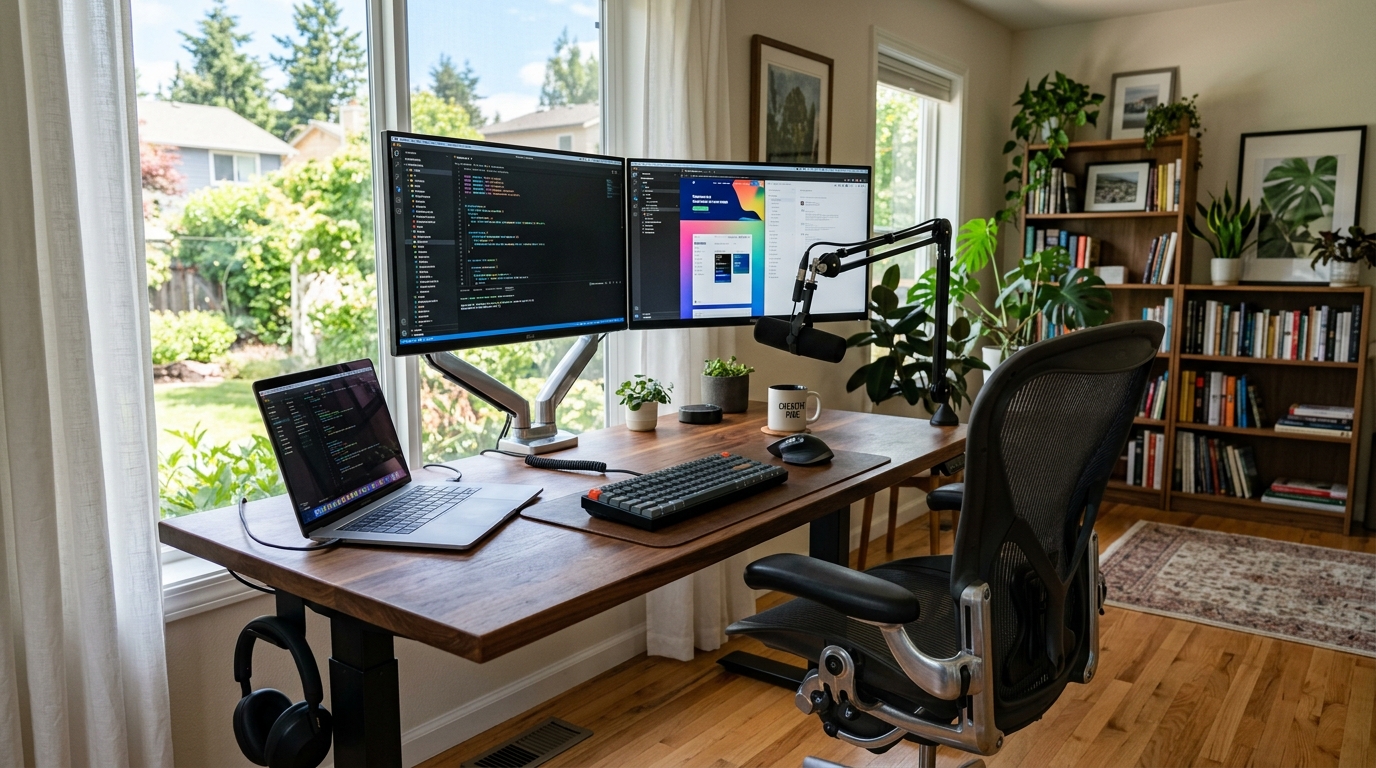
Moving into the mid range tier is where you start to see a massive jump in daily comfort and professional output. Budgeting between 1,000 and 1,500 dollars allows you to ditch the tiny laptop screen for a dual monitor setup that actually lets you see your work. This level focuses on high quality ergonomic seating and professional grade peripherals like webcams that do not make you look like a blurry ghost on video calls. It is the sweet spot for the serious professional who wants gear that lasts more than a single season of heavy use. You are paying for durability and better materials here, ensuring that your equipment supports your workflow instead of creating constant technical friction.
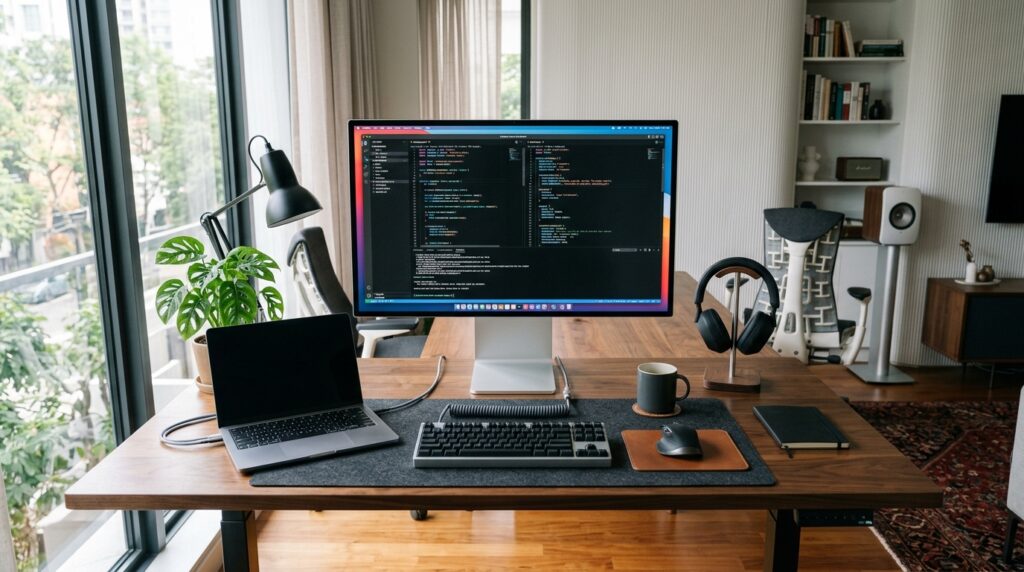
The premium tier is reserved for those who view their home office as a high performance cockpit for their entire professional life. When you cross that 3,000 dollar threshold, you are investing in top tier ergonomic engineering and ultrawide displays that transform how you interact with data. These setups often include chairs designed by world class engineers to support every micro movement of your body throughout the day. While the price tag might seem steep at first glance, the cost is easily justified when you consider the thousands of dollars saved on commuting and medical bills for repetitive strain injuries. This is not about showing off a fancy desk, but rather about building an elite environment where you can do your best work without physical distractions.
Ergonomic Furniture And High Performance Tech Expenses
Investing in a high end home office is not about buying fancy toys, it is about protecting your spine and your sanity while you work. When you step into the premium tier of remote work gear, you are looking at a budget between 3,000 and 5,000 dollars to get the job done right. A top tier ergonomic chair alone can cost over 1,500 dollars, but it is designed to support your body for a decade or more. These chairs use advanced materials that respond to your movements, ensuring you do not end your day with a literal pain in the neck. You are paying for engineering that keeps you productive and out of the physical therapist’s office.
Your visual setup is the next big ticket item that requires a serious financial commitment. Ultrawide monitors have become the gold standard for high performance professionals because they eliminate the clunky gap found in dual screen setups. A quality 49 inch curved display can easily run you 1,200 dollars, but the boost in focus and screen real estate is undeniable. Pairing this with a heavy duty electric standing desk allows you to transition between sitting and standing without wobbling your expensive tech. This setup is a significant upfront investment, but it pays for itself when you consider the thousands of dollars saved on commuting and office attire every year.
Navigating Employer Stipends And Hidden Remodeling Fees
Leveraging a company stipend is your first move in building a professional workspace, but you need to be smart about how that money is spent. While the average 1,500 dollar allowance sounds generous, it disappears quickly when you prioritize high end ergonomic furniture and premium tech. You are likely moving toward a lifestyle that demands a high performance environment, so you must distinguish between flashy gadgets and gear that actually protects your back and eyes. Do not let a shiny sales page distract you from the reality that a top tier chair and a reliable standing desk are the foundations of your productivity. You are essentially investing in your own physical longevity, so make sure every cent of that stipend goes toward equipment that can handle a forty hour work week.
Hidden costs are the silent budget killers that many professionals overlook until the drywall is already open. If you are upgrading to a premium setup with ultrawide monitors and high powered computing rigs, your existing electrical upgrades might not be up to the task. You might find yourself needing a dedicated circuit or professional soundproofing to keep your home life from bleeding into your video calls. These structural tweaks can easily double your initial budget if you are not careful. It is better to interrogate your space now and identify these needs before you blow your entire stipend on a designer desk that leaves no room for necessary infrastructure.
Navigating these expenses requires a skeptical eye toward marketing fluff that promises a perfect office for pennies. High end gear is a financial investment that pays off in reduced fatigue, but only if you account for the total cost of ownership. Beyond the visible furniture, you have to factor in high speed connectivity, cable management, and perhaps even acoustic panels for a truly professional sound. You are saving thousands of dollars a year by not commuting, so it makes sense to reinvest some of those savings into a space that actually works. Be honest with yourself about what your specific workflow requires and avoid the trap of buying low quality items that will need replacing in six months.
Why High-End Gear Pays You Back
Investing in a high end remote work setup might feel like a punch to the wallet today, but it is the smartest financial move you can make for your future self. When you drop a few thousand dollars on a premium ergonomic chair or a high performance standing desk, you are not just buying furniture, you are buying insurance against chronic back pain and midday slumps. Think of this as a capital expense for your personal productivity engine rather than just another shopping bill. By spending more upfront, you eliminate the need to replace cheap, flimsy gear every twelve months while protecting your physical health from the toll of a sedentary lifestyle. The math is simple because a comfortable body works faster, stays focused longer, and avoids the massive medical costs associated with poor posture.
You are already saving a small fortune by cutting out the daily commute and overpriced office lunches, so it makes sense to reinvest those savings into your professional headquarters. Those thousands of dollars you save on gas and car maintenance every year provide the perfect budget to build a workstation that actually inspires you to get things done. A professional grade environment signals to your brain that it is time to perform, effectively separating your home life from your hustle. Do not settle for a kitchen chair and a cramped laptop screen when your career deserves a command center. If you are curious about what living globally actually costs in 2026, you can see how these remote work budgets fit into a larger lifestyle of travel and freedom. If you are looking to optimize other areas of your professional life while managing your new home office budget, you should discover how our How Much Remote Bookkeeping Service Costs Really Are In 2026 can help you keep your business finances as streamlined as your workspace.
Frequently Asked Questions
1. How much do I really need to spend to start working from home?
You can get a functional, spine-saving setup for roughly 500 dollars. This starter tier covers an electric standing desk and a mesh chair, which is the bare minimum to stop treating your body like an afterthought. Don’t settle for a kitchen stool unless you want a massive chiropractic bill later.
2. Is it worth spending more than 1,000 dollars on my home office?
Moving into the 1,000 to 1,500 dollar range is a significant improvement for your productivity. This budget lets you ditch the tiny laptop screen for a dual monitor setup and professional grade peripherals. It is a strategic move that pays for itself by boosting your daily output and comfort.
3. Can a home office setup actually save me money in the long run?
The math works in your favor because you can pocket up to $11,000 a year by cutting out the commute. When you stop buying overpriced office salads and paying for gas, that upfront gear cost feels like a small down payment on a much larger fortune. Your wallet and your stress levels will thank you.
4. Why shouldn’t I just work from my couch or a kitchen table?
Your lower back will demand a real setup within a week if you try to work from furniture not designed for it. A dedicated desk and ergonomic chair protect your long term health and keep you focused. Professional gear isn’t just about looks, it is about keeping your spine aligned during the afternoon grind.
5. What should I prioritize if I have a limited budget?
Focus your money on a decent chair and a stable desk first. These are the two items that directly impact your physical health and prevent chronic pain. You can always add fancy webcams or extra monitors later once you see the savings from ditching the daily commute.
6. Will the prices for home office gear continue to fluctuate?
The market has finally settled as of mid 2026, so now is the perfect time to buy without overpaying. We have cut through the marketing fluff to show you clear tiers that fit any budget. You can now find high quality gear without the useless gadgets that used to plague the industry. If you want to go beyond furniture, check out our biohacking gadget comparison to see which tools actually improve your longevity.