You’ve probably seen the glossy ads of people glowing in wooden boxes and wondered if your bank account could actually handle the heat. This infrared sauna price guide cuts through the marketing fluff to show you that while luxury custom setups can soar past $50,000, most reliable home models for 2026 sit between a more reasonable $1,500 and $8,000. These units are usually the smartest financial move for your home because they sip electricity and don’t require a contractor to tear up your bathroom just for a little steam.
Whether you want a portable tent for your apartment or a full-spectrum cabin for the whole family, the cost usually boils down to how many people you want to sweat with and how much tech you crave. A simple one-person cabin is a solid entry point at around $1,500, but if you want the high-end biological benefits of full-spectrum light, be prepared to shell out closer to $15,000. You deserve the truth about where your money is going before you get burned by a flashy sales page that promises the world but delivers a lukewarm closet.
Key Takeaways
- The ‘sweet spot’ for a reliable home infrared sauna in 2026 falls between $1,500 and $8,000, offering a balance of durable wood construction and efficient far-infrared heating.
- Upgrading to full-spectrum technology and premium Grade A Canadian Red Cedar can drive costs toward $15,000, providing targeted biological benefits and superior resistance to decay.
- Budget for hidden installation costs, as larger three or four-person units often require a dedicated 20-amp circuit and professional electrical work to ensure home safety.
- Prioritize structural integrity and heater quality over aesthetic extras like Bluetooth speakers to ensure the unit remains a functional recovery tool for over a decade.
Price Tiers From Portable Tents To Custom Cabins
Navigating the price of infrared saunas requires a sharp eye for where your money actually goes, especially as we head into 2026. If you are just testing the waters or living in a tight apartment, portable tent units ranging from $350 to $1,500 offer a low-stakes entry point into heat therapy. These budget-friendly options usually plug into a standard outlet and get the job done, but do not expect them to be the centerpiece of your home spa. They are the utility players of the industry, focused on basic functionality rather than the longevity and aesthetic appeal of a permanent wood cabin.
Stepping up into the $1,500 to $8,000 range is where most serious home buyers find their sweet spot with solid wood cabins. A standard two-person unit in this bracket is the industry favorite, providing enough room to breathe without requiring a massive renovation of your master suite. You will start seeing better materials like Canadian hemlock or cedar and more efficient far-infrared heating that distribute heat evenly. While these units are incredibly energy efficient compared to traditional steam rooms, keep in mind that larger three or four-person models might require you to call an electrician for a dedicated 20-amp circuit.
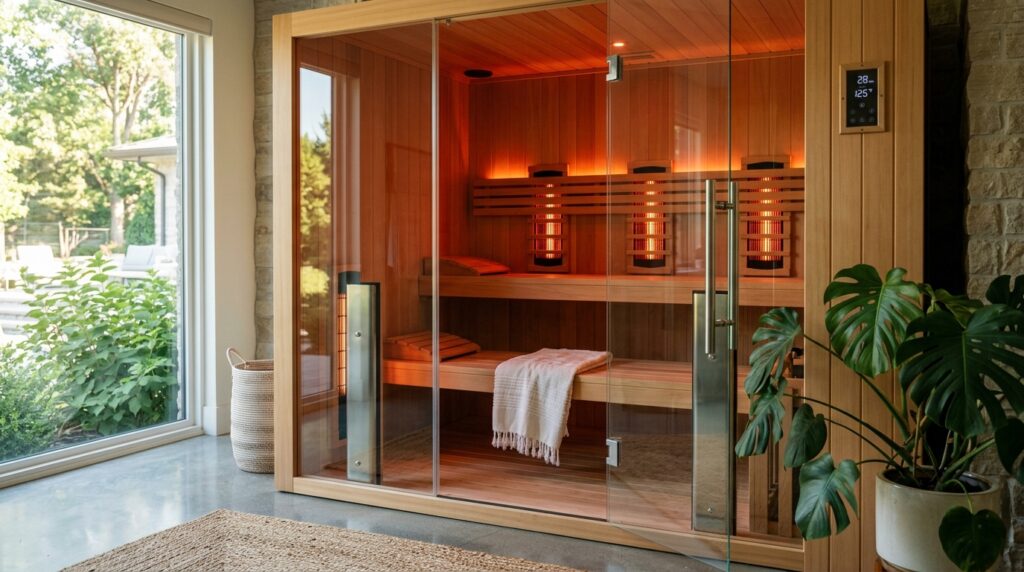
For those who view wellness as a long-term investment, the luxury and custom tier can easily climb from $15,000 to over $50,000. This is where you move beyond simple far-infrared and into full-spectrum masterpieces that target everything from skin health to deep tissue recovery. These high-end installations are often built into the architecture of your home, featuring premium glass, advanced touch-screen controls, and medical-grade heating elements. You are not just buying a box of hot air at this level, you are installing a high-performance recovery lab designed to last a lifetime.
Hidden Costs Of Heater Technology And Wood Quality
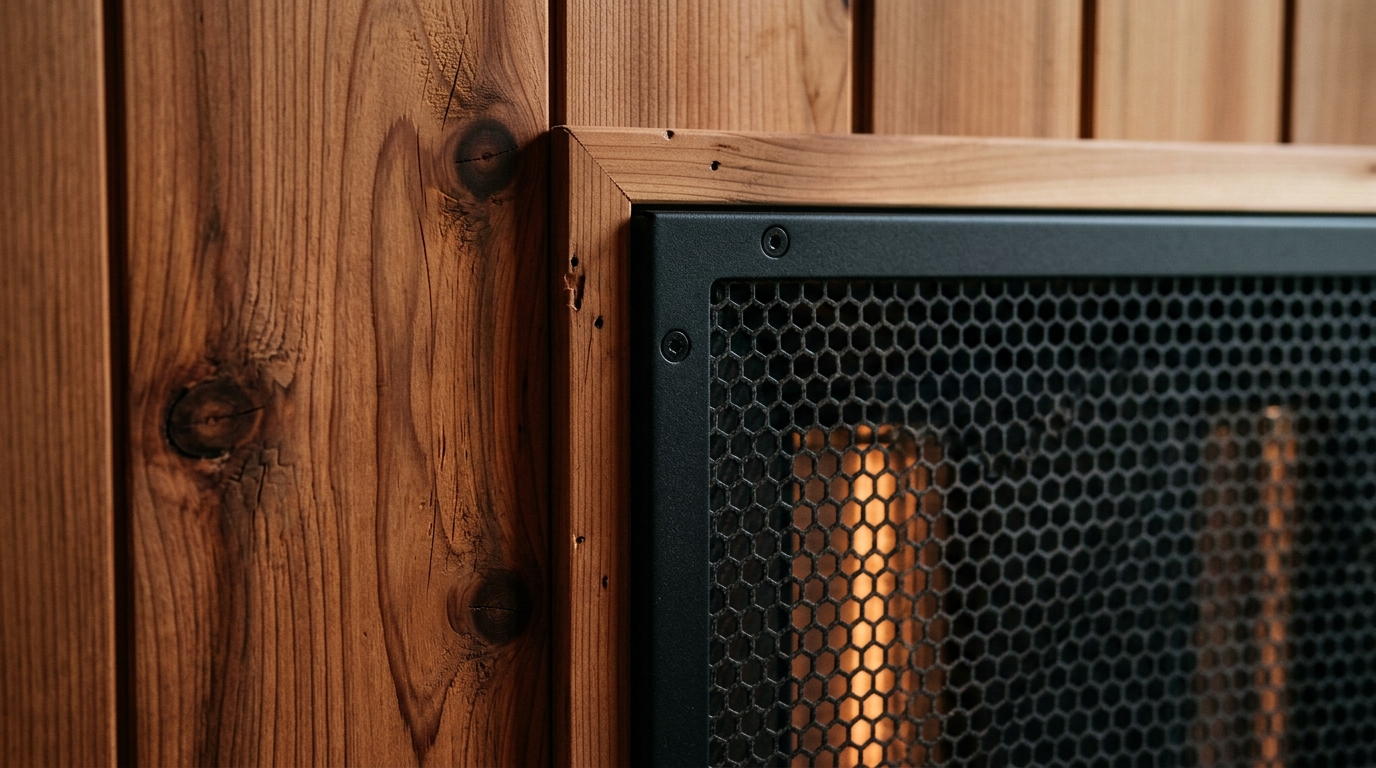
When you are shopping for a home sauna, the price tag often boils down to what is under the hood and what is holding it all together. You will notice that entry level models frequently use carbon heaters and hemlock wood to keep costs between 1,500 and 3,000 dollars. While hemlock is a sturdy and sustainable softwood, it lacks the natural resistance to decay and the aromatic experience found in premium builds. Carbon heaters provide a steady stream of far infrared heat, but they do not offer the biological punch of more expensive technology. This setup is perfect if you want a basic sweat without breaking the bank, but it is the budget friendly baseline for a reason.
Stepping up to the 5,000 to 15,000 dollar range means you are paying for full spectrum technology that targets your body with near, mid, and far infrared waves. This advanced heating system requires more sophisticated engineering and high quality emitters to ensure you get the specific biological benefits you are paying for. You will also see a shift toward Grade A Canadian Red Cedar, which is the gold standard for longevity and heat insulation. Cedar contains natural oils that act as an anti fungal agent, meaning your investment will actually last for decades rather than a few years. Splurging here is not just about luxury, it is about buying a piece of equipment that handles high heat and moisture without warping or off gassing.
Choosing where to save and where to splurge depends entirely on your long term wellness goals and how often you plan to use the unit. If you are a casual user looking for a quick detox, a hemlock cabin with carbon heaters will serve you just fine for a few years. However, high ticket buyers who view a sauna as a permanent home installation should prioritize the durability of cedar and the therapeutic depth of full spectrum heat. Cutting corners on wood quality often leads to structural issues down the road, while cheap heaters might leave you with a glorified space heater instead of a medical grade recovery tool. It is better to wait and save for a premium build than to settle for a flimsy model that costs more in repairs later.
Installation Fees And Electrical Circuit Requirements
When you are calculating the true out the door cost of your home sanctuary, looking at the sticker price on the sauna is only half the battle. Most compact one or two person models are designed to be plug and play, meaning they work with the standard 120 volt outlets already scattered around your house. However, once you graduate to a three or four person cabin, you are moving into high power territory that your standard home wiring simply cannot handle. These larger units pull more juice to heat the increased square footage, which often triggers the need for a dedicated 20-amp circuit. You should expect to pay an electrician anywhere from $300 to $800 to run this new line, depending on how far your breaker box is from your new wellness room.
Do not let a slick sales page convince you that assembly is the only step between you and a sweat session. If you try to force a high power sauna into a standard 15 amp household outlet, you will be tripping breakers every time the heaters kick into high gear. This is where the skeptical insider knows to look past the marketing fluff and check the electrical specifications before clicking buy. Hiring a pro is not just about convenience, it is a non negotiable safety requirement to ensure your home wiring does not overheat. Factoring in these professional installation fees now prevents a massive headache and an unexpected bill later on.
Beyond the electrical work, you need to consider the physical logistics of getting several hundred pounds of wood and glass into your home. While many manufacturers offer free curbside delivery, that usually means the pallet stays on the sidewalk or in your driveway. Unless you have a few strong friends and a heavy duty dolly, you might need to shell out extra for white glove delivery services. This premium service typically includes bringing the components inside and handles the heavy lifting that could otherwise result in a cracked heater or a strained back. Always verify these hidden logistical costs so your final budget reflects the reality of a fully functional installation.
Finding Your Infrared Sweet Spot
Investing in your longevity shouldn’t feel like a high-stakes gamble with your hard-earned savings. For most people looking to upgrade their home wellness routine in 2026, the two-person cabin priced between $2,500 and $5,500 hits the absolute sweet spot for value. You get the structural integrity and heat retention of a permanent fixture without the eye-watering price tag of a custom $50,000 luxury build. While portable tents are tempting for the budget-conscious, you might also wonder is an infrared sauna blanket worth it for those with even less space or a tighter budget. We recommend prioritizing high-quality carbon heaters and a solid wood frame over flashy Bluetooth speakers or mood lighting that adds zero physical value.
Cutting through the marketing fluff reveals that full-spectrum technology is where the real price jumps happen, often pushing units into the $15,000 range. If your goal is simple detoxification and relaxation, a standard far-infrared model delivers nearly identical results for a fraction of that cost. You are essentially paying for a specific wavelength that, while beneficial, might not be necessary for every beginner’s journey toward a healthier lifestyle. Focus on finding a unit that fits your dedicated electrical circuit and offers a transparent warranty rather than falling for sales pressure. True value is found in a machine that runs efficiently every single day for a decade, not one that looks pretty but breaks after six months.
Building a lifestyle focused on health and longevity requires making smart, calculated financial decisions across the board. Just as you interrogate the cost of a high-end sauna, you should apply that same scrutiny to the home red light therapy devices or food fueling your body every day. If you want to ensure your investment in wellness is supported by a clean, consistent diet without wasting hours in the kitchen, discover how we can help you find the Best Keto Meal Delivery Services For Busy Weight Loss Seekers. Understanding why your home gym is failing your fitness goals often comes down to choosing the right recovery tools and nutrition to match your effort. Taking control of your nutrition is the perfect companion to your new infrared recovery routine, helping you maximize every dollar spent on your physical transformation. Ready to streamline your path to peak performance? Explore our services to see how the right meal plan can accelerate your results today.
Frequently Asked Questions
1. How much should I actually expect to pay for a decent home sauna?
For most people, the sweet spot for a reliable, long-lasting wood cabin is between $1,500 and $8,000. While you can find portable tents for as low as $350, those mid-range units are the smartest investment for your home spa.
2. Are those cheap portable sauna tents actually worth the money?
If you are tight on space or just testing the waters, a $350 to $1,500_tent gets the job done without a massive commitment. Just don’t expect them to look like a piece of luxury furniture or last as long as a solid wood cabin.
3. What makes a sauna jump from $1,500 to $15,000?
The massive price hike usually comes down to tech like full-spectrum light and high-end materials. While a basic cabin is great for sweating, you pay a premium for those specific biological benefits and fancy bells and whistles.
4. Will I need to hire an electrician to install one of these?
Most standard home models are designed to plug right into your existing outlets, saving you from a massive contractor bill. Unless you are going for a massive custom setup over $50,000, you likely won’t need to tear up your walls.
5. How much will my electricity bill go up if I use it daily?
These units are surprisingly efficient and typically just sip electricity compared to traditional steam saunas. You can enjoy your daily sweat session without worrying about your monthly utility bill catching fire.
6. Is it better to buy a one-person or two-person unit?
A one-person cabin is a solid entry point around $1,500, but the two-person units are the industry favorites for a reason. They offer more breathing room and better resale value without taking up significantly more floor space.
If you are expanding your recovery suite beyond heat therapy, you might also be interested in the brutally honest cold plunge tub cost breakdown to see how contrast therapy fits into your budget.