You’ve spent thousands on your smart TV, high-end kitchen appliances, and that sleek laptop, but one lightning strike or utility hiccup could fry them all in a heartbeat. While most people rely on cheap power strips, the real insurance policy for your electronics is a system that guards your entire home. Understanding the whole house surge protector cost is the first step toward stopping a $10,000 disaster before it starts. On average, you’re looking at a total investment of $300 to $800 to lock down your electrical panel once and for all.
Don’t let the marketing fluff fool you; you don’t need a massive construction project to get this done. Most homeowners find that for a hardware cost of about $300 and a quick two-hour professional installation, they can sleep soundly during the next thunderstorm. Whether you go with a heavy-duty Type 1 protector at your service entrance or a standard Type 2 at the breaker, the price is a drop in the bucket compared to replacing every circuit board in your house. It’s an honest, straightforward fix for a problem that most people ignore until it’s far too late.
Key Takeaways
- A whole-house surge protector is a critical insurance policy for your electronics, typically costing between $300 and $800 for both hardware and professional installation.
- Professional installation is non-negotiable for safety and system integrity, usually requiring a qualified electrician about two hours to integrate the device into your main electrical panel.
- Type 1 protectors intercept massive external jolts at the service entrance, while Type 2 devices are the practical standard for diverting internal surges and protecting sensitive home appliances.
- The kA rating and the current state of your electrical panel are the primary factors that determine whether your total project cost stays at the $300 baseline or climbs toward $1,100.
Breaking Down The Total Installation Price Tag
Protecting your home energy system from a sudden power spike usually lands in the $300 to $800 range, which is a small price to pay to save your expensive solar equipment and appliances. You can find basic hardware for as little as $70, but high capacity units that handle massive external surges can climb toward $700. We are looking at this investment as an insurance policy for your electronics rather than just another hardware purchase. While you might see some budget options at the local store, the middle ground around $300 is where you typically find the best balance of reliability and performance. You need to be honest about the value of your gear before you settle on the cheapest device available.
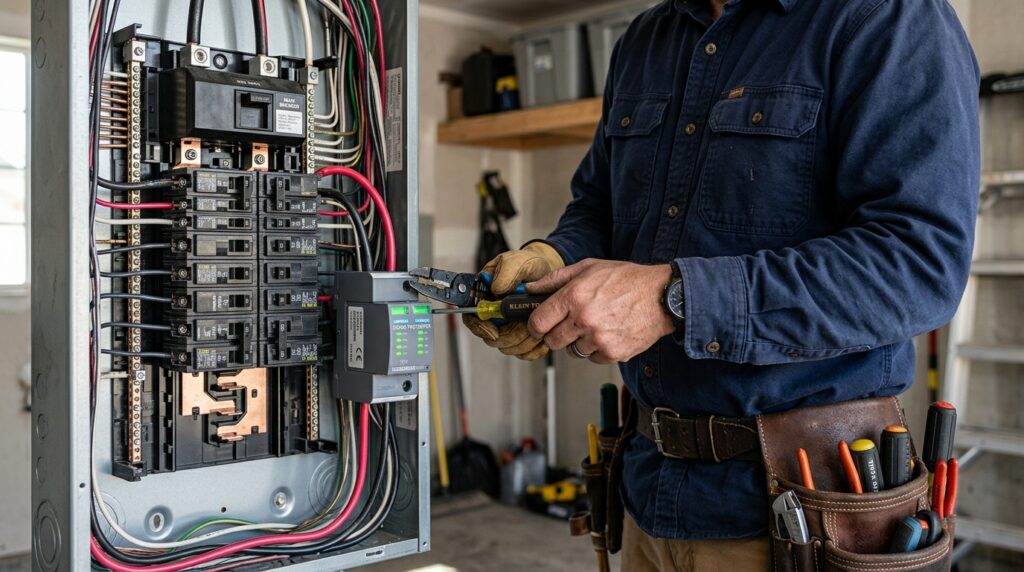
The labor side of the bill is where most people start to get skeptical, but hiring a pro is nonnegotiable for a job involving your main electrical panel. Expect to pay between $140 and $300 for a qualified expert to spend about two hours securing your home. This fee covers the technical expertise required to safely integrate the protector with your breakers without frying your existing system. Some areas might also require a permit, which can add another $40 to $150 to your total project cost. It is a straightforward breakdown once you cut through the marketing fluff and focus on the raw numbers.
When you add it all up, a standard professional installation usually settles right around $500 for the average homeowner. You are essentially paying for the peace of mind that a lightning strike or utility hiccup won’t turn your solar inverter into a paperweight. While the high end of the scale can reach $1,100 for complex panels, most people find that the mid range hardware does the job perfectly well. We recommend skipping the overpriced bells and whistles and focusing on the surge capacity and warranty. Investing a few hundred dollars now prevents a multi thousand dollar headache later when the grid decides to act up.
Comparing Type One And Type Two Device Costs
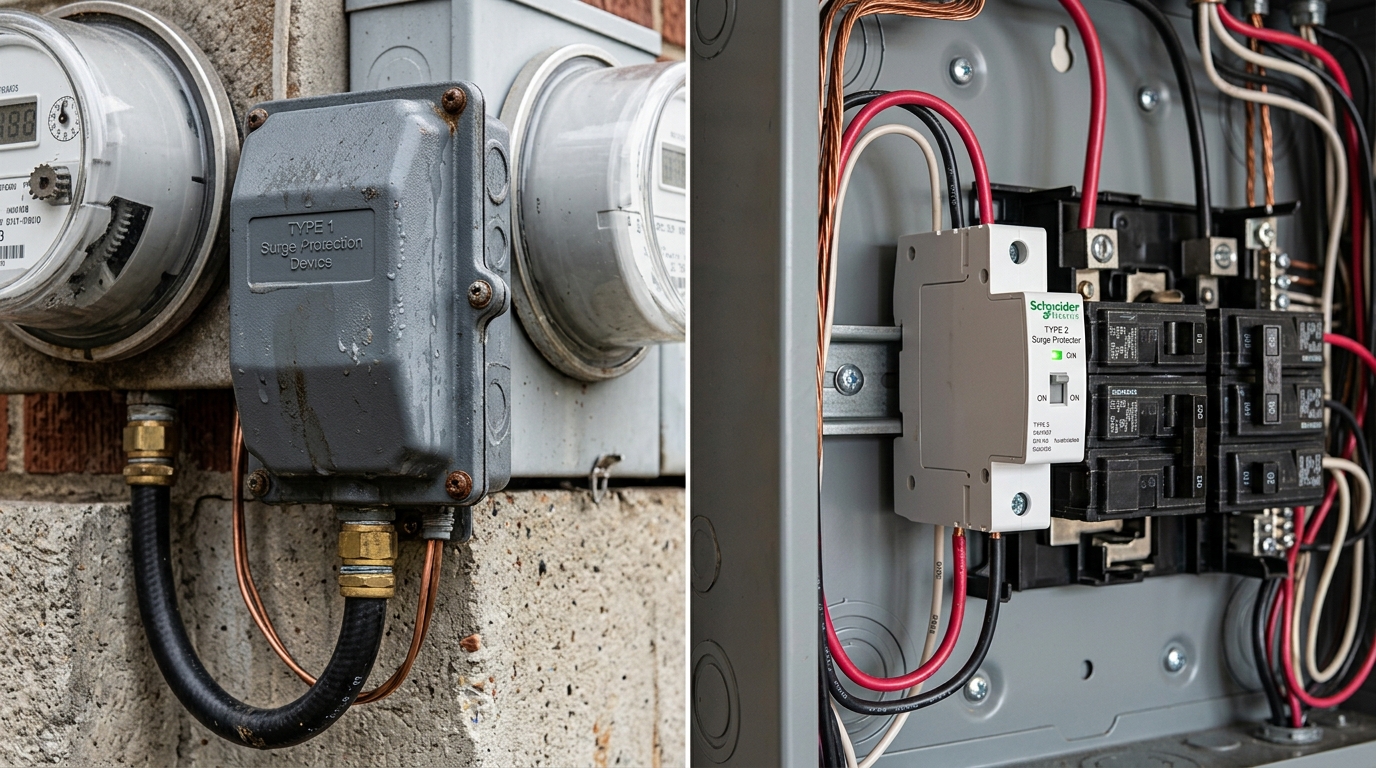
Choosing between Type One and Type Two devices is the first step in stopping a power surge from frying your expensive solar inverter or smart home hub. Type One protectors are the heavy hitters of the electrical world, sitting outside your main breaker to intercept massive jolts from utility failures or lightning strikes before they even enter your walls. Because they handle the raw, external brunt of the grid, these devices generally run between 50 and 400 dollars for the hardware alone. You are paying for that rugged exterior and the ability to stop a surge at the very doorstep of your property. They are a solid investment if you live in a storm prone area and want to safeguard high ticket outdoor equipment.
Most homeowners find that a Type Two device is the more practical and budget friendly sweet spot for internal protection. These units are installed directly into your main electrical panel and act as a gatekeeper for the sensitive electronics tucked away in your kitchen and living room. With hardware costs averaging around 300 dollars, these Type 2 devices are designed to divert the smaller, more frequent internal surges that happen when your AC or refrigerator kicks on. When you factor in professional installation, you are usually looking at a total price tag between 300 and 800 dollars. It is a one time fee that acts like a cheap insurance policy for your five thousand dollar home theater setup.
The real difference in your final bill comes down to how much muscle your specific electrical panel needs to stay safe. While a basic Type Two setup might only cost you 200 dollars for a quick install, complex homes with massive solar arrays or crowded panels can push that total closer to 1,100 dollars. You have to look past the marketing fluff and realize that you are paying for peace of mind against a catastrophic replacement bill. Labor usually accounts for about 140 to 300 dollars of the total, but having a pro handle the high voltage work is worth every penny. Ultimately, spending a few hundred dollars now prevents you from crying over a dead circuit board later.
Hidden Factors That Drive Up Your Final Bill
Your home electrical panel is the heart of this project, and its current state can quickly turn a budget friendly installation into a major renovation. If your panel is older or stuffed to capacity with no open breaker slots, an electrician will have to spend extra time rearranging your system or even installing a subpanel. This added complexity drives labor costs well beyond the standard two hour window, especially if your wiring looks like a bird’s nest. You might think you are paying for a simple plug and play device, but you are actually paying for the professional expertise required to navigate a cramped or outdated electrical box.
The kA rating of your surge protector is another heavy hitter that determines whether you spend seventy dollars or seven hundred dollars on hardware. This rating measures how much electrical energy the unit can swallow before it gives up the ghost, and higher numbers mean better protection for your expensive solar inverters and high end electronics. While a basic unit might handle a few minor utility hiccups, a high capacity model is built to survive massive spikes from lightning or grid failures. Choosing a lower kA rating to save cash today might feel smart until a major surge fries your smart home system because the protector was underpowered.
Labor costs also fluctuate based on whether you need a Type 1 protector or Type 2 device to shield your property. A Type 1 protector sits outside your main breaker and requires more intensive work to install at the service entrance, which naturally inflates the final bill. You also have to consider local building codes that might require specific permits or inspections for this type of electrical work. These administrative fees and the specialized labor required for external mounting can easily push a standard five hundred dollar project toward the eleven hundred dollar mark.
Is a $500 Safety Net Worth It?
Think of a whole house surge protector as a $500 insurance policy for your $20,000 solar array and high end electronics. Most homeowners spend between $300 and $800 to get a professional installation, which is a drop in the bucket compared to replacing a fried smart fridge or a sensitive solar inverter. While the hardware itself might only cost you a few hundred dollars, paying for a qualified pro to handle the electrical panel ensures your home stays safe from massive spikes. It is a one time investment that stops a single lightning strike or utility hiccup from wiping out your entire digital life.
Spending a little extra today saves you from the massive financial headache of an unprotected home. You are essentially shielding your modern technology from the invisible threats that crawl through your power lines every single day. If you can afford the gear, you can certainly afford the protection to keep it running for years to come. Making smart financial choices like this is exactly how you protect your hard earned wealth and maintain a stable household budget.
Deciding where to put your money is the ultimate test of a savvy homeowner who wants to build long term security. Once you have secured your home against electrical disasters, you might find yourself looking for other ways to streamline your monthly expenses and protect your bottom line. To learn more about how emergency home power solutions can help you manage your household budget and reclaim your schedule, explore our comprehensive solutions for a modern lifestyle. Investing in your home and your health is always the smartest move you can make.
Frequently Asked Questions
1. How much does it actually cost to protect my whole home?
You are looking at a total investment between $300 and $800 to fully secure your electrical panel. This includes about $300 for a reliable mid range device and the remaining balance for a professional installation. It is a small price to pay to avoid a $10,000 disaster when a storm hits.
2. Is it worth spending more on an expensive hardware unit?
While you can find basic units for $70, high capacity hardware that handles massive external surges can climb toward $700. We recommend the $300 sweet spot because it offers the best balance of reliability without falling for overpriced marketing fluff. Be honest about the value of your appliances before choosing the cheapest option available.
3. Do I really need a professional to install this for me?
Unless you are a pro, you should not be poking around your main breaker panel. Most homeowners pay for a quick two hour professional installation to ensure the job is done safely and correctly. It is the best way to make sure your insurance policy actually works when you need it.
4. What is the difference between Type 1 and Type 2 protectors?
A Type 1 protector sits at your service entrance to stop massive surges from the utility grid before they even enter. Type 2 protectors are installed at the breaker panel and are the standard choice for most homes. Both options provide a heavy duty shield that keeps your circuit boards from frying.
5. Can I just use power strips instead of a whole house system?
Cheap power strips are a false sense of security and cannot handle a major lightning strike or utility hiccup. A whole house system guards the entire structure, including expensive appliances like your fridge and HVAC that you cannot plug into a strip. A solar generator for home use can also provide backup for these critical items during an outage. Think of the whole house unit as your primary defense and strips as a backup.
6. How long does the installation process usually take?
A standard installation is a straightforward fix that usually takes about two hours. You do not need a massive construction project or days of downtime to get this done. It is a quick move that lets you sleep soundly during the next big thunderstorm. Understanding the real solar battery backup price can also help you plan for long-term energy resilience beyond just surge protection.