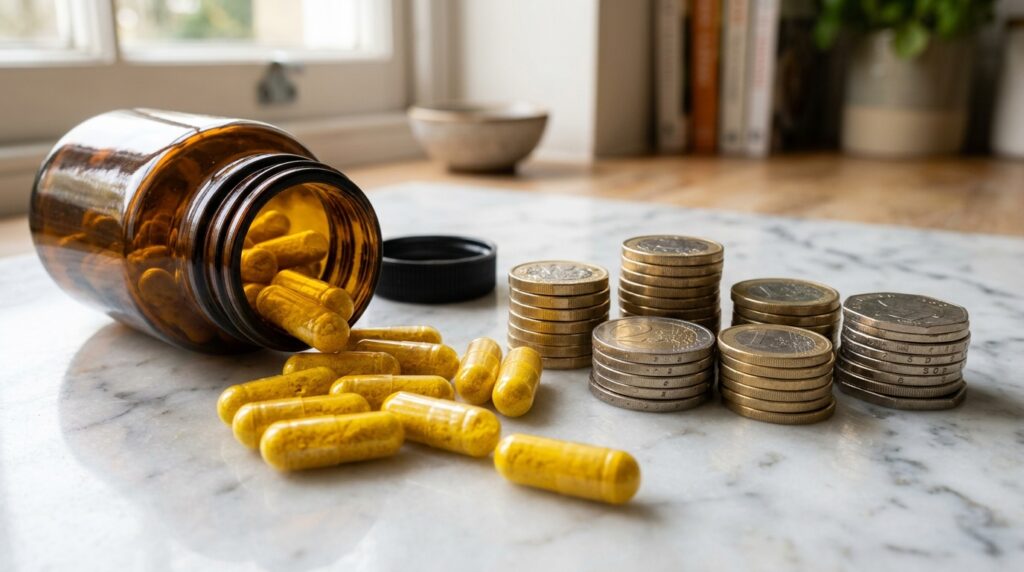
Berberine is everywhere right now. But before you throw hard-earned cash at the first shiny bottle on your feed, let’s break down what you should actually pay. Prices swing wildly from a bargain-bin $12 to an eye-watering $55 or more per bottle. The trick is knowing whether you’re paying for real quality or just paying off a company’s ad budget.
A solid monthly supply runs between $15 and $40, breaking down to roughly thirty-three cents a day. Premium options might throw in absorption boosters or independent lab tests, but cheap fillers lurk all over the discount aisle. You need to know where every single dollar goes so you never overpay for pure marketing fluff.
Key Takeaways
- The ideal monthly budget for berberine falls between $20 and $35 (around $0.33 per daily serving), providing verified third-party testing and safe quality without extreme markups.
- Calculate a supplement’s true value by dividing the bottle cost by the actual number of daily servings rather than the total capsule count, which often disguises inflated daily costs.
- Expensive premium options ($35 to $55+) are rarely necessary, as standard berberine paired with simple black pepper extract delivers effective absorption without funding brand ad budgets.
- Avoid bargain bottles priced under $15, which frequently sacrifice quality control, skip third-party lab testing, and contain weak fillers.
Breakdown of Berberine Price Tiers and Monthly Budgets
Start shopping for berberine, and you’ll quickly see a chaotic price range. A single bottle sets you back anywhere from a basic $12 to a steep $55 or more. For most people, a realistic monthly budget sits between $15 and $40. That huge price gap comes down to high-tech delivery methods, branding markup, and whether the manufacturer actually pays for independent lab testing. You don’t need to empty your wallet for real results, but grabbing the cheapest option usually means settling for weak quality control.
- Budget Tier ($12 to $20): Delivers basic raw Berberine HCl without extra absorption enhancers or rigorous third-party quality testing.
- Mid-Tier ($20 to $35): Offers verified third-party lab testing, standard 500 mg doses, and added ingredients like black pepper extract to boost absorption.
- Premium Tier ($35 to $55+): Features specialized delivery systems like phytosomes or liposomal technology designed for maximum bioavailability.
To figure out what you’re truly spending, look past the sticker price and calculate the cost per serving. The median cost sits around thirty-three cents per serving for a standard dose. Bargain bottles drop that down to twelve cents a serving, but you often have to take double the capsules to get any actual benefit. On the flip side, patented high-end formulas run upwards of eighty cents to a dollar per dose. You’re mostly paying extra for chemical tweaks designed to speed up absorption.
Sorting through these price brackets comes down to knowing where your money goes instead of falling for flashy sales pitches. Grab a budget bottle, and you risk buying weak fillers and unverified ingredients. Moving up to the mid-tier hits the sweet spot of safety, lab verification, and fair pricing. You only need the top tier if your body genuinely struggles to absorb standard extracts. Smart buyers pick a clean, lab-tested option that fits their monthly budget without financial stress.
Hidden Factors Driving Up Your Berberine Bottle Price
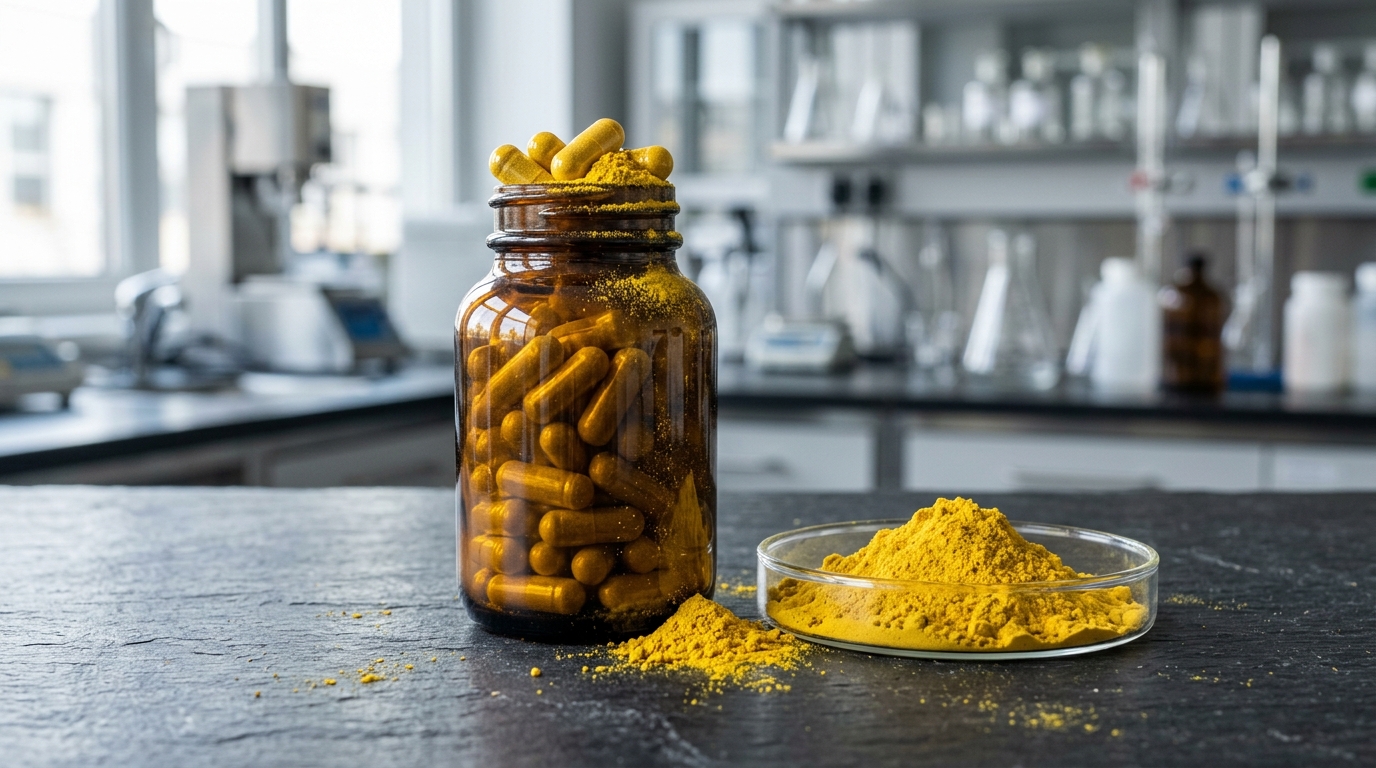
A standard bottle of basic Berberine HCl might only set you back $12 to $20, coming out to roughly $0.15 per serving. But as soon as a label mentions high-tech absorption features like Phytosomes or liposomal delivery, that price tag spikes up to $55 or more. These specialized delivery systems claim to make the compound easier to absorb, allowing brands to charge upwards of $1.00 per dose. You pay top dollar for patented tweaks, even though standard berberine paired with simple black pepper extract gets the job done for a fraction of the cost.
- Advanced Formulations: Patented phytosome delivery systems push per-serving prices from $0.20 to over $1.00.
- Third-Party Lab Testing: Independent quality verification adds an extra $5 to $10 to the final price tag.
- Marketing Markups: Flashy ad campaigns and luxury packaging inflate retail costs without improving real-world performance.
Beyond formulation tricks, independent testing seals also drive up the bill. Brands in the $20 to $35 range pay third-party labs to prove their capsules are clean and properly dosed. You definitely want a pure product, but some companies use these safety seals to justify massive markups on basic ingredients. Add in aggressive ad campaigns and glossy packaging, and you wind up funding their marketing team instead of buying better metabolic support. Look past the slick labels to see if you’re paying for actual quality or just subsidizing their ad spend.
Finding the balance between cheap budget fillers and overpriced marketing hype takes simple math. For most people, spending $20 to $30 a month gets you clean, third-party tested berberine without the ridiculous luxury markups. You don’t need to burn cash on $50 premium bottles unless your body specifically requires specialized liposomal delivery. Stick to verified mid-tier options offering clear dosages and full ingredient transparency. When you know where your money goes, you easily spot real value and avoid getting ripped off by clever sales copy.
How to Calculate Real Berberine Value Per Serving
Marketing teams love playing games with pill counts. You see a flashy label promising two hundred capsules for twenty bucks and think you hit the jackpot. Flip the bottle over, and you find a sneaky four-capsule serving size just to reach a standard 1,500 milligram daily dose. That massive stash instantly shrinks to a 45-day supply, completely changing the math. To find the true price, divide total bottle cost by the actual number of daily servings, not capsule count. This simple calculation protects your wallet from inflated claims and uncovers real savings instantly.
- Budget Tier ($12 to $20): Basic Berberine HCl without absorption boosters or verified lab testing.
- Mid-Tier ($20 to $35): The ideal sweet spot offering third-party lab testing, clean dosage breakdowns, and added black pepper extract.
- Premium Tier ($35 to $55+): Advanced delivery systems like liposomal formulations that dramatically increase your daily cost.
You don’t need to spend top dollar on hyped-up proprietary blends to get results. Most ultra-expensive bottles load up on fluff ingredients that inflate the price tag without adding real value. Stick to products displaying transparent lab testing and a clean 500 milligram per capsule breakdown. Spending thirty to forty cents per daily serving gets you high quality without blowing your budget. Anything pushing past a dollar per serving drains your bank account for flashy marketing rather than superior potency.
Building a reliable routine comes down to balancing simple math with strict purity standards. Targeting a mid-tier option between $20 and $35 per month hits the perfect balance of safety and value. This price point gets you verified, pure berberine alongside proven absorption enhancers like black pepper extract. You walk away with an effective supplement that fits your monthly budget without sacrificing quality. Now that you can cut through the sales noise, you can shop with confidence and get genuine value for your money.
What You Should Really Pay for Berberine
When you slice through marketing hype, getting a high-quality berberine supplement doesn’t have to drain your wallet. Expect to spend between $15 and $40 per month, depending on the extra bells and whistles added to the formula. Budget options start around $12 to $20, while mid-tier products with verified testing sit comfortably in the $20 to $35 range. Premium formulas with specialized boosters push past $35 or $55, but higher prices rarely guarantee better results. Aiming for a reliable mid-tier pick delivers safety, performance, and affordability without the markup.
Calculating cost per serving is the best defense against slick sales gimmicks. Standard doses average roughly $0.33 per serving, making it easy to budget for daily use without breaking the bank. Insist on transparent third-party testing instead of trusting flashy label claims before handing over your money. Once you know what to look for, getting an effective product at a fair price is straightforward. Taking control of your health starts with clear numbers, honest information, and smart choices.
Sorting out supplement pricing is just one piece of building a balanced lifestyle. Pairing the right routine with solid nutrition transforms your long-term results. If you want to optimize your health and save time, check out our guide to the Best Keto Meal Delivery Services For Busy Weight Loss Seekers. We break down real costs and hidden value so you can make confident choices for your diet and budget. Explore our comprehensive reviews today to see how you can streamline your routine.
Frequently Asked Questions
1. How much should I reasonably spend on a berberine supplement each month?
Expect to spend between $15 and $40 per month for a berberine supplement that works. That breaks down to roughly thirty-three cents a day for a solid supply. You don’t need to empty your wallet, but anything under $15 signals cheap fillers and low quality control.
2. What is the difference between cheap and expensive berberine supplements?
Budget bottles usually pack basic raw powder without independent testing or absorption aids. Premium options use specialized delivery tech like phytosomes to boost uptake. Mid-tier bottles hit the sweet spot with verified lab testing and proven absorption boosters without the ridiculous markup.
3. Are expensive berberine supplements actually worth the extra money?
Rarely. Most of that inflated price tag pays for fancy packaging and slick advertising. Paying a bit more for verified third-party lab tests and absorption enhancers like black pepper extract makes sense. Skip the luxury hype and stick to a reliable mid-tier brand.
4. Why are berberine prices so wildly different across brands?
Prices swing because manufacturers either cut corners or inflate costs for extra profit. The real drivers are independent testing, patented delivery tech, and ingredient quality. Cheap options skip testing to cut costs, while luxury brands mark up basic ingredients behind clever branding.
5. What should I look for on the label to make sure I am getting my money’s worth?
Look for proof of third-party lab testing so you aren’t swallowing useless fillers. Confirm a clean 500 mg dose per capsule alongside absorption aids like black pepper extract. If a brand hides testing results behind secret proprietary blends, keep your money in your pocket.
6. Is a bargain bottle of berberine too cheap to be effective?
Usually. A bottom-shelf price under $15 typically means skipped quality testing and low-grade fillers. You save a few dollars upfront but waste money on capsules that deliver weak results.
7. How much does berberine cost per daily dose?
A solid mid-tier product costs roughly thirty-three cents a day. That gives you verified purity and solid absorption without draining your bank account. Anything over a dollar a day mostly charges you for marketing hype.