Ever get the feeling that water filtration companies pull their prices out of thin air? One smooth-talking salesperson quotes you five grand, while an online listing promises pure water for a few hundred bucks. When you strip away the slick pitches, the true whole house water filtration cost typically lands between $1,000 and $4,500 for a solid, fully installed system. You just want clean, safe water coming out of your taps without getting completely taken for a ride.
What you actually end up paying comes down to what is lurking in your pipes and whether you rely on city tap water or a private well. A simple carbon filter to scrub away foul chlorine tastes might cost as little as $850, whereas a complex multi-stage setup can easily cross the $3,500 mark. We dissected the real hardware costs, exposed the hidden markup traps, and simplified the entire pricing game. You get the honest facts so you can protect your home and keep your hard-earned money right where it belongs.
Key Takeaways
- A standard whole-house water filtration system costs between $1,000 and $4,500 fully installed, with basic city water setups costing significantly less ($850–$1,800) than complex well water systems ($4,000–$9,500+).
- Avoid overpriced dealer markups by purchasing filtration hardware directly from suppliers and hiring an independent local plumber for installation.
- Always test your tap water before purchasing equipment to ensure you only buy the specific filtration stages needed for your water’s exact contaminants.
- Factor an additional $100 to $300 per year into your household budget to cover routine replacement filter cartridges and ongoing system maintenance.
Average Costs for Every Filtration System Type
Sizing up filtration prices can feel like a guessing game because sales reps love hiding total installation costs until they are standing in your kitchen. Standard whole house setups usually land between $1,000 and $4,500 fully installed, with the average home sitting right around $2,500. Entry-level sediment filters start as low as $200 if you handle the installation yourself, but complex multi-stage setups easily push into four figures. If you rely on private well water with severe iron or sulfur issues, expect equipment costs to jump significantly. Understanding these distinct price brackets ensures you pay for the exact protection your home needs without falling for unnecessary upgrades.
- Basic Sediment Filters ($200 – $800): Traps dirt, rust, and heavy grit before it reaches your appliances.
- Whole-House Carbon Systems ($850 – $1,800): Strips out chlorine, chloramines, chemical odors, and bad tastes for city water.
- Mid-Range Multi-Stage Systems ($1,800 – $3,500): Combines sediment, carbon, and softening features to tackle complex city or light well water issues.
- Heavy-Duty Well & Whole-House RO ($4,000 – $15,000): Industrial-grade setups designed for severe iron, acid, heavy metals, or complete off-grid water independence.
City water drinkers usually get away with spending under $1,800 because municipal suppliers handle the initial particulate treatment. For folks relying on private wells or prepping for long-term water security, standard carbon filters will not clear out dissolved metals or acidic conditions. Paying $4,000 to $9,500 for a heavy-duty specialty rig might sound steep, but it preserves your plumbing system from costly corrosion damage. On the extreme end, dropping $15,000 on a complete whole house reverse osmosis system is rarely necessary unless your water source is severely contaminated. Matching your actual water test results to these hardware categories keeps your money in your pocket where it belongs.
City Water Versus Private Well System Pricing
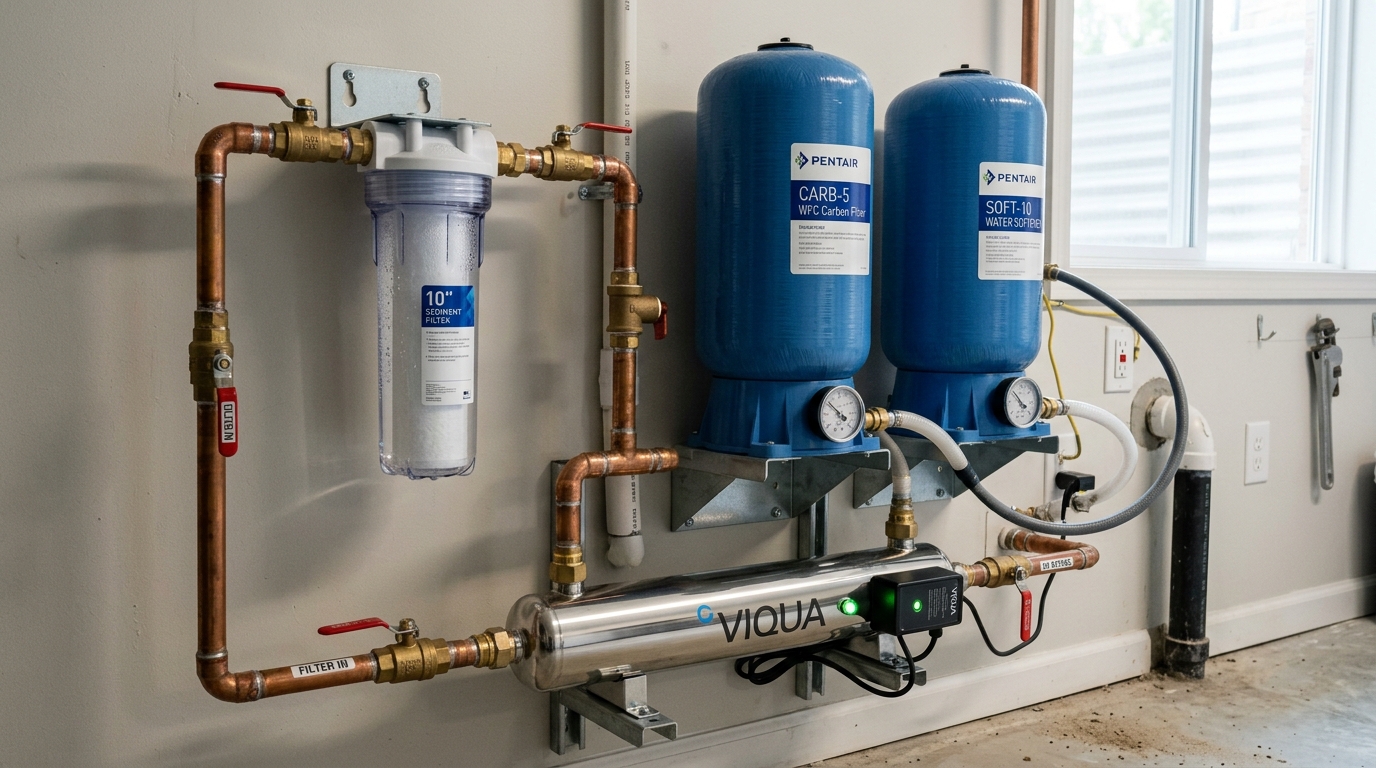
If you get your tap water from the municipality, your wallet gets off relatively easy. City utilities already do the heavy lifting of pulling out bacteria and massive debris before sending water down your pipes. What you are left with is mostly chlorine, chloramines, and that annoying chemical smell that ruins your bath or morning coffee. Cleaning up municipal water usually requires a straightforward carbon filter setup, typically costing between $850 and $1,800 fully installed. Since you are simply polishing pre-treated water rather than fighting heavy groundwater minerals, your upfront equipment and ongoing filter replacements stay surprisingly low.
Private well water is a completely different story that will test your home improvement budget fast. You are essentially running a personal water treatment plant, which means you have to neutralize every mineral that seeps out of the surrounding ground. Well water often brings a nasty mix of rust-staining iron, stinky sulfur gas, extreme hardness, and acidic water that eats through copper pipes. Solving these severe issues demands a multi-stage treatment setup that easily runs between $4,000 and $9,500 for a professional installation. Skimping on any part of that treatment chain usually leads to ruined equipment, meaning cheap shortcuts end up costing you twice as much down the road.
- City Water Systems ($850 – $1,800): Focus primarily on removing chlorine taste, chloramines, and synthetic chemical byproducts.
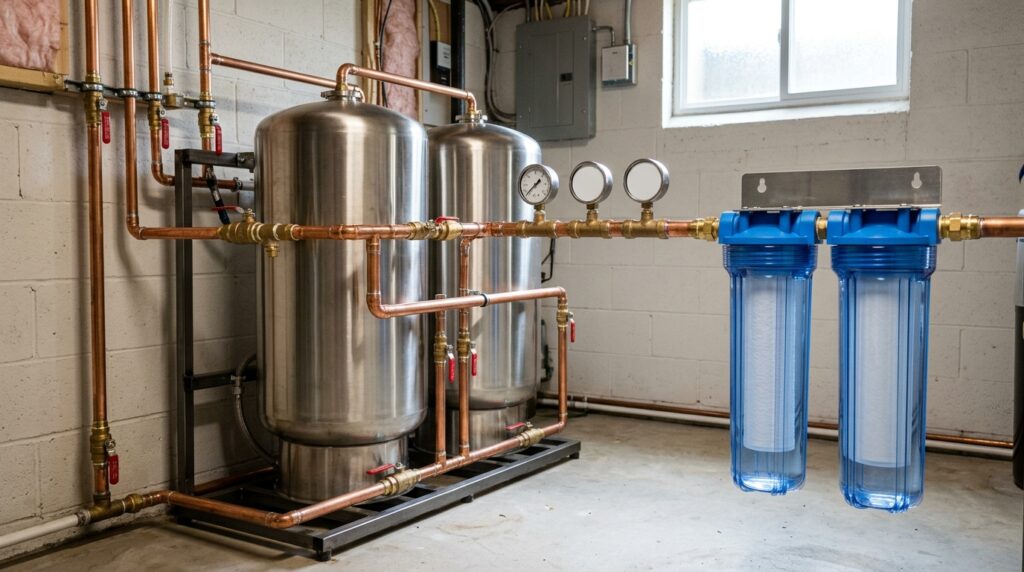
- Well Water Systems ($4,000 – $9,500+): Require heavy oxidation tanks, water softeners, and specialized iron filters to fix severe mineral buildup.
The secret to keeping your final bill manageable comes down to testing your water source before spending a single dollar. Aggressive sales reps love pushing expensive well-style setups onto city homeowners who only need basic carbon filtration. On the flip side, cutting corners on a well system with a tiny whole-house cartridge will leave you with clogged fixtures and ruined appliances in a matter of months. Figure out exactly what contaminants exist in your lines so you can build a reliable setup that fits your long-term security needs. Taking charge of your home water infrastructure is a serious investment, but overpaying for unnecessary gear is a mistake you can easily avoid.
Plumber Installation Costs and Dealer Markup Trap
If an in-home water treatment representative knocks on your door with a “free” water test, hang onto your wallet. These door-to-door dealers often bundle basic carbon filters or softeners into absurdly overpriced packages ranging anywhere from $4,000 to $9,000. You are not paying for space-age filtration technology here; you are funding hefty sales commissions, flashy marketing, and bloated franchise overhead. The hardware itself might only cost them a few hundred dollars to source, yet they pitch it as a life-changing luxury upgrade. Recognizing this slick sales strategy is the fastest way to save yourself thousands of dollars before signing a contract.
- In-Home Dealer Packages: $4,000 to $9,500 (includes high sales commissions and marked-up labor)
- Direct-to-Consumer Hardware: $800 to $2,200 (purchased straight from the manufacturer)
- Independent Local Plumber Labor: $500 to $1,500 (covers actual pipe cutting, bypass valves, and drain lines)
Bypassing high-pressure sales pitches and sourcing your equipment directly puts you back in the driver’s seat. When you hire an independent local plumber to handle the setup, you pay strictly for honest trade labor and basic pipe fittings. Standard installation for a whole-house filter typically costs between $500 and $1,500 depending on your home piping, main line accessibility, and local code requirements. A skilled professional can easily splice the unit into your main line, set up a bypass valve, and test for leaks in just a few short hours. You get a fully code-compliant setup without paying a dime in bloated dealer fees.
By purchasing your hardware online and pairing it with a trusted local plumber, your total project cost usually lands between $1,500 and $3,500. This straightforward approach leaves you with the exact same clean, secure water without predatory financing traps. Always make sure to get two or three written quotes from licensed plumbers before work begins so you know the exact scope of labor. Owning your home water security should feel empowering, not like you just fell victim to a slick sales pitch.
Ongoing Maintenance and Replacement Cartridge Costs
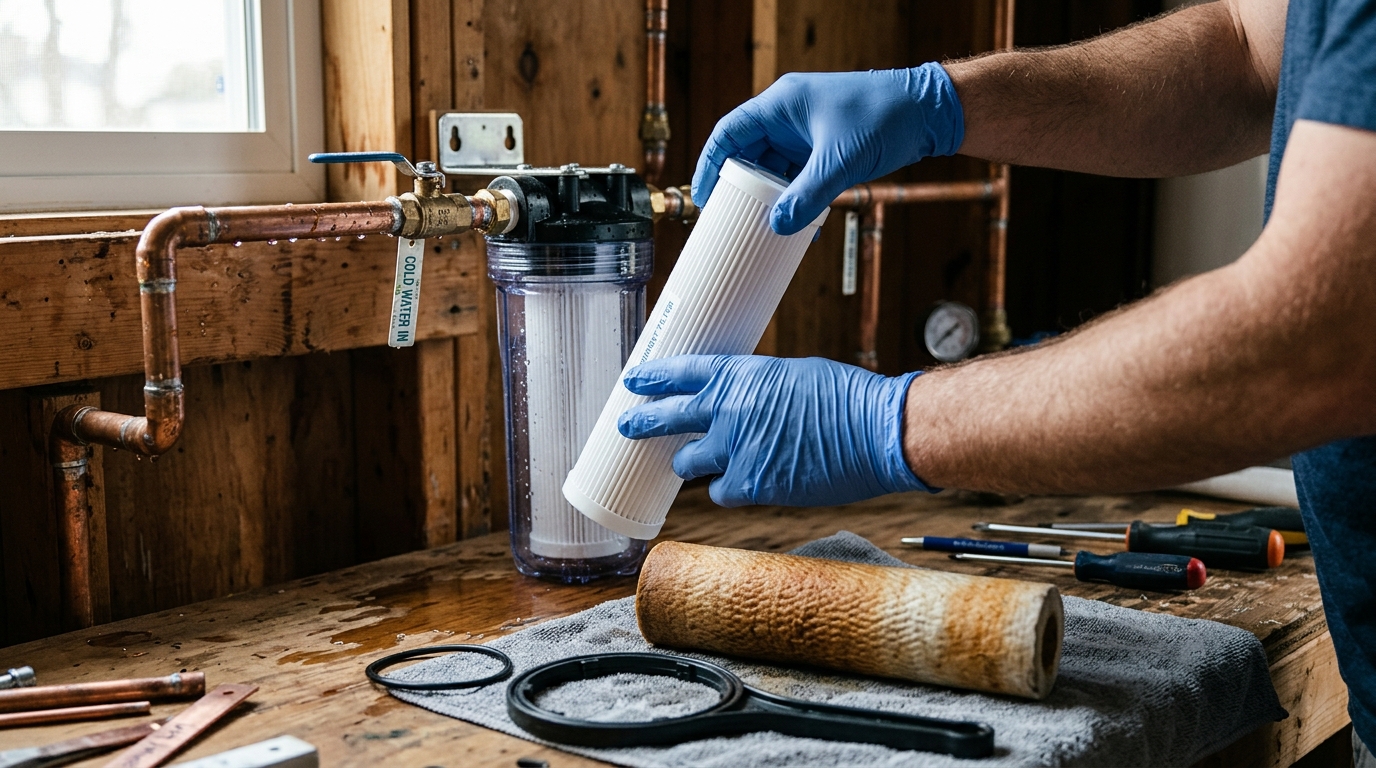
Let’s get real about what happens after your shining new system is installed. Writing that initial check for the equipment feels like a huge win, but your household budget does not stop there. Whole house systems run on continuous consumables, meaning you are locked into buying replacement cartridges as long as you want clean water flowing from every tap. Standard sediment pre-filters typically need swapping every three to six months, while larger main carbon filters usually last six to twelve months. On average, you can expect to shell out anywhere from $100 to $300 every single year just for routine cartridge swaps. Skipping these changes to save a quick buck only clogs your system and ruins your water pressure.
Beyond standard drop-in filters, bigger media beds and specialized add-ons bring their own unique line items to your financial ledger. Heavy-duty tank systems use bulk filtration media like catalytic carbon or iron-clearing resins that require replacement every three to seven years, costing between $300 and $800 per refresh. If your setup includes a UV sanitizer for emergency preparedness or well water safety, you must replace the UV lamp annually for about $80 to $150. You also need to factor in subtle bumps to your monthly utility bills from backwashing tank systems. Automated backwash cycles flush hundreds of gallons of water down the drain every month while pulling continuous electrical power for control valves.
- Sediment Pre-Filters: $20 to $60 per year (swapped every 3 to 6 months)
- Main Carbon Cartridges: $80 to $250 per year (swapped annually)
- UV Sterilizer Lamps: $80 to $150 per year (replaced annually)
- Utility Bumps: $5 to $15 per month for backwash water and electrical draw
Factoring these ongoing upkeep costs into your overall budget is the only smart way to ensure off-grid security and daily clean water. Treating a whole house system like a buy-it-and-forget-it appliance always leads to plumbing headaches and costly repairs down the road. Set aside a recurring maintenance fund of roughly $25 to $40 a month so filter replacement time never catches your wallet off guard. Doing the routine swaps yourself saves you hundreds in plumber service calls, keeping the process simple and cost-effective. Ultimately, keeping up with these minor expenses protects your initial infrastructure investment for decades to come.
What Whole House Water Systems Actually Cost
Don’t let pushy door-to-door sales reps trick you into overpaying for water security. A reliable whole house water filtration system typically costs between $1,000 and $4,500 total, with most homeowners spending about $2,200 to $3,500 for a solid installation. Basic city water setups often range from $200 for simple sediment traps up to $1,800 for multi-stage carbon units. Private well systems treating harsh iron, sulfur, or acid issues run higher, usually landing between $4,000 and $9,500 for heavy-duty setups. Once you test your water and identify your exact contaminants, you hold all the leverage against greedy commission-driven dealers.
Cutting out the middleman is the easiest way to keep thousands of dollars in your pocket. Buying your equipment directly from reputable suppliers and hiring an independent local plumber almost always beats high-pressure sales pitches. You get the exact same high-performance filtration without paying for fancy marketing fluff or inflated markup fees. Remember to factor in annual cartridge replacements, which keep your running costs predictable for years down the road. You are building permanent water security for your household, and doing it on your own terms feels incredible.
Managing major home infrastructure upgrades requires a sharp eye on your overall financial strategy. When you stay in command of your household spending, you can comfortably afford long-term home security projects without stressing your monthly budget. To see how professional financial management can keep your broader household and business expenses completely under control, take a look at How Much Remote Bookkeeping Service Costs Really Are In 2026 to discover how we can help you optimize your cash flow. With the right roadmap and accurate numbers in hand, you are ready to secure clean water without getting ripped off.
Frequently Asked Questions
1. How much does a whole house water filtration system actually cost?
Most homeowners pay between $1,000 and $4,500 for a fully installed whole house filter system, with $2,500 being the average sweet spot. Simple carbon setups start around $850, while complex multi-stage gear for tricky well water can easily cross $3,500.
2. Why are sales quotes for water filters so wildly different?
Salespeople love hiding installation fees and pushing high-markup packages you do not actually need. Your actual price comes down to your specific water source, since basic city tap water costs far less to scrub than harsh well water.
3. Can you install a whole house water filter yourself to save money?
You can grab a basic sediment filter for around $200 and hook it up yourself if you have solid DIY skills. However, complex multi-stage setups usually require a professional plumber to make sure your home stays completely leak-free.
4. Does well water cost more to filter than city tap water?
Yes, well water almost always costs more because it packs tough elements like iron, grit, and sulfur that cheap filters cannot touch. City water usually just needs an $850 carbon filter to strip away chlorine tastes.
5. What is the cheapest whole house water filter option available?
Basic sediment filters are your absolute cheapest entry point, running between $200 and $800. They stop heavy grit, dirt, and rust from wrecking your home appliances, but they will not fix chemical smells or foul tastes.
6. What hidden costs should you watch out for when buying a filter?
Watch out for sneaky sales reps who leave professional plumbing fees off their initial quotes. You should also calculate ongoing replacement cartridge costs before buying, so you do not get trapped by expensive maintenance later.
7. How do you know if you need an expensive multi-stage system?
Test your water before you talk to any smooth-talking filter company. If your tap water comes from a private well with severe sulfur or heavy iron issues, you will likely need a robust multi-stage setup pushing past $3,500.