You’ve probably seen those sleek, glowing towers on your feed and wondered if you need to take out a second mortgage just to grow some fresh basil. The truth about the hydroponic system price range is that it’s a wild frontier, stretching from a $40 DIY bucket setup to industrial monsters that cost more than a mansion. Whether you want a tiny countertop herb garden or a full-scale food factory, the marketing fluff usually hides the real costs of sensors, lights, and nutrients.
We aren’t here to swallow the sales pitch or get blinded by flashy LED lights. You deserve to know exactly where your money goes, whether you’re spending a few hundred bucks on a smart home unit or investing in a serious vertical farm. It’s time to cut through the hype and look at the cold, hard numbers of what it actually costs to grow without soil in 2026. Setting up your own system shouldn’t feel like a gamble, so let’s break down the tiers and see which one actually respects your wallet.
Key Takeaways
- The $150 to $500 mid-range tier offers the best balance of cost and output, providing enough produce to offset grocery bills without the inflated price of luxury smart features.
- DIY bucket systems are the most cost-effective and honest entry point, often outperforming expensive plastic kits for under $50 by offering total control over nutrients and oxygen.
- High-end systems costing over $1,000 justify their price through automated nutrient dosing and remote monitoring, serving as a ‘hands-off’ food security insurance policy for busy users.
- Avoid the hidden long-term costs of proprietary pods and subscription models by choosing systems that allow for generic nutrients, bulk seeds, and standard replacement parts.
Budget Friendly Desktop Kits And DIY Buckets
You do not need a massive bank account to start securing your food supply and growing fresh greens right in your kitchen. For a modest investment between $40 and $150, you can bypass the marketing fluff of high end towers and get straight to the business of cultivation. These entry level setups usually come in two forms, which are compact desktop kits or rugged DIY bucket systems. While the sales pages might promise a hands off experience, these affordable rigs are perfect for learning the ropes without risking a fortune. You get basic LED lighting and a simple water reservoir that does exactly what it is supposed to do.
Building your own deep water culture system using a five gallon bucket is arguably the most honest way to enter the hydroponics world. For under $50, you can source the components yourself and create a setup that is often more durable than the flashy plastic units sold in big box stores. This DIY approach gives you total control over your nutrient levels and oxygen flow, which are the two things that actually matter for plant growth. It is a grit and gear strategy that favors the practical prepper over the casual hobbyist who just wants a glowing decoration. You are paying for function rather than a polished interface that you do not really need.
If you prefer a cleaner look for your countertop, the small pod kits in this price range offer a decent balance of convenience and cost. These systems usually house between six and twelve plants, making them ideal for a steady rotation of basil, kale, or bok choy. Do not let the sleek designs fool you into thinking they are magic, as you still need to monitor water levels and keep an eye on your pH balance. They serve as a solid entry point for anyone testing the waters of self sufficiency before scaling up to larger, more expensive systems. You get the benefit of an integrated timer and light hood without the thousand dollar price tag of a premium vertical farm.
Mid Range Family Sized Hydroponic Towers
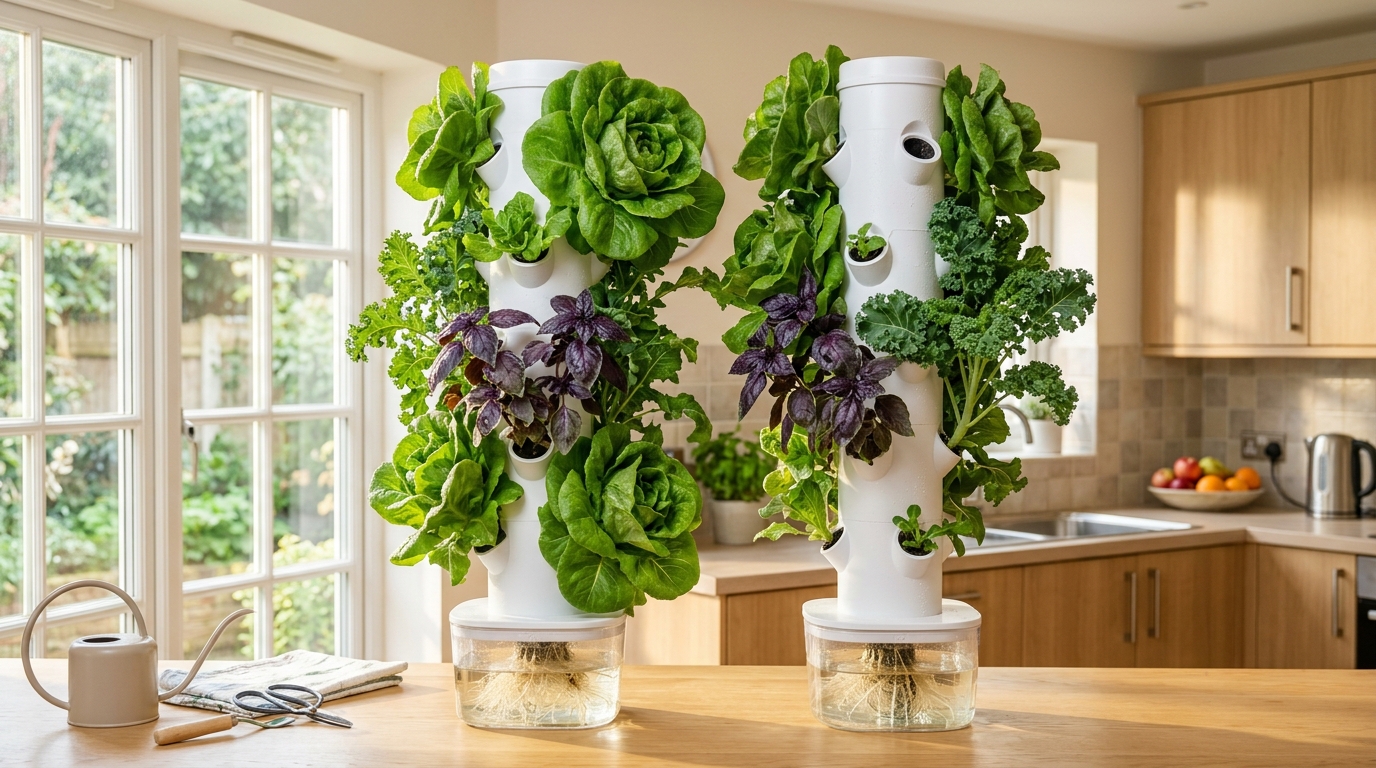
The $150 to $500 range is where you stop playing with kitchen herbs and start actually securing your family food supply. This sweet spot offers multi bucket systems and vertical towers that can realistically produce enough salad greens and vegetables to offset grocery bills. You are looking at setups with 12 to 24 pods that include integrated LED lighting, meaning you are no longer dependent on a sunny window to keep your plants alive. These systems are built for the person who wants a reliable harvest without the thousand dollar price tag of a luxury smart appliance. It is the practical choice for emergency preparedness because it balances cost with actual caloric output.
You have to be careful in this tier because the marketing fluff starts to get thick with promises of automated perfection. While these systems often include better pumps and sturdier frames, you are still the primary operator of your mini farm. Look for units that offer easy access to the water reservoir and simple nutrient dosing instructions rather than flashy apps that might stop working in a year. A solid tower in this price range should feel like a tool for self sufficiency, not a fragile piece of tech. If you want to feed a household of four, focusing on these mid range workhorses gives you the best return on your investment.
Investing in this middle ground allows you to scale up your food security without draining your savings account. These systems are generally modular, which means you can learn the ropes with one unit and add another as your confidence grows. You get the benefit of professional grade grow lights that penetrate dense foliage, ensuring your bottom leaves do not turn yellow and die. This is the level where hydroponics moves from a fun hobby to a serious strategy for independence. By cutting through the hype and choosing a sturdy multi bucket setup, you are putting real food on the table for a fraction of the long term cost.
Premium Smart Gardens And Automated Food Security
When you are staring down a price tag north of $1,000, it is easy to wonder if you are paying for actual tech or just a fancy plastic shell. For those of us looking at food security as a non-negotiable insurance policy, these premium systems offer something basic kits cannot touch. You are investing in a hands-off ecosystem that manages the chemistry of your water and the timing of your lights without you lifting a finger. This level of automation is designed for the busy person who wants a reliable harvest but does not have the time to become a part-time chemist. It turns your living room into a high-tech pantry that works even when you are away on vacation or tied up with work.
The real magic behind that four-figure investment usually lies in automated nutrient dosing and remote monitoring apps. Most cheaper systems fail because the owner forgets to check the pH levels or adds too much fertilizer, which can kill a whole crop in days. High-end smart gardens use sensors to interrogate the water constantly and adjust the mineral balance automatically to keep your plants in the ideal zone. This removes the guesswork and the steep learning curve that usually causes beginners to quit after their first failed harvest. While it feels like a lot of cash upfront, the peace of mind knowing your food security strategy is on autopilot is where the true value lives.
Think of these premium setups as the difference between a project and a utility for your home. If you want a hobby that requires daily tinkering and manual testing, a $100 bucket system is perfect for you. However, if your goal is to secure a consistent supply of fresh greens and vegetables regardless of your gardening skills, the smart technology justifies the cost. These systems are built to be resilient, using high-quality LEDs and durable pumps that are meant to run for years rather than months. You are essentially pre-paying for a decade of groceries and the certainty that your family will have fresh produce no matter what happens at the local supermarket.
Commercial Scale Startup Costs For Independent Farming
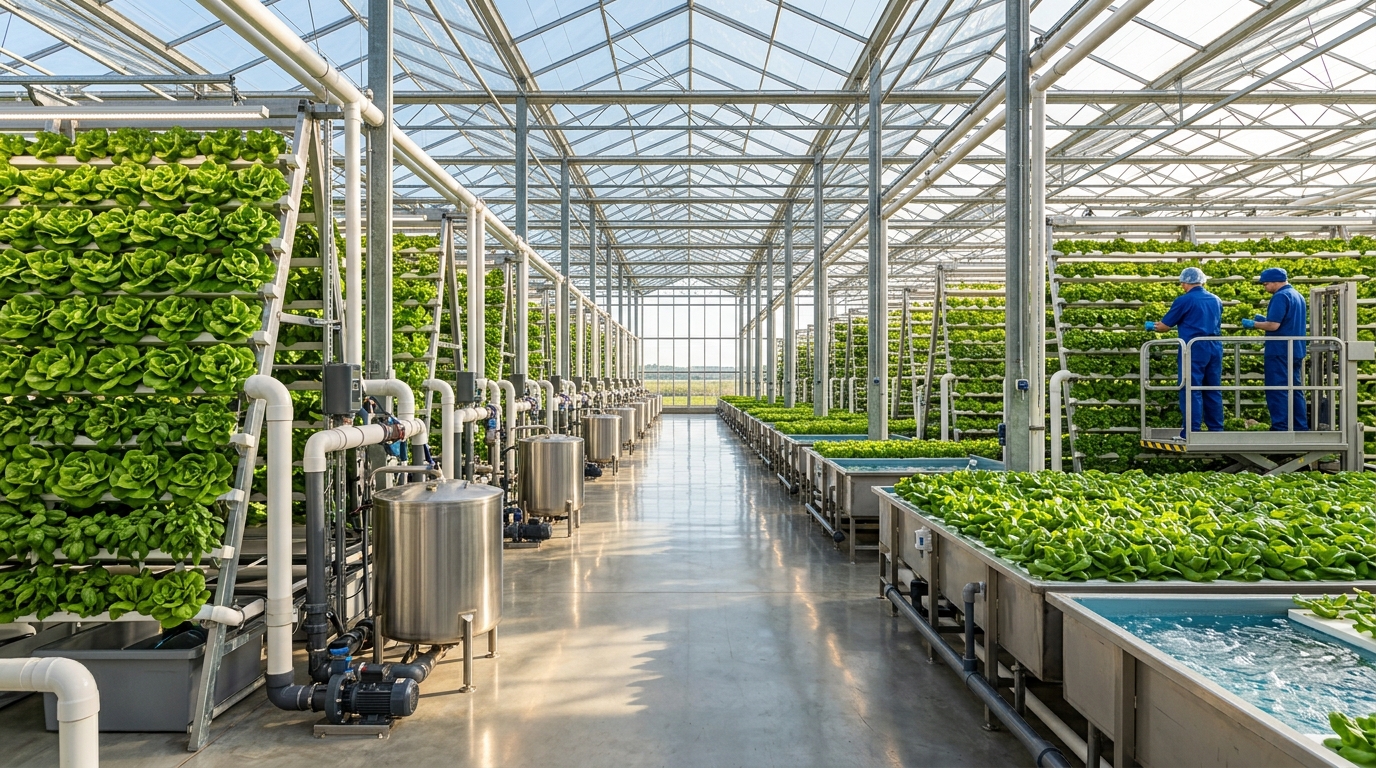
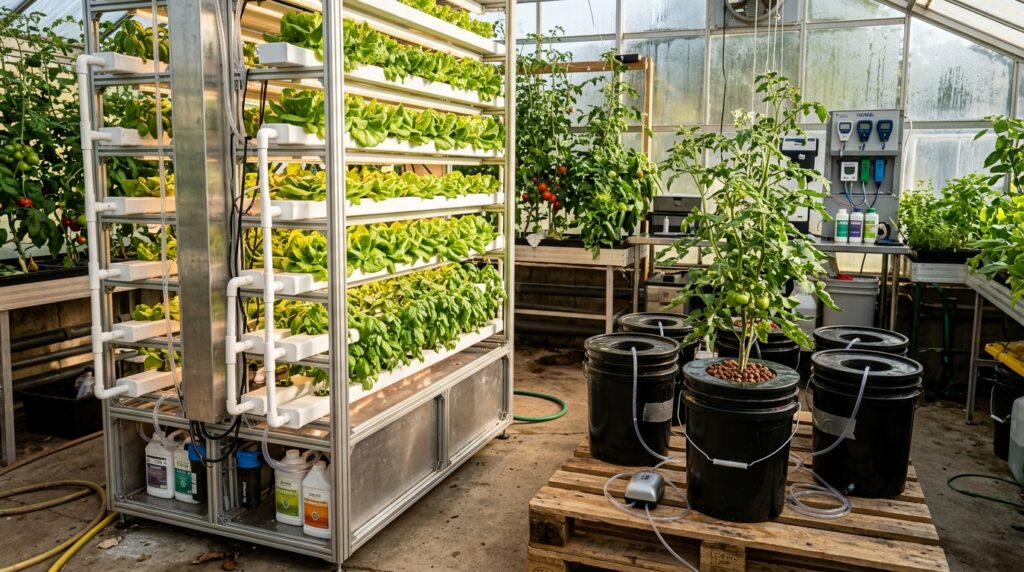
If you are ready to stop playing around with countertop kits and want to lock down your family’s food security for good, you are looking at a serious investment. Stepping into the world of independent, community scale farming means moving past the hobby phase and into the $70,000 plus price bracket. This level of spending covers high grade industrial setups that can actually feed a neighborhood or sustain a large homestead during a crisis. You are paying for heavy duty vertical racks, massive reservoirs, and climate control systems that do not quit when things get tough. It is a steep entry fee, but it is the price of true self reliance in an unpredictable world.
The real cost of these professional systems often hides in the high tech automation and infrastructure required to keep crops alive without your constant supervision. When you invest at this level, you are buying sophisticated sensors and nutrient delivery systems that monitor every drop of water and every lumen of light. These setups often require dedicated greenhouse space or insulated shipping containers, which adds significant overhead to your initial startup budget. You are not just buying plastic pipes, you are building a fortified food factory that functions like a well oiled machine. While the sticker shock is real, the ability to produce hundreds of pounds of fresh produce every month makes this a calculated move for the prepared mind.
Navigating this price tier requires a sharp eye for marketing fluff because not every expensive system is worth its weight in gold. You need to scrutinize the durability of the materials and the reliability of the software before handing over your hard earned cash. Many industrial setups promise a hands off experience, but the best ones are those that allow you to maintain control if the grid or the internet goes sideways. Focus your budget on high quality LED arrays and robust pumps that can run for years without failing. Investing seventy grand is about buying real food security and a guaranteed harvest, so make sure every dollar goes toward hardware that actually performs under pressure.
The $150 Sweet Spot for Real Yields
If you want to secure your food supply without burning a hole in your pocket, the $150 to $500 mid-range tier is where the real magic happens. While those $40 DIY buckets are tempting, they often leak or require constant tinkering that ends up costing you more in wasted nutrients and dead plants. On the flip side, paying over a thousand bucks for a smart tower is usually just paying a premium for a fancy app and some plastic aesthetics. You can get the same cold, hard numbers and high-quality yields with a solid multi-bucket system or a sturdy vertical kit that focuses on functionality rather than flashy gimmicks. This sweet spot gives you the reliability you need for a true emergency backup without the unnecessary marketing fluff that drains your bank account.
When you invest in this middle ground, you are buying peace of mind and a consistent harvest for your family. These systems are built to last and can handle the heavy lifting of growing calorie-dense greens and veggies year-round. Don’t get distracted by the shiny, high-tech gadgets that promise to grow food for you while you sleep. Real food security comes from understanding your setup and maximizing small spaces with gear that works even if the internet goes down. Focus on durable components and simple designs that allow you to scale up as your skills improve.
Now that you know how to budget for your home farm, you might be looking for more ways to streamline your household and stay prepared. Just like choosing the right grow kit, finding the right support for your busy lifestyle is all about maximizing value. To see how you can reclaim even more of your schedule while maintaining a healthy lifestyle, check out our guide on the Best Meal Prep Services To Save Time And Energy. Taking control of your food source is a huge win, and we are here to help you discover how we can help you simplify every other part of your daily routine.
Frequently Asked Questions
1. How much do I really need to spend to get started with hydroponics?
You can get your feet wet for as little as $40 if you are willing to go the DIY route with a five gallon bucket. If you want something that looks a bit nicer on your kitchen counter, expect to pay between $50 and $150 for a basic starter kit. Don’t let the flashy ads fool you, because you do not need a second mortgage to grow a decent head of lettuce.
2. Are the expensive hydroponic towers actually worth the high price tag?
High end towers often cost $500 to $1,000 because you are paying for the aesthetic and automated features. While they look great in your living room, they do not necessarily grow food better than a rugged DIY setup. You are essentially paying for convenience and a sleek design rather than superior plant science.
3. What hidden costs should I look out for when buying a system?
The initial price tag is just the beginning since you have to factor in nutrients, replacement grow sponges, and electricity for the lights. Cheap systems often use proprietary pods that lock you into an expensive subscription model. Always check if you can use generic supplies before you drop your hard earned cash.
4. Is it cheaper to build my own system or buy a pre-made kit?
Building your own system is almost always cheaper and gives you a much more durable rig than the plastic junk found in big box stores. For under $50, you can source your own parts and create a deep water culture setup that outperforms kits twice the price. It is the most honest way to learn the ropes without the marketing markup.
5. How much does it cost to run a hydroponic system every month?
For a small desktop unit, you are looking at just a few dollars a month in electricity and nutrients. Larger setups with high intensity lights will obviously pull more power, but it is rarely a dealbreaker for your utility bill. The real cost comes from the specialized seeds and nutrients if you do not buy them in bulk.
6. Can a budget system actually produce enough food to be useful?
Absolutely, especially if you focus on high turnover crops like leafy greens and fresh herbs. A $100 setup can keep you in constant supply of salad greens, which eventually pays for itself at grocery store prices. You do not need industrial equipment to see a real return on your investment.