

You probably think your biggest asset is your house or your 401(k), but you’re overlooking the one thing that actually pays for them: your ability to show up to work. Life has a way of throwing wrenches into the best-laid plans, and asking yourself do I need disability insurance is the first step toward realizing how fragile your cash flow truly is. If you’re banking on government programs or a tiny emergency fund to save you during a medical crisis, you’re essentially betting your entire future on a miracle.
Statistically, about one in four young professionals will face a disability that keeps them sidelined for months, and those medical bills don’t care that your paycheck stopped arriving. Relying on luck isn’t a financial strategy; it’s a gamble that puts your housing, your family’s security, and your hard-earned savings on the chopping block. You work too hard for your money to let a single accident or illness wipe out everything you’ve built.
Key Takeaways
- Your ability to earn an income is your most valuable financial asset, often worth millions more than your home or retirement accounts, and it must be insured accordingly.
- Government programs and workers’ compensation are insufficient safety nets because they involve extreme bureaucratic delays, low payouts, and only cover a narrow range of work-related injuries.
- Statistically, one in four young professionals will experience a disability before retirement, making private disability insurance a non-negotiable structural fail-safe for anyone whose lifestyle depends on a recurring paycheck.
- A standard emergency fund cannot withstand the long-term financial siege of a multi-year disability; true protection requires a private policy that replaces your actual income to prevent the total depletion of your savings.
Protecting Your Ability To Earn An Income
Think of your future earnings as a massive bank account that you just haven’t unlocked yet. If you are a professional in your prime working years, that potential income is likely worth millions, making it a far more valuable financial asset than your home or your car. Most people wouldn’t dream of leaving a half-million-dollar house uninsured, yet they leave their primary wealth generator completely exposed to the whims of fate. If your lifestyle depends on a recurring paycheck to stay afloat, you are essentially gambling with your financial survival every day you go without coverage.
The hard truth is that government programs and basic workers compensation are rarely enough to keep your head above water. These systems are often bogged down in red tape and only cover very specific, work-related accidents that represent a tiny fraction of actual disability claims. Real life is messier, involving unexpected illnesses or off-duty injuries that can sideline you for months or even years. Without a dedicated private policy, you might find yourself draining your hard-earned retirement savings or selling off assets just to cover basic monthly utilities.
Deciding if you need this coverage comes down to a simple risk profile assessment of your current obligations. If you have a family that relies on your salary for housing and education, or if you simply want to ensure you never become a financial burden to others, this protection is a non-negotiable expense. It acts as a structural fail-safe for your entire financial plan, ensuring that a medical curveball doesn’t turn into a total economic collapse. You aren’t just buying an insurance policy, you are securing the peace of mind that comes from knowing your bills are paid even when you can’t show up to the office.
Debunking The Myth Of Government Social Security
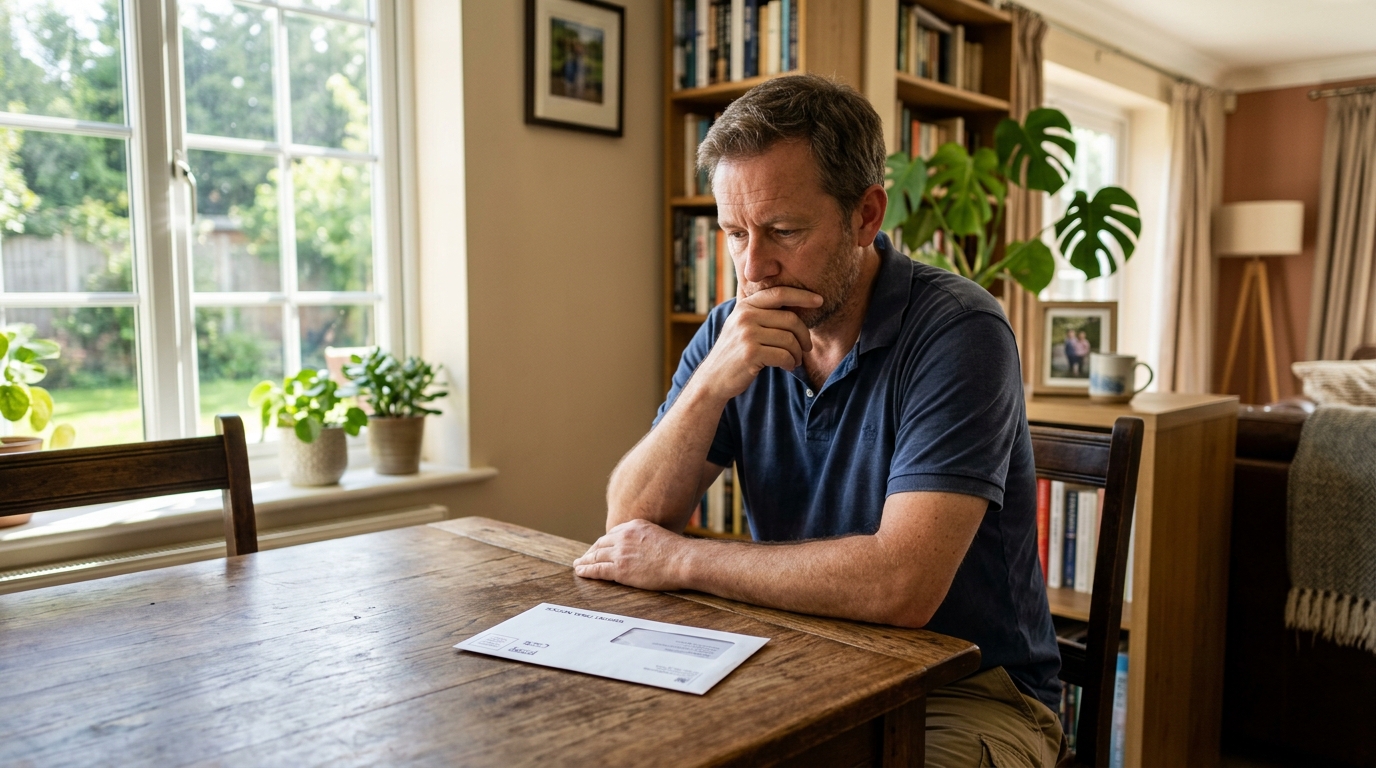
Relying on Social Security Disability Insurance is a gamble that most professionals simply cannot afford to take. While you might think the government has your back, the reality is that the application process is a bureaucratic nightmare that can take years to resolve. Even if you are eventually approved, the monthly payouts are designed to keep you at a basic subsistence level rather than maintaining your current lifestyle. You have worked too hard to build your career only to have your financial stability dictated by a rigid system that ignores your actual bills and obligations. This safety net is often more of a spiderweb, catching you in a cycle of waiting while your savings evaporate.
Workers compensation is another common trap that leads to a false sense of security for many employees. This coverage only kicks in if your injury or illness occurs directly on the job, leaving you completely exposed for the other sixteen hours of your day. Most disabilities actually stem from common illnesses like cancer, heart disease, or back problems that happen outside of the office. If you trip in your own driveway or face a sudden medical diagnosis, workers compensation will not provide a single cent of relief. You need a solution that follows you everywhere, not one that stops at the edge of the company parking lot.
True financial survival requires you to take control of your own risk profile rather than trusting a slow moving government agency. When you look at your monthly expenses, from your mortgage to your kids’ tuition, you quickly realize that a partial check from the state will not cut it. Private disability insurance bridges that massive income gap by providing a predictable, professional level payout that matches your real world needs. It is about protecting your most valuable asset, which is your ability to earn a paycheck every single month. Do not let a myth about public assistance jeopardize everything you have spent your life building.
Evaluating Your Personal Financial Risk Profile
Take a hard look at your bank account and ask yourself how many months you could actually survive without a single paycheck hitting your balance. Most professionals treat their savings like an impenetrable fortress, but a long term disability is a siege that can level those walls in record time. If you are trading your time and talent for money to pay a mortgage or support a family, your income is your biggest asset, not your house or your car. Relying on government programs is a gamble that usually ends in a payout far below your current lifestyle needs. Private coverage acts as the ultimate circuit breaker, ensuring that a physical setback does not trigger a total financial collapse for the people who depend on you.
You might think you are safe because you have a decent emergency fund, but a multi year disability is not a rainy day, it is a hurricane. Even a healthy six figure savings account starts to look incredibly small when you factor in rising medical costs alongside your regular monthly bills. True financial survival means recognizing that your ability to work is a fragile engine that powers everything else in your life. Private disability insurance is not about being paranoid, it is about being strategically prepared for a risk that hits one in four workers before they hit retirement age. If you do not have a massive inheritance or a passive income stream that covers all your costs, you are exactly the person who needs survival insurance to protect your family and your future.
Protect Your Paycheck or Risk Everything
The Skeptical Insider verdict is simple: if your lifestyle depends on your ability to trade your time for a paycheck, skipping disability insurance is like tightrope walking over a canyon without a net. We have seen every financial gimmick in the book, but protecting your income is not a luxury. Social Security is a bureaucratic nightmare that rarely pays enough to cover a decent grocery bill, and workers compensation only helps if you get hurt while on the clock. You need a policy that follows you everywhere, ensuring that an unexpected illness or a freak accident does not wipe out your entire life savings in a matter of months.
Securing your financial survival is about being smart enough to realize that you are your own greatest asset. It does not matter how much you invest or how many side hustles you run if a single medical diagnosis can pull the rug out from under you. Peace of mind is worth the premium because it allows you to focus on building your future without the constant fear of a total collapse. Take the time to audit your risk profile today and stop leaving your family’s stability up to chance.
Once you have your personal protection handled, you should turn your attention to protecting your business ventures and professional assets from unnecessary legal headaches. Discover how an estate planning lawyer can help you build a rock-solid foundation for your next big project. Taking this next step ensures that your professional structure is just as secure as your personal income, giving you the ultimate advantage in a volatile world. Explore our comprehensive guides to see how we can help you handle the complexities of financial and legal security.
Frequently Asked Questions
1. Isn’t my emergency fund enough to cover a disability?
Probably not. While a small savings account is great for a broken water heater, it will vanish in weeks when faced with a long term medical crisis. You need a system that replaces your actual income for months or years, not just a few weeks of groceries.
2. Won’t the government take care of me if I can’t work?
Relying on government programs is a massive gamble. These systems are notorious for red tape, long wait times, and very strict rules that often only cover accidents that happen specifically at your workplace. Real life illnesses and off duty injuries usually won’t qualify you for a dime.
3. I’m young and healthy, so do I really need this now?
Statistically, one in four young professionals will face a disability that sidelines them before they retire. Your health is your greatest asset right now, and waiting until you are older or sick means you might not be able to get coverage at all. Lock it in while your health is on your side.
4. Is disability insurance more important than insuring my home?
Absolutely. Your ability to earn an income is worth millions over your career, which is far more than the value of your house. If you wouldn’t leave a half million dollar home uninsured, you shouldn’t leave the very income that pays for that home completely exposed.
5. What exactly does disability insurance protect?
It protects your future cash flow. It ensures that if an illness or injury stops you from showing up to work, your family’s security, your housing, and your savings stay intact. It is essentially an insurance policy for your entire lifestyle.
6. How much coverage do I actually need?
You should aim to cover the majority of your after tax income to maintain your current standard of living. Since your bills don’t stop when your paycheck does, you need enough to keep your head above water without draining your 401k or retirement accounts.