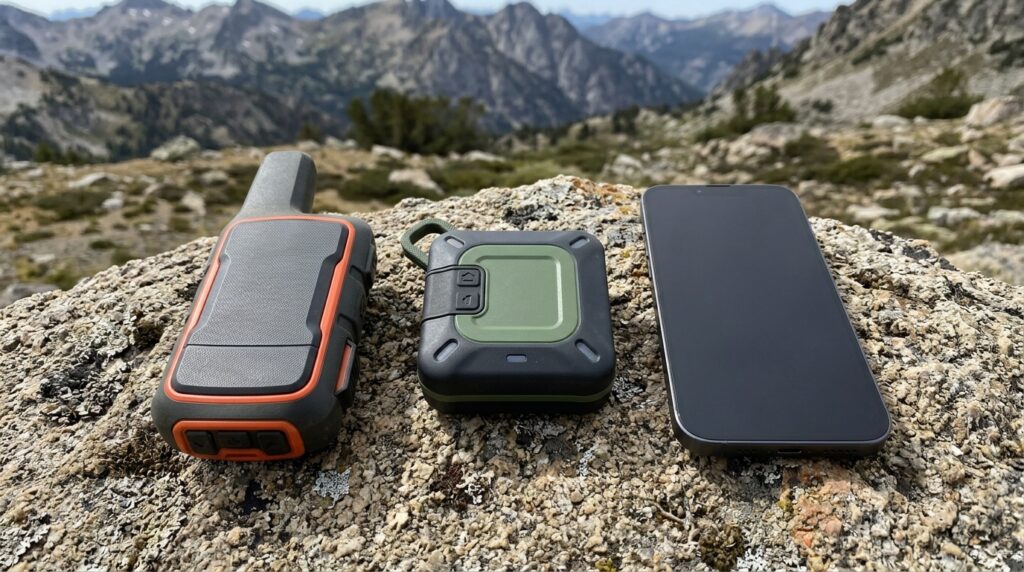
When you compare satellite communicators, start with what you need off-grid. ZOLEO’s advertised $169 device price means a lower upfront cost, while Garmin’s $499.99 inReach Mini 3 Plus adds photo sharing and 30-second voice messages. But the sticker price is only part of the cost. Service can add up, and a basic text-and-SOS device is different from one built for richer messaging or navigation. ZOLEO’s U.S. product page also says you need an active subscription for its connected satellite features.
Your phone may offer another option. Apple’s satellite features work on iPhone 14 and later, and are included free for two years after activation. They can help you contact emergency services, message friends and family, and share your location. But satellite messages can be slow, and obstructions may block a connection. So which option makes sense? Choose a dedicated communicator if you want a separate device and ongoing satellite tools. Consider your iPhone for occasional access if its features fit your trip and backup plan. And don’t compare battery claims without checking the conditions: standby estimates and tracking-mode estimates describe different uses. The right choice covers your communication needs without making you pay for features you won’t use.
Key Takeaways
- ZOLEO’s advertised $169 device price is only the start: its Prepare plan requires at least three months plus a $19.99 activation fee, making minimum service cost $79.96 before the device, overages, or add-ons.
- Garmin’s inReach Mini 3 costs $449.99, while the $499.99 Mini 3 Plus adds photo sharing and 30-second voice messages, so pay the extra $50 only if you’ll use those features.
- Apple satellite features on iPhone 14 and later are free for two years after activation and suit occasional contact, but messages can take 30 seconds or several minutes and obstructions can block a connection.
- Battery claims are not a fair head-to-head: Garmin’s Mini 3 estimate of up to 350 hours assumes 10-minute tracking, while ZOLEO’s estimate of about 200 or more hours describes standby with message checks every 12 minutes.
Which Satellite Communicator Fits You?
Your choice depends on whether you want a lower-cost dedicated communicator, a Garmin with richer messaging, or occasional satellite access through a phone you already own. – Choose ZOLEO for a lower-cost dedicated device. ZOLEO’s communicator was advertised at $169, reduced from $199, in October 2026. You need an active subscription for its connected satellite features. The lower sticker price may appeal, but it doesn’t guarantee a lower total cost once you add service. – Choose the Garmin inReach Mini 3 for a compact dedicated device. It costs $449.99, weighs 4.31 ounces, and Garmin estimates up to 350 hours of battery life at a 10-minute tracking interval. It’s a straightforward option if you want a small Garmin communicator without photo or voice messaging. – Choose the inReach Mini 3 Plus for photos and short voice messages. Its suggested retail price is $499.99, and it adds photo sharing and 30-second voice messaging. Pay extra for these features only if you’ll use them, not just because the Plus name sounds like a safer bet. – Consider iPhone satellite features if you want to use a phone you already own. iPhone 14 and later offer satellite features, but a phone isn’t a like-for-like replacement for a dedicated communicator on every trip or for every use. Consider whether those features fit your route, communication needs, and backup plan. The price gap is real, but don’t let the device price make the decision for you. ZOLEO requires an active subscription for connected satellite features, and Garmin requires an active satellite subscription for its inReach messaging, SOS, tracking, and weather features. Compare ongoing costs alongside hardware before calling one option a bargain. Battery estimates also need a close look. Garmin’s inReach Mini 3 estimate is based on a 10-minute tracking interval, while ZOLEO’s stated standby estimate describes a different use condition. Standby time and tracking-mode time aren’t directly comparable, so the biggest advertised number doesn’t automatically mean a device will last longer on your trip. Quick match: ZOLEO is the lower-upfront-cost dedicated option; the inReach Mini 3 is the compact Garmin choice; the Mini 3 Plus is for photo and voice messaging; and an iPhone is worth considering if you want occasional satellite access without carrying a separate communicator.
How Do The Top Devices Compare?
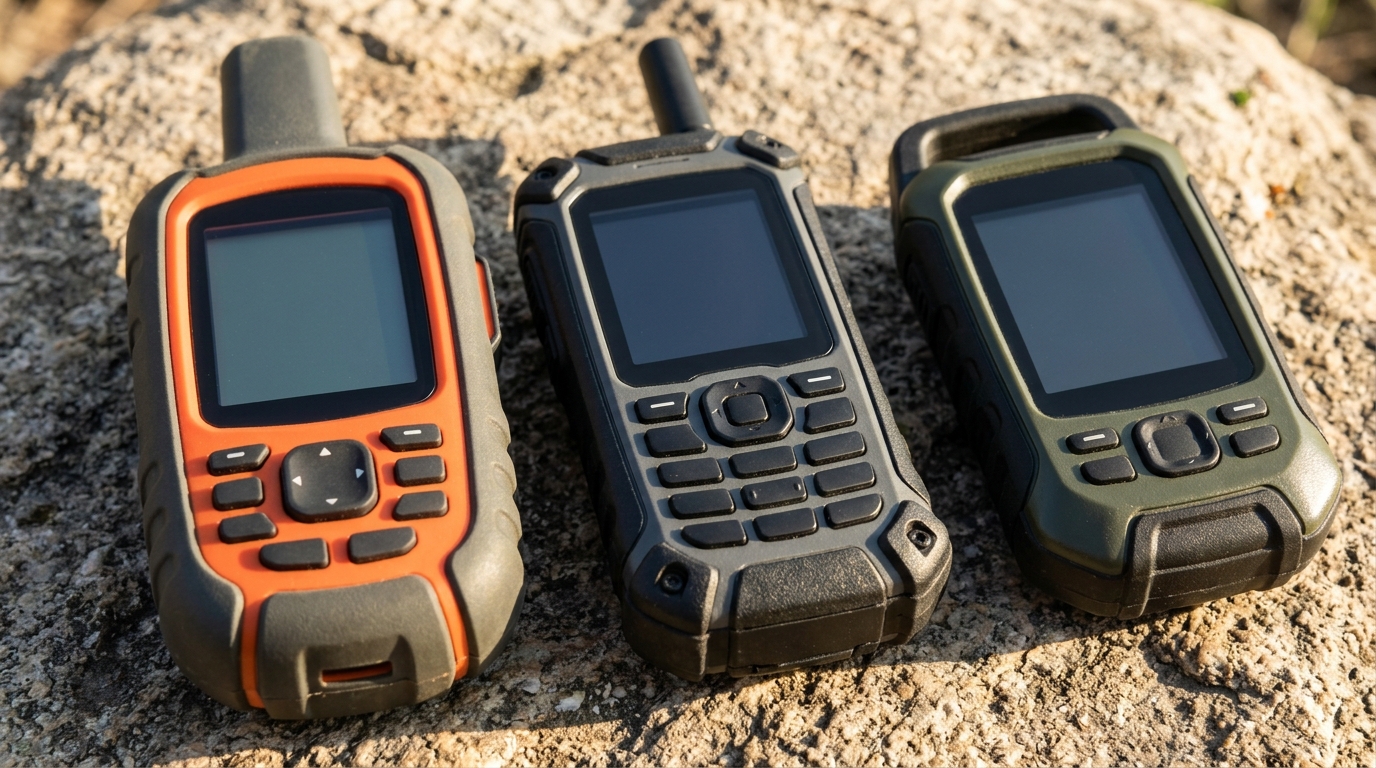
The best fit depends on whether you want a lower-priced dedicated communicator, Garmin’s added messaging features, or satellite options built into an iPhone. Consider the device cost, the service required for satellite features, and how much communication gear you want to carry.
| Option | Best fit | Known upfront price | Satellite-service requirement | Standout trade-off |
|---|---|---|---|---|
| ZOLEO 1500 | You want a dedicated communicator with durable construction. | $169 advertised in October 2026, reduced from $199. | An active subscription is required for connected satellite features. | USB-C charging, Bluetooth LE 5.2, IP68 water protection to 1.5 meters for 30 minutes, and MIL-STD-810G shock resistance. Its battery estimate is for standby, not tracking mode. |
| Garmin inReach Mini 3 | You want Garmin’s compact communicator without the Plus model’s photo and voice messaging. | $449.99. | An active inReach satellite subscription is required for messaging, SOS, tracking, and weather features. | Garmin lists a 4.31-ounce weight and estimates up to 350 hours at a 10-minute tracking interval. |
| Garmin inReach Mini 3 Plus | You want to send photos and short voice messages from a dedicated communicator. | $499.99 suggested retail price. | An active inReach satellite subscription is required for satellite features. | It adds photo messaging and 30-second voice messaging. Garmin estimates up to 330 hours in 10-minute tracking mode. |
| Apple satellite features | You have an iPhone 14 or later and want satellite options on your phone. | No separate communicator price; the cost of an eligible iPhone is not listed here. | Apple says satellite features are included free for two years after activation. | You avoid carrying a separate communicator, but the option requires a compatible iPhone rather than a dedicated device. |
The ZOLEO 1500’s hardware details show what it’s built for: a dedicated communicator with water and shock protection. ZOLEO announced the model on July 29, 2026. Its listed specifications include USB-C charging and Bluetooth LE 5.2. The listed battery estimate is approximately 200 or more standby hours with satellite coverage and a message check every 12 minutes.
That battery figure isn’t directly comparable to Garmin’s estimates. Garmin’s Mini 3 and Mini 3 Plus figures describe tracking at a 10-minute interval. ZOLEO’s figure describes standby under its stated message-check conditions. Treating them as equivalent turns different use cases into a misleading contest.
The Garmin models make a different trade-off: the Mini 3 has a simpler feature set, while the Mini 3 Plus adds photo and voice messaging for a higher suggested price. Those extras matter if you expect to send more than text. If you don’t, the Plus label alone doesn’t make the extra cost worthwhile.
Apple’s option stands apart because its satellite features are part of a compatible phone, not a separate communicator. That means less dedicated gear to carry, while Garmin and ZOLEO offer standalone devices with their own satellite-service requirements. There’s no universal winner. Decide whether you value a dedicated communicator, richer messages, or using an iPhone you already have.
What Will Subscriptions Really Cost?
Your real cost includes the device price plus every required service month, activation fee, overage, and add-on you use. The sticker price is only the starting point.
ZOLEO Prepare costs $19.99 per month for 50 satellite messages, with additional messages at $0.50 each. Prepare has a three-month minimum and a $19.99 activation fee, so your minimum service commitment is $79.96 before device cost, overages, or add-ons. That total covers three months of service plus activation, not the communicator itself.
ZOLEO Protect costs $34.99 per month for unlimited satellite messaging, subject to fair-use terms. It has the same three-month minimum and $19.99 activation fee, bringing the minimum service commitment to $124.96 before device cost or add-ons. You can compare the ZOLEO plan details, but focus on how you’ll use the service, not just the word “unlimited.”
The difference between the plans is $15 per month. If you expect to stay within 50 satellite messages each month, Prepare keeps your service charge lower. If you expect to send more messages, Protect may be easier to budget for, though its fair-use terms still apply. On Prepare, frequent check-ins can raise your bill through $0.50 overage messages, so estimate your likely message count instead of assuming your trip will be quiet.
Tracking can add another charge. ZOLEO Location Share+ costs $6 per month, and breadcrumb tracking is available only with that add-on. If you want a record of your route, include the add-on for each month you expect to use it. If you only need messaging and SOS, skip tracking features you won’t use.
Garmin’s consumer inReach plans are month-to-month with a 30-day commitment. Garmin requires an active satellite subscription for inReach messaging, SOS, tracking, and weather features. This setup may suit you if you use the device for a shorter or more occasional season, but the device price doesn’t cover satellite service. The exact service cost depends on the plan you choose, so compare Garmin’s current options rather than trying to estimate the total from the hardware price.
For a fair comparison, start with the number of months you expect to use the communicator, then add the service charges for those months. For ZOLEO, include the activation fee, likely Prepare overages, and Location Share+ if you need breadcrumb tracking. For Garmin, account for the plan’s 30-day commitment and the active subscription required for the features you expect to use. Then add the device price. A low upfront cost can lose its appeal if you need several months of service or frequent add-ons. A higher-priced device can also come with ongoing costs that belong in your budget.
Here’s a quick example: even for a short trip, ZOLEO’s three-month minimum applies if you use the communicator for only part of one month. A longer season means more service months to count, while high message volume or tracking needs can change which plan fits. Compare likely months of use, message volume, and tracking needs, not just the device price.
Messaging, Navigation, And Battery Trade-Offs
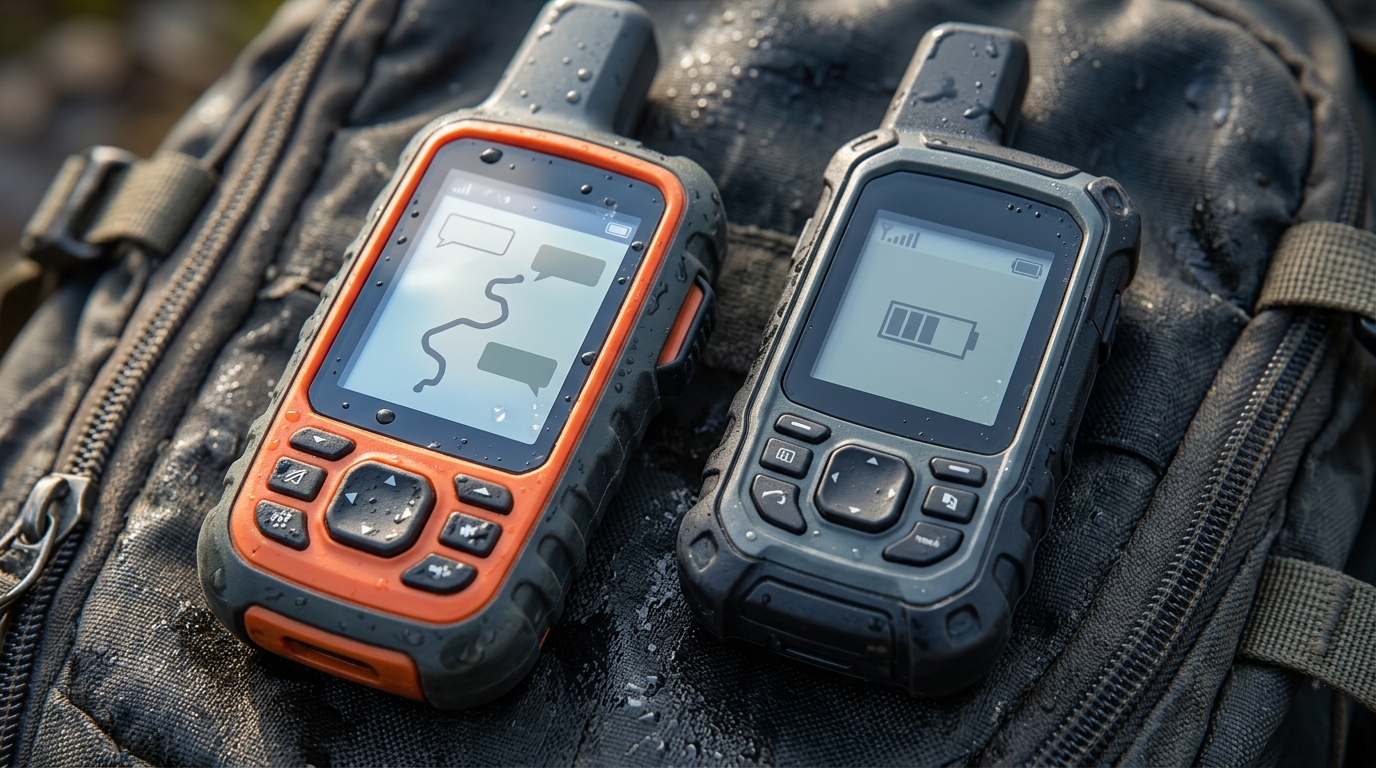
A basic satellite communicator is built for a few jobs: sending text messages and triggering SOS. A premium model may add more ways to communicate, such as photo sharing or voice messages, along with features like on-device navigation and touchscreen controls. Some setups also rely on a paired phone for controls. More features can make a device more useful, but they can also mean more to pay for and manage.
The inReach Mini 3 Plus shows the difference in messaging: it supports photo sharing and voice messages up to 30 seconds. That’s a real step up from a simpler, text-focused setup. Ask yourself whether a photo or spoken update would help the people waiting for news, or whether plain text is enough. If text does the job, richer messaging may be an expensive extra rather than a reason to upgrade.
Navigation may be another reason to spend more. If you need to follow a route on the device itself, check whether the model you’re considering has the navigation features you want. Don’t assume every communicator includes them or that a premium price guarantees a better fit for your route. If you expect frequent tracking, count the ongoing service costs too. A feature you use throughout a trip may justify the expense; one you rarely use may not.
Battery numbers also need a close look. Garmin estimates up to 350 hours for the inReach Mini 3 and up to 330 hours for the Mini 3 Plus in 10-minute tracking mode. These are manufacturer estimates, not promises about how long either device will last on your trip. The Plus model’s lower estimate in the same mode is a useful reminder that extra features don’t automatically mean longer battery life.
ZOLEO 1500’s estimate of approximately 200 or more hours describes a different use: standby time with satellite coverage and a message check every 12 minutes. It isn’t the same test mode as Garmin’s 10-minute tracking figures. Lining up the numbers as if they were measured under identical conditions gives you noise, not a fair comparison. Think about how often you’ll track, send messages, and use other features rather than treating any advertised maximum as a real-world guarantee.
The verdict comes down to what you’ll actually use. If route navigation and frequent tracking are central to your plans, paying more for suitable tools and their ongoing service may make sense. If you mainly need text and SOS, spending extra for premium messaging or controls could mean paying for features you never use. Check the specific device and service details before you decide.
Is Your Phone Enough Off-Grid?
An iPhone 14 or later may be enough for occasional satellite contact on a trip, but it isn’t a universal replacement for a dedicated communicator. Using your phone makes the most sense when your needs are limited and you’re comfortable relying on it as your satellite device. Apple’s satellite features can help you contact emergency services, request roadside assistance, message friends and family, and share your location. The features are included free for two years after activation. That doesn’t guarantee permanent free access, so don’t build a long-term plan around it. Sending a satellite message takes patience. In ideal conditions, a message may take 30 seconds or more; in some conditions, it can take several minutes. Heavy foliage or other obstructions can prevent a connection. If your trip takes you under dense tree cover or near other obstacles, don’t assume a message will go through just because your phone has satellite features. For a short outing with occasional check-ins, carrying your existing iPhone may be appealing. You avoid adding a separate device and may only need to send a message or share your location now and then. But a longer trip, frequent back-and-forth communication, or a need to keep your phone separate from your communication gear may make a dedicated communicator a better fit. A Garmin inReach or ZOLEO is a separate device built for satellite communication. That matters if you want your phone to stay a phone while another device handles satellite messages, tracking, or other communicator features. It also means accounting for a satellite subscription: Garmin requires an active subscription for its inReach messaging, SOS, tracking, and weather features, while ZOLEO requires one for its connected satellite features. Ask what a backup plan means for your route. If your phone is your only satellite option, you’re relying on it for both everyday use and off-grid contact. If you want communication gear separate from your phone or expect ongoing two-way messaging, a dedicated communicator gives you a separate device for the job. Neither setup guarantees a connection everywhere, so weigh the limits alongside the convenience. Using your phone is a reasonable choice when your trip is relatively short, satellite messages will be occasional, and you accept that sending one may take time or be blocked by obstructions. A dedicated communicator is a better fit when you want a separate device or expect regular satellite communication over a longer trip. The key question isn’t whether your iPhone has satellite features. It’s whether those features fit the way you’ll need to communicate.
SOS, PLBs, And Registration
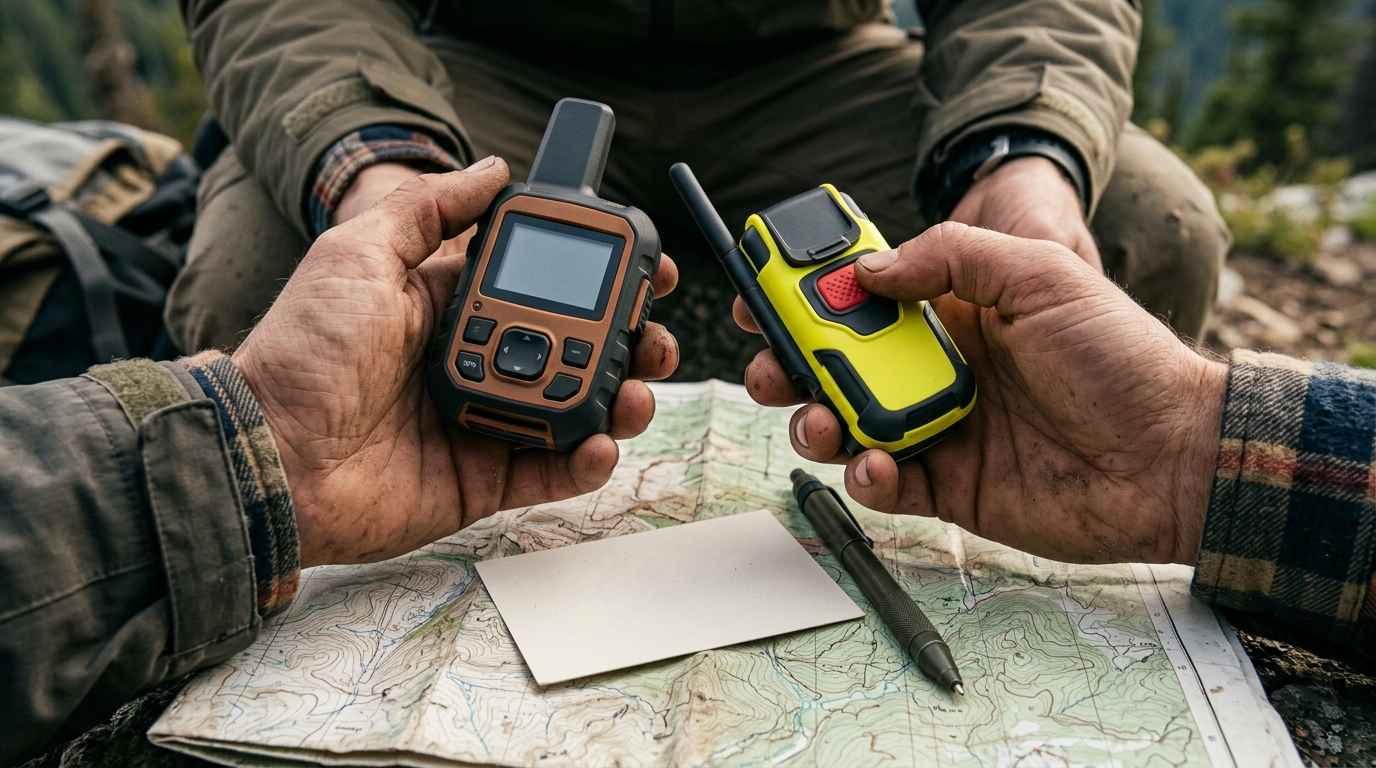
A satellite communicator’s SOS button and a personal locator beacon (PLB) may both summon help, but they aren’t the same kind of device, and their paperwork rules differ. In the United States, NOAA requires registration, updated owner details when information changes, and renewal every two years for U.S.-coded 406 MHz distress beacons such as PLBs. These requirements do not automatically apply to consumer satellite messengers like Garmin inReach or ZOLEO. NOAA’s beacon registration guide explains which beacons must be registered.
This distinction matters when you compare costs and setup. A PLB’s registration requirement isn’t the same as a consumer communicator’s subscription requirement. A messenger may need an active service plan for satellite SOS or messaging, while a PLB is subject to beacon-registration rules. Check both: confirm the SOS function, service terms, and messaging features for the exact Garmin, ZOLEO, or other model you’re considering.
406 MHz beacons are backed by a real rescue network. NOAA reported that satellite-aided search and rescue supported 350 rescues in the United States and surrounding waters in 2023, including 51 land rescues where PLBs were used. The international COSPAS-SARSAT system had supported more than 48,000 rescues worldwide since it began in 1982, according to NOAA’s rescue summary. These figures show why distress-beacon systems matter. They don’t promise that a particular device will connect or that rescue will arrive in every situation.
A consumer communicator’s SOS feature has its own details to check. Find out what the model’s SOS function does, which service must be active, and how its messaging works. For example, don’t assume that a device advertised with SOS also includes every messaging feature you want, or that satellite SOS works without the plan required for that model. Coverage conditions and the situation itself can affect what happens next.
Keep the distinction clear: NOAA requires registration for covered U.S.-coded PLBs; consumer communicator subscriptions are service terms for the device. A registered PLB isn’t automatically a messaging device, and owning a communicator doesn’t automatically mean you have a registered 406 MHz beacon. Neither device guarantees rescue. The useful question is which system, features, and service terms fit the trips you actually take.
What Should You Check Before Buying?
Before you buy, match the device and service to your route, trip length, communication habits, and budget, not the longest feature list. Use this checklist to find an option that fits the way you travel.
- List the features you need. Decide whether your trips call for two-way messaging, SOS, location sharing, breadcrumb tracking, on-device navigation, or photo and voice messages. The Garmin inReach Mini 3 Plus may suit you if you’ll use its richer messaging. A simpler setup may be enough if you mainly need text and SOS.
- Price the full service commitment. Add the device cost, required subscription months, activation fees, likely message overages, and relevant add-ons such as ZOLEO Location Share+ for breadcrumb tracking. Count the months you’ll need service, including any plan minimum, before deciding which option offers better value.
- Compare battery estimates fairly. Check the test mode and conditions before comparing claims. Standby time, such as ZOLEO 1500’s estimate with periodic message checks, isn’t the same as Garmin’s tracking-time estimate. Don’t treat either figure as a guarantee for your trip.
- Check whether your route offers a clear satellite view. Consider whether trees, steep terrain, buildings, or other obstructions could block a connection. Apple warns that heavy foliage or other obstructions can prevent iPhone satellite messaging, so don’t make a phone your only plan where the sky may be blocked.
- Choose based on how often you’ll communicate off-grid. Pick a dedicated Garmin or ZOLEO communicator for regular off-grid communication and the features you’ll use. Consider iPhone satellite features for occasional contact if you already have a supported phone and its limits fit your route. Choose premium navigation, tracking, photo, or voice features only when they solve a real need on your trips.
Make Your Off-Grid Choice
Before you spend, use your next trip to make the call. Mark the points where you expect to check in, share your location, or need help. Then decide whether your phone needs to stay free for other tasks. That gives you a practical device brief instead of a wish list.
If photos or spoken updates would genuinely help your contacts understand what’s happening, compare the Garmin inReach Mini 3 Plus with the Mini 3. The $50 hardware difference buys photo sharing and 30-second voice messages. If you’d send text only, leave the Plus features off your must-have list.
If you’re leaning toward ZOLEO, estimate your satellite messages for each service month before choosing a plan. If you expect to send more than 50, compare Prepare’s overage charge with Protect’s unlimited messaging and fair-use terms. Add Location Share+ only if you want breadcrumb tracking.
Already have an iPhone 14 or later? Check whether Apple’s satellite features fit your route and the kind of contact you need. Don’t assume a phone connection will work under heavy cover. If you need a separate communicator, choose the Garmin or ZOLEO model that covers your needs, then confirm its current service terms and SOS setup before your trip.
Frequently Asked Questions
1. Can you send messages from a satellite communicator to someone using a regular phone?
Many satellite communicators can send messages to regular phone numbers, so the recipient usually doesn’t need a satellite device. Delivery options depend on the communicator and its service.
2. Do satellite communicators work inside a vehicle or tent?
A satellite communicator may connect from a tent if it has a clear view of the sky, but a vehicle roof or other obstructions can weaken or block the signal. If the connection is unreliable, move to a more open spot.