

The best electrolyte powder depends on what your body actually needs, not the loudest label or biggest promise. Are you replacing sweat after a long workout, looking for a low-sugar daily option, or trying to manage fluid loss during illness? Sodium, carbohydrates, sugar, and your health history matter far more than flashy marketing.
Some powders pack serious sodium for heavy sweaters, while others keep sugar low for everyday use. The right choice should match your activity, sweat rate, and personal needs without making hydration complicated. We cut through the hype to help you find an option that earns its spot in your bottle.
Key Takeaways
- Choose an electrolyte powder based on your activity, sweat rate, and health needs—not marketing claims. Prioritize sodium first, then evaluate sugar, carbohydrates, ingredients, serving size, and cost.
- Use higher-sodium formulas with adequate carbohydrates for long, intense, or hot-weather workouts, while low-sugar or sugar-free options are generally better for daily hydration and shorter sessions.
- Compare products by cost per prepared serving and verify the actual sodium, sugar, carbohydrate, serving, flavor, ingredient, and subscription details before buying. A large container or introductory discount does not necessarily mean better value.
- Sports hydration powders are not substitutes for oral rehydration solutions during serious illness-related fluid loss. People with kidney, heart, blood pressure, or other fluid-balance concerns should consult a healthcare professional before increasing electrolyte intake.
Electrolyte Powder Shortlist
This electrolyte powder shortlist includes only offers that can be verified through current product pages. You will see the serving size, sodium, sugar, carbohydrates, ingredient list, available flavors, one-time price, and subscription terms for each formula. That matters because a powder designed for long workouts may not suit everyday hydration, while a low-sugar option may not provide enough carbohydrates for extended exercise. We also call out unclear labels, aggressive upsells, and subscription details that are easy to miss.
Use the comparison to match the formula to your actual needs, not the loudest sales promise. Check sodium first, then review sugar, carbohydrates, sweeteners, and flavor options before judging value. A larger tub is not automatically the better deal if each serving is small or the subscription price changes after the first shipment. If an offer does not clearly disclose its ingredients, serving details, or cancellation terms, treat that as a serious drawback. Do not let a discount make the decision for you.
Sodium Sugar And Carb Comparison

Start with sodium, and check the amount per serving rather than trusting phrases like “advanced hydration.” Many everyday powders provide roughly 100 to 300 milligrams of sodium, while high-sodium formulas may reach 500 to 1,000 milligrams or more. That higher range can make sense if you sweat heavily, exercise in hot weather, or leave visible salt marks on your clothing. If you have high blood pressure, kidney disease, or another condition affected by sodium, ask a healthcare professional before choosing a high-sodium product.
Sugar and total carbohydrates tell you more about when to use the powder. A low-sugar option with little or no carbohydrate is usually a practical pick for daily hydration, short workouts, commuting, or travel, especially if you want to avoid extra calories. During exercise lasting more than about an hour, added carbohydrates can help support energy, with roughly 15 to 30 grams per serving being useful for some athletes. More sugar does not automatically mean better hydration, so compare the carbohydrate amount with your actual workout demands.
Read the full label before you buy, including serving size, sodium, sugar, total carbohydrates, and the number of servings per container. A product that looks inexpensive may cost more if one bottle requires two or three scoops to deliver its advertised amounts. For a fair comparison, calculate the sodium and carbohydrate content you get per prepared bottle, then match it to your sweat rate and activity. The best electrolyte powder delivers enough sodium for your needs without loading you with sugar or carbohydrates you do not need.
Best Electrolyte Powder By Use Case
For endurance workouts and hot-weather training, the best electrolyte powder is the reviewed formula with a meaningful sodium dose and enough carbohydrates to support longer sessions. It can make sense when you sweat heavily, train for more than an hour, or exercise in high heat. The tradeoff is flavor. High-sodium mixes can taste aggressively salty, and some add more sugar than you need for a short workout. If your training is light or brief, you may be paying for calories and electrolytes your body does not require.
If you limit carbohydrates, focus on the reviewed sugar-free or low-sugar option, especially if you want hydration without a sweet drink. It is a better fit for daily exercise, walking, gym sessions, and people limiting carbohydrates. Check the label before buying because “electrolyte” does not guarantee a strong mineral dose. A weak formula may taste clean while delivering too little sodium to help during heavy sweating, and artificial sweeteners or flavors may still bother you. For everyday use, choose the product with the clearest ingredient list and the lowest cost per serving, not the loudest sales pitch.
Travel and illness-related fluid loss call for a different standard than ordinary workouts, so compare the available products for sodium, sugar, serving size, and mixing convenience. A portable powder with moderate sodium can be useful when you are moving through hot airports, taking long drives, or handling busy travel days. A balanced formula with some sugar may be more practical when fluid loss follows vomiting or diarrhea. Still, overly sweet flavors, unnecessary additives, and poor value can turn a convenient packet into an expensive shortcut. If illness-related dehydration is severe, persistent, or affecting a child, older adult, or person with a medical condition, do not rely on a supplement review alone. Seek medical advice.
Electrolyte Powder Safety And Value
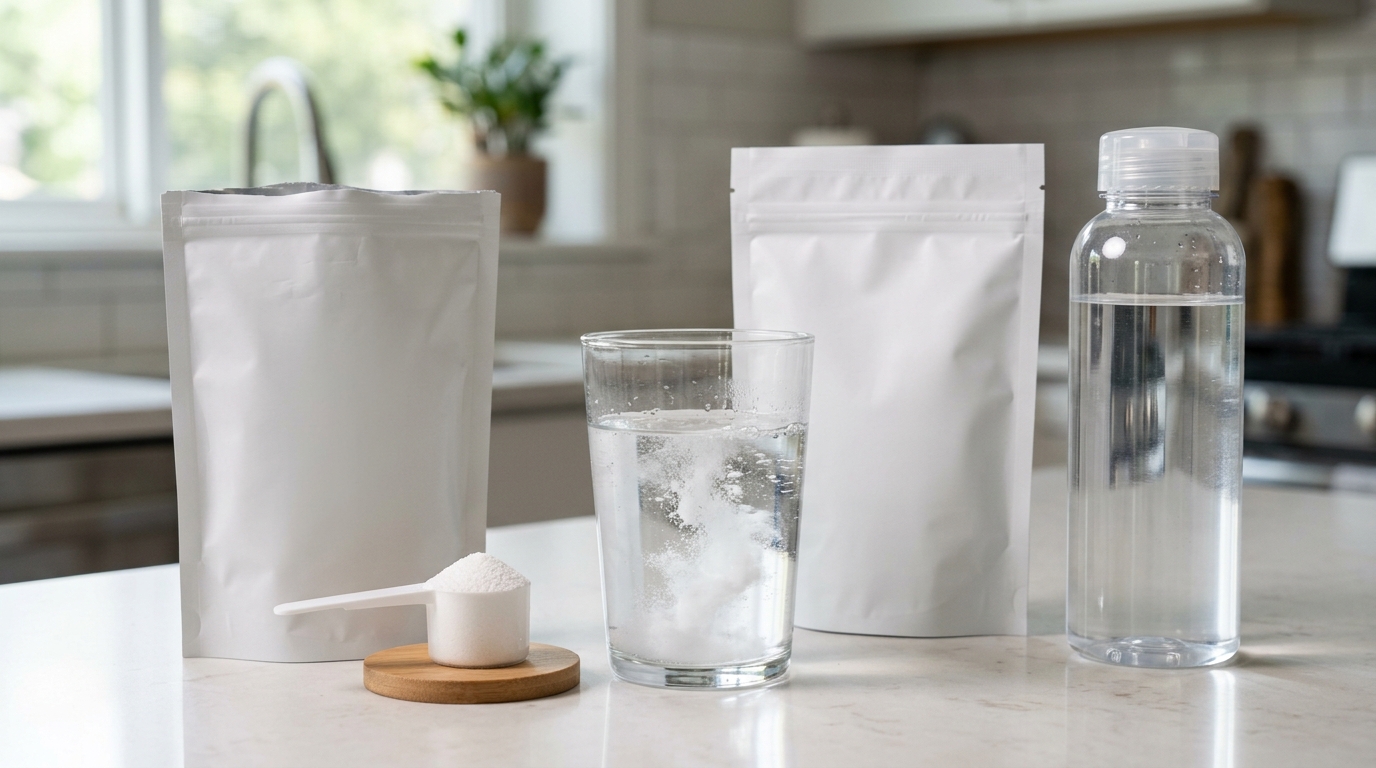
Serving instructions matter more than flashy claims when you compare electrolyte powder options. Mix each serving with the stated amount of water, and do not assume that doubling the powder doubles the benefit. Add up sodium from your powder, food, sports drinks, and other supplements. Keep in mind that the general daily limit for healthy adults is 2,300 milligrams, although heavy sweating can change your needs. Check the ingredient panel for hidden sweeteners, added sugar, and stimulants such as caffeine, especially if you already drink coffee or energy products.
Sports hydration powders and oral rehydration solutions are not interchangeable. A sports product is usually designed for exercise, heat, and sweat, while an oral rehydration solution has a specific balance of sugar and electrolytes intended to help replace fluids during illness-related losses such as vomiting or diarrhea. Choosing a sports mix for serious dehydration can miss the mark, and using a high-sodium formula casually can add more sodium than you need. If you have kidney disease, heart disease, high blood pressure, or any condition that affects fluids or electrolytes, ask a medical professional before using these products.
Value comes down to cost per prepared serving, not the size of the tub or the number of marketing claims on the front. Divide the purchase price by the number of full servings, then compare sodium, sugar, carbohydrates, and serving size across products that fit your actual use. A low-cost powder may be a poor deal if you need two scoops to reach your target, while a pricier option may make sense if one serving covers a long workout without unwanted sweeteners or stimulants. Start with the label, match the formula to your activity, and seek medical advice before experimenting if you have fluid-balance concerns.
Choose Electrolytes That Fit Your Workout
The best electrolyte powder is the one that matches how you actually use it, not the one with the loudest marketing. For long or sweaty workouts, prioritize higher sodium and enough carbohydrates to support sustained activity, while shorter sessions may only require a lighter formula. If you want to limit sugar, choose a low-sugar or sugar-free option, but check the sodium amount so you are not paying for flavored water with minimal electrolytes. Compare serving size, ingredient quality, flavor, and cost per serving instead of judging value by the package price alone.
Use this simple framework: choose a higher-sodium formula for heavy sweating or endurance training, a moderate-sodium low-sugar option for everyday workouts, and an oral rehydration formula when fluid loss is linked to illness. If you have kidney, heart, or blood pressure concerns, review the label with a healthcare professional before increasing sodium or potassium. There is no universal winner, so shortlist products that fit your activity, sweat level, sugar preference, and budget. Then choose the one you will use consistently. For more ways to simplify your daily routine and save time and energy, explore our Best Meal Prep Services To Save Time And Energy guide.
Frequently Asked Questions
1. What makes an electrolyte powder the best choice?
The best electrolyte powder matches your actual needs, not the biggest promise on the label. Check sodium first, then compare sugar, carbohydrates, ingredients, serving size, and price. A formula for long workouts may be excessive for casual daily hydration.
2. How much sodium should you look for in an electrolyte powder?
That depends on how much you sweat and how long you exercise. Heavy sweaters and people doing long, intense workouts may need more sodium, while a lower-sodium formula can work for everyday use. Always judge the amount per serving, not vague claims like “advanced hydration.”
3. Should you choose a low-sugar electrolyte powder?
A low-sugar option makes sense for daily hydration or shorter, easier workouts. During long or demanding exercise, carbohydrates and some sugar can help support energy, so cutting them out is not always better. Match the formula to the work your body is doing.
4. Can you use electrolyte powder every day?
You can use some electrolyte powders daily, but not every formula is designed for that purpose. High-sodium products may be better suited to heavy sweating than routine sipping. Check the label and consider your health history, especially if you have been told to limit sodium or manage blood pressure.
5. Are electrolyte powders helpful when you are sick?
They may help replace fluids and electrolytes lost through sweating, vomiting, or diarrhea, but they are not a treatment for illness. Choose a clearly labeled product and follow medical advice when symptoms are serious, persistent, or involve dehydration. Children, older adults, and people with medical conditions should get professional guidance before relying on a supplement.
6. What ingredients should you check before buying an electrolyte powder?
Review sodium, sugar, total carbohydrates, sweeteners, serving size, and any added ingredients. Do not let a long ingredient list impress you if the key electrolyte amounts are unclear. If the product hides basic details behind marketing language, treat that as a red flag.
7. How can you tell whether an electrolyte powder is a good value?
Compare the cost per serving, not just the tub price or first-order discount. Check whether the serving size is realistic and whether the price changes after an introductory offer. A larger container can be a poor deal when it contains fewer usable servings or comes with an unwanted subscription.
8. What should you check before ordering an electrolyte powder?
Use the current product page to verify the serving size, sodium, sugar, carbohydrates, ingredients, flavors, one-time price, and subscription terms. Watch for aggressive upsells, unclear cancellation rules, and missing label information. Never treat a discount as proof that the formula is right for you.