Home insulation course reviews can help you avoid wasting time and money on training that looks impressive but leaves you unprepared. A popular free online course has strong ratings and thousands of students, yet its older content and lack of hands-on practice raise real questions. If you want more than a certificate on your screen, those details matter.
The right course should teach safe installation, proper inspection, and the skills employers actually expect. Weigh public ratings against course age, practical demonstrations, field testing, and exams, not polished sales copy. That is how you separate a useful starting point from training that does not go far enough.
Key Takeaways
- Choose insulation courses based on current, practical instruction—not ratings or sales claims. Look for step-by-step demonstrations, material planning, air sealing, moisture control, safety guidance, checklists, and realistic skill tests; an older course or certificate alone may not prepare you for real installation work.
- Evaluate the full financial value before buying. Include course fees, tools, protective equipment, materials, waste, labor, and potential repair costs, and treat promised energy savings or payback periods as estimates affected by climate, home condition, utility rates, and installation quality.
- Safety must be a core part of the curriculum. Training should address electrical hazards, mold, moisture, ventilation, tight spaces, hazardous materials, protective gear, local codes, and clear conditions for stopping work.
- Use online training for straightforward, accessible projects and basic planning, but hire qualified professionals for damp or moldy areas, unsafe access, complex wiring, structural problems, suspected asbestos, major renovations, or any work beyond your skills.
Home Insulation Course Reviews
A paid ClickBank home insulation course may help you plan a safer, cheaper project, but the sales page is not proof that it delivers. These home insulation course reviews look past bold savings claims and focus on whether the lessons are clear, current, and useful in a real house. You should expect practical guidance on measuring rooms, choosing materials, sealing air leaks, and avoiding common installation mistakes. A course that only repeats basic tips without showing the work may not justify the price. The goal is to determine whether the training gives you enough confidence and direction to make smart decisions before spending money.
Cost matters as much as course quality. A fair review should compare the program price with your expected material costs, tool purchases, safety equipment, waste, and the possible cost of fixing a poor installation. It should also explain whether the promised savings are realistic, because insulation work can involve moisture problems, wiring, ventilation, tight spaces, and other issues that a short video course cannot solve. Strong safety instructions are essential, especially when you may encounter electrical hazards, mold, damaged materials, or unsafe attic conditions. If the lessons skip these risks, treat that as a serious warning sign.
The best course is not necessarily the one with the biggest discount or the most dramatic promises. You may be able to handle a small, accessible project after studying the basics, but larger jobs or homes with moisture, structural, or electrical concerns deserve professional attention. A useful review will make that boundary clear instead of pushing you to do everything yourself. It should also explain what the course does well, where it falls short, and whether its guidance could prevent expensive mistakes. That honest breakdown helps you decide whether buying the training makes sense or whether hiring help is the safer financial choice.
ClickBank Course Claims And Curriculum
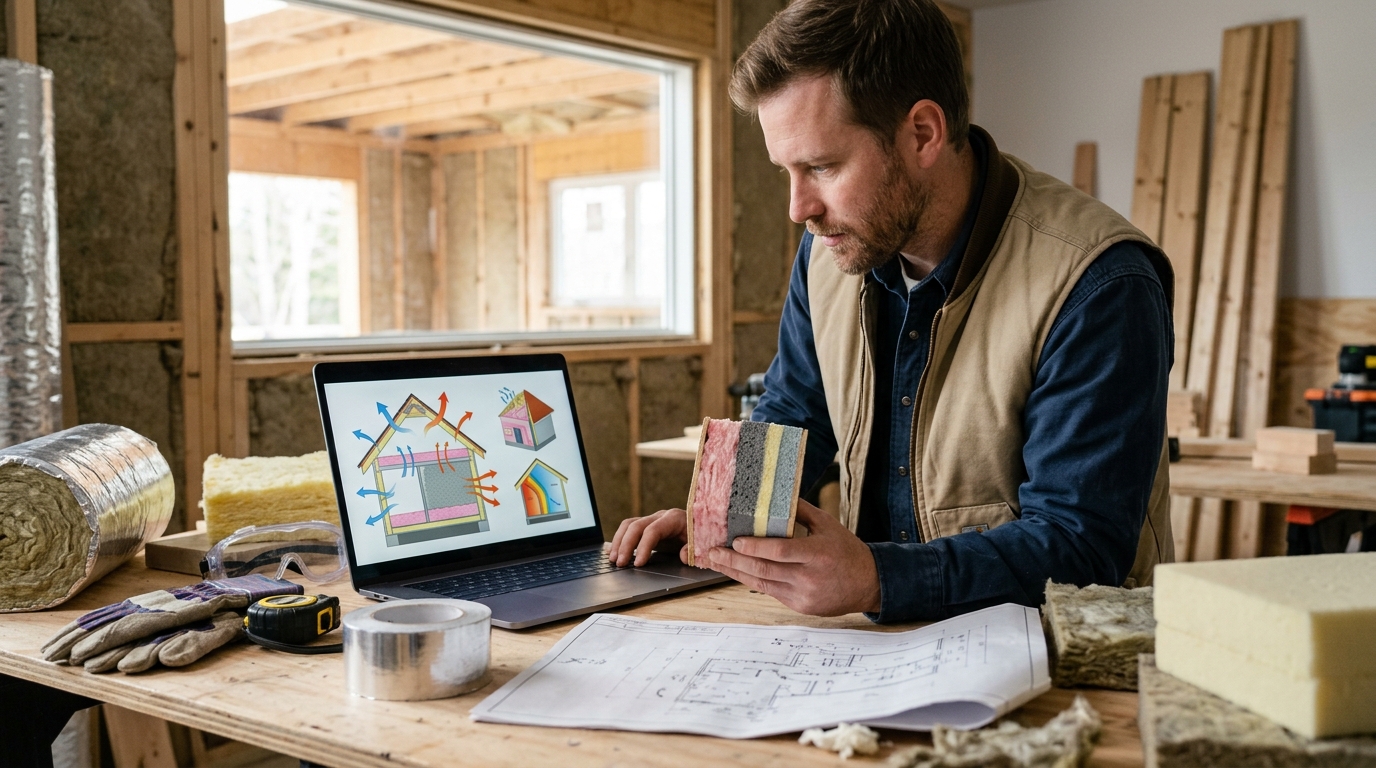
A ClickBank insulation course review should start with the curriculum, not the sales pitch. Check whether the lessons explain air sealing, insulation types, moisture control, measuring, material planning, and local safety rules, or simply promise lower energy bills. Look for a clear teaching format, such as step-by-step videos, diagrams, checklists, and downloadable plans, because vague text rarely prepares you for a real attic, wall, or crawl-space project. Project demonstrations matter even more because you need to see how the work is done around wiring, vents, tight spaces, and other hazards. If the course skips protective gear, ventilation, electrical risks, or signs that professional help is needed, treat that gap as a serious warning.
The best value is not always the cheapest course, and a high price does not prove that the lessons are complete. Before buying, confirm what support you actually receive, including instructor responses, updated materials, community access, or help choosing the right amount of insulation for your home. Then compare the total price with the practical value, while checking whether extra tools, guides, or upsells are required to follow the program. Read the refund terms carefully, including the deadline, eligibility rules, and whether you must contact support before requesting your money back. A polished checkout page cannot replace clear answers about what you will learn and what you will receive.
Be skeptical when a course guarantees quick savings, easy installation, or identical results in every home. Energy savings depend on your climate, current insulation, air leaks, heating and cooling habits, and the quality of the finished work, so honest instruction should explain those limits. A useful program helps you estimate materials, judge project complexity, and recognize when poor access, mold, structural damage, or hazardous materials call for a qualified professional. Use those standards to separate real training from hype, and only consider buying when the lessons give you a safer plan, realistic expectations, and skills you can actually use.
DIY Insulation Safety And Skill Tests
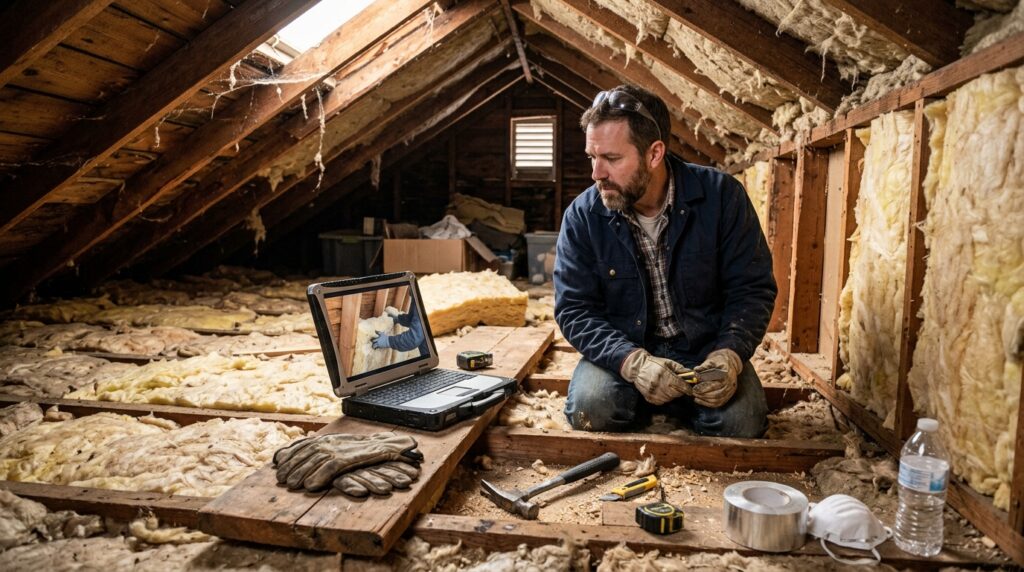
When reading home insulation course reviews, check whether safety is taught as a hands-on decision, not a quick disclaimer. A worthwhile course should cover gloves, eye protection, respirators, safe clothing, electrical hazards, attic ventilation, and the dangers of stepping between ceiling joists. It should also explain how moisture can collect inside walls, why poor airflow can encourage mold, and when attic access is too tight or risky for a DIY job. If these topics get only a few vague slides, the course is not preparing you for real work.
Strong lessons should help you make choices before you buy a single roll or panel. Look for examples that show how to measure an attic, estimate material quantities, handle insulation without damaging it, seal gaps, and avoid blocking vents or burying wiring and fixtures. The best training also explains how climate, existing moisture, and the condition of your roof change the plan. A course built around quizzes alone may test memory, but demonstrations, project checklists, and realistic problem-solving exercises reveal whether you can use the advice safely.
Your final test is knowing when not to proceed. A useful course should explain warning signs that call for professional help, including active leaks, mold, damaged wiring, unsafe access, asbestos concerns, or major ventilation problems. It should also help you compare course costs with likely material savings, since a cheap program is no bargain if it leads to wasted insulation or an expensive repair. Choose training that makes you more confident and more cautious, not a sales pitch that promises easy savings for every home.
Material Planning Savings And Payback
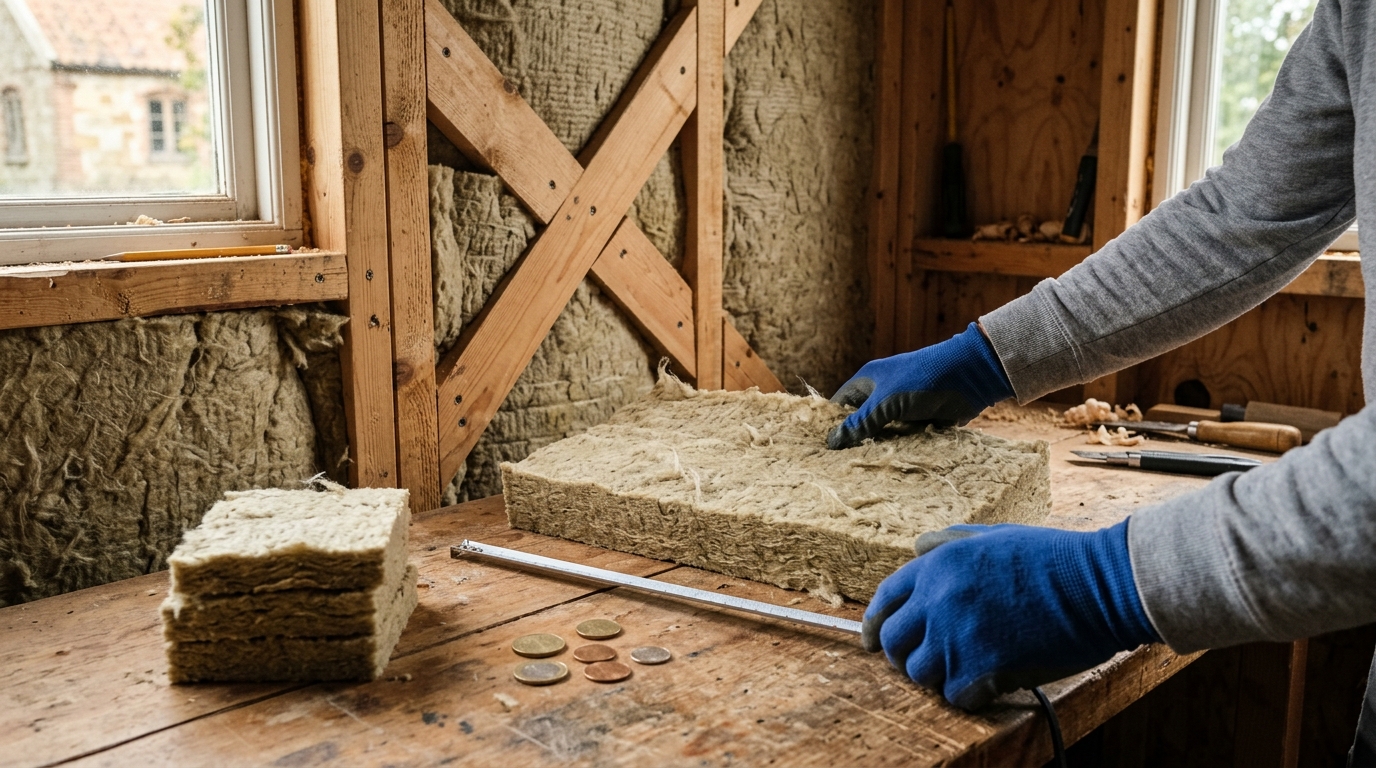
A useful home insulation course review should show whether the lessons teach you to measure attic, wall, and floor areas accurately before you buy materials. Look for clear guidance on choosing the right product, calculating coverage, allowing for waste, and comparing the cost of insulation, tools, protective gear, and disposal. Vague advice such as “buy enough to reach the target level” is not enough when one wrong estimate can leave you with costly leftovers or an unfinished job. The strongest courses also explain air sealing around gaps, pipes, wiring, and access panels, because adding insulation without stopping major air leaks can weaken the result.
Pay close attention to how a course handles labor estimates and energy savings. A trustworthy lesson should help you compare your time and effort with the cost of hiring qualified help, while making it clear that difficult access, moisture problems, wiring, and tight spaces can change the budget quickly. It should also use realistic savings examples instead of promising that every homeowner will recover the project cost within a fixed number of months. Your climate, utility rates, existing insulation, home size, and heating system all affect the outcome, so advertised payback periods are estimates, not guarantees.
Before paying for a course, add its price to your projected project budget and test a few conservative savings scenarios. A low-cost course may be worthwhile if it prevents measurement errors, unsafe work, or wasted materials, but it is a poor bargain if it skips hands-on planning and safety basics. Look for a clear worksheet, calculator, or project checklist that lets you estimate material quantities, labor hours, air-sealing needs, and possible savings before you start. If the work involves hazardous materials, major moisture damage, restricted access, or complex building systems, the smartest financial choice may be stopping at education and getting qualified help for the job itself.
When Professional Insulation Help Wins
Home insulation course reviews can help you judge whether a paid program explains safety, material planning, and realistic savings. But a course cannot make a tight crawl space safe or reveal problems hidden behind walls. If the area is cramped, damp, or difficult to enter, bring in a professional for an inspection before you touch the insulation. Wet insulation, musty odors, or visible mold also point to leaks or air-quality concerns that need attention first.
Some projects are simply too risky for a first attempt. Major air leaks can be hard to find, and insulation placed around wiring, recessed lights, or other electrical equipment can create a fire hazard when the details are unclear. Building codes also vary by location, especially for insulation levels, ventilation, moisture control, and fire protection. A good course may help you prepare questions and estimate materials, but it should not replace local code guidance or qualified electrical work.
Use training to plan a straightforward project, understand basic materials, and recognize when the job is beyond your skill level. For complicated homes, ask for professional inspection, installation, or testing, such as checking for air leakage after the work is finished. That extra cost may sting, but it can prevent wasted materials, hidden moisture damage, unsafe wiring, and disappointing energy savings. The best home insulation course reviews should be honest about this limit: education is useful, but hands-on judgment matters when your home’s safety is on the line.
Home Insulation Course Verdict
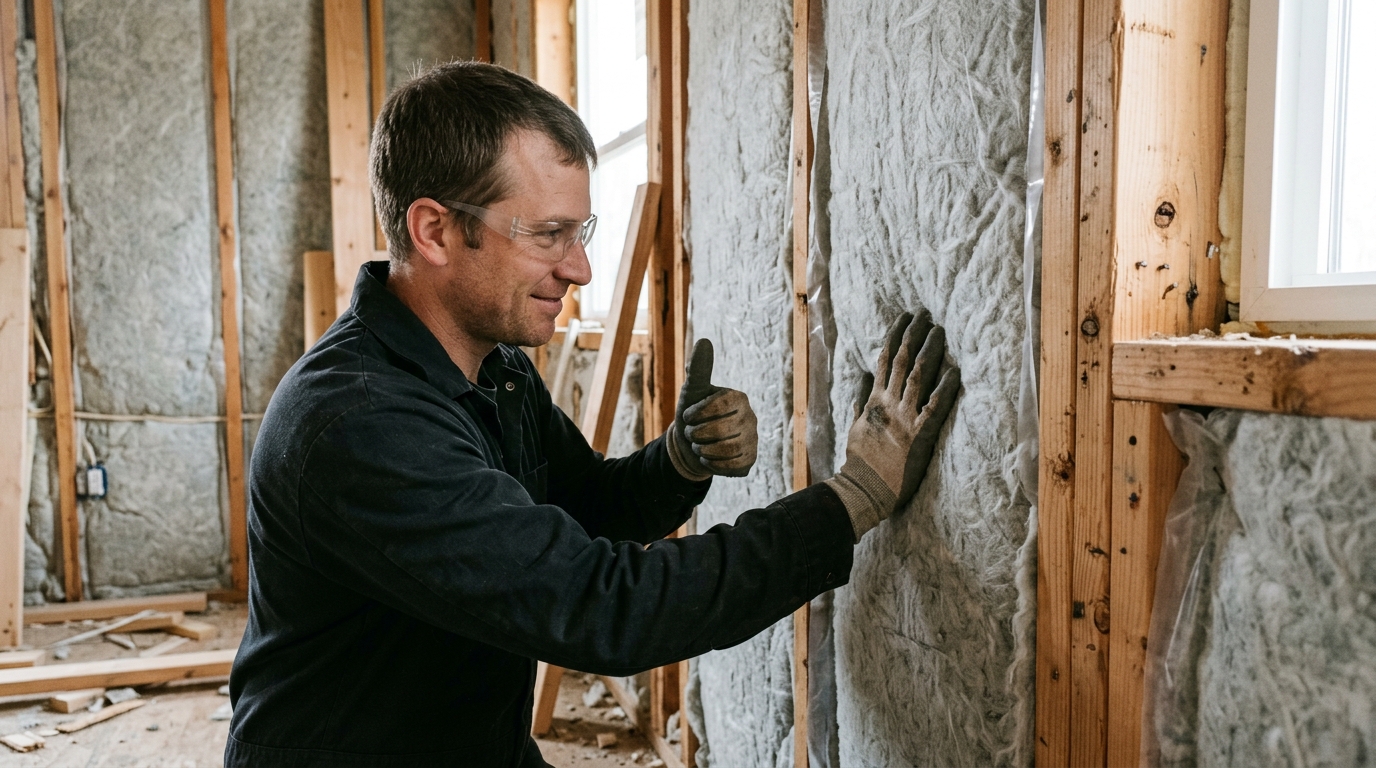
The best ClickBank insulation courses earn their price by helping you plan the job before you buy materials. Look for clear lessons on measuring spaces, choosing the right insulation, controlling air leaks, handling moisture, and estimating costs. Strong training should also explain protective gear, electrical hazards, ventilation, and when older materials may require expert testing. Step-by-step videos, printable checklists, realistic project examples, and responsive support can save you from expensive mistakes. If the course only promises huge energy savings without showing the work, treat that as a sales pitch, not proof of value.
Warning signs in home insulation course reviews include vague lesson previews, outdated information, inflated income claims, and no clear refund terms. Be cautious when a program skips local building rules, ignores the difficulty of tight spaces, or makes every project sound safe for beginners. A low price is not a bargain if the training leaves you guessing about material amounts, moisture problems, or safe clearance around wiring and heat sources. You should also question courses that offer no practical demonstrations or explain how to check whether your finished work is effective. Good training makes limits clear instead of pretending a few videos can replace skilled help in every situation.
Your final choice should match the job in front of you, not the excitement of the sales page. If you are a careful beginner working on a small, accessible area, a reasonably priced course with solid safety guidance may be worthwhile, especially when your budget is tight and you are ready to measure twice and work slowly. For a large attic, difficult crawl space, damp wall, old home, suspected hazardous material, or complicated electrical setup, skip the DIY gamble and get qualified help. Buy only when the course offers practical instruction, current safety advice, and a fair refund policy. Walk away when it sells fast savings instead of careful hands-on work.
Look Beyond Home Insulation Course Ratings
The best home insulation course reviews look beyond star ratings and sales claims. A popular introductory course has earned a 4.4 out of 5 rating from 163 reviews and attracted roughly 8,484 students, but its material was last updated in July 2015. That age matters because building guidance, safety practices, and product options can change. Reviewers also point to the same weakness: online lessons can explain the basics, but they cannot replace hands-on practice. Treat a high rating as a starting point, not proof that you are ready for a full installation.
Before you buy, check whether the course covers material planning, air sealing, moisture control, protective equipment, and common installation mistakes. You should also look for clear guidance on project limits, expected energy savings, and when a trained professional should take over. A strong course can help you plan a smaller DIY project, but complicated spaces, electrical hazards, moisture problems, and major renovations deserve extra caution. If you are thinking about turning your skills into a business, research the legal, tax, insurance, and registration requirements before you get started.
Frequently Asked Questions
1. What should you look for in home insulation course reviews?
Look for reviews that go beyond star ratings and sales-page promises. A useful review checks whether the course is current, clearly explains insulation materials and installation, includes practical demonstrations, covers safety, and tests your knowledge with quizzes or exams.
2. Can a paid ClickBank home insulation course really help you save money?
It can help you plan materials, measure rooms, spot air leaks, and avoid common mistakes, but savings are never guaranteed. You also need to budget for tools, safety gear, waste, and repairs if the work goes wrong. Treat bold savings claims as marketing until the lessons support them with clear, realistic guidance.
3. Is an older home insulation course still worth taking?
An older course may still teach useful basics, but outdated advice can become a serious problem when safety rules, materials, or building practices have changed. Check the publication date and look for updates before paying. If the course does not explain when its content was reviewed, be cautious.
4. Do online insulation courses provide enough hands-on training?
Most online courses can show you the process, but videos cannot replace working in a real attic, crawl space, or wall cavity. Choose training with detailed demonstrations, inspection examples, tool guidance, and practice tasks. If you plan to work professionally, you may need supervised field experience in addition to an online certificate.
5. What safety topics should a home insulation course cover?
A credible course should address electrical hazards, mold, damaged insulation, poor ventilation, moisture, tight spaces, protective clothing, and safe ladder or attic practices. It should also explain when to stop work and call a qualified professional. A course that focuses only on energy savings is not giving you the full picture.
6. Are high ratings enough to prove a home insulation course is good?
No. Strong ratings can show that students liked the course, but they do not prove that the information is current, complete, or practical. Read recent reviews, check what students actually learned, and compare the course content with the skills you need before you buy.
7. Is a certificate from an online insulation course enough to get a job?
Usually, no. A certificate may show that you completed lessons, but employers often expect safe work habits, material knowledge, inspection skills, and real installation experience. Use online training as a starting point, then build practical skills and check whether local employers require additional credentials.