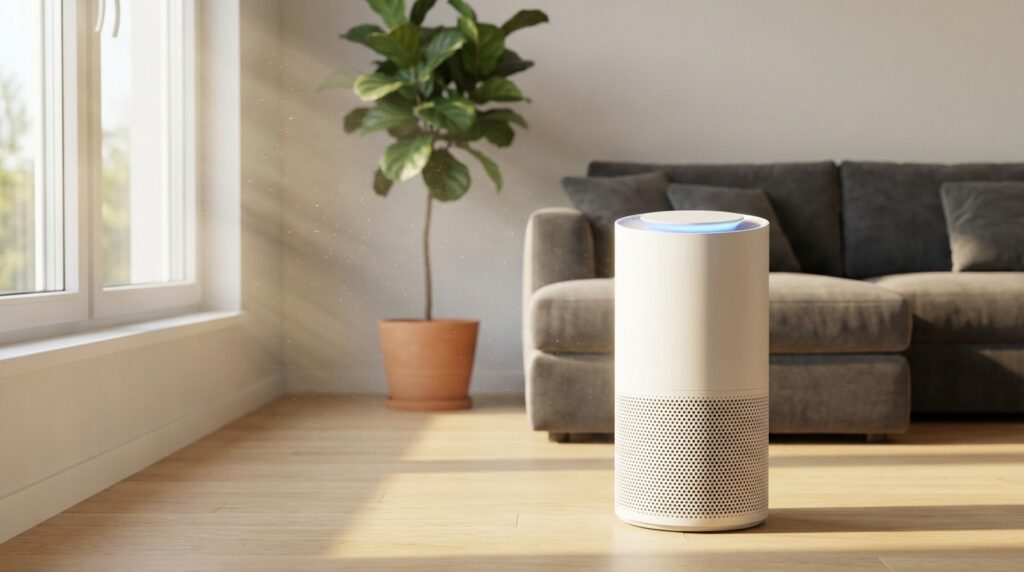
You’re tired of that lingering, musty smell and the constant worry that every breath is fueling an allergy flare-up. Finding the right air purifier for mold shouldn’t feel like a guessing game, but most brands bury the truth under a mountain of marketing fluff. We’re cutting through the noise to show you how a True HEPA filter actually traps those invisible spores while carbon layers tackle the stink.
While these machines are powerhouses at cleaning your air, don’t let a flashy sales page convince you they can fix a leaky pipe or a flooded basement. An air purifier is your best defense for capturing 99.97% of airborne triggers, but it’s a teammate, not a total cure for moisture issues. You deserve the straight facts on which tech actually works so you can stop breathing in the grime and start feeling comfortable in your own home again.
Key Takeaways
- True HEPA certification is the only medical-grade technology guaranteed to trap 99.97% of mold spores down to 0.3 microns, preventing them from settling in your home.
- An air purifier must be paired with a thick layer of activated carbon to neutralize the volatile organic compounds responsible for musty, damp odors.
- Prioritize high Clean Air Delivery Rates (CADR) and industrial-grade hardware over smart apps or sleek designs to ensure the machine can cycle air multiple times per hour.
- Strategic placement at least three feet from walls and at mid-level elevation is essential for intercepting airborne spores before they land on surfaces or are inhaled.
True HEPA Technology For Trapping Microscopic Mold Spores
When you are dealing with a mold outbreak, you cannot afford to mess around with cheap hardware that just moves dusty air from one corner to the next. You need to look for a medical grade HEPA filter because it is the only technology certified to trap 99.97 percent of particles down to a tiny 0.3 microns. Since most microscopic mold spores range from 3 to 100 microns, these filters act like an unbreakable wall for microscopic invaders. We have seen plenty of brands claim to be HEPA like, but if it does not have that True HEPA filter certification, you are essentially leaving your home safety to chance. Investing in high quality hardware now prevents a massive headache later when those spores try to take root in your carpets and furniture.
While the HEPA filter handles the heavy lifting of capturing physical spores, you also need to think about that unmistakable musty smell that signals a deeper problem. That damp, earthy odor is actually caused by volatile organic compounds that mold releases as it grows, and a standard paper filter won’t touch those gases. You should look for units that pair their HEPA tech with a thick layer of activated carbon to neutralize those smells instantly. This two stage approach ensures you are not just clearing the air of allergens but also scrubbing the chemical footprint of the mold out of your living space. It is about total home defense rather than just a quick fix for visible dust.
Think of an air purifier as your frontline emergency response team for indoor air quality issues. While these machines cannot stop a leaky pipe or fix a damp basement on their own, they are vital for stopping the spread of spores while you handle the source of the moisture. You want a device that offers high airflow so it can cycle the air in your room multiple times per hour, trapping spores before they have a chance to land and multiply. Skip the marketing fluff and look straight at the filtration specs to ensure your family is breathing clean air. Getting the right hardware in place is a smart move for any homeowner who takes their health and home maintenance seriously.
Neutralizing Musty Odors With Activated Carbon And UV-C
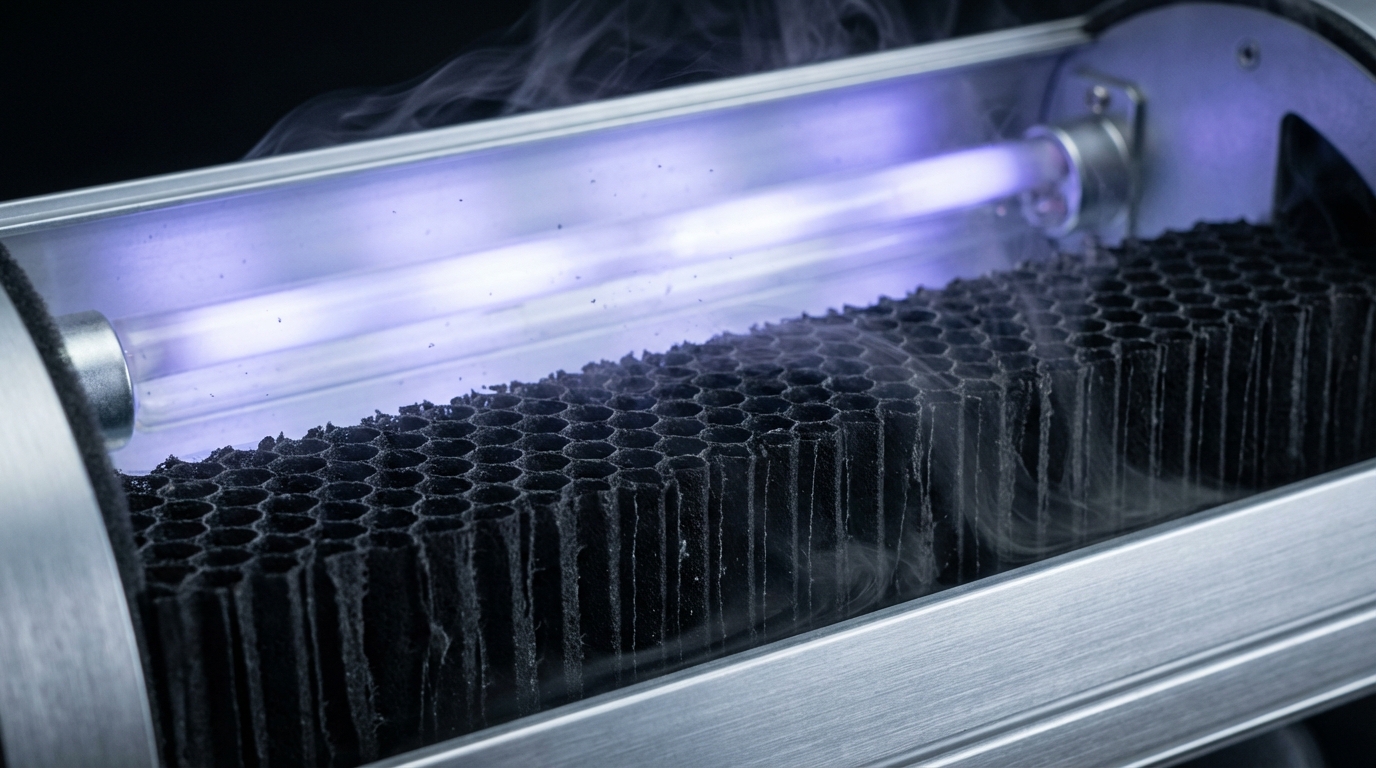
Trapping mold spores in a HEPA filter is only half the battle when you are dealing with a damp basement or a humid crawlspace. You know that unmistakable, heavy scent that hits you the moment you open the door to a neglected room. An activated carbon filter acts like a massive chemical sponge, soaking up the volatile organic compounds that create those foul, musty odors. Instead of just masking the smell with a cheap spray, high quality carbon layers actually pull the scent molecules out of the air for good. This is a critical step for anyone building a home health fortress or preparing an emergency living space where air quality is non negotiable.
The real magic happens when you pair that odor scrubbing carbon with a powerful UV-C light system. While a filter physically stops a spore, the UV-C light targets the very DNA of the mold to make sure it cannot reproduce or survive. Think of it as the ultimate security guard for your lungs, disabling microscopic threats that might otherwise find a way to thrive. You want hardware that does more than just hold onto dust, especially when your family’s health is on the line. Investing in a unit that combines these two technologies ensures your air is not just clean to the nose, but biologically inert and safe to breathe.
The Skeptical Guide To Choosing High Performance Mold Scrubbers
When you are staring down a mold infestation, most designer air purifiers are about as useful as a screen door on a submarine. You need to stop looking at the sleek plastic shells and start interrogating the actual hardware inside, because mold spores are relentless biological hitchhikers. A real-deal scrubber like the options found at httpsco skips the fancy ionizers and UV gimmicks that often produce harmful ozone. Instead, it relies on high grade HEPA filtration to physically trap 99.97 percent of those microscopic spores before they can settle into your lungs or your carpet. It is the difference between a decorative fan and a piece of professional grade emergency hardware designed for home health.
Marketing teams love to throw around the word HEPA like it is a magic spell, but they often hide the fact that spores are only half the battle. Mold produces volatile organic compounds that create that signature old basement stench, and a thin charcoal sheet simply will not neutralize that chemical cocktail. You want a unit that utilizes earth mineral technology or massive beds of activated carbon to actually destroy odors at the molecular level. This ensures you are not just capturing the seeds of the problem, but also scrubbing the toxic gasses out of your breathing zone. It is about building a fortress around your indoor air quality so you can sleep without worrying about what is growing in the dark.
Do not let a flashy app or a smart sensor distract you from the only metric that matters, which is the clean air delivery rate for your specific square footage. A high performance mold scrubber should feel like a piece of industrial equipment because, in a remediation scenario, that is exactly what it is. You are investing in a line of defense that keeps your family safe during a moisture crisis or a deep cleaning project. By choosing heavy duty hardware over hyped up consumer gadgets, you are taking control of your environment with a tool that actually does the heavy lifting. It is time to stop buying air fresheners disguised as purifiers and start using gear that treats air quality like the serious health priority it is.
Strategic Placement For Maximum Mold Spore Capture
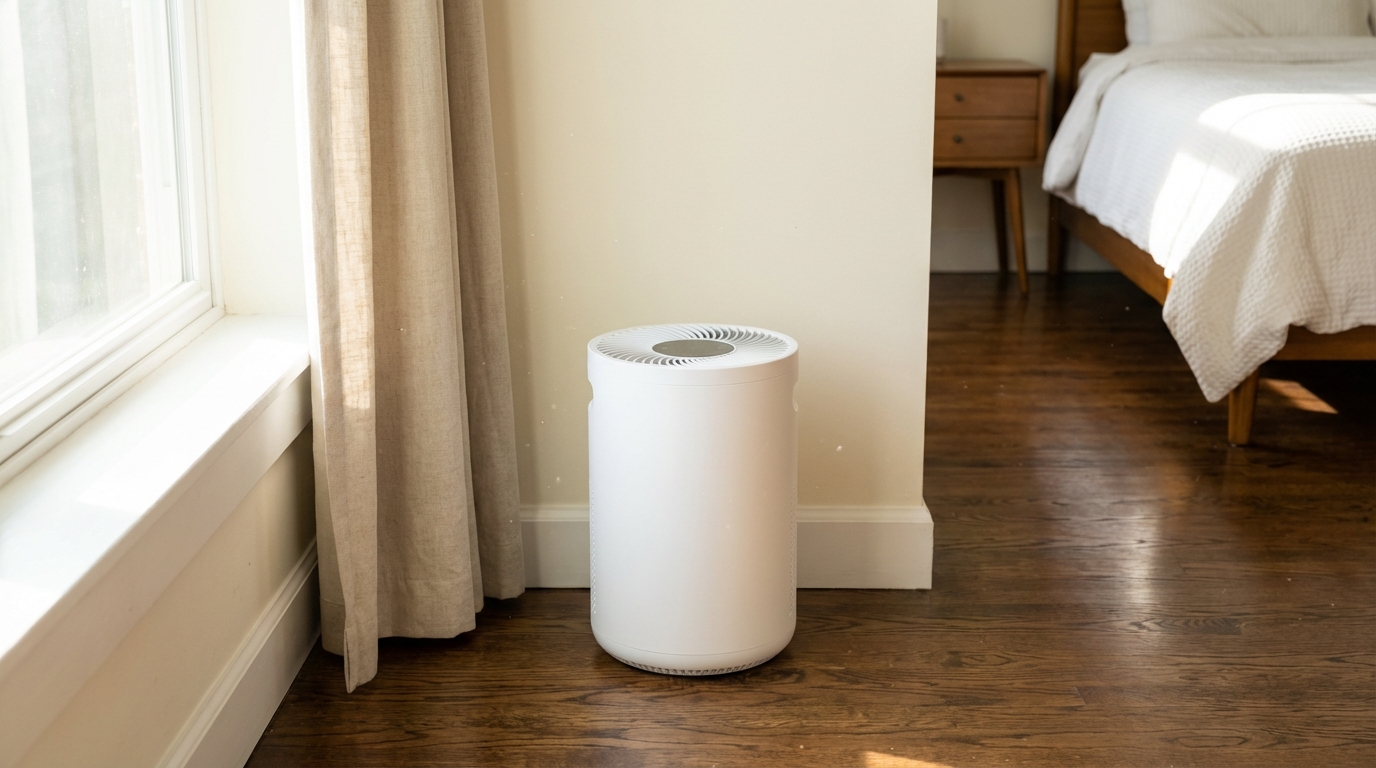
Placing your air purifier in a dark corner behind the sofa is the fastest way to waste your money and leave those mold spores floating right past your nose. To actually win this fight, you need to position the unit in high airflow areas where it can intercept spores before they land on your walls or furniture. Keep the device at least three feet away from walls and curtains to ensure the intake isn’t blocked by fabric or stagnant air pockets. You want the machine to have a clear line of sight to the center of the room so it can create a consistent cycle of clean air. If you are dealing with a specific damp spot or a musty closet, place the purifier directly in the path between that source and the rest of your living space.
You also need to think about elevation because mold spores are heavy enough to settle on surfaces but light enough to drift on floor level drafts. Setting your purifier on a sturdy table or a dedicated stand is often more effective than leaving it on the carpet where it mostly sucks up dust bunnies. This mid level placement allows the HEPA filter to catch airborne particles while they are still suspended at breathing height. Make sure you aren’t tucking it under a desk or inside a bookshelf, as these enclosures trap the air and prevent the unit from scrubbing the entire room. Just as you might evaluate clean water home systems for total environmental safety, think of this as a defensive perimeter for your home health that only works if it has the space to breathe.
If you are serious about emergency preparedness and protecting your family from indoor air threats, strategic placement is your best free upgrade. Most people plug these in and forget them, but moving your device to the bedroom at night or near the kitchen during humid afternoons makes a massive difference. You are looking for that sweet spot where the air naturally moves, ensuring the activated carbon can actually grab those nasty odors before they soak into your carpet. Don’t let the marketing fluff fool you into thinking any spot will do. Real protection requires you to be smart about how air moves through your specific floor plan.
Stop Breathing Spores and Start Living Clean
Choosing an air purifier for mold isn’t about falling for flashy marketing or buying into the latest home health hype. You need a tool that actually works when the air gets thick and that musty smell starts creeping into your living space. A high quality unit equipped with a True HEPA filter is your frontline defense, physically snatching 99.97 percent of those microscopic spores right out of the breeze. When you combine that with an activated carbon layer to kill the odors, you aren’t just cleaning the air, you are reclaiming your home. It is a straightforward solution for anyone serious about emergency preparedness and maintaining a breathable environment.
We have spent enough time digging through sales pages to know that most hardware promises the world but delivers very little. You deserve a device that cuts through the fluff and focuses on the heavy lifting of particle filtration. While these machines won’t fix a leaky pipe or a damp basement, they stop the mold from using your lungs as a landing strip while you handle the root cause. Investing in a solid unit is a non-negotiable move for your family’s long term health and peace of mind. Check out the top rated options at httpsco to find a high quality solution that actually lives up to the grit and demands of a real home.
Frequently Asked Questions
1. Can an air purifier actually kill mold growing on my walls?
No, and anyone telling you otherwise is selling you a fantasy. Air purifiers trap the spores floating in the air so you don’t breathe them in, but they won’t fix a leaky pipe or scrub a physical colony off your drywall. You have to handle the moisture source yourself if you want the mold gone for good.
2. What makes a True HEPA filter different from the cheap ones?
True HEPA is a specific certification that guarantees the filter catches 99.97 percent of particles as small as 0.3 microns. Cheap filters or HEPA-like knockoffs are basically screen doors for microscopic spores, letting the smallest and most dangerous particles sail right through. If it doesn’t say True HEPA on the box, you are just throwing your money away.
3. How do I get rid of that gross, musty smell in my basement?
You need an air purifier with a thick layer of activated carbon to soak up those smells. While HEPA filters catch the physical spores, the carbon layer acts like a sponge for the gases and odors that mold releases. Without carbon, your air might be cleaner, but your house will still smell like a damp locker room.
4. Is it worth spending extra for a medical grade air purifier?
It is absolutely worth it if you want to stop gambling with your lung health. Investing in high quality hardware now prevents a massive headache later when those spores try to take root in your carpets and furniture. Think of it as an insurance policy that actually pays out every time you take a breath.
5. Can I just run the purifier for an hour a day to save power?
Running it for an hour is like trying to empty a swimming pool with a teaspoon while the hose is still running. Mold spores are constantly being released, so you need to keep that machine humming to maintain a clean environment. Modern units are energy efficient, so leave it on and let it do the heavy lifting for you.
6. How often do I really need to change these expensive filters?
Don’t try to stretch the life of a dirty filter or you’ll end up burning out the motor and breathing in grime. Most True HEPA filters need a swap every six to twelve months depending on how much gunk is in your air. Check the indicator light, and when it says change, believe it. Just like knowing why a solar generator for home use is essential for backup power, keeping your air filtration running is vital for safety.