
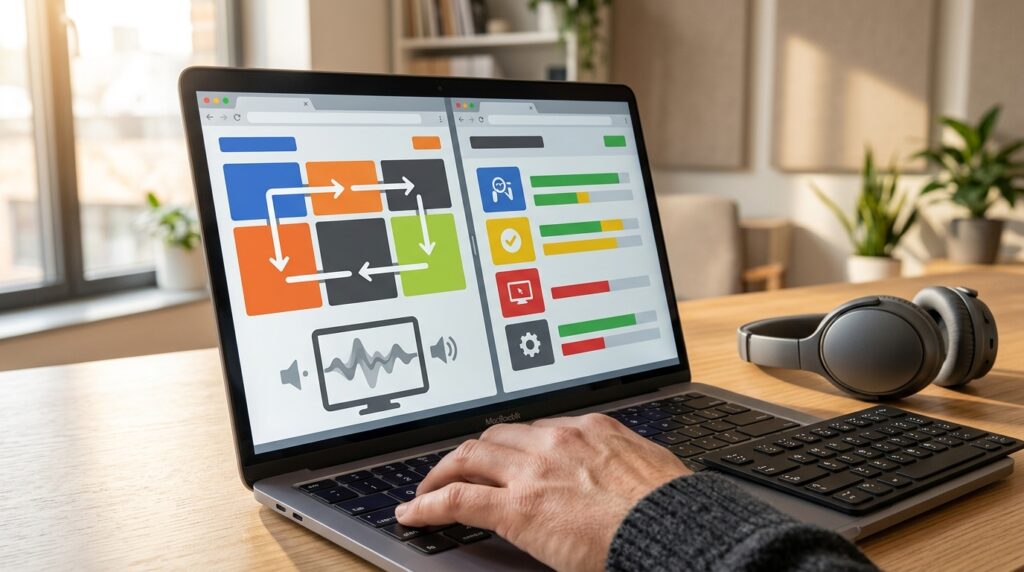
Website accessibility software reviews can save you from wasting money on flashy promises and weak results. Not every tool does the same job. Some scan for problems, some add user controls, and others help your team fix issues over time. You need to know what each product actually delivers before trusting it with your website.
The strongest reviews look past star ratings and sales copy. They check setup, reports, issue priorities, support, pricing, and how much manual work remains. You’ll get a clearer picture of which tools offer real help and which ones simply cover deeper accessibility problems with a polished layer.
Key Takeaways
- Accessibility software serves different purposes: scanners identify issues, overlays add front-end controls, and management platforms help teams track remediation. Compare tools based on what they actually fix and manage rather than treating them as interchangeable solutions.
- No automated tool guarantees full accessibility or legal compliance. Combine software with manual keyboard and screen-reader testing, code and content fixes, and feedback from people with disabilities.
- Evaluate products using practical criteria such as installation, detection accuracy, repair guidance, report clarity, issue prioritization, monitoring, integrations, support, pricing, and refund terms.
- Test a product on your real website before buying. Confirm that it covers important content and workflows—including forms, videos, PDFs, mobile pages, and dynamic features—and that its recommendations are accurate and actionable for your team.
Accessibility Software Shortlist
This shortlist includes only accessibility offers with a current sales page and clearly stated terms. Each review covers the tool’s main purpose, who it is built for, how you install it, what you pay, whether a trial is available, and how the refund process works. Use the direct links below to check the latest details before you buy. Pricing, trial periods, and guarantees can change without warning.
- [Product name] helps [target customer] with [main purpose]. Setup requires [installation method], pricing starts at [price], the trial lasts [trial terms], and the refund policy allows [refund terms].
- [Product name] is designed for [target customer] and focuses on [main purpose]. You install it by [installation method], pay [price], receive [trial terms], and qualify for [refund terms] under the vendor’s current policy.
We may earn a commission if you purchase through an httpsco link, but that does not decide our recommendations. A quick installation is useful, but no automated tool should be treated as a complete accessibility fix or a guarantee against compliance concerns. Look for clear reports, practical issue guidance, responsive support, and honest limits instead of trusting big promises. Before committing, test the product on your own site and read the refund rules word for word.
Accessibility Scanners Versus Overlays

Automated scanners can find common issues such as missing image descriptions, poor color contrast, empty form labels, and heading problems. Monitoring dashboards add value by tracking changes over time, assigning issues, and showing which pages need attention first. However, these tools usually identify problems rather than repair the underlying code. Their reports can also miss context that a person would spot quickly. When comparing website accessibility software reviews, look for clear explanations, practical repair guidance, and reports your team can actually use.
Accessibility widgets and overlay-style tools work differently because they add controls or scripts to your website’s front end. They may help some visitors adjust text size, contrast, spacing, or navigation settings. However, those features do not automatically make broken forms, confusing page structures, or inaccessible custom functions usable. A polished interface can also create false confidence if the original website still contains serious barriers. Treat one-click compliance claims with caution, and check whether the software fixes source-level issues or only adds a temporary layer.
The strongest accessibility program combines automated software with regular human testing. Use a keyboard to check focus order and controls, screen readers to test labels and announcements, and feedback from people with disabilities to uncover barriers that software cannot understand. As you review tools, compare installation effort, issue prioritization, monitoring depth, support, and the amount of manual work still required. The right platform should make accessibility work faster and more organized, not promise to replace it.
Website Accessibility Review Scorecard
Every product in our website accessibility software reviews faces the same scorecard, so flashy sales pages do not get a free pass. We check installation first, including how quickly you can get started and whether setup requires technical help. Then we test issue detection across common problems such as missing labels, poor color contrast, keyboard barriers, and unclear headings. A scan that finds problems but gives you no useful next step is not enough.
Repair guidance matters just as much as detection. We look for clear fixes, useful examples, and honest explanations of what the software can and cannot repair automatically. We also judge reporting quality, issue prioritization, progress tracking, and monitoring after launch. Common weaknesses include incomplete automated fixes, confusing reports, and a steady need for manual work, especially on dynamic pages and custom features.
The final score covers integrations, customer support, cost, and ease of use because a tool must work in your real workflow, not just in a product demo. We also examine compliance promises closely, since no software can guarantee that your website will meet every legal or accessibility requirement on its own. Strong products help you find, understand, and manage issues without hiding the hard parts. That makes this scorecard useful when you are comparing accessibility offers and deciding whether a trial or purchase is worth your budget.
Choosing Your Accessibility Software
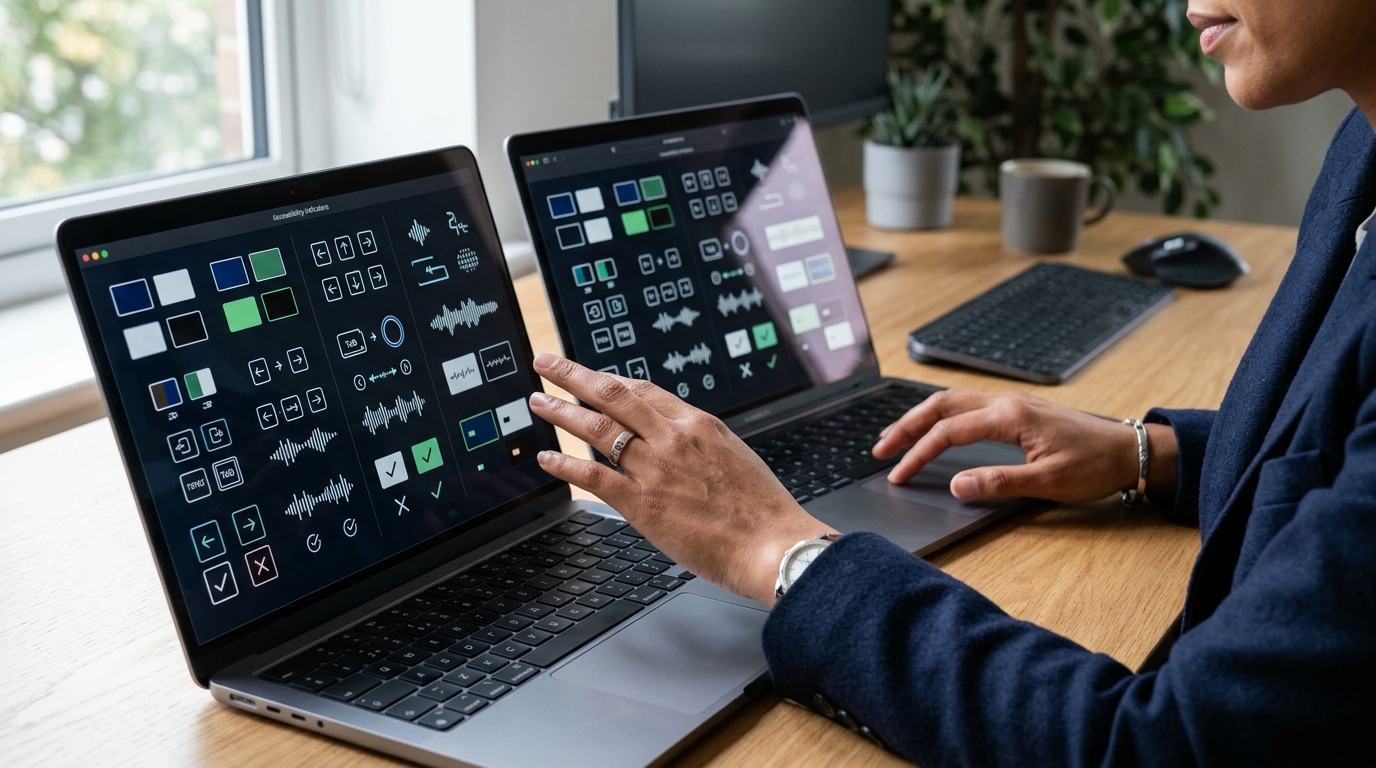
Website accessibility software reviews are useful only when you compare similar tools. A front-end widget, automated scanner, developer testing tool, and managed accessibility service solve different problems, so a five-star rating does not tell the whole story. If you run a small business site, a simple audit with clear fixes may be enough to uncover common barriers without creating a new technical project. Look for easy setup, plain-language reports, and guidance you can act on. Be skeptical of promises that software can fix every issue automatically, because meaningful testing still requires human review.
Your best choice depends on how your site operates day to day. An agency managing several client sites may need centralized dashboards, user permissions, repeatable reports, and separate issue tracking for each project. A larger organization may need continuous monitoring, change alerts, audit history, documentation, and support for teams across marketing, design, and development. Before you compare website accessibility software reviews, check whether each product tests the pages and content you actually publish, including forms, videos, PDFs, and dynamic features. A polished dashboard means little if it misses the parts of your site that create the most risk.
- Site size: Do you need one audit, several site scans, or continuous monitoring?
- Technical skills: Can your team fix code, or do you need step-by-step repair guidance?
- Budget: Does the price include page limits, reports, support, and ongoing checks?
- Testing needs: Does the tool cover automated checks, manual review, mobile pages, documents, and user flows?
- Compliance risk: Will you need evidence, issue history, exportable reports, and a clear record of improvements?
Use a trial or demo to test the workflow, not just the sales presentation. Run a real page through the tool, inspect a few flagged issues, and see whether the recommendations are accurate and easy to understand. Check how quickly the tool detects new problems after a site change, and confirm whether reports are simple enough for people without technical skills to use. Support quality matters too, especially when a warning is unclear or a fix could affect your design. The right product fits your team, catches meaningful problems, and helps you prove what you did next.
How to Spot Worthwhile Accessibility Tools
The strongest accessibility products offer more than a quick front-end overlay. Look for tools that combine scanning, clear issue reports, practical repair guidance, ongoing monitoring, and responsive support. Products built around one-click fixes or bold “full compliance” promises deserve extra skepticism, especially when they provide little detail about manual testing, limitations, or refund terms. A polished dashboard can save time, but it does not prove that every visitor can use your website successfully.
No software can guarantee full legal compliance by itself because accessibility depends on your content, code, documents, updates, and testing process. Treat any tool as one part of a wider plan, then review the detailed scorecard and check the product terms before making a decision. If you are also setting up the business behind your website, explore our LLC Formation Service Comparison for New Entrepreneurs for another practical buying guide. Use the httpsco link only after confirming that the product fits your website, budget, and accessibility process.
Frequently Asked Questions
1. What should you look for in website accessibility software reviews?
Look past star ratings and polished sales copy. A useful review checks setup, scan quality, report clarity, issue priorities, support, pricing, refund terms, and how much work you still need to do by hand.
2. Are accessibility tools all-in-one accessibility solutions?
No. Offers can serve very different purposes, including scanning for problems, adding visitor controls, or helping your team manage fixes. Read the product terms closely so you do not mistake one feature for complete accessibility coverage.
3. Can accessibility software fix every problem on your website automatically?
No automated tool fixes everything, and any product promising a perfect one-click solution deserves serious scrutiny. Software can find or address some common issues, but you may still need manual fixes, content changes, keyboard testing, and checks with real users.
4. How can you tell whether an accessibility product is worth the price?
Compare the product’s actual features with the problems you need to solve. Check installation steps, report quality, ongoing costs, support, trial terms, and refund rules before buying. Then confirm the current details on the direct httpsco product page.
5. Do website accessibility software tools require technical skills to install?
It depends on the product. Some tools use a simple code snippet or plugin, while others may require access to your website settings or help from a developer. A clear review should explain the installation method and identify any technical work hidden behind the sales pitch.
6. What does an accessibility software report need to show?
A useful report should identify the problem, explain why it matters, point to the affected page or element, and give you a practical next step. Vague scores and long lists of errors are not enough because they leave you guessing about what to fix first.
7. Should you trust an accessibility overlay or user-control widget by itself?
No. An overlay or widget may offer helpful controls, but it does not automatically repair underlying code, content, or navigation problems. Treat it as one part of an accessibility plan, not as a guarantee of compliance or protection from complaints.
8. How do trials and refunds work for accessibility products?
Trial periods and refund rules vary by offer, so never assume they are standard. Check the current sales page and vendor terms before you pay, save your receipt, and confirm the deadline and steps required to request a refund.