You’re tired of being tethered to a utility company that hikes your rates while the infrastructure crumbles. The dream of true strongoff grid power/strong isn’t just for mountain hermits or survivalists anymore; it’s becoming a survival strategy for the modern world. With equipment costs finally dropping, you have a real shot at flipping the switch on the big energy monopolies for good.
We’ve waded through the sea of flashy sales pages and “miracle” battery blueprints to find out what actually works. While the industry promises universal energy access and a clean-tech revolution, you just need a system that won’t fail when the sun goes down. It’s time to cut through the marketing fluff and see if you can truly power your life without a monthly ransom note from the electric company.
Key Takeaways
- Match your energy source to your specific environment by using solar as a reliable backbone and adding wind only if you have consistent, high-speed gusts.
- Perform a rigorous energy audit by calculating the wattage of every device and sizing your battery bank to cover at least two to three days of use.
- Invest in high-quality charge controllers and inverters to act as the brain of your system, ensuring your batteries are protected and your power is usable.
- Achieve energy independence incrementally by starting with a small DIY setup or portable generator rather than waiting for a perfect, full-scale system.
Choosing Between Solar Wind And Hybrid Off Grid Setups
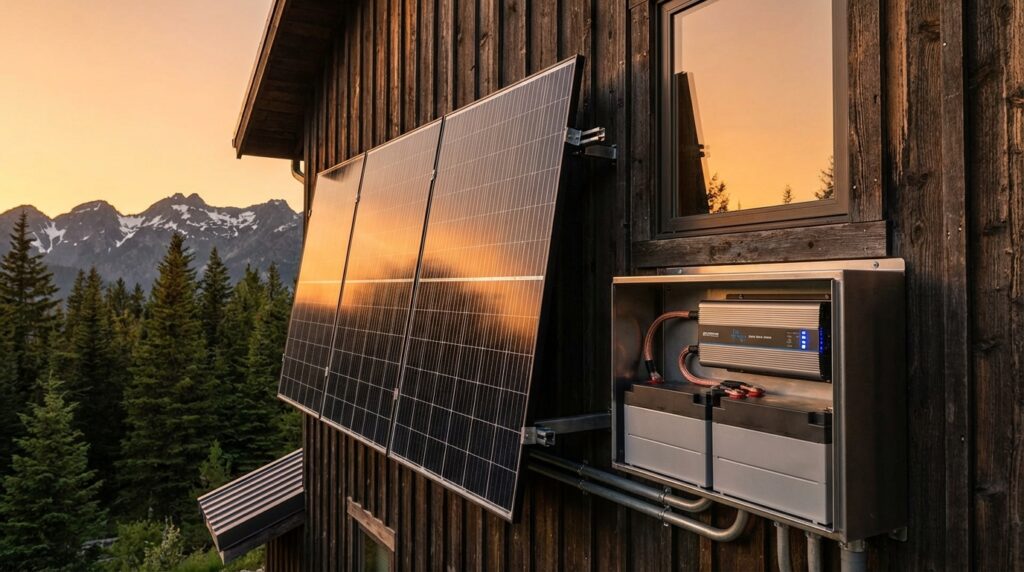
Choosing the right off grid setup starts with a cold, hard look at your local weather patterns rather than just buying what looks cool on a sales page. If you live in a place where the sun beats down all day, solar panels are your best friend because they are reliable, easy to maintain, and have dropped significantly in price lately. You do not need to overcomplicate things with expensive gear if a simple array of panels and a solid battery bank can handle your daily load. It is all about matching your gear to your environment so you are not wasting money on technology that sits idle when the clouds roll in.
Wind turbines might seem like a rugged addition to your homestead, but they only make sense if you have consistent, high speed gusts and the space to mount them safely. Many people get sucked into the idea of spinning blades only to find out their backyard is a dead zone for air movement. If your area is prone to long, dark winters but stays breezy, a small turbine can be a lifesaver for keeping your batteries topped off when solar production hits zero. We are here to cut through the fluff and tell you that wind is a specialized tool, not a universal requirement for independence.
A hybrid system is often the smartest move for anyone serious about total energy independence because it balances the strengths of both sun and wind power. By combining these sources, you create a safety net that ensures your lights stay on even when the weather turns ugly. You can find excellent DIY guides and blueprints through resources like httpsco to help you wire these components together without hiring a fleet of expensive contractors. This approach gives you the ultimate peace of mind because you are no longer relying on a single, moody source of energy to power your life.
Calculating Your Daily Wattage Needs For Total Independence
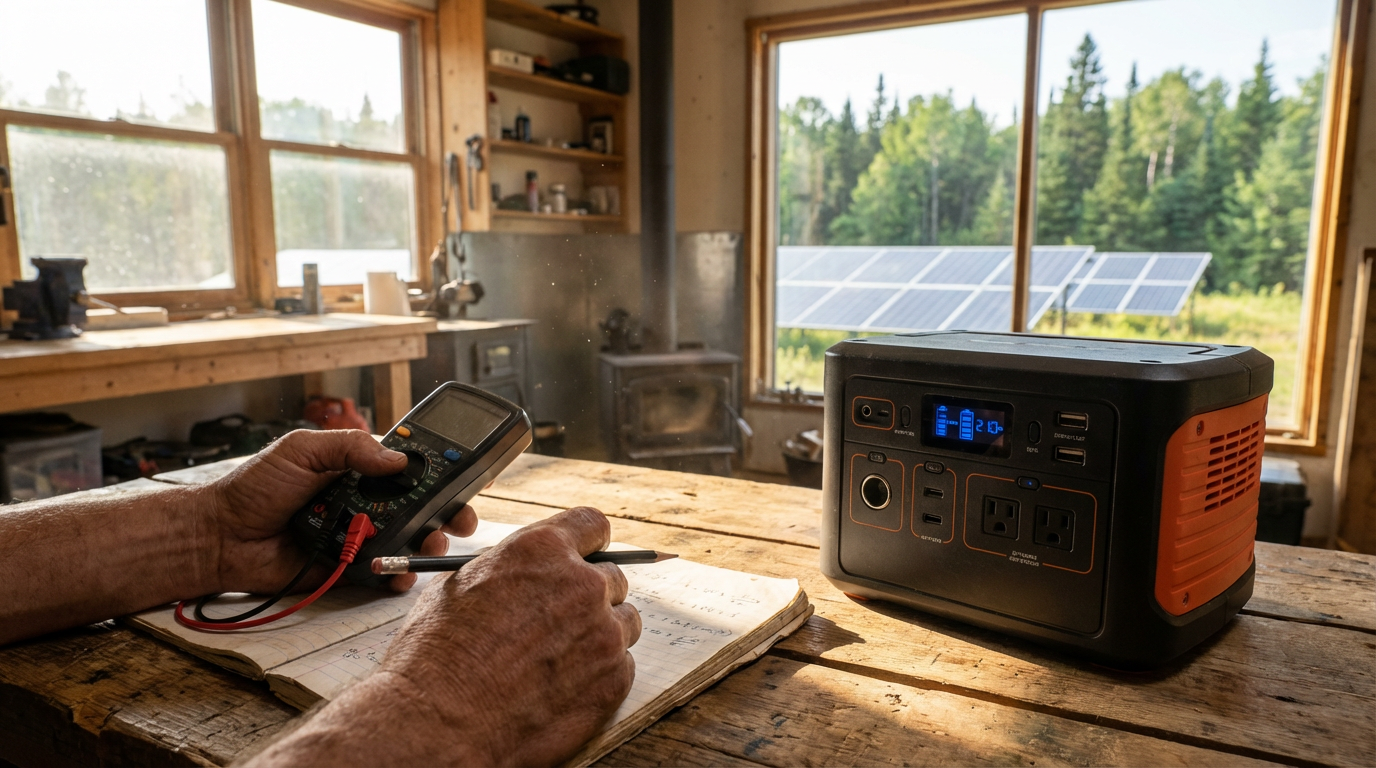
Achieving total energy independence starts with a cold, hard look at your daily habits rather than just guessing which solar generator looks the coolest. You need to grab a notepad and list every single device you plan to run, from that energy-hungry coffee maker to the tiny LED bulb over your sink. To get your daily wattage, find the sticker on the back of each appliance to see its power draw and multiply that by how many hours it stays on. This rigorous energy audit prevents the nightmare of waking up to a dead battery bank because you underestimated your midnight fridge cycles. It is about being the master of your own power grid instead of a victim of poor planning.
Correctly sizing your battery bank is the difference between living comfortably and sitting in the dark with a useless piece of hardware. Once you have your total daily watt-hours, you should aim for a capacity that covers at least two or three days of use to account for cloudy weather or unexpected surges. Most people forget that starting an appliance like a well pump takes a massive burst of energy, so you must account for those peak moments in your final tally. Do not let flashy marketing fool you into buying a system that is too small for your actual lifestyle needs. Taking the time to do the math now ensures your off-grid setup remains a reliable powerhouse for years.
Essential Components For Reliable Off Grid Energy Storage
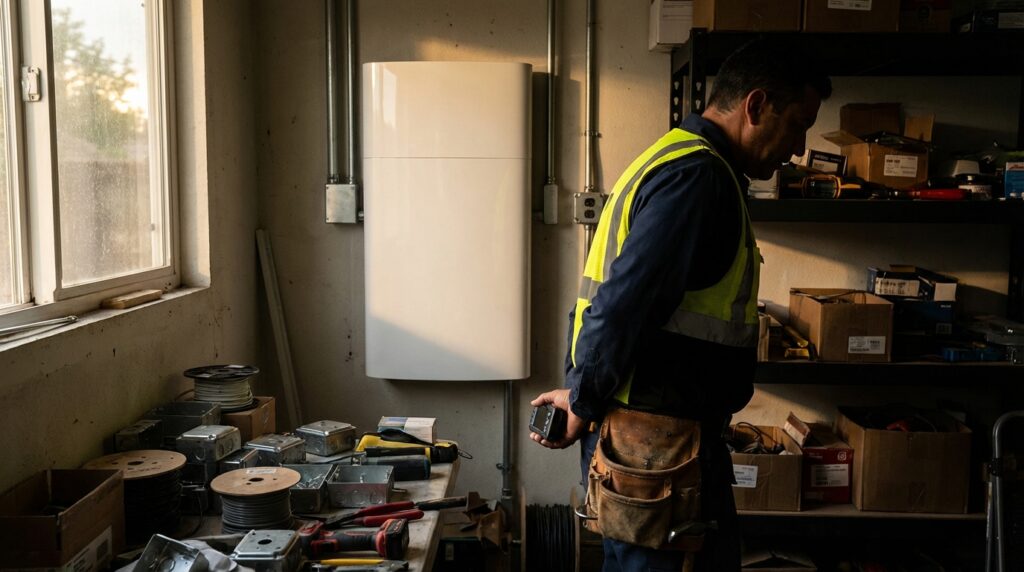
Building a reliable off-grid system means you need to look beyond just the solar panels and focus on the brains of the operation. Your high-quality charge controllers acts as a traffic cop, ensuring your batteries don’t get fried by too much voltage while maximizing every bit of juice from the sun. Next in line is the inverter, which takes that stored energy and turns it into the power your household appliances actually use. Without these two components working in perfect harmony, your expensive battery bank is basically a giant paperweight. You want components that are rugged and efficient because when you are miles from the nearest outlet, reliability is the only thing that matters.
You have likely seen those flashy guides promising you can build a professional power plant for pennies using “secret” blueprints. We have dissected these popular DIY manuals and the truth is a bit of a mixed bag for the average person. While guides like those found on httpsco can offer a solid foundation for understanding wiring and setup, they often overpromise on how easy it is to source parts for free. These resources are great for getting your hands dirty and learning the ropes, but you should always approach the “zero cost” marketing claims with a healthy dose of skepticism. Real energy independence requires a smart investment in quality hardware, not just a downloaded PDF.
Achieving true energy independence is a journey that requires you to balance your actual power needs with a realistic budget. Most people start with a small solar generator and quickly realize they want more capacity to run heavy hitters like refrigerators or power tools. As you scale up, your focus should shift toward high quality copper wiring and safety fuses that protect your entire investment from short circuits. Don’t get distracted by the hype of “infinite energy” hacks that sound too good to be true. Stick to the proven physics of storage and conversion, and you will have a system that keeps the lights on long after the rest of the world goes dark.
Stop Waiting and Start Powering Up
Achieving total energy independence might feel like a massive mountain to climb, but you do not need a million-dollar setup to start cutting the cord. The biggest mistake people make is waiting for the perfect, high-capacity system while they continue to pay rising utility bills every month. You can begin your journey today by integrating a small DIY setup or a small DIY battery bank to power your essential devices. Taking that first step provides immediate security and gives you the hands-on experience needed to scale up later. Focus on making progress right now rather than chasing a flawless end-goal that keeps you stuck on the grid.
The technology behind off-grid power is moving faster than ever, making it easier for the average person to step away from corporate energy giants. With component costs dropping and efficiency rising, a comprehensive home system is no longer just a dream for people living in remote cabins. You have the power to take control of your own infrastructure and stop being a victim of rolling blackouts or price hikes. By starting small and learning the ropes, you are building a foundation of resilience that most of your neighbors simply do not have. This transition is about more than just electricity, it is about the freedom that comes from knowing you can keep the lights on yourself.
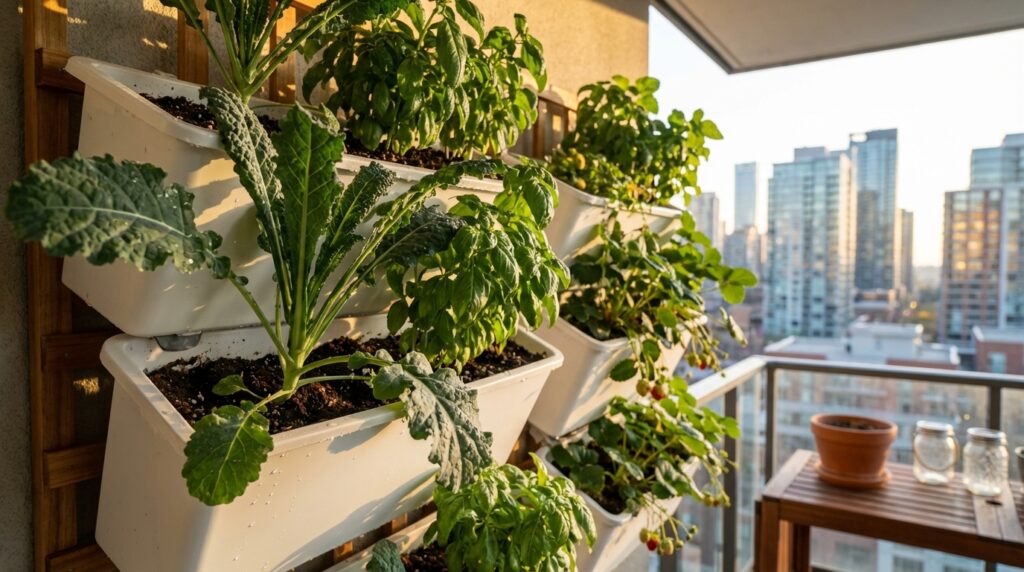
Stop listening to the marketing fluff that says you need to overhaul your entire life overnight to make a difference. True energy independence is built piece by piece through smart choices and a willingness to experiment with new setups. Whether you want to power a backyard shed or eventually take your entire home off the wires, the best time to start was yesterday. Grab a reliable power station, set up a couple of panels, and watch how quickly your perspective on energy changes. You deserve the peace of mind that comes with owning your power source instead of renting it from a utility company forever. If you are looking to further increase your self-sufficiency, you might consider maximizing small spaces to grow your own food alongside your power generation.
Frequently Asked Questions
1. Is off grid power actually affordable now or is it just marketing hype?
The days of solar being a luxury for the rich are over. Equipment costs have plummeted, making it a realistic strategy to fire your utility company and stop paying their monthly ransom. You can now build a reliable system without breaking the bank if you focus on what actually works.
2. Should I choose solar panels or a wind turbine for my home?
Stop looking at what looks cool and look at your weather. Solar is the king of reliability and low maintenance for most people, while wind only makes sense if you have consistent, high speed gusts. Use solar as your backbone and only add wind if your winters are dark and breezy.
3. What happens to my power when the sun goes down?
You need a solid battery bank to act as your energy reservoir. Your panels soak up the sun during the day to keep your lights on and your fridge humming all night long. A well sized battery bank ensures you never even notice when the sun hits the horizon.
4. Can I really run my entire life on an off grid system?
You absolutely can, but you have to be smart about your daily energy load. It is about matching your gear to your specific environment and cutting out the fluff that wastes power. Once you dial in your setup, you can enjoy all the modern comforts without being tethered to a crumbling power grid.
5. How much maintenance do these systems actually require?
Solar panels are incredibly low maintenance because they have no moving parts to break or grease. Wind turbines require a bit more hands on work since they have spinning blades, but a simple solar and battery setup is mostly set it and forget it. Just keep the panels clean and check your connections once in a while.
6. Is it difficult to set up an off grid system by myself?
It is easier than the big energy monopolies want you to believe. With the right guide and a bit of grit, you can bypass the expensive contractors and wire things up yourself. We cut through the technical jargon so you can get your system running without needing a degree in electrical engineering.