When the power cuts out and your phone is a dead slab of glass, you do not need a fancy paperweight; you need a lifeline that actually works. Most marketing fluff tries to sell you survival hubs with bells and whistles you will never use. This emergency radio price guide cuts through the noise. Whether you have ten dollars or a hundred to spend, you deserve to know exactly what that cash buys.
We have seen it all, from cheap plastic toys that break on the first crank to overpriced digital units that are too complicated for a crisis. Modern standards have shifted, with massive 12,000mAh batteries and specific alert tech becoming the new baseline. You are not here for a sales pitch; you are here to find a reliable tool that keeps your family safe without getting ripped off. We are tearing down the price brackets to show where the real value hides and where the marketing hype falls flat.
Key Takeaways
- The $30 to $60 price range represents the ideal ‘sweet spot’ for most users, offering a balance of 7,000mAh battery capacity, dedicated NOAA weather alerts, and reliable hand-crank backups.
- Professional-grade units priced over $100 are essential for those requiring S.A.M.E. technology, which provides localized, neighborhood-specific alerts and massive 12,000mAh power banks for charging multiple devices.
- Budget radios under $25 are suitable only as secondary backups because they lack internal power generation and rely entirely on external batteries that can leak or run dry during a crisis.
- Prioritize hardware with an IPX7 waterproof rating and high-capacity internal components to avoid the hidden costs of replacing low-quality units that fail in wet conditions or after long-term storage.
Essential Features For Budget Emergency Radios
When you are hunting for a bargain in the $10 to $25 range, you need to understand exactly what you are buying before betting your life on it. At this price point, you are looking at ultra-portable AM/FM units that usually rely on standard AA or AAA batteries rather than internal power banks. These radios are incredibly lightweight and slip into a pocket or a glove box without taking up space. While they lack the features of high-end gear, they provide a reliable way to catch local news broadcasts when the internet goes dark. Treat these as secondary backup options rather than your primary survival tool.
The reality of these budget models is that they are built for simplicity, not for long-term endurance in a major disaster. You will not find advanced features like hand cranks, solar panels, or weather alert notifications that wake you up in the middle of the night. Most of these units use analog tuning dials, which can be finicky when you are trying to lock onto a weak signal during a storm. They are perfect for stashing in a secondary bug-out bag or a desk drawer at work for a quick information fix. Just remember that once your loose batteries run dry, these little radios become nothing more than plastic paperweights.
If you grab one of these entry-level units, make sure you pair it with a high-quality set of lithium batteries to prevent leakage during storage. These radios are effective for ensuring you are never completely cut off from the outside world. We appreciate them for their price tag, but we also know their limits in a real-world crisis. They offer a great entry point for someone just starting their preparedness journey without breaking the bank. Keep your expectations realistic and use the money you saved to invest in more robust primary communication gear later.
Mid Range Best Sellers And Power Performance
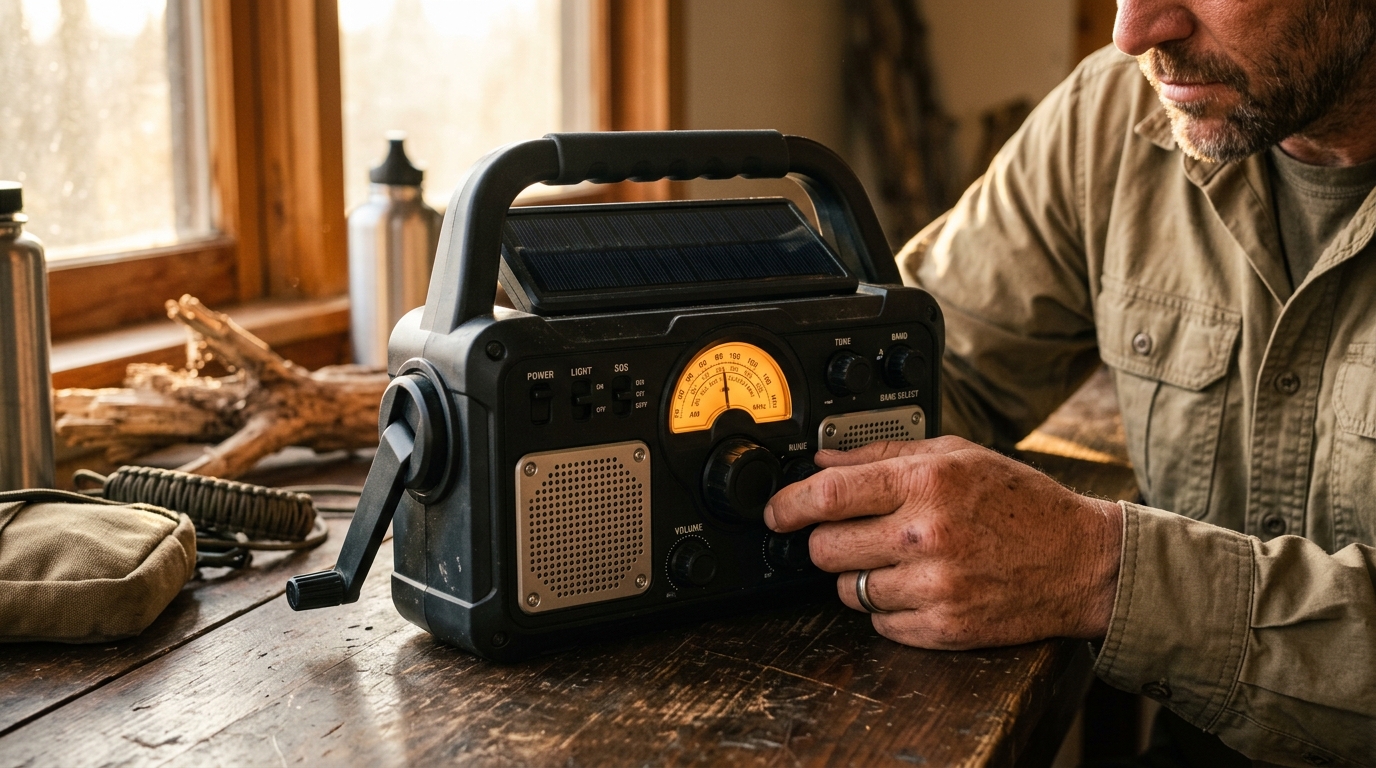
The $30 to $60 price range is the absolute sweet spot where you stop buying toys and start investing in real survival insurance. At this price point, you are moving away from flimsy plastic shells and into gear that packs a massive 7,000mAh battery punch. You need a device that does more than just play the radio, and these mid-range units act as genuine power hubs for your phone when the grid decides to quit. We have seen plenty of overhyped gadgets, but this specific bracket delivers the best value without forcing you to pay for professional features you will likely never use.
Prioritize models that feature dedicated NOAA weather alerts that actually wake you up during a midnight storm. These units often include reinforced hand cranks and solar panels that provide a reliable backup when your wall outlet is nothing more than a decoration. We look for hardware that balances weight with durability, ensuring you get a bright SOS beacon and a flashlight that can actually cut through a blackout. Do not get distracted by flashy marketing because a solid $45 radio often outperforms units twice the price in real-world stress tests.
Choosing a radio in this category means you are getting the essential multi-functional design that every prepper budget requires. You can find units with impressive internal storage for power, often allowing you to charge a smartphone multiple times before needing a sun soak or a crank session. It is about finding that perfect intersection of reliability and affordability where the internal components are built to last through years of storage. We are tired of seeing people overspend on professional digital tech when these mid-range workhorses provide everything necessary to keep your family informed and connected during a crisis.
Professional Grade Units With Same Technology
When you step into the world of professional-grade units, you are paying for more than just a radio because you are investing in a localized command center. The big draw here is S.A.M.E. technology (Specific Area Message Encoding), which is a total shift for your peace of mind. Instead of listening to constant weather alerts for three counties away, these units let you program your exact location so the siren only screams when the danger is headed straight for your front door. This level of precision means you can actually sleep through a storm knowing the device will only wake you if your specific neighborhood is in the crosshairs. It is the difference between a generic alarm and a personal bodyguard that knows exactly where you live.
Beyond the smart alerts, these premium hubs pack massive 12,000mAh internal power banks that put the cheap plastic models to shame. While the budget options might give your phone a tiny five percent boost, these professional units have the guts to fully charge multiple devices while still running the flashlight and radio for days. You are essentially buying a high-capacity portable power station that just happens to have a world-class receiver built into the frame. We have seen plenty of gear that overpromises and underdelivers, but these heavy hitters are built for the person who refuses to rely on a flimsy toy when the grid goes dark. You are paying for the peace of mind that comes with knowing your communication and power needs are handled by a single, rugged machine.
The price tag north of $100 might make some people flinch, but you have to look at what you are actually getting for that extra cash. These units are designed to be the heartbeat of your emergency kit, combining specialized digital tech with enough battery storage to keep your family connected during a prolonged blackout. When the wind is howling and the towers are down, you do not want to be fumbling with a radio that drains its batteries in two hours or gives you false alarms every thirty minutes. Investing in this tier of equipment means you are cutting through the marketing fluff and getting a tool that performs when it matters most. It is a one-time purchase for a piece of gear that acts as your primary insurance policy against the unknown.
Hidden Costs Of Survival Communication Gear
When you are budgeting for a survival radio, the price tag on the box is rarely the final number you will actually spend. Many of those high-capacity 12,000mAh internal batteries are great until they stop holding a charge after a year of sitting in a drawer. You need to factor in the real cost of high-quality replacement rechargeable cells or a secondary set of lithium backups to ensure your gear actually turns on when the grid goes dark. Cheaping out on the initial purchase often leads to a cycle of buying the same thirty-dollar radio every two years because the internal components simply give up. True ownership means looking past the checkout screen and preparing for the long-term maintenance of your communication hub.
Water is the absolute silent killer of electronic survival gear, and ignoring an IPX7 rating is a recipe for a wasted investment. You might save twenty dollars by grabbing a non-rated model, but that savings vanishes the moment a heavy rainstorm or a leaky backpack fries your circuits. An IPX7 rating means your radio can survive being submerged, which is the kind of insurance you cannot afford to skip when your life depends on getting weather alerts. We have seen too many preppers lose their entire communication setup because they prioritized a low entry price over rugged waterproofing. It is much smarter to pay a bit more upfront for a sealed unit than to buy a second one after the first puddle claims your budget model.
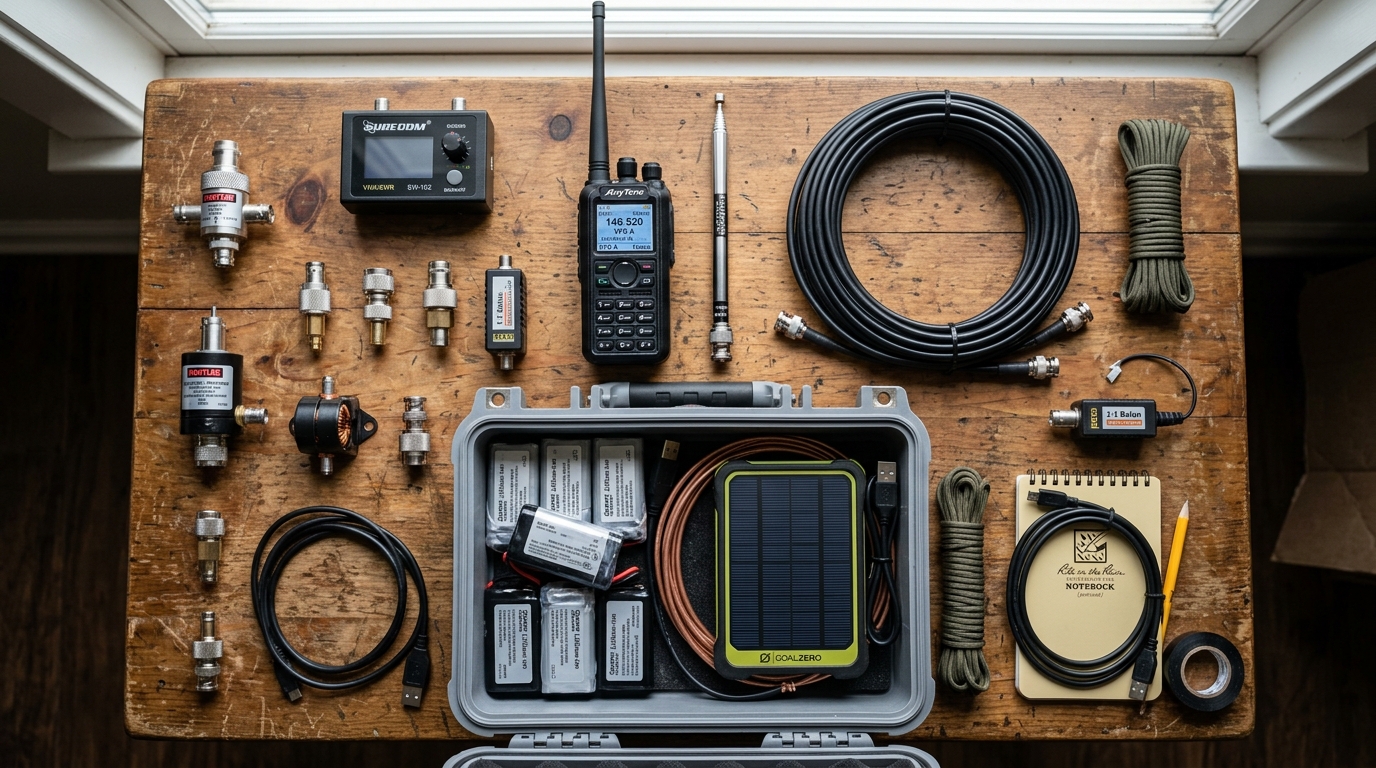
Beyond the battery and the casing, you have to consider the peripheral costs that keep your gear functional in a real-world crisis. High-end digital units with S.A.M.E. technology are fantastic, but they are only useful if you have the right antennas and protective carrying cases to keep them from breaking in the field. You should also keep a small fund set aside for external solar panels if the tiny built-in strips on your radio do not charge fast enough for your needs. Cutting through the marketing fluff reveals that a one-hundred-dollar premium setup often requires another twenty dollars in accessories to be truly reliable. Stop looking at these devices as one-time purchases and start viewing them as systems that require a smart, upfront investment to avoid total failure.
Finding the Sweet Spot for Your Budget
Investing in your survival communication gear does not have to drain your savings if you understand where your money is actually going. You can grab a basic analog unit for as little as ten dollars to handle the bare essentials, but remember that you get exactly what you pay for in a crisis. Mid-range models between thirty and sixty dollars are the current sweet spot for most preppers because they balance price with critical features like solar charging and high-capacity power banks. These tools act as survival hubs that keep your phone alive and the weather alerts flowing without requiring a massive upfront investment.
Stepping into the professional tier means you are paying for precision and advanced technology like specific area message encoding. These premium units often cross the hundred-dollar mark, but they offer the peace of mind that comes with digital accuracy and massive 12,000mAh batteries. You have to decide if you want a simple backup for your glove box or a heavy-duty command center that can withstand weeks of power outages. Avoid the marketing fluff that tries to sell you flashy lights and focus on the internal battery life and signal reliability instead.
Ultimately, the best radio is the one you can actually afford to have staged and ready before the sirens start blaring. We have seen too many people wait for a sale on a high-end unit only to be caught empty-handed when a real emergency hits their neighborhood. Be honest about your budget and pick a tier that fits your current financial reality while still meeting your basic safety needs. Whether you choose a budget portable or a professional digital station, having any reliable link to the outside world is infinitely better than being left in total silence.
Frequently Asked Questions
1. Can I really trust a ten dollar radio in a real emergency?
You can trust a budget radio to give you local news, but do not make it your only lifeline. These cheap units lack hand cranks and solar charging, so they are best used as a pocket-sized backup for your glove box.
2. Is it worth paying more for a radio with a hand crank?
Yes, because a hand crank ensures you never have a dead battery when the grid goes down. While budget models save you cash upfront, the mid-range units with manual power give you peace of mind that no amount of AA batteries can match.
3. What makes a radio worth a hundred dollars in 2026?
High-end price tags should buy you massive 12,000mAh batteries and specialized alert technology that wakes you up during a storm. If a pricey radio does not have those specific features, you are likely just paying for marketing fluff and useless plastic bells.
4. Do I actually need those solar panels on the top of the device?
Solar panels are a great secondary charging source, but they should never be your primary plan. They are perfect for topping off a battery while you are outside, just do not expect them to fully charge a dead unit in an hour. If you are planning for long-term self-sufficiency, checking a solar oven price range can help you round out your off-grid energy needs.
5. What is the most important feature to look for regardless of price?
You need to prioritize specific weather alert technology that can broadcast emergency signals even when you are asleep. Without those alerts, your radio is just a music box that leaves you in the dark when a real crisis hits.
6. How do I avoid getting ripped off by survival hub marketing?
Ignore the flashy survival hub labels and look at the actual battery capacity and build quality. We have seen too many overpriced toys that break on the first crank, so stick to units that prioritize durable internals over best survival food brands that actually work.
If you are looking for more ways to secure your home, consider comparing a solar generator vs gas for emergency home power to ensure your larger appliances stay running alongside your communication gear. Just as you budget for electronics, you should research how much a survival medical kit costs to ensure your first aid supplies are as ready as your radio. For those tracking environmental threats, our Geiger counter price guide reveals the honest costs for preppers looking to monitor radiation levels.