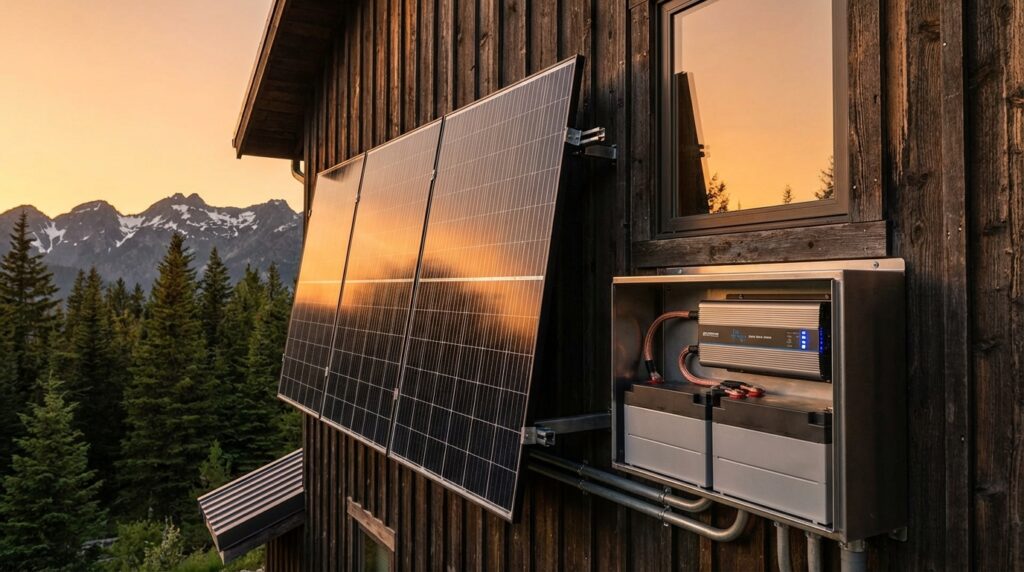
You’ve probably seen the flashy ads promising that going solar will instantly wipe out your energy bills for pennies. But when you finally look at the actual solar battery backup price, that dream crashes hard into a massive $10,000 to $30,000 reality check. The truth is, while giant corporate energy projects score dirt-cheap equipment right now, everyday homeowners still pay a hefty premium. Sales reps love to hide these steep costs behind confusing math and long-term financing tricks.
If you just want to keep your fridge running and your Wi-Fi connected during a blackout, you’re looking at dropping anywhere from $11,000 to $21,000. Want to run your air conditioning and back up your entire house instead? Prepare to hand over upwards of $30,000 just for the hardware and installation. It’s a serious financial commitment, and you deserve the brutal, unfiltered truth about where your money actually goes.
Key Takeaways
- Expect to pay between $11,000 to $21,000 for a basic essential-circuit solar battery backup, and over $30,000 to power an entire home with heavy appliances.
- Traditional installers often double system prices with massive labor markups and hidden fees, making direct-to-consumer DIY installations a significantly cheaper alternative.
- Protect your budget by calculating your exact daily energy consumption to size your system strictly for real survival or comfort needs.
- Always choose Lithium Iron Phosphate batteries for your setup because they outlast other chemistries on the market and provide the highest level of fire safety.
Hardware Costs Versus Installation Labor Markups
Look closely at what you actually pay for when you get a quote for a home energy system. A standard 11.4 kWh battery unit only runs about $9,000 directly from the manufacturer. However, local installers will gladly hand you an estimate ranging from $11,000 to over $21,000 for that exact same setup. They want you to believe this massive price jump is just the standard cost of doing business. The reality is you’re footing the bill for a bloated middleman instead of just paying for the actual power storage.
All that extra cash vanishes into a black hole of inflated labor charges and mysterious permitting fees. Installers often bury these massive markups deep inside confusing contracts so you never see exactly where your money goes. They wrap their services in technical jargon to make the installation process look like rocket science. In truth, bolting a unit to your wall and connecting a few cables doesn’t justify doubling the total solar battery backup price. You’re basically paying a premium just to have someone else fill out local paperwork and pull a few permits.
This blatant price gouging is exactly why capable homeowners are completely ditching traditional installation companies. Smart DIYers now buy their own premium hardware direct and handle the physical setup themselves. By cutting out the local contractor, you easily keep thousands of dollars sitting safely in your own bank account. You get the exact same reliable off-grid power without paying the ridiculous luxury tax the solar industry tries to force on you. Taking control of your own energy project proves you don’t need to be ripped off to achieve true grid independence.
Sizing Your System From Essentials To Off-Grid
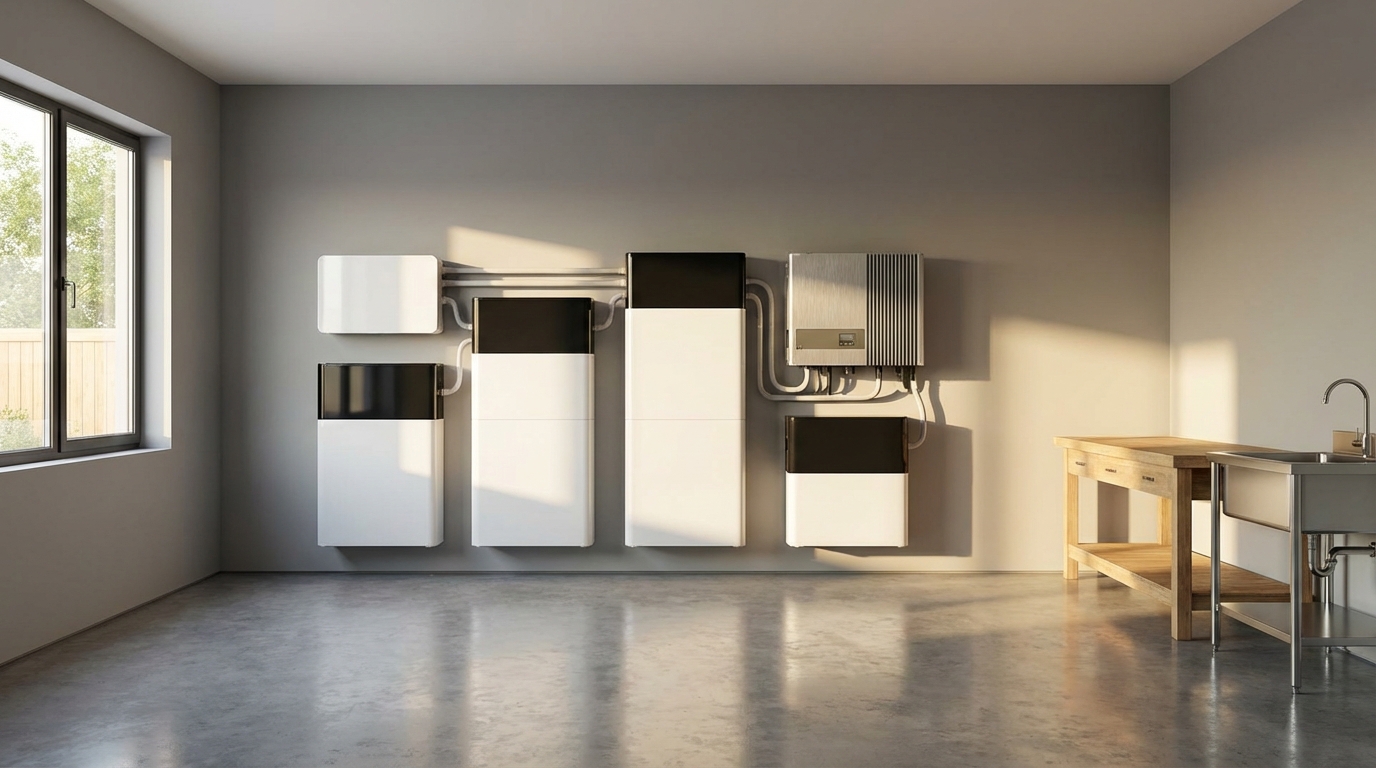
When you start shopping for a solar battery backup price, you’ll quickly notice sales pages love to hide the actual numbers behind endless fluff. Here is what you will actually pay for a basic 10 to 15 kWh setup. Expect to drop anywhere from $11,000 to $21,000 to keep essential circuits like your fridge, Wi-Fi, and basic lights running during a blackout. This capacity is perfect if you just want peace of mind without draining your entire bank account on unused power. Anything more than this for a standard suburban home is usually overkill, no matter what a flashy brochure tries to tell you.
Taking your entire property completely off the grid requires a massive leap in both ambition and budget. If you want to run heavy appliances like central air conditioning and water heaters around the clock, you need a 30-plus kWh system. These massive setups easily set you back well over $30,000 before you even factor in unexpected installation quirks. That’s a massive chunk of change to drop on hardware, which is exactly why calculating your true daily energy consumption is absolutely critical. You need to interrogate your utility bill and map out your actual appliance usage so you never overpay for capacity you’ll never touch.
Figuring out your exact power needs is the ultimate defense against bloated marketing promises. As a smart homeowner, your goal is to match your battery size strictly to your real survival or comfort needs. There is no secret hack to getting cheap lithium batteries, but you can absolutely avoid getting ripped off by sizing your system correctly from day one. Grab a calculator, tally up your essential watts, and build a backup plan that actually makes financial sense.
Why Lithium Iron Phosphate Dominates The Market
When you look at the true solar battery backup price, you quickly realize a residential installation easily costs anywhere from $10,000 to well over $30,000. Shady salesmen love to hide these bloated costs while pushing outdated battery junk that fails in just a few years. They want you locked into expensive contracts for standard lithium or heavy lead-acid systems that simply don’t last. Protect your wallet and demand Lithium Iron Phosphate because it’s the undisputed king of battery chemistry. This specific technology outlasts everything else on the market and refuses to catch fire, making it the absolute safest choice for your home.
Building your own Lithium Iron Phosphate system is the ultimate way to bypass those massive retail markups entirely. The retail solar industry hates it when homeowners realize they can source these exact same premium cells for a fraction of the quoted price. By taking the DIY route, you get a commercial-grade power bank without paying a middleman thousands of dollars just to connect a few cables. You get total peace of mind knowing your family will have power during the next grid failure, and you keep a massive chunk of money in your pocket. The secret is simply knowing how to wire these components together safely without making dangerous rookie mistakes.
If you want a proven blueprint to build this setup without any guesswork, you need to grab the top Clickbank DIY solar guide using the httpsco direct link. We dissect a lot of digital guides, and most of them are filled with useless fluff, but this specific system actually delivers the goods. It gives you straightforward wiring diagrams and clear instructions that strip away all the confusing technical jargon. You’ll learn exactly where to buy the best battery cells cheap and how to assemble them like a seasoned pro. Grab the guide through the httpsco link to dodge the sales traps and build a reliable system that actually works.
The Brutal Truth About Solar Battery Backup Prices
Here is the bottom line on your solar battery backup price. Dropping anywhere from $10,000 to over $30,000 on a home energy storage system is a massive financial commitment that demands real scrutiny. If you only want to keep your lights on during a brief summer storm, a simple gas generator will save you thousands of dollars. However, if your goal is true energy independence and you want to run a full off-grid setup without constant noise and fuel costs, investing in that 30 kilowatt-hour system is absolutely worth your hard-earned cash. You just need to walk into this purchase with your eyes wide open so shady installers don’t take advantage of your off-grid dreams.
Budgeting for your ultimate power setup means matching your actual daily usage to the right battery capacity instead of just buying the biggest box available. For basic survival needs like your refrigerator and internet router, expect to spend between $11,000 and $21,000 for a modest 10 to 15 kilowatt-hour setup. If you want to power your entire home and run heavy appliances like air conditioning, you need to budget closer to $33,000 for a high-capacity system. Don’t let aggressive salespeople push you into a massive home battery if you don’t actually need that much juice. Always demand itemized quotes for the hardware and installation labor so you know exactly where every single dollar goes.
Taking control of your own power supply is incredibly rewarding when you do the math correctly and refuse to overpay. You have all the facts now to look an installer in the eye and negotiate a fair solar battery backup price without falling for their limited-time offers or fake industry secrets. Build your budget around exactly what your household needs to survive a blackout, secure your equipment at a fair market rate, and enjoy the peace of mind that comes with real grid independence. Your off-grid sanctuary is entirely within reach once you strip away the sales pitch and focus entirely on the raw numbers.
Frequently Asked Questions
1. What is the real cost of a solar battery backup system?
You’re looking at a massive reality check when pricing these systems out. If you just want to keep your fridge and Wi-Fi running during a blackout, expect to pay between $11,000 and $21,000. If you want to run your AC and back up your entire home, prepare to drop over $30,000.
2. Why are these quotes so much higher than the actual battery price?
Sales reps love to hide steep costs behind confusing math and long contracts. While the actual battery unit only costs about $9,000 from the manufacturer, installers slap on massive markups. You end up footing the bill for a bloated middleman instead of just paying for power storage.
3. Are installers overcharging me for labor?
Yes, local installers often bury massive labor markups deep inside confusing contracts. They wrap their setup process in technical jargon to make it look like rocket science. You deserve the unfiltered truth about where your hard-earned cash actually goes.
4. Can I buy the battery directly from the manufacturer to save money?
You can certainly find the raw hardware directly from manufacturers for around $9,000. However, you still need a qualified professional to handle the electrical work and local permits. Just be sure to negotiate hard so you don’t get crushed by those mysterious installation fees.
5. Will a basic battery setup run my air conditioning during an outage?
A basic setup won’t have enough juice to keep your air conditioning blasting. Those cheaper $11,000 systems are only meant to keep your fridge cold and your internet connected. To run heavy appliances like an AC unit, you need a massive whole-house system that costs upwards of $30,000.
6. How do solar sales reps trick homeowners into paying more?
Sales reps are experts at hiding steep prices behind confusing math and long-term financing tricks. They use complicated technical terms to make the installation seem way harder than it really is. Always demand a clear breakdown of hardware costs versus labor fees before you sign anything.
7. Are those flashy ads promising cheap solar actually true?
We’ve seen every flashy ad promising to wipe out your energy bills for pennies, and they are mostly smoke and mirrors. While giant corporations score dirt-cheap equipment, everyday homeowners still pay a hefty premium. Don’t fall for the hype without doing your own math first.