
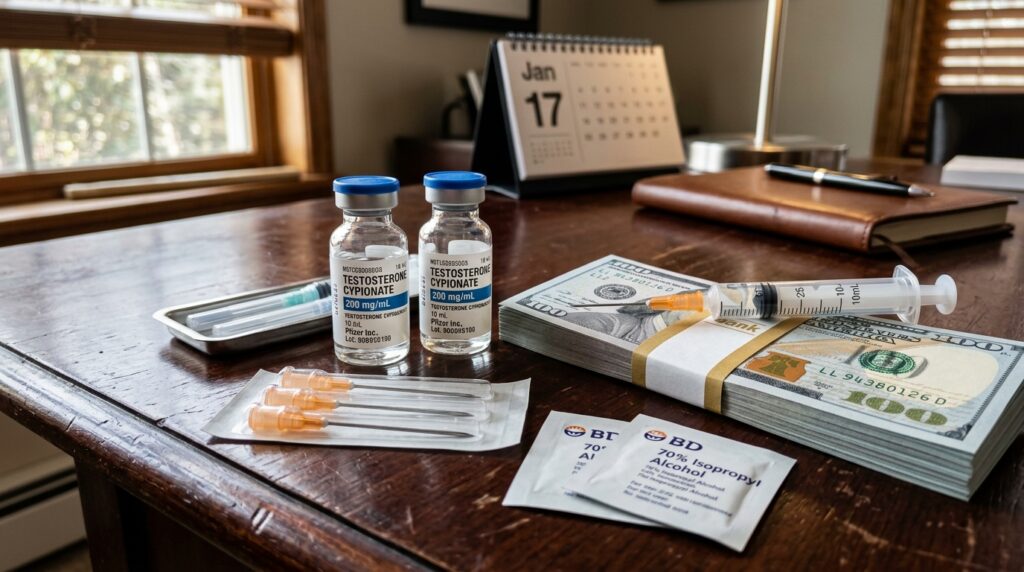
You’re tired of feeling like a shell of your former self, but you’re also tired of the marketing smoke and mirrors surrounding testosterone replacement therapy cost. One site promises a quick fix for pennies, while another tries to lock you into a monthly subscription that costs more than your car payment. As of 2026, the truth is that your wallet’s fate depends almost entirely on how you choose to get that testosterone into your system.
Whether you’re looking at basic injections for $30 a month or high-end gels that climb toward $600, you deserve the straight talk without the corporate fluff. You aren’t just buying a vial of hormones; you’re navigating a maze of lab fees, provider markups, and insurance hurdles that can make or break your budget. We’re stripping away the sales pitches to show you exactly where your money goes so you can stop guessing and start recovering.
Key Takeaways
- Administration method is the primary driver of cost, with generic injections offering the most affordable path at $30–$150 per month compared to premium gels that can reach $600.
- Telehealth subscriptions provide a low-friction, budget-friendly option for approximately $99 per month, while local specialty clinics charge $200–$500 for hands-on monitoring and personalized accountability.
- A sustainable budget must account for essential hidden expenses, including regular blood work and expert consultations, to ensure long-term health and safety.
- Total monthly investments for a comprehensive and safe protocol typically range from $100 to $500, regardless of the marketing claims for ‘pennies-a-day’ fixes.
Comparing Monthly Costs By Administration Method
When you are ready to stop researching and start your protocol, the biggest variable in your monthly budget will be how you choose to take your medication. Generic injections remain the heavyweight champion of affordability, often costing as little as 30 to 150 dollars per month. While self-injecting requires a bit of grit, it is the most direct way to get results without draining your bank account. This method is perfect if you want a proven system that has worked for decades without the high price tag of fancy packaging. You get exactly what you need for your hormonal health without paying for a brand name marketing team.
Topical gels and creams offer a needle-free path to vitality, but that convenience comes with a much steeper price point. You can expect to pay anywhere from 200 to 600 dollars per month for these high-end gels and premium options, especially if you opt for brand name versions. While they are easy to apply during your morning routine, the cost can add up quickly over a full year of treatment. Many guys find the trade-off worth it to avoid the hassle of needles, but you have to decide if the extra few hundred dollars fits your long-term financial plan. It is a classic case of paying extra for a smoother user experience.
The newest players on the scene are FDA-approved oral options, which bridge the gap between convenience and modern science. These oral capsules typically land in the 200 to 400 dollar range, offering a middle ground for men who want to avoid both needles and messy gels. Unlike the liver-taxing orals of the past, these new formulas are designed for long-term safety and consistent absorption. When you factor in the drug prices and trends for testosterone and the cost of regular labs and provider monitoring, your total investment in your health is a clear commitment to your future self. Choosing the right method is about finding the sweet spot where your budget meets your lifestyle goals.
Telehealth Subscriptions Versus Local Clinic Fees
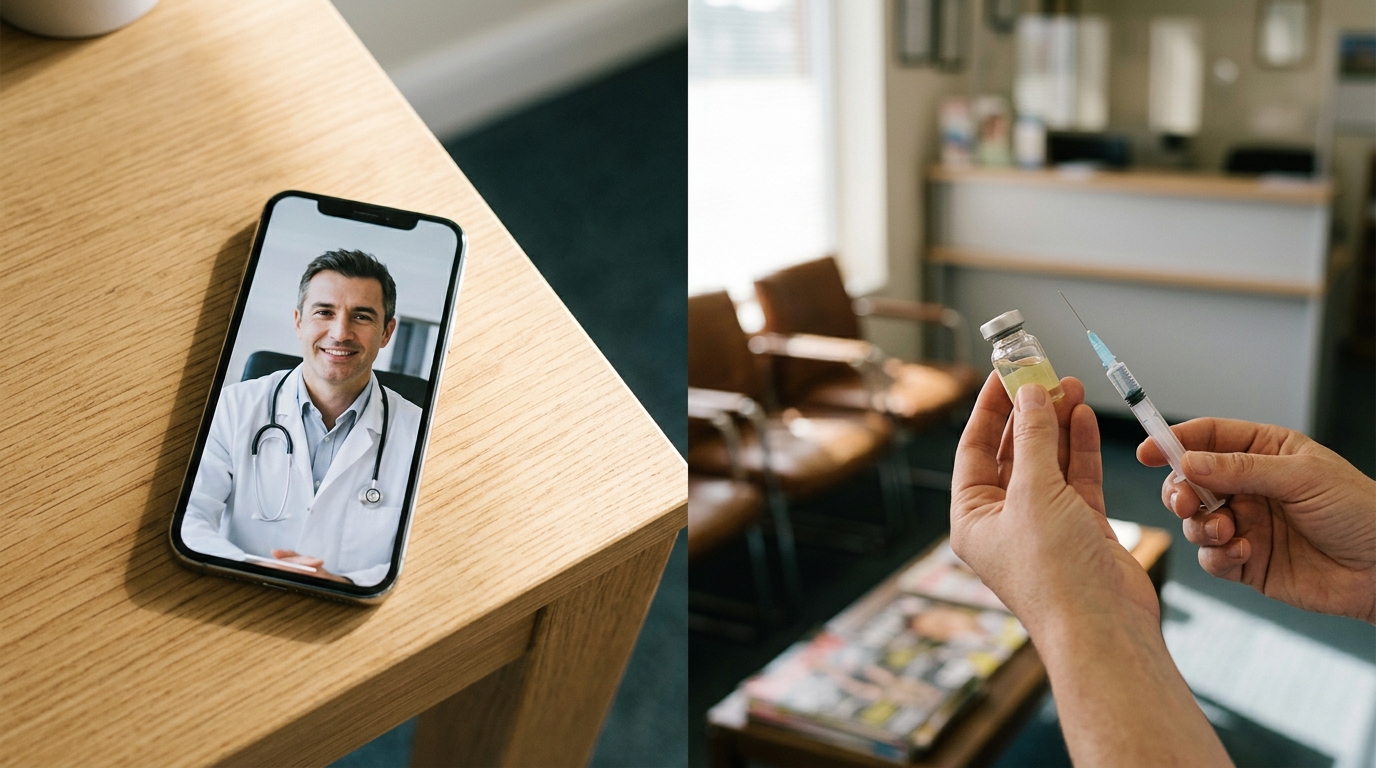
When you are ready to stop window shopping and actually commit to your hormonal health, you have to decide if you want a digital subscription or a local home base. The $99 monthly telehealth price tag is incredibly tempting because it covers your basic meds and shipping without forcing you to leave your couch. These online platforms are built for speed and efficiency, cutting out the overhead costs of a physical building to keep your wallet happy. You get the convenience of a door-to-door delivery service, but you are often trading away that face-to-face connection for a more streamlined, automated experience. It is the ultimate choice for the guy who knows exactly what he needs and wants to skip the waiting room small talk.
Stepping into a local specialty clinic feels different because you are paying for premium, hands-on monitoring that a screen simply cannot provide. These brick and mortar centers often charge between $200 and $500 per month, which covers everything from in-person blood draws to immediate dosage adjustments based on how you actually look and feel. You are not just buying a vial of testosterone, you are investing in a dedicated team that tracks your vitals and manages your long-term longevity strategy in real time. While the price point is higher, the level of accountability and personalized care can be a vital asset for someone who wants a professional watching their back every step of the way.
Choosing between these two paths really comes down to how much you value your time versus your budget for high-touch service. If you are a self-starter who is comfortable managing your own routine, the telehealth route offers a low-friction way to get started for less than the cost of a daily coffee. However, if you have a complex health history or simply prefer the security of a physical doctor’s office, the extra investment in a local clinic provides a safety net that digital platforms might lack. Both options are effective ways to reclaim your vitality, so you just need to pick the financial model that fits your lifestyle and long-term wellness goals.
Hidden Expenses In Labs And Monitoring
When you are calculating the true cost of your vitality journey, the price of the bottle is only one piece of the puzzle. To do this right, you have to factor in the regular blood work required to keep your hormones in the sweet spot. These labs are not just a formality because they track critical markers like red blood cell count and estrogen levels to ensure your protocol is actually safe. Skipping these tests to save a few bucks is a rookie mistake that can lead to sabotaging your health with long term complications. You should expect to pay for comprehensive panels at least a few times a year to stay on top of your data.
Navigating your hormonal health also requires a professional eye to interpret those lab results and adjust your dosage. Expert consultations are a vital part of the investment because they provide the clinical oversight needed to avoid side effects. While some low cost clinics might try to rush you through the process, a quality program includes the time for you to ask questions and get real answers. These sessions ensure that you are not just taking a generic dose but are following a plan tailored specifically to your body. Think of these fees as insurance for your results and your long term well being.
If you are ready to stop guessing and start seeing real changes, focusing on a comprehensive monitoring plan is the only way to go. It might look more expensive on paper, but it prevents the costly errors that come with unmonitored hormone use. You are investing in a version of yourself that has more energy and better focus, so do not cut corners on the safety checks. By budgeting for both the medication and the expert monitoring, you are setting yourself up for a successful and sustainable transformation. True longevity is about being smart with your money and your health at the same time.
The Real Cost of Your Hormonal Health
Deciding to invest in your hormonal health is a major move, but you need to look past the flashy marketing and focus on the real numbers. While you might see basic medication advertised for as little as thirty dollars, a comprehensive program that actually keeps you safe usually sits between one hundred and five hundred dollars per month. This total covers your blood work, expert monitoring, and the specific delivery method that fits your daily routine. Whether you choose the cost-effective path of injections or the convenience of newer oral options, you are essentially paying for a long-term upgrade to your quality of life. Think of this monthly cost as a subscription to a better version of yourself rather than just another medical bill.
You have to weigh the upfront price against the long-term value of feeling like yourself again. Gels and patches might offer convenience, but they often come with a higher price tag that can reach six hundred dollars monthly. On the other hand, traditional injections remain the gold standard for those who want to maximize their results without draining their bank account. If you are ready to stop researching and start taking action, what to expect from a consultation is the only way to get a personalized quote for your specific needs. Understanding these price points allows you to choose a path that is sustainable for your budget and your lifestyle for years to come.
Frequently Asked Questions
1. What is the cheapest way to start testosterone replacement therapy?
Generic injections are the undisputed heavyweight champion for your wallet, typically costing between 30 and 150 dollars per month. While you will need a little grit to handle the needles, it is the most direct path to results without paying for a brand name marketing team.
2. How much do topical gels and creams actually cost?
Convenience comes with a steep price tag, so expect to pay anywhere from 200 to 600 dollars per month for needle free options. These premium gels are easy to apply during your morning routine, but the annual cost can quickly drain a bank account compared to other methods.
3. Are there hidden fees I should watch out for beyond the medication?
You are not just paying for a vial of hormones, because you also have to navigate a maze of lab fees and provider markups. These extra costs can break your budget if you are not careful, so always ask for the total price including blood work and doctor visits.
4. Why is there such a huge price difference between providers?
Some sites try to lock you into expensive monthly subscriptions that cost more than a car payment, while others offer no frills pricing. We are stripping away the corporate fluff to show you that your fate depends on whether you choose a high end clinic or a DIY approach.
5. Does insurance usually cover the cost of treatment?
Navigating insurance hurdles is often a headache that many men find impossible to win. Most guys end up paying out of pocket to avoid the red tape and ensure they get the specific protocol that actually makes them feel like their former selves.
6. Is the high price of brand name testosterone worth it?
You are often just paying for fancy packaging and a massive advertising budget rather than real results. Stick with proven systems that have worked for decades instead of falling for the marketing smoke and mirrors of expensive new brands.