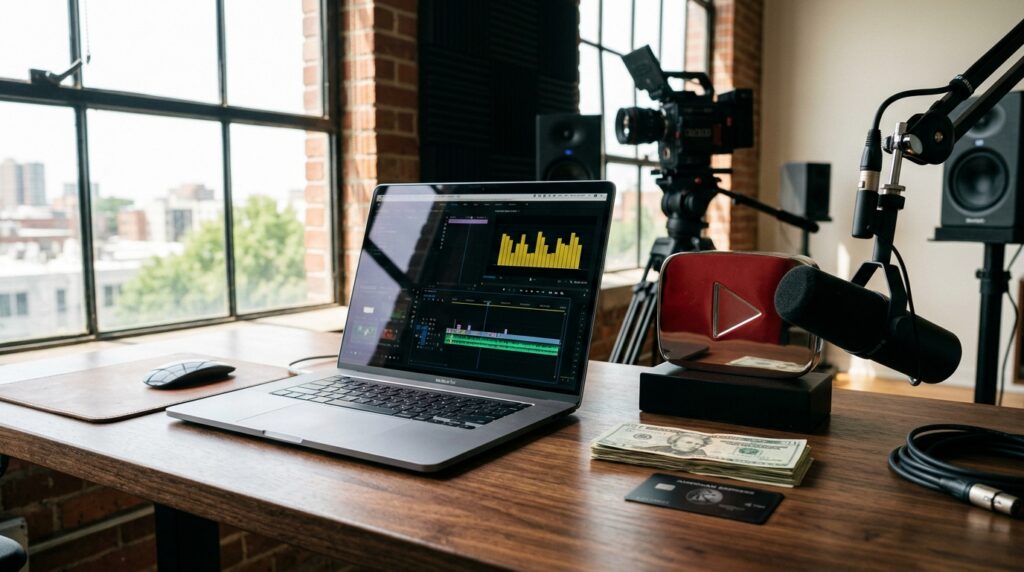
You’ve seen the flashy gurus flexing sports cars while promising passive YouTube millions, but nobody gives you a straight answer about the actual price. The real cost of a YouTube automation course is completely all over the map, swinging wildly from free tutorials to eye-watering $20,000 programs. Before you pull out your credit card, you need to know what your hard-earned cash actually buys. Most of those high-pressure sales pages hide critical details behind slick pitch videos and fake countdown timers.
Standard step-by-step training usually sits between $500 and $1,500, while high-ticket mentorships can easily strip $3,000 to $8,000 straight out of your bank account. Here is the raw truth: you don’t need to blow your life savings to build a profitable faceless channel. Spotting overhyped price traps lets you cut through the noise and find an option that fits your actual budget.
Key Takeaways
- The mid-tier price range of $500 to $1,500 provides the best value for YouTube automation training, offering actionable blueprints without the inflated costs of high-ticket mentorships.
- Course fees only cover the educational blueprint, meaning creators must budget an additional $500 to $1,500 per month for software, freelancers, and video production.
- To avoid running out of cash before achieving monetization, reserve at least three to six months of production capital alongside your initial training investment.
- Avoid ultra-expensive programs charging $3,000 to $20,000, as these steep price tags fund aggressive guru marketing rather than superior training quality.
Breaking Down YouTube Automation Course Price Tiers
When you start hunting for a YouTube automation course, the price spread will give you whiplash. You will find free crash courses, standard digital training programs for around $500, and high-ticket mentorships running upwards of $20,000. Higher price tags rarely mean higher quality. Most course creators charge based on their marketing skills rather than the strength of their systems. Dissecting these numbers before spending a dime protects your bank account from overhyped promises.
- Free to Low-Cost ($0 – $100): Basic self-paced videos covering fundamental concepts, suitable for testing the water without financial risk.
- Mid-Tier Standard Courses ($497 – $1,500): Structured step-by-step video modules, practical templates, software discounts, and access to a private student community.
- High-Tier Coaching ($3,000 – $8,000+): Deep-dive training backed by weekly live Q&A calls, personalized channel audits, and direct access to instructors.
- Done-For-You Packages ($10,000 – $20,000+): Hands-off service offers where outside teams build, script, and edit content for your channel directly.
For most creators, the mid-tier bracket between $497 and $1,500 strikes the right balance. At this level, structured programs give you execution blueprints, script templates, and community access to ask real questions. Free tutorials might teach basic editing or keyword tools, but they lack a cohesive roadmap and leave you guessing on strategy. Spending a few hundred dollars shrinks your learning curve without causing financial stress. Just ensure the program delivers actionable workflows instead of generic motivation.
Once you cross into high-ticket programs charging $3,000 or more, you pay heavy premiums for direct attention. These mentorships often include channel audits and weekly Q&A calls, which speed up growth only if the coach actually knows what they are doing. Be extremely cautious with five-figure done-for-you promises. Most of those extreme price tags fund the guru’s flashy ad campaigns, not your channel’s success. Demand verified student proof before handing over serious capital.
Hidden Expenses Behind the Course Price Tag
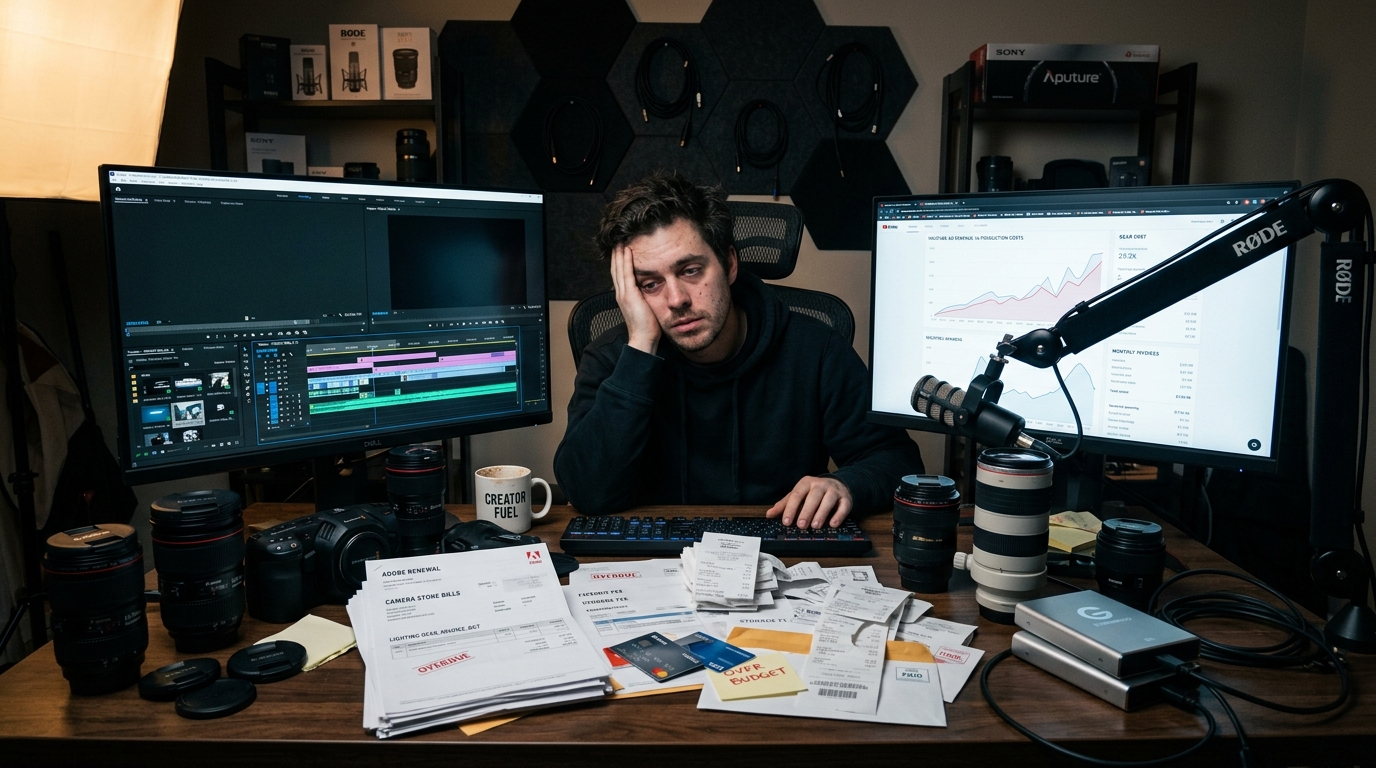
Buying a YouTube automation program for $500 or even $5,000 is only your price of admission. Many gurus leave out the reality that a course just gives you the blueprint, not the actual building materials. To launch a channel, you need an operational budget to pay the digital crew doing the heavy lifting. If you drop your last dollar on a shiny training portal, you will end up with zero cash left to produce content. Treat this like a real business from day one, which means accounting for ongoing software and freelancer expenses.
Here are the primary ongoing costs you need to plan for after buying a course:
- Video Editors: Expect to pay $30 to $150 per video to turn raw scripts into polished visuals.
- Voiceover Artists or AI Narration: Professional voice actors or high-end voice software run $10 to $50 per script.
- Thumbnail Designers: Quality click-worthy graphics cost around $5 to $25 per thumbnail.
- Essential Software Tools: Monthly subscriptions for keyword research, stock media libraries, and automation software cost $50 to $200 total.
These recurring expenses quickly add up, often requiring an extra $500 to $1,500 every single month just to pump out regular uploads. Freelancers expect payment upfront regardless of whether your video hits the algorithm jackpot or tanks. Even if you use modern artificial intelligence tools to trim down costs, monthly subscriptions still demand a chunk of your bank account. Expecting a course fee to cover your video production costs is like buying a car frame and expecting it to drive without fuel.
Before you swipe your card for any training program, calculate your true cash runway. A smart strategy is setting aside at least three to six months of production capital alongside your initial educational investment. Doing this prevents you from abandoning a promising channel right before it reaches monetized status simply because you ran out of cash. Knowing these numbers upfront keeps you clear-headed, protected from high-pressure sales tactics, and ready to build a sustainable business.
Spotting Course Upsell Traps and Real Value
High-ticket guru pitches want you to believe that dropping $5,000 or even $20,000 is the only way to succeed on YouTube. In reality, most of these ultra-expensive programs wrap basic strategies inside slick sales funnels and aggressive upsell calls. You end up paying thousands of dollars extra just for a weekly group call and a private chat room badge. True channel growth relies on solid workflow systems and audience research, not high-pressure sales tactics. Interrogate what you are actually buying beyond high-profile hype.
The sweet spot for legitimate YouTube training lives in well-structured standard courses ranging from $500 to $1,500. These mid-tier programs deliver step-by-step systems, editing workflows, and niche selection templates without forcing you into debt. Honest creators lay out their exact processes clearly without hiding critical steps behind another paywall. If a program refuses to show you a detailed curriculum upfront, take that as a red flag. Real value comes from practical strategies you can implement today, not high-pressure pitches for personal coaching.
- Red Flag ($3,000 and up): High-pressure sales calls promising passive wealth without hard work or clear technical modules.
- Sweet Spot ($500 to $1,500): Comprehensive self-paced video modules, actual channel case studies, and practical creator community access.
- Budget Entry ($0 to $100): Foundational guides that teach basic video editing, SEO fundamentals, and thumbnail creation without hype.
Your training program is only one part of your overall investment when launching an automated channel. You still need to keep a buffer in your budget for voiceover software, video editing tools, and hiring reliable freelancers. Blowing your entire startup budget on a bloated $5,000 course leaves you zero cash to actually produce videos and run your channel. Invest in actionable training at a reasonable price, preserving your capital for real production costs. Choose a training path that fits your current financial reality so you can scale comfortably without getting ripped off.
Skip the $8K Hype: What Courses Actually Cost
YouTube automation courses span a massive price range, anywhere from free videos up to $8,000 or more for high-ticket mentorship programs. You do not need to drop a small fortune on fancy coaching packages just to learn the basics of building a profitable channel. Most mid-tier programs sitting between $500 and $1,500 give you all the step-by-step systems and templates you actually need without the inflated hype. The secret is separating practical, actionable training from overpriced sales pitch fluff. Before you swipe your credit card, ask yourself if you are paying for genuine strategy or just funding a guru’s lifestyle.
Treating YouTube automation as a legitimate investment means looking way beyond the sticker price of a single training program. You also need to budget for ongoing operational expenses like video editing tools, scriptwriting help, and voiceover talent. Starting with lower-cost resources or mid-range guides lets you test the waters without draining your bank account before you even upload a video. Focus on building a sustainable business foundation rather than hoping for a shortcut. Taking control of your capital early will save you thousands of dollars and endless headaches.
Once you decide on the right training path for your budget, setting up your actual business structure is the next critical milestone for your venture. Protecting your personal assets and organizing your channel income properly ensures you keep more of what you earn as your videos gain traction. You can explore our Best LLC Formation Service Comparison For New Entrepreneurs to discover how to launch your company smoothly without overpaying for legal setup fees. We cut through the marketing fluff to show you which platforms deliver real value for your hard-earned dollars. Build your new business on solid ground today.
Frequently Asked Questions
1. How much does a typical YouTube automation course actually cost?
A standard, legitimate training program usually lands between $497 and $1,500 for step-by-step guidance. While high-ticket mentorships can jack up prices from $3,000 to over $20,000, you do not need to drain your life savings to build a profitable faceless channel. You can even find basic crash courses under $100 to get started.
2. Are high-ticket YouTube automation mentorships worth $3,000 or more?
In almost every case, no. Course creators usually set these massive price tags based on their marketing skills rather than the actual quality of their systems. You get the exact same actionable blueprints in mid-tier courses without funding a guru’s rented sports car.
3. Can you learn YouTube automation for free without buying a course?
Yes, you can pick up fundamental concepts through free video tutorials and low-cost guides under $100. These zero-risk options are great for learning the basics before pulling out your credit card. The trade-off is that you will have to put the pieces together yourself instead of following a pre-built roadmap.
4. What should you expect to get in a $500 to $1,500 course?
A solid mid-tier program gives you structured video modules, practical workflow templates, and helpful software discounts. It cuts through the noise to deliver an end-to-end system for launching faceless channels. This price point hits the sweet spot between deep practical value and a reasonable budget.
5. Why do YouTube automation course prices swing so wildly?
Prices swing wildly because gurus price their products on hype, fake urgency, and psychological sales traps. Fake countdown timers and flashy lifestyle claims allow creators to charge insane markups for basic information. Cut through the fluff and evaluate training based on actual depth rather than high-pressure sales pitches.
6. How do you avoid getting scammed by overpriced course creators?
Ignore the flashy video pitches and look closely at what the curriculum actually offers. Stick to transparent training programs in the $500 to $1,500 sweet spot, or start with free resources to test the waters. If a program uses high-pressure tactics or promises passive millions overnight, walk away immediately.
7. Are there extra hidden costs after buying a YouTube automation course?
Yes, you still need to budget for video creation tools, automation software, and content production if you plan to outsource. That is exactly why blowing your entire budget on a $5,000 course is a huge mistake. Keep plenty of cash on hand to actually run and grow your channel.