You’re smart enough to know that a pile of gauze and some plastic tweezers shouldn’t cost a fortune, yet the market is flooded with overpriced bags that are mostly empty space. When you look at the actual survival medical kit cost for 2025 and 2026, the price tags are all over the map, swinging from a modest $18 for basic home supplies to a staggering $600 for professional-grade bundles. It’s easy to feel like you’re being squeezed by marketing hype when you just want to keep your family safe without draining your bank account.
We’ve dissected the latest market trends to find out where your money actually goes and where it’s being wasted on flashy packaging. Whether you need a $40 setup for your hiking pack or a $300 trauma kit for serious emergencies, you deserve to know which kits are packed with life-saving value and which ones are just expensive fluff. It’s time to cut through the sales pitches and get real about what it costs to be truly prepared for the unexpected.
Key Takeaways
- Tier your medical supplies by keeping basic $18–$50 kits for minor daily injuries to preserve expensive, professional-grade gear for true life-threatening emergencies.
- Expect to invest between $150 and $300 for a legitimate trauma kit that includes critical life-saving tools like windlass tourniquets, chest seals, and modular organization systems.
- Avoid the hidden costs and logistical headaches of DIY kits, as pre-configured professional bundles are often 40% cheaper than sourcing high-quality individual components at retail prices.
- Prioritize the quality of internal medical components over flashy packaging and branding to ensure your gear functions reliably under high-stress survival conditions.
Entry Level Survival Medical Kit Breakdown
Building a reliable medical stockpile starts with securing the basics without overpaying for marketing fluff. You can find entry level kits in the $18 to $50 range that handle the everyday scrapes and burns that happen when you are working on your homestead. These budget-friendly options usually include standard bandages, antiseptic wipes, and gauze rolls that serve as the foundation of any preparedness plan. While they are not meant for major trauma, they keep your more expensive supplies pristine for actual emergencies. Think of these as your first line of defense for minor household injuries that do not require a full professional response.
You need to be realistic about what these cheaper kits actually offer before you start stacking them on your shelves. Most kits at the $18 price point are heavy on the plastic bandages but light on heavy duty tools like shears or medical tape. If you step up toward the $50 mark, you generally see a better variety of ointments and larger dressings that can bridge the gap during a crisis. We have seen plenty of sales pages claiming these are all you need, but we know better than to trust a single box for total survival. They are great for the kitchen drawer or the glove box, but they are just the starting point for a serious budget.
Investing in these low cost kits allows you to allocate more of your hard earned cash toward professional grade trauma gear later. By spending under $50 now, you ensure that your family is not digging into a $200 bag just to find a simple band-aid for a blister. It is a smart move to keep these basic supplies in high traffic areas like the workshop or the mudroom where minor accidents are common. This strategy keeps your high end medical inventory intact while providing immediate relief for the small stuff. Starting here builds a solid base for the rest of your emergency preparedness without draining your bank account on day one.
Professional Grade Trauma Kit Pricing And Features
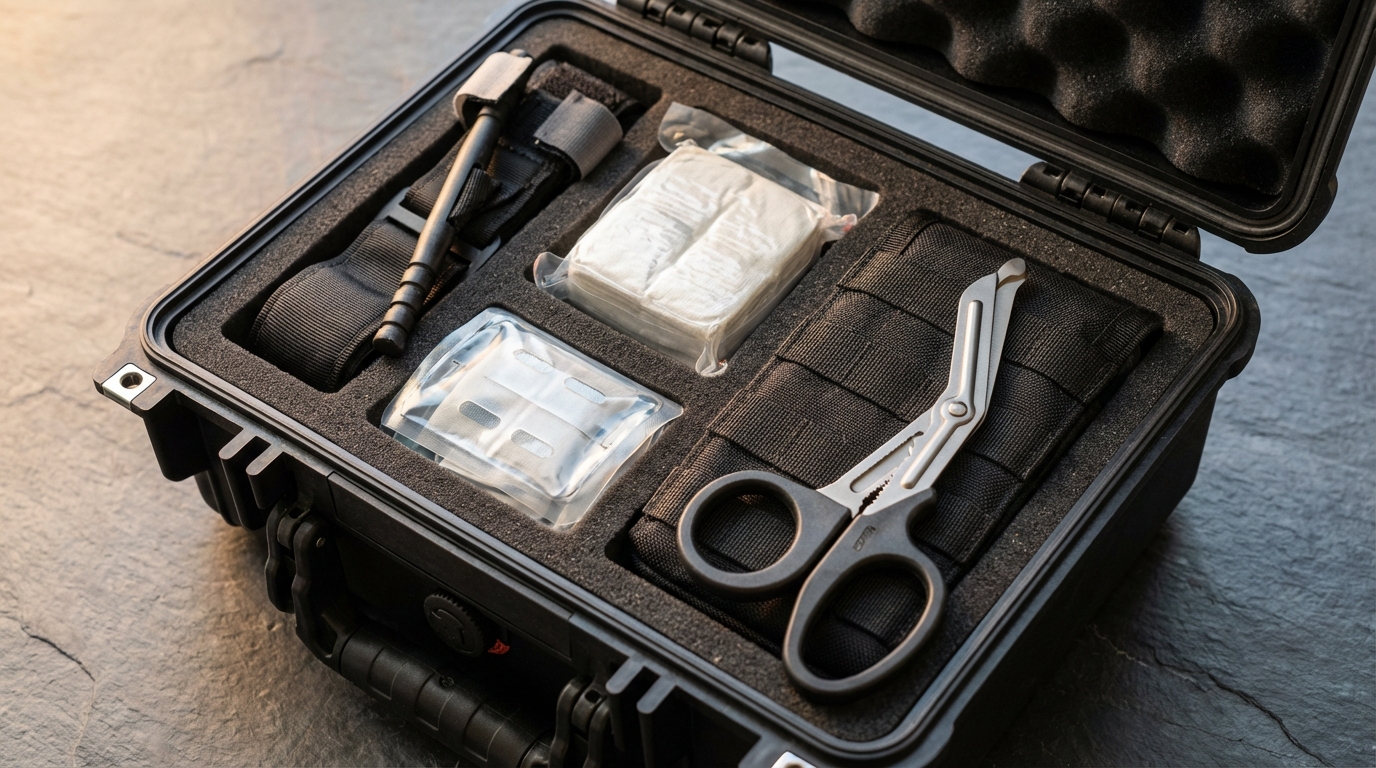
When you decide to level up from a basic home kit to a professional trauma bundle, you are paying for more than just extra bandages. These professional-grade bundles, which typically land in the $150 to $300 range, are built to stop life threatening bleeds and manage severe injuries that a standard plastic box simply cannot handle. You will find critical additions like genuine windlass tourniquets, chest seals, and specialized pressure dressings that are designed for high stress situations. While the price tag might seem steep compared to a grocery store kit, the reality is that one high quality tourniquet alone can cost forty dollars. We are looking at gear that is meant to function when your life is actually on the line, not just for a scraped knee.
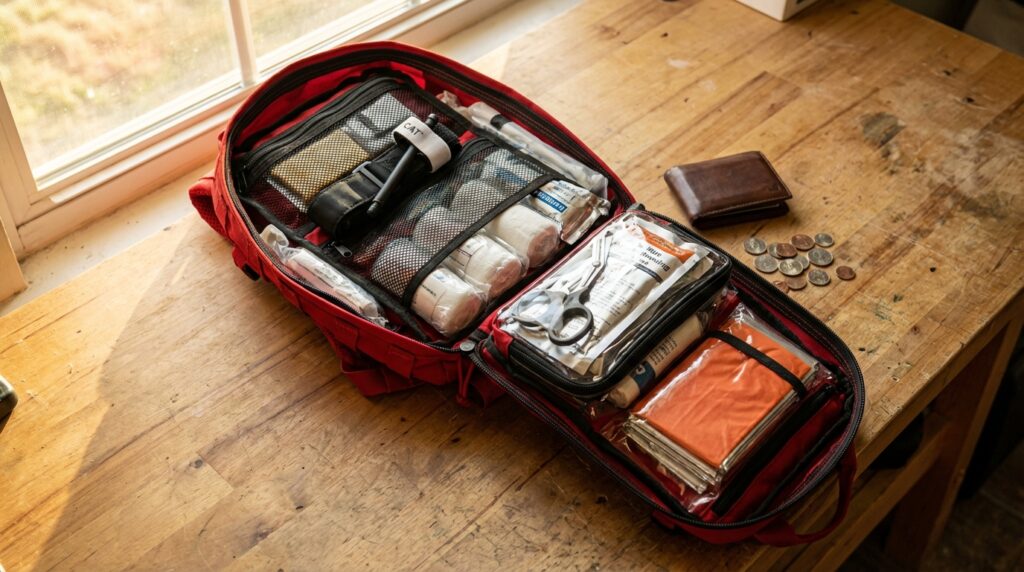
The physical design of these pro level kits is another reason the cost climbs. Instead of a jumbled mess of supplies, you are investing in modular, rip away pouches and high quality materials that allow you to find exactly what you need in seconds. Many of these premium options use high denier nylon and organized internal loops to keep your gear secure during a hike or a car accident. You are essentially paying for a system that eliminates panic by organizing life saving tools by their specific function. It is a one time investment in a durable platform that is built to endure years of storage in a trunk or a bug out bag.
Smart preppers view these $300 bundles as a foundational part of their survival stockpile rather than a luxury purchase. When you calculate the cost of buying every high end component individually, these curated kits often save you money and a massive amount of research time. The peace of mind that comes from having a tested setup ready to go is worth the extra bulk in your budget. If you are serious about emergency preparedness, skipping the cheap stuff ensures you are not left with a flimsy kit when things actually go wrong. Investing in professional grade gear means you are prioritizing your family’s safety with tools that professionals actually trust.
Investing In Comprehensive Family Survival Medical Bundles
When you are ready to move past the basic bandages and move into serious long term preparedness, you have to look at the high end bundles that range from 250 to 600 dollars. These professional grade kits are not just about quantity, but about having the specialized tools required to manage trauma and chronic care when help is not coming. Investing in this price bracket means you are paying for organized systems that can support an entire family through an off grid scenario or a prolonged disaster. You are essentially buying a portable medical station that bridges the gap between a simple scrape and a hospital visit. While the price tag might seem steep compared to a grocery store kit, the reality is that these bundles offer the only way to secure professional supplies in bulk for a single upfront cost.
Building a survival stash one piece at a time usually ends up costing you more in shipping and hidden markups than just grabbing a comprehensive bundle. These top tier packages often include advanced items like high quality tourniquets, chest seals, and specialized splints that you simply cannot find in budget versions. You are paying for the peace of mind that comes with knowing every family member is covered by a kit designed to last weeks rather than hours. Just as you might research the real cost of clean water for your property, you must evaluate the long-term value of these medical investments. We have seen plenty of marketing fluff in this industry, but the 600 dollar range is where the gear actually starts to match the high stakes of a real world emergency. It is a one time investment that turns your home into a legitimate medical resource for any crisis that comes your way.
Hidden Costs Of DIY Survival Medical Kits
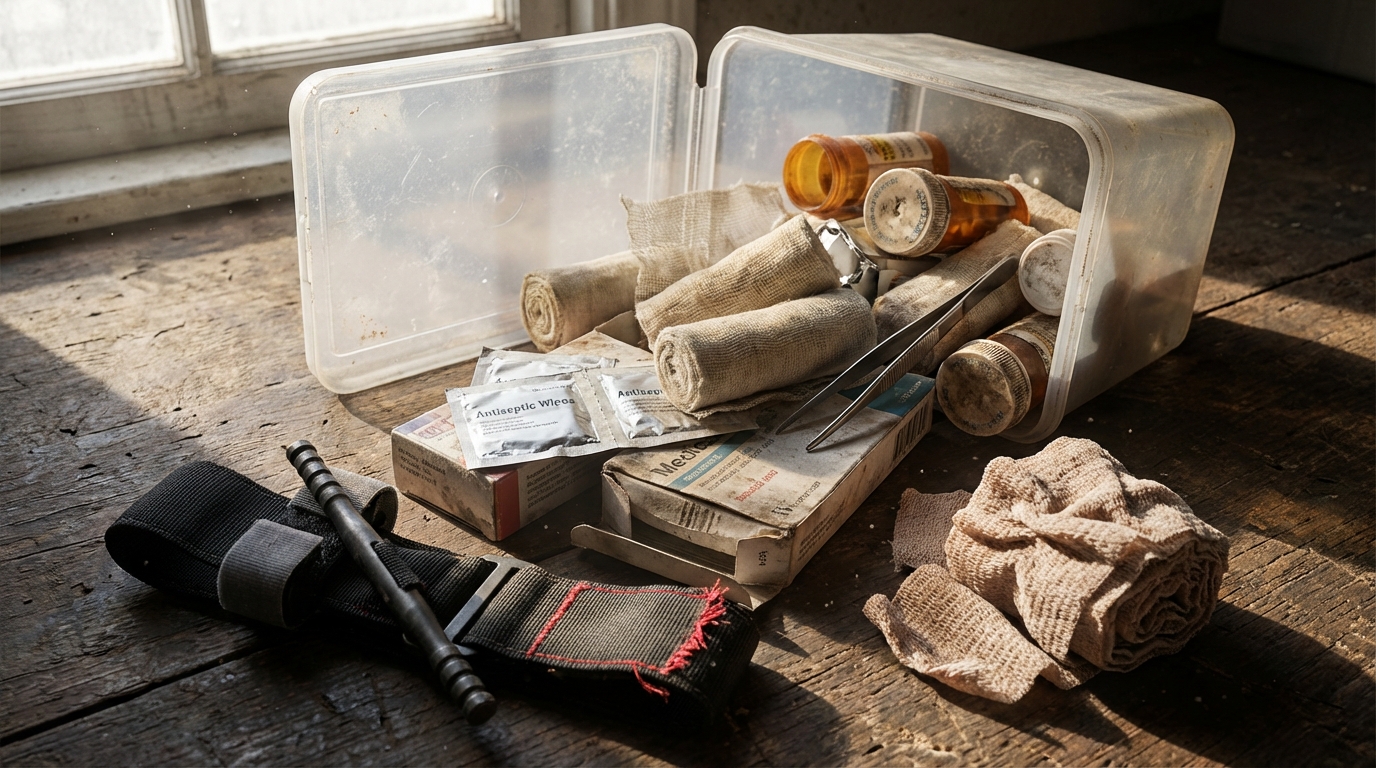
Building your own medical kit might feel like a savvy way to save a few bucks, but the retail price of individual professional components will stop you in your tracks. When you start hunting for high-quality chest seals, combat-grade tourniquets, and advanced blood-clotting agents, you quickly realize that buying these items one by one is a logistical and financial nightmare. Manufacturers of pre-made trauma bundles buy these specialized supplies in massive quantities, allowing them to pass those savings on to you. If you try to replicate a three hundred dollar professional kit by shopping for single units, you will likely end up spending forty percent more just to fill the same bag.
The hidden drain on your wallet does not stop at the high price of specialty bandages and hemostatic gauze. Shipping fees from multiple different medical suppliers can add an extra fifty to seventy-five dollars to your total project cost before you even have a bag to put them in. You also have to worry about expiration dates, as buying loose stock often means you are getting items that have been sitting in a warehouse longer than the fresh components found in a curated bundle. It is frustrating to realize that after all that effort to source individual pieces, you still do not have a cohesive system that is organized for a high-stress emergency.
Smart budgeting for your emergency stockpile means looking at the real cost of survival gear rather than just the sticker price of a finished kit. A comprehensive professional bundle often includes durable, military-grade carrying cases and organizational inserts that would cost you an additional fifty dollars on their own. By choosing a pre-configured setup, you ensure that every piece of gear is verified, fresh, and designed to work together without the headache of tracking twenty different packages. Your time and your money are better spent on a proven system that arrives ready to save a life the moment it hits your doorstep.
Stop Buying Cheap Kits That Fail
Building a professional-grade medical stockpile is not about finding the cheapest box of bandages, but rather about strategic investment in your family’s safety. You have already done the hard work of securing your food and seeds, so do not let a flimsy, eighteen dollar drugstore kit be the weak link in your preparedness chain. While those basic kits are fine for a minor kitchen scrape, they will fail you when you are facing a real emergency situation. High-quality trauma kit and professional bundles ranging from two hundred to six hundred dollars might seem steep upfront, but they provide the specialized tools that actually save lives. You should view this medical kit cost as an insurance policy that you hope to never use but will be eternally grateful for if the world turns sideways.
Smart budgeting means knowing when to save and when to go all-in on quality gear. You can certainly find middle-ground options in the forty to one hundred dollar range for your car or hiking pack, but your home base deserves a comprehensive setup. Market trends for 2025 show that specialized bundles are becoming the gold standard because they eliminate the guesswork of buying individual components. We have seen plenty of marketing fluff promising the world for pennies, but the truth is that professional-grade supplies carry a higher price tag for a reason. Focus your spending on durable bags, high-quality pressure dressings, and reliable tools that will not snap the first time you put them under stress.
Ultimately, your goal is to bridge the gap between a simple first aid box and a legitimate medical station. It is much better to buy one high-end, three hundred dollar kit that is organized and tested than to waste money on five different budget kits filled with filler items you will never use. Take a hard look at your current stockpile and identify the gaps where a professional-level bundle could provide the most value. By prioritizing quality over quantity, you ensure that every dollar in your budget is working toward a more resilient future. Do not settle for the bare minimum when your health and safety are on the line, because true peace of mind is worth every cent of the investment.
Frequently Asked Questions
1. What is a realistic price range for a reliable medical kit?
You can expect to spend anywhere from $18 for a basic home setup to $600 for a professional grade trauma bundle. Most people find their sweet spot around $40 for a hiking pack or $300 for a comprehensive emergency kit. Don’t let flashy marketing convince you that a higher price tag always means better life saving equipment.
2. Why do some survival kits cost hundreds of dollars more than others?
High end kits often include specialized trauma gear like tourniquets, chest seals, and professional grade shears that drive up the price. You are also paying for the durability of the bag and the quality of the components inside. However, some of that cost is just branding fluff, so you have to look past the packaging to see what you are actually buying.
3. Are the cheap $18 kits actually worth buying?
These budget kits are perfect for everyday scrapes and minor burns, acting as your first line of defense. They keep your expensive supplies pristine for real emergencies while handling the small stuff. Just be aware that they are usually heavy on plastic bandages and light on heavy duty tools like medical tape or shears.
4. How can I avoid overpaying for marketing hype?
Stop looking at the cool bag and start interrogating the supply list. Many overpriced kits are mostly empty space or filled with cheap filler items that won’t help in a real crisis. Focus on the cost of the actual medical components rather than the flashy branding used to sell them.
5. Should I buy a pre-made kit or build my own to save money?
Buying a pre-made kit in the $40 to $100 range is often more convenient and can be cheaper than buying individual items at retail prices. If you want a professional $300 setup, building it yourself lets you customize the gear and ensure you aren’t paying for filler. It really comes down to whether you value your time or your ability to hand pick every gauze roll.
6. What are the must-have items that justify a higher kit cost?
If you are spending more than $100, your kit should include high quality trauma supplies like a genuine tourniquet and pressure dressings. These items are expensive because they are designed to save lives in critical situations. If a kit costs $200 and only has standard band-aids and antiseptic wipes, you are being ripped off.