
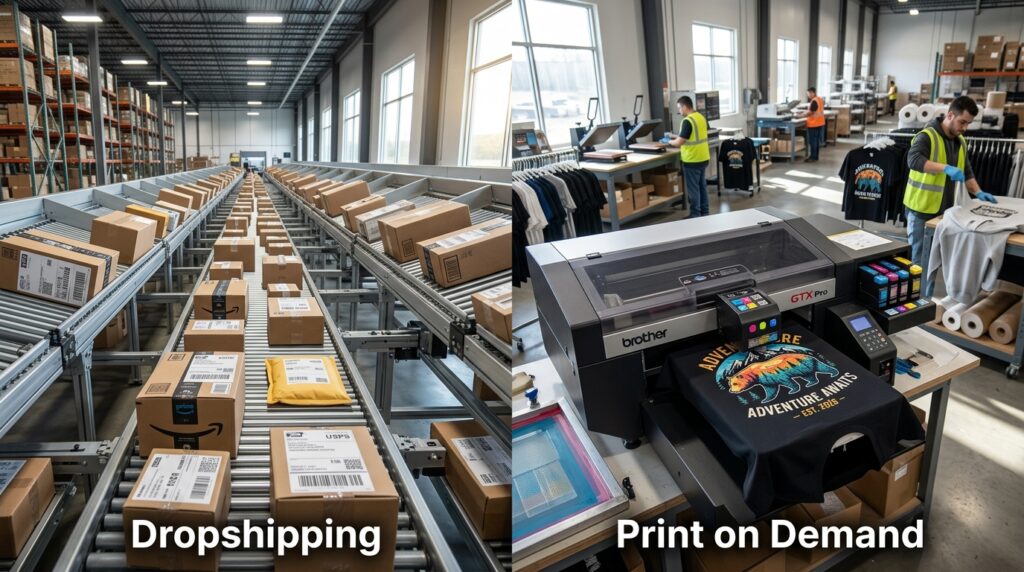
You’ve seen the flashy ads promising easy millions from your laptop, but you’re smart enough to know that passive income usually requires a lot of active sweating. The dropshipping vs print on demand debate isn’t just about making a quick buck; it’s a choice between being a high-volume middleman or a creative brand builder. Both models let you skip the nightmare of stocking inventory, yet they demand entirely different skill sets to actually see a profit.
The reality is that dropshipping is a massive $500 billion beast built on speed, while print on demand is the scrappy underdog focused on high-margin uniqueness. Most gurus won’t tell you that shipping delays can kill your store or that your unique designs might fall flat in a crowded market. You need the raw truth about where your time and money actually belong before you burn your budget on a model that doesn’t fit your goals.
Key Takeaways
- Dropshipping is a high-speed, volume-based model for ‘trend hunters’ who want to test viral gadgets and pivot quickly without creative development.
- Print on demand is a long-term brand-building strategy that offers higher profit margins and unique, uncopyable products for those with a creative vision.
- The ‘passive income’ promise is a myth; both models require active management of logistics, marketing, and customer service to remain profitable.
- Choosing between these paths depends on your core strength: dropshipping rewards masters of data and supply chains, while print on demand rewards those who can build a loyal community around a specific aesthetic.
Dropshipping Speed Versus Print On Demand Creativity
If you want to test the waters without committing to a specific niche for months, dropshipping is your shortcut to finding what actually sells. You can launch a store in a single afternoon and start running ads to see if people want that new kitchen gadget or tech accessory. This model is all about agility and speed, allowing you to pivot your entire business strategy in minutes if a product flops. You are essentially a high-speed talent scout for manufactured goods, looking for the next viral hit before the market gets crowded. It is the ultimate way to get real-world data on consumer behavior without spending a dime on product development.
Building a print on demand brand is a slower burn that requires you to tap into your creative side to stand out. Instead of selling the same generic items as everyone else, you are creating original designs that people can only get from your specific shop. This approach takes more time because you have to research trends, create artwork, and build a cohesive brand identity that resonates with a specific community. While it takes longer to get off the ground, you are building an actual asset with a loyal following rather than just chasing the next temporary trend. You give up the lightning-fast speed of dropshipping in exchange for a unique storefront that no one can easily copy.
Choosing between these two comes down to whether you want to be a trend hunter or a brand builder with your startup capital. Dropshipping lets you fail fast and move on until you find a winner, which is great if you are more interested in the mechanics of marketing and logistics. Print on demand is the better move if you have a message to share or a specific aesthetic you want to bring to life through custom apparel and home decor. Both paths eliminate the nightmare of storing inventory in your garage, but they require very different daily tasks. You have to decide if you would rather spend your time analyzing supply chains or perfecting the perfect graphic for your target audience.
Profit Margins And Global Shipping Realities
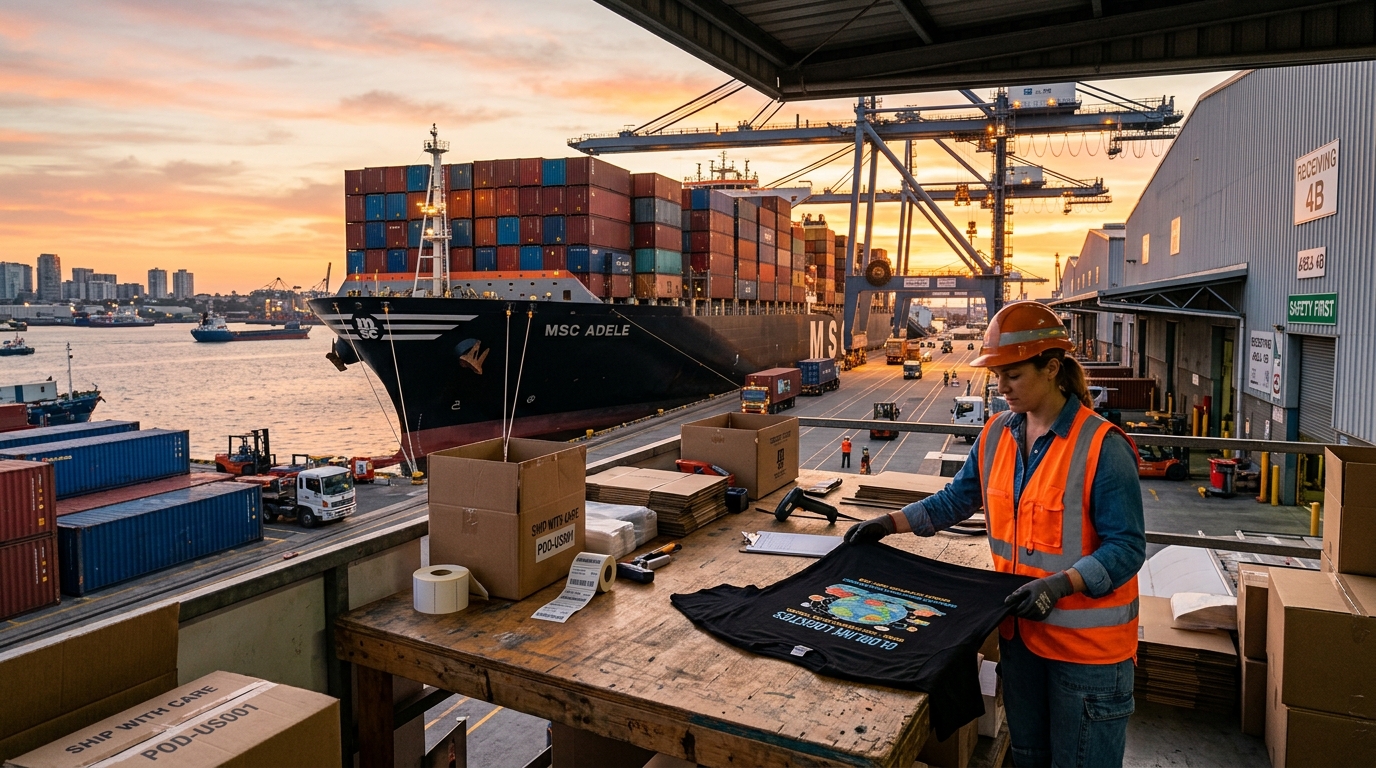
When you look at the cold, hard numbers of dropshipping, you are often staring at a razor-thin margin of about 15 to 20 percent. This model forces you to play a high-volume game where every penny spent on ads or shipping eats directly into your take-home pay. Since you are selling mass-produced items that dozens of other stores also carry, you rarely have the leverage to hike up your prices. You are essentially a middleman in a race to the bottom, constantly fighting to keep your head above water while global shipping costs fluctuate. It is a gritty reality that requires you to be a master of efficiency just to stay profitable.
Print on demand flips the script by allowing you to inject actual value into a basic product through unique, custom designs. Because you are selling a brand rather than just a generic gadget, you can often command much higher prices that lead to profit margins of 50 percent or more. You aren’t just selling a t-shirt or a mug, you are selling an exclusive piece of art that customers can’t find anywhere else. This creative control gives you the power to build a loyal following that cares more about your style than finding the lowest possible price. It is a much more sustainable way to grow a business if you want to move beyond simple market testing.
Navigating the logistics of global shipping is where these two models truly diverge. Dropshipping often leaves you at the mercy of international transit times, which can lead to frustrated customers and endless support tickets. Print on demand providers have shifted the game by placing fulfillment centers closer to your target audience, significantly cutting down on wait times. You get to avoid the headache of global shipping delays while maintaining a much cleaner brand reputation. Choosing the right path depends on whether you want to hustle for pennies on the dollar or invest your time into building a high-margin brand that lasts.
Choosing Between High Volume Gadgets Or Unique Apparel
Deciding between high-volume gadgets and unique apparel is essentially a choice between being a trend hunter or a brand builder. If you lean toward dropshipping, you are entering a fast-paced world where you manage thousands of generic items like phone chargers or kitchen tools. This path requires you to stay ahead of viral trends and master the art of rapid market testing to see what sticks. It is a numbers game that rewards speed and agility over artistic flair. You are essentially acting as the middleman for mass-produced goods that people need right now.
Choosing the print on demand route means you are shifting your focus toward a curated collection of artistic merchandise. Instead of chasing every new electronic fad, you invest your energy into creating a specific vibe through custom hoodies, shirts, or home decor. This model is much more personal because you are selling an identity or a message rather than just a utility item. While your catalog might be smaller, the connection you build with your audience is often much stronger. You trade the massive variety of gadgets for the creative control of a boutique brand.
Both paths offer a way to escape the traditional inventory nightmare, but they demand different mindsets from you as an entrepreneur. If you love the thrill of analyzing data and scaling winning products quickly, the gadget world is calling your name. On the other hand, if you want to see people wearing your designs and talking about your brand aesthetic, unique apparel is the clear winner. Your startup capital is precious, so you need to decide if you want to be a retail powerhouse or a creative director. Either way, the goal is to cut through the noise and actually start making sales.
Pick Your Path: Viral Hustle or Brand Builder
Deciding between these two models comes down to whether you want to be a trend chaser or a brand builder. If you have a small budget and want to test dozens of viral gadgets without ever touching a box, dropshipping is your fast track to market testing. You are essentially acting as a high-speed middleman, focusing your energy on aggressive ads and finding that one winning product that explodes. It is gritty and fast-paced, but you have to be ready to pivot the moment a product loses its steam.
Print on demand is the better play if you have a creative streak and want to build a loyal community that sticks around for years. You are trading the massive variety of dropshipping for the ability to sell unique designs that nobody else can copy. While your profit margins might start a bit tighter due to custom printing costs, you are building actual brand equity instead of just flipping generic items. This model rewards patience and allows you to grow a business that feels more personal and sustainable over the long haul.
Whichever path you choose, the key is to stop overthinking the logistics and start driving traffic to your store. Both models eliminate the nightmare of storing inventory, so your only real job is to master the art of the sale. Take a hard look at your bank account and your daily schedule to see which side hustle fits your lifestyle better right now. Some entrepreneurs even wonder is high ticket affiliate marketing a better alternative for landing premium payouts with less daily grinding. The market is moving fast, so pick your lane and get your first product live before the next trend passes you by.
Frequently Asked Questions
1. Which model is better for someone with zero design skills?
Dropshipping is your best bet because you are selling pre-made products rather than creating anything from scratch. You act as a talent scout for viral gadgets, meaning your success depends on your ability to spot trends rather than your ability to use Photoshop.
2. How much money do I actually need to get started?
You can launch either model with a small budget, but dropshipping usually requires more upfront cash for testing ads. Print on demand is cheaper to start because you aren’t fighting for high-volume sales, but you will spend more time on the creative side.
3. Can I really make passive income with these businesses?
The passive part is a myth told by gurus to sell courses. Both models require active sweating and constant monitoring of your shipping times or design performance to stay profitable in a crowded market. Before investing in expensive training, it is wise to read side hustle course reviews to ensure you are learning high-demand skills that actually translate into revenue.
4. What is the biggest risk with dropshipping?
Shipping delays are the ultimate business killer. Since you do not control the inventory or the warehouse, a slow supplier can lead to a flood of refund requests and a banned payment account before you even realize there is a problem. Many beginners look for dropshipping mentorship to navigate these logistical hurdles and avoid costly mistakes during their first year.
5. Why would I choose print on demand over dropshipping?
You choose print on demand if you want to build a real brand with unique products that nobody else can sell. It offers much higher profit margins and protects you from the pricing wars that plague the dropshipping world.
6. Do I need to buy inventory upfront?
No, that is the beauty of both models. You only pay for a product after a customer has already given you their money, which means you never have to worry about a garage full of unsold boxes.