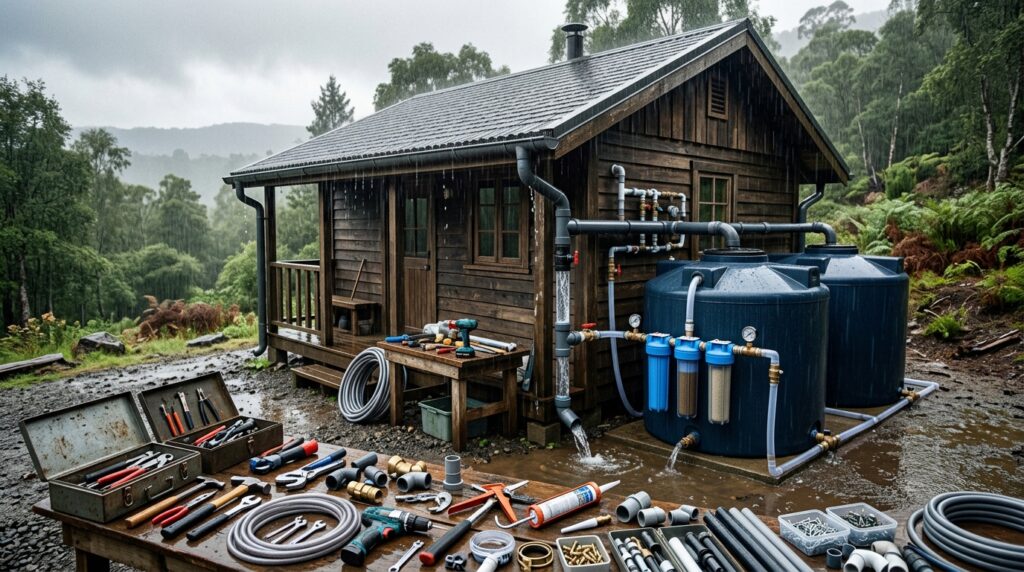
A rainwater harvesting system can cost about $120 for a basic rain barrel or more than $20,000 for a large underground system. That wide range depends on what you plan to collect, where the tank will go, and whether you need pumps, filters, or extra plumbing. Before you buy, get a realistic estimate instead of relying on a vague sales pitch.
For many professionally installed home or irrigation systems, a practical budget falls between $3,000 and $10,000. Smaller setups can cost much less, while excavation, larger tanks, and treated water can push the total much higher. Knowing which features you actually need can help you avoid paying for a system that is bigger or more complicated than necessary.
Key Takeaways
- Rainwater harvesting systems range from about $120 for a basic rain barrel to over $20,000 for large underground systems with treatment; professionally installed residential systems commonly cost $3,000 to $10,000.
- Choose system size and features based on your water needs, local rainfall, and intended use. Irrigation requires basic screening, while toilets, laundry, and drinking water require additional filtration, disinfection, plumbing, and controls.
- Tank size is only one cost factor; excavation, site access, foundations, pumps, filters, permits, electrical work, delivery, and plumbing can significantly increase the final price. Above-ground tanks are generally cheaper to install than underground systems.
- Request an itemized quote and budget for ongoing maintenance, including filter replacements, tank inspections, pump repairs, electricity, testing, and cleaning.
Rainwater Harvesting Cost Introduction
A rainwater harvesting system can cost about $120 for a basic 50 to 55-gallon rain barrel or more than $20,000 for a large underground system with treatment. If you are testing the idea or watering a few plants, a DIY setup may cost only $120 to $300. Multiple barrels, diverters, screens, and overflow piping can push the budget to $300 to $1,500 or more. The right starting point depends on whether you want simple garden backup or a serious off-grid water supply.
For a professionally installed irrigation or whole-home system, plan on roughly $3,000 to $10,000 before adding unusual site work. Tank size is a major cost factor, but it is not the only one. Excavation, foundation work, plumbing, pumps, filters, electrical connections, permits, and difficult roof layouts can all raise the final bill. An above-ground cistern may cost less to install, while an underground tank usually costs more because digging and site restoration add significant expense.
Your water goals should determine where you spend, not a flashy sales pitch. Watering plants and landscaping usually requires basic filtering, while toilet flushing, laundry, or drinking water requires more advanced treatment and regular maintenance. Before buying equipment, estimate how much water you use, how much rain your roof can collect, and whether you can handle part of the installation yourself. That basic planning can keep your costs under control, prevent an undersized system, and help you avoid paying for features you will never use.
DIY Rain Barrel System Costs
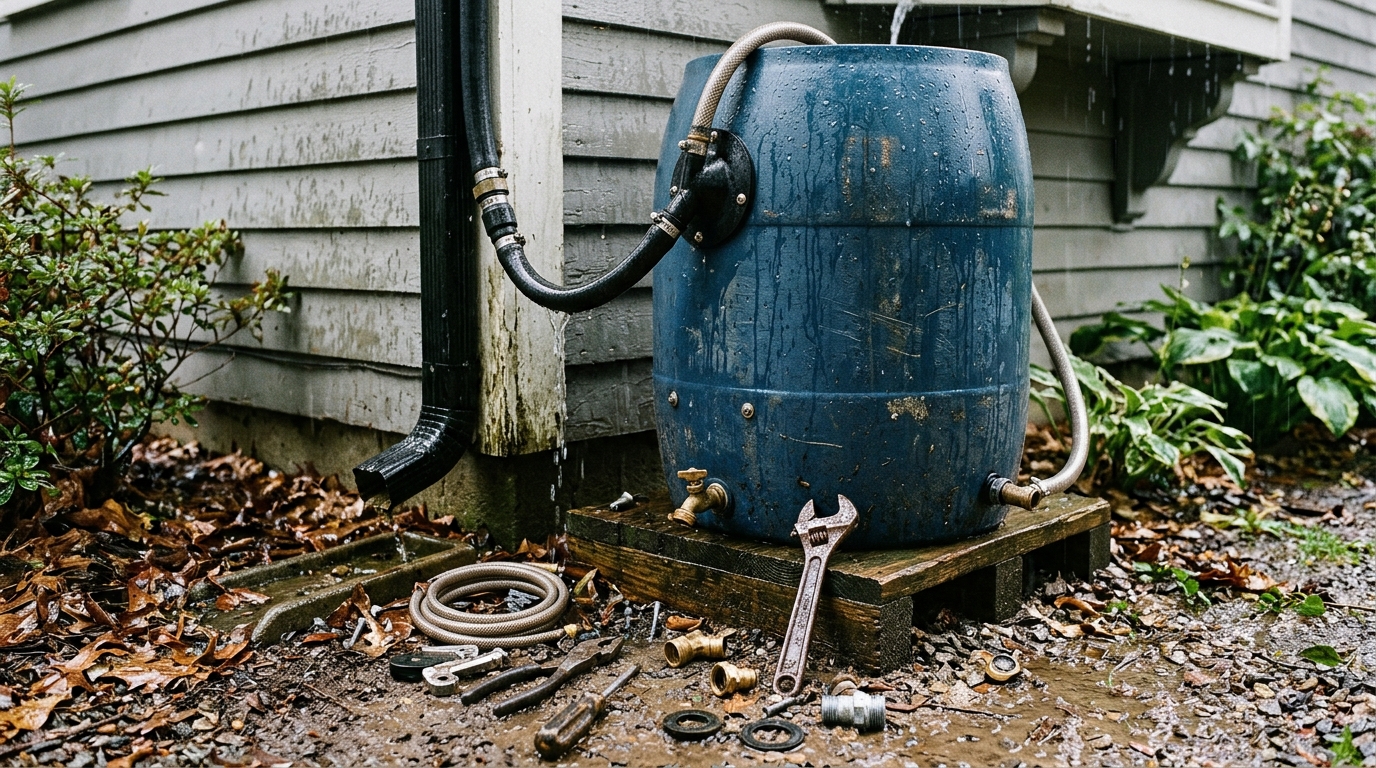
A basic 50 to 55-gallon rain barrel usually costs about $120 to $300, making it the simplest entry point for DIY rainwater harvesting. That price may cover the barrel and a basic spigot, but you may still need a downspout diverter, mesh screen, overflow hose, and stable stand. Budget for these extras before assuming the listed price covers everything. A single barrel can handle watering flower beds, container plants, shrubs, and a small vegetable garden, especially when you use a watering can or short garden hose.
Multiple-barrel systems typically cost $300 to $1,500 or more, depending on capacity and how much plumbing you add. You may need several diverters, stronger screens, linking hoses, overflow piping, shutoff valves, and stands that can safely support the full barrels. The barrels are only part of the bill, so measure your downspouts and plan the layout before buying equipment. With several connected barrels, you can cover larger garden beds, young trees, landscaping, and repeated hand watering between rainstorms.
Your roof size, local rainfall, and watering habits should guide the final setup instead of package claims. A low-cost system works well for spot watering, but it will not reliably supply sprinklers, large lawns, or an entire home. Place every barrel on a level, sturdy base, keep the screens clear, and route overflow away from your foundation to prevent avoidable damage. If you are budgeting for off-grid resilience, leave room for replacement hoses, seasonal maintenance, and future storage capacity.
Cistern And Tank Installation Costs
An above-ground cistern holding 500 to 2,500 gallons typically costs about $1,500 to $5,000, depending on how much work you handle yourself. The tank may account for most of that price, while screens, first-flush diverters, overflow piping, and connections add to the bill. Plastic tanks are usually the budget-friendly choice, while steel, fiberglass, and other heavy-duty materials can cost more and offer different durability benefits. If you are building an off-grid setup, compare the tank price with the cost of every fitting before assuming you have found a bargain.
For a professionally installed 3,000 to 5,000-gallon system, plan on roughly $4,500 to $10,000. Delivery can raise the quote when the tank is oversized or your property is far from the supplier. Excavation adds a major cost for underground or partially buried installations. You may also need a level foundation, pump, pressure controls, indoor plumbing, and water treatment equipment, especially if you want to use the water throughout your home. Tight gates, steep driveways, soft ground, or limited space for a delivery truck can push labor costs higher because installation becomes slower and more difficult.
Before you approve a quote, ask for separate prices for the tank, delivery, foundation or excavation, pump, plumbing, filters, and labor. This breakdown shows whether the total cost is reasonable or padded with vague fees. A simple irrigation system may stay near the lower end of the range, while a whole-home system with reliable treatment can move well above $10,000. Getting the site ready yourself, choosing an accessible tank location, or installing approved components in stages may reduce the upfront cost. However, do not cut corners on structural support, overflow control, or drinking-water treatment.
Rainwater System Cost Drivers
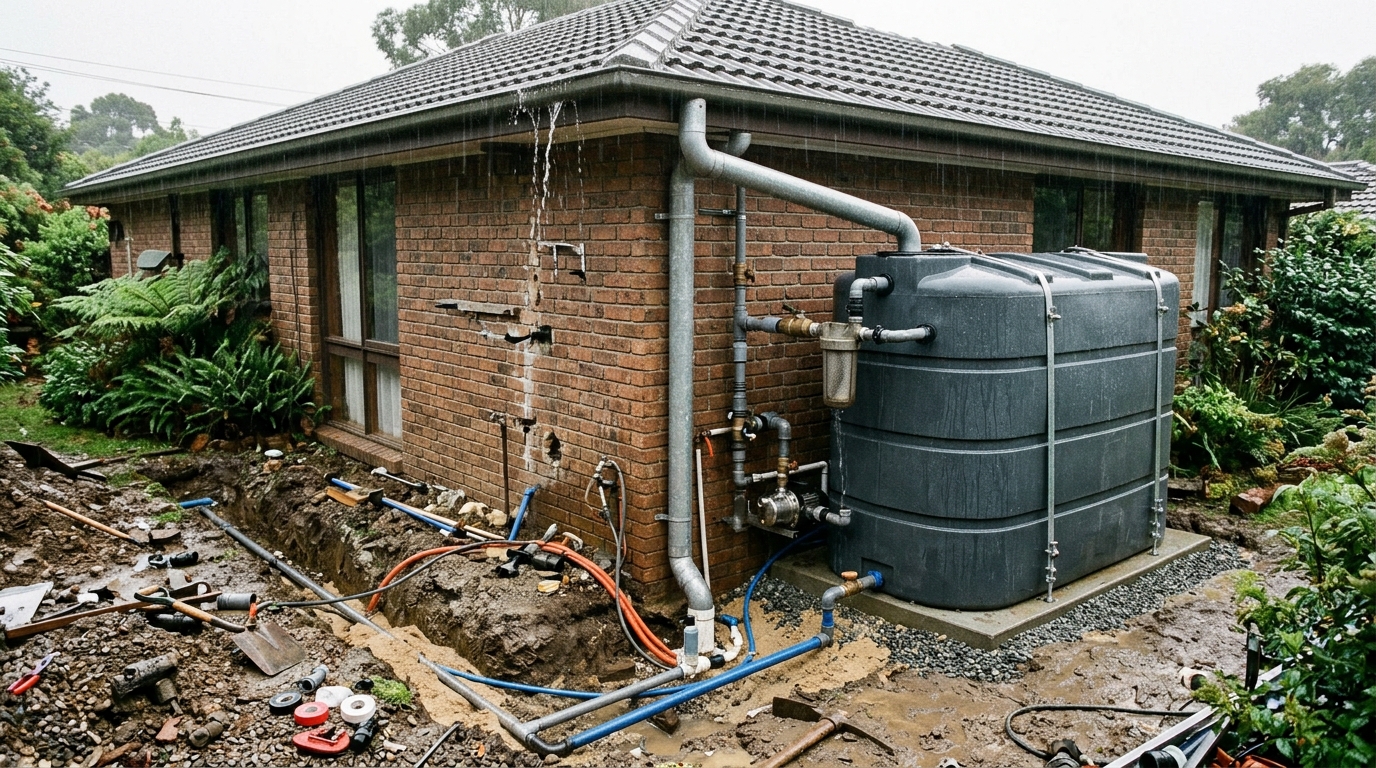
A rainwater harvesting system can cost about $120 for a basic rain barrel or more than $20,000 for a large underground system with treatment. For a professionally installed setup serving irrigation or much of your home, plan on roughly $3,000 to $10,000. Tank size is the first major cost factor because a small garden system needs far less storage than an off-grid household. A larger roof can collect more water, but it may also require extra gutters, downspouts, screens, and overflow piping. Start with your water demand and local rainfall, not a package built around features you may never use.
Excavation can quickly increase the budget when you bury a cistern, especially if the soil is rocky, access is tight, or heavy equipment is needed. Above-ground tanks usually cost less to install, while underground storage saves space and may protect water from temperature swings. Basic filtration, such as leaf screens, first-flush diverters, and sediment filters, is often necessary to keep stored water usable. Disinfection and advanced treatment add more cost, but they may be essential if you plan to use rainwater indoors or for drinking. Do not pay for drinking-water treatment when your actual goal is garden irrigation.
Local permits can add fees, inspection costs, and design requirements, particularly when you connect rainwater to indoor plumbing. Supplying toilets, laundry machines, showers, or sinks usually means adding pumps, pressure tanks, backflow protection, dedicated pipes, and professional labor. These parts can turn a simple collection system into a whole-home project, often pushing the price well beyond a few thousand dollars. To control your costs, price the essentials first, including catchment, storage, screens, overflow control, and the pump you actually need. Add indoor plumbing, advanced treatment, remote monitoring, and buried storage only when they solve a real problem on your property.
Off Grid And Potable System Costs
A large underground or whole-home rainwater harvesting system can push your total cost to $10,000 to $30,000 or more. You are paying for more than a tank, including excavation, a concrete pad or buried vault, pumps, plumbing, controls, and permits. Storage size matters because a system built to carry your household through dry weather needs far more capacity than a few garden barrels. Access to the property can also raise the bill if installers must work around tight spaces, rock, or existing utility lines. Get firm quotes for both equipment and site work before treating a low advertised price as a realistic budget.
Irrigation-only systems are usually the least expensive because the water may need only basic screens, a first-flush diverter, and a pump. An indoor non-potable setup for toilets, laundry, or cleaning costs more because it needs dedicated plumbing, better filtration, backflow protection, and dependable controls. A potable system is the most demanding option, with fine filters, disinfection equipment, sealed storage, regular water testing, and careful installation. These upgrades can add thousands of dollars, but they are what separate usable drinking water from water that is suitable only for the yard.
Greater self-reliance also brings ongoing costs that sales pages often bury in the fine print. Plan for filter replacements, tank inspections, pump repairs, electricity, and backup power if you want water during outages. A practical budget should include a reserve for maintenance instead of spending every dollar on the initial installation. If your goal is emergency drinking water, you may save money by starting with a smaller potable supply while using a separate, simpler system for irrigation. The right cost depends on how much water you need, how long you must last without rain, and how much work you are willing to handle yourself.
Rainwater Harvesting Cost Conclusion
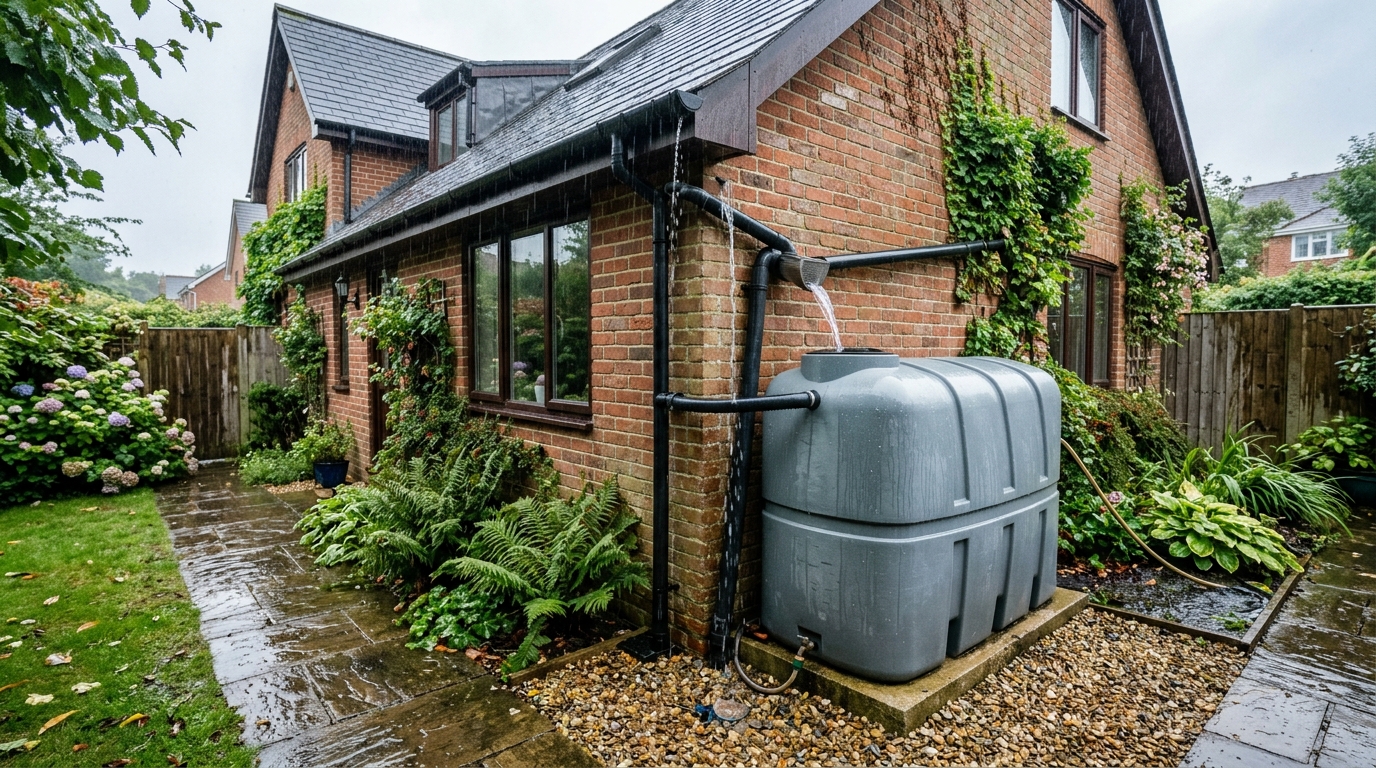
A rainwater harvesting system can cost about $120 for a basic 50 to 55-gallon barrel or more than $20,000 for a large underground system with treatment. For most professionally installed residential systems, plan on roughly $3,000 to $10,000. A low-cost DIY setup with one or more barrels may fit your budget at around $120 to $1,500, especially for garden use. It will not provide the storage, pressure, or treatment needed to supply an entire home.
If you want dependable irrigation, livestock water, or backup household storage, an above-ground cistern often falls in the $1,500 to $5,000 range before major site work and advanced treatment. A full off-grid setup costs more because it may include a large tank, pump, filters, disinfection, pressure controls, excavation, and indoor plumbing. Before choosing a system, decide how much water you need, where the tank will go, and whether the water is for plants, animals, toilets, laundry, or drinking. Those choices can change the budget quickly.
Do not judge the deal by the tank price alone. Request an itemized quote that includes gutters, first-flush equipment, screens, overflow piping, pumps, filters, electrical work, delivery, permits, excavation, installation, and future maintenance. Compare the complete system cost, not just the storage container, and leave room for unexpected site work. A barrel system makes sense for simple DIY watering, a professionally installed cistern suits larger storage needs, and a full off-grid setup is the serious investment for year-round independence.
What Will Your Rainwater System Cost?
A rainwater harvesting system can cost about $120 for a basic rain barrel or more than $20,000 for a large underground system with water treatment. For a professionally installed whole-home or substantial irrigation setup, budgeting $3,000 to $10,000 is a realistic starting point. Your final price will depend on tank size, excavation, plumbing, filters, pumps, permits, and how much work you handle yourself. Start with your actual water needs, then compare equipment and installation costs before buying anything.
A DIY setup can lower your upfront investment, but do not cut corners on safe storage, overflow control, or water treatment. Get written estimates for major work, leave room for maintenance, and check local rules before installation. If your project is part of a new water, landscaping, or sustainability business, review your business setup needs before moving forward. With a clear budget and the right system design, you can build greater water independence without getting trapped by surprise costs.
Frequently Asked Questions
1. What is the typical rainwater harvesting system cost?
You can spend about $120 for a basic 50 to 55-gallon rain barrel or more than $20,000 for a large underground system with treatment. For many professionally installed home or irrigation systems, a realistic budget is $3,000 to $10,000. Your final price depends on tank size, installation work, pumps, filters, plumbing, and your water goals.
2. How much does a DIY rainwater harvesting system cost?
A simple DIY setup usually costs about $120 to $300, especially if you are using one rain barrel to water plants. Multiple barrels, diverters, screens, overflow pipes, and connecting parts can raise the cost to $300 to $1,500 or more. DIY saves on labor, but you still need safe installation and proper overflow control.
3. What is the cost of a professionally installed rainwater system?
Plan on roughly $3,000 to $10,000 for a professionally installed irrigation or whole-home system. That range can climb when you add excavation, a large tank, difficult roof layouts, electrical work, extra plumbing, or water treatment. Get an itemized quote so you can see exactly where your money is going.
4. Which costs affect the price of a rainwater harvesting system the most?
Tank size is a major cost factor, but it is not the whole story. Excavation, site preparation, pumps, filters, plumbing, permits, electrical connections, and soil conditions can add thousands to the project. A smaller, above-ground system is usually cheaper than a large underground setup that needs digging and site restoration.
5. Is an above-ground or underground rainwater tank cheaper?
An above-ground tank usually costs less because installation is simpler and excavation is limited. An underground tank saves space and can look cleaner, but digging, heavy equipment, connections, and restoring the property can sharply increase the bill. Choose underground storage for a clear space or appearance benefit, not because it automatically offers better value.
6. Does using rainwater for drinking or household needs increase the cost?
Yes. Watering a garden or landscaping generally needs basic screening and filtering, while toilet flushing, laundry, or drinking requires more advanced treatment and tighter system controls. These added filters, pumps, plumbing connections, testing, and maintenance can push the project well above the cost of a basic irrigation setup.
7. What extra costs should you budget for after installation?
Set aside money for filter changes, pump service, tank cleaning, inspections, electricity, and occasional repairs. You may also need permits or professional water testing, depending on your location and how you plan to use the water. Ask about maintenance costs upfront because the cheapest system to buy is not always the cheapest system to own.