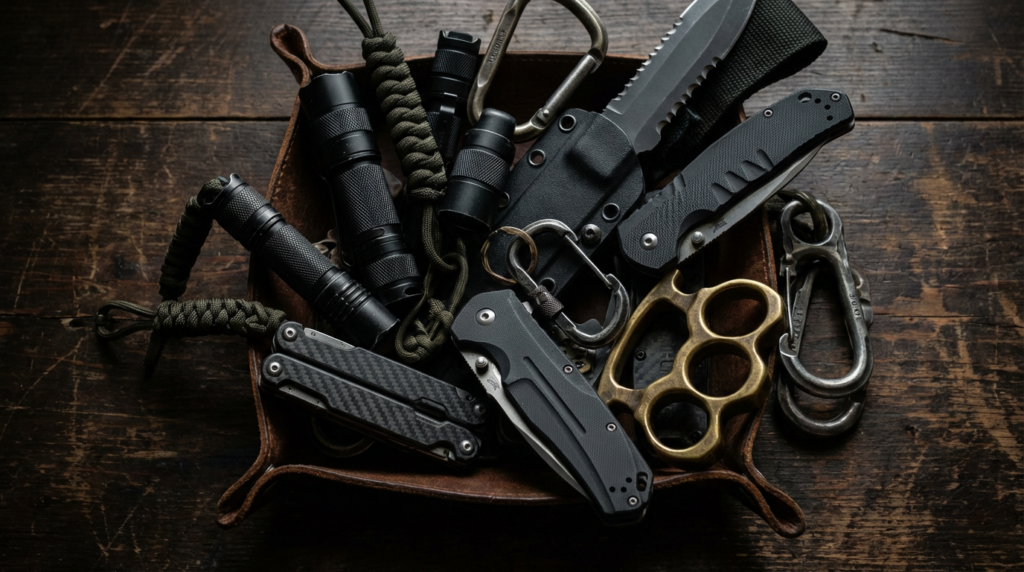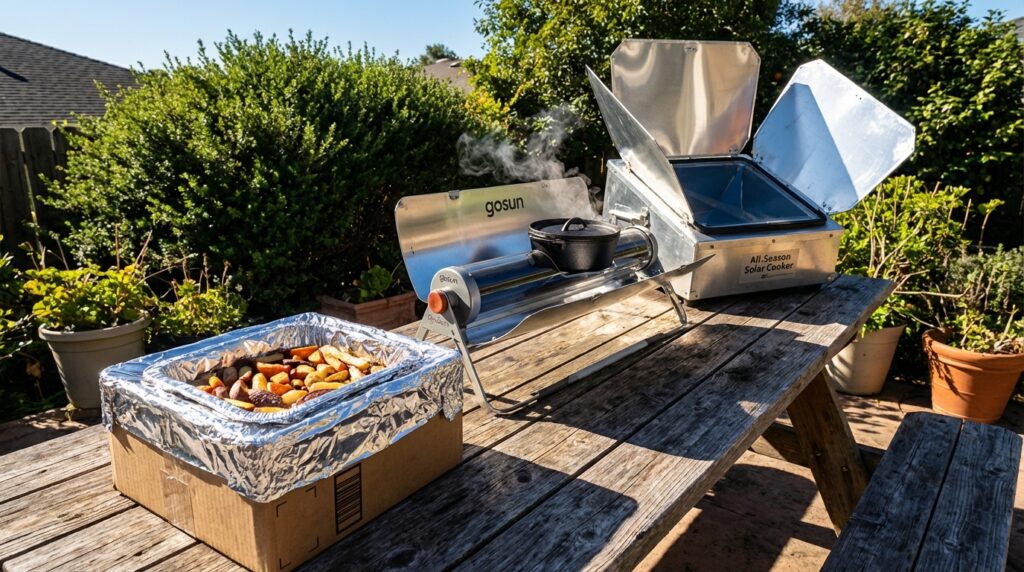
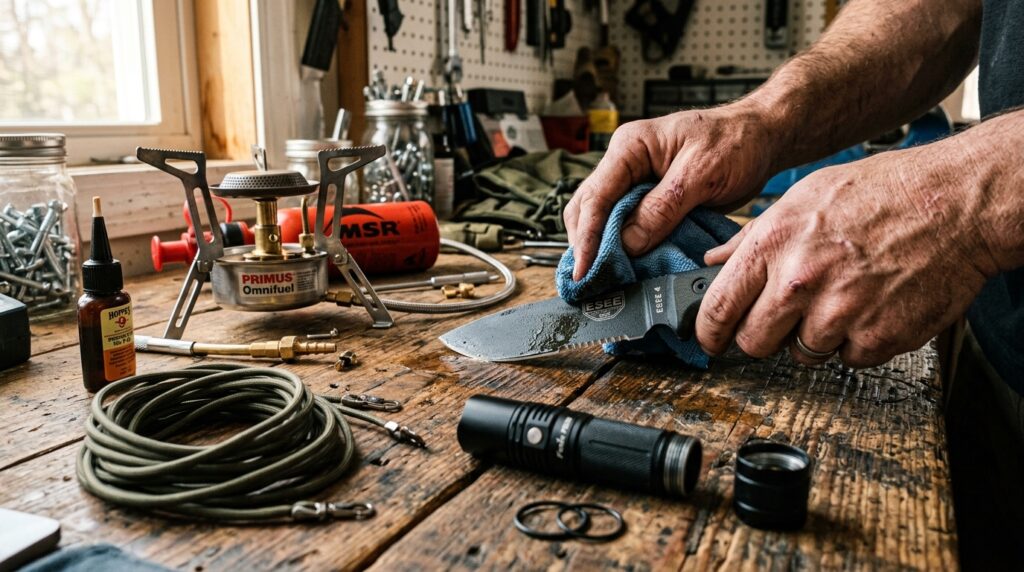
You bought the gear, tossed it in a bag, and now you think you’re ready for the end of the world. That “buy and forget” mentality is a death trap waiting to happen when your life is actually on the line. Mastering a few survival gear maintenance tips is the difference between a tool that saves you and a piece of junk that fails when gravity gets real.
We’ve seen every flashy sales page promising “indestructible” tech, but the truth is everything breaks if you treat it like garbage. From backflushing filters to checking for microscopic leaks in your safety gear, proactive care is your real insurance policy. Stop trust-falling on marketing hype and start interrogating your kit to make sure it actually works when the lights go out.
Key Takeaways
- The ‘buy and forget’ mentality is a death trap; gear reliability is not a one-time purchase but a status earned through consistent inspection and maintenance.
- Water filters and hydration bladders require aggressive backflushing and total dehydration to prevent bacterial colonies and mold from ruining the equipment.
- Electronics must be interrogated every six months by rotating batteries and live-testing solar chargers to ensure they provide actual power rather than just status lights.
- Critical safety gear, such as inflatable vests and technical fabrics, requires data-driven maintenance like weighing CO2 canisters and using specialized cleaners to preserve life-saving functionality.
Servicing Water Filters And Hydration Bladders
Proper water filtration gear is a serious investment in your survival, but it is not a set it and forget it tool. If you let your filter sit with gunk inside, you are basically inviting bacterial colonies to move in and ruin the device. To keep the flow rate high, you need to backflush these units vigorously with the provided syringe until the water comes out crystal clear. Do not just give it a weak squirt and call it a day, because you need enough pressure to dislodge the tiny particles trapped in the hollow fiber membranes. This simple habit ensures that when you actually need a drink in an emergency, you are not struggling to suck water through a clogged straw.
Preventing mold growth inside your hydration bladder is the next step in protecting your health and your wallet. After every trip, you should wash the reservoir with warm soapy water and use a specialized brush to scrub the inside of the long delivery tube. The real secret to long term storage is making sure the unit is bone dry before you tuck it away in your kit. You can use a dedicated drying rack or even a clean kitchen whisk to keep the bladder walls apart so air can circulate freely. If you skip this step, you will likely find a fuzzy green surprise the next time you gear up, forcing you to buy a replacement you could have easily avoided.
Restoring Blade Edges And Preventing Tool Corrosion
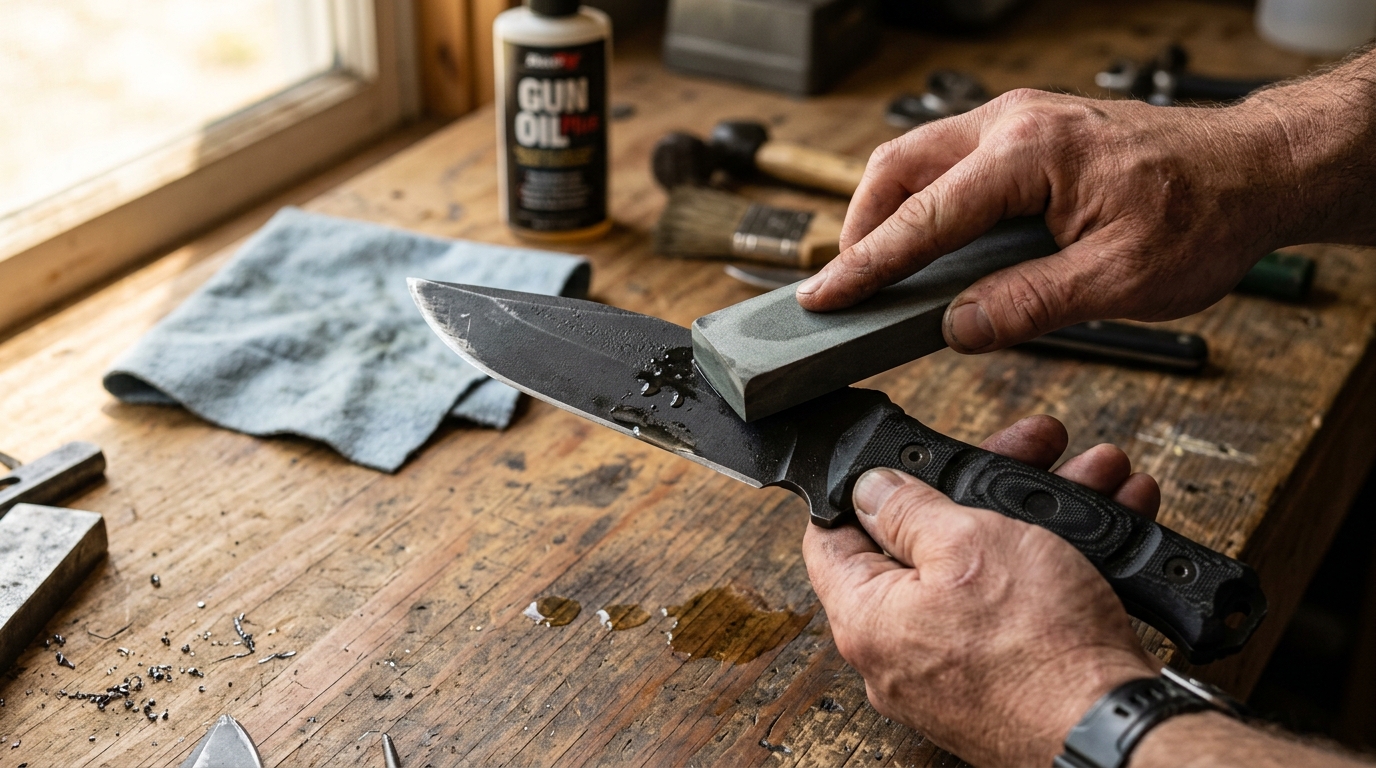
You spent a decent chunk of change on your emergency kit, so it is time to stop treating your tools like disposable junk. When you are looking for a blade that can actually survive an emergency without turning into a rusted mess, you need to look at high-end powder metallurgy steels. This material is a total shift in quality because it balances insane toughness with a level of corrosion resistance that practically laughs at salt water and humidity. While other steels force you to choose between holding an edge and staying clean, this alloy lets you have both without the constant babysitting. It is the gold standard for anyone who wants a reliable knife that will actually show up to work when things go sideways.
Multi-tools are a different beast because all those moving parts and hidden crevices are basically magnets for moisture and grit. You need to get into the habit of applying a high quality synthetic oil to the pivot points and locking mechanisms to keep them from seizing up. Do not just drown the tool in grease, as a light coating is all you need to create a barrier against the elements. If you let your pliers rust shut now, you are going to be fighting a losing battle when you actually need to use them in a high pressure situation. Regular lubrication ensures that every component slides out smoothly and performs exactly how it was designed.
Maintaining your gear is not just about being tidy, it is about protecting a critical investment that your life might depend on one day. We have all seen those cheap tools that crumble after one rainy afternoon, but quality gear stays functional as long as you put in the effort. Take ten minutes every few months to inspect your edges for chips and wipe down the metal surfaces with a protective cloth. This proactive approach saves you from the frustration of discovering a broken tool right when the lights go out. Real preparedness means knowing your equipment is ready to go the moment you reach for it.
Testing Emergency Electronics And Battery Health
You cannot afford to treat your emergency electronics like a simple kitchen gadget. Batteries are volatile chemical soup, and if you leave them sitting in your drawer for years, they will eventually leak or lose their ability to hold a charge. The six month rule is your absolute line in the sand for rotating batteries and power sources. Every half-year, you need to pull those batteries out, test their voltage, and swap them into your daily-use devices while putting fresh ones into your kit. This simple habit ensures that when the lights go out, you are holding a working flashlight instead of a corroded paperweight.
Testing your solar chargers is about more than just seeing if the little green light turns on. You need to take those panels outside on a clear day and actually plug in a device to monitor the charging speed. Dust, micro-scratches, and degraded wiring can quietly tank your efficiency, leaving you with a panel that takes three days to charge a single phone. Clean the surfaces with a soft cloth and check the ports for any signs of oxidation or grit. If your gear cannot perform at peak capacity during a sunny afternoon test run, it will certainly fail you when the weather turns sour.
Protecting your investment means being honest about the lifespan of your tech. High-quality storage solutions, like hardshell cases or Faraday bags, are great for physical protection, but they do not stop the natural discharge of a lithium battery. Always store your batteries separately from the device to prevent “vampire draw” from sucking them dry while they sit in storage. We have seen too many expensive units ruined by a single cheap battery that leaked acid all over the internal circuitry. Taking ten minutes twice a year to interrogate your emergency home power supply is the only way to guarantee your survival gear actually works when you need it most.
Cleaning Technical Fabrics And Inspecting Inflatable Gear
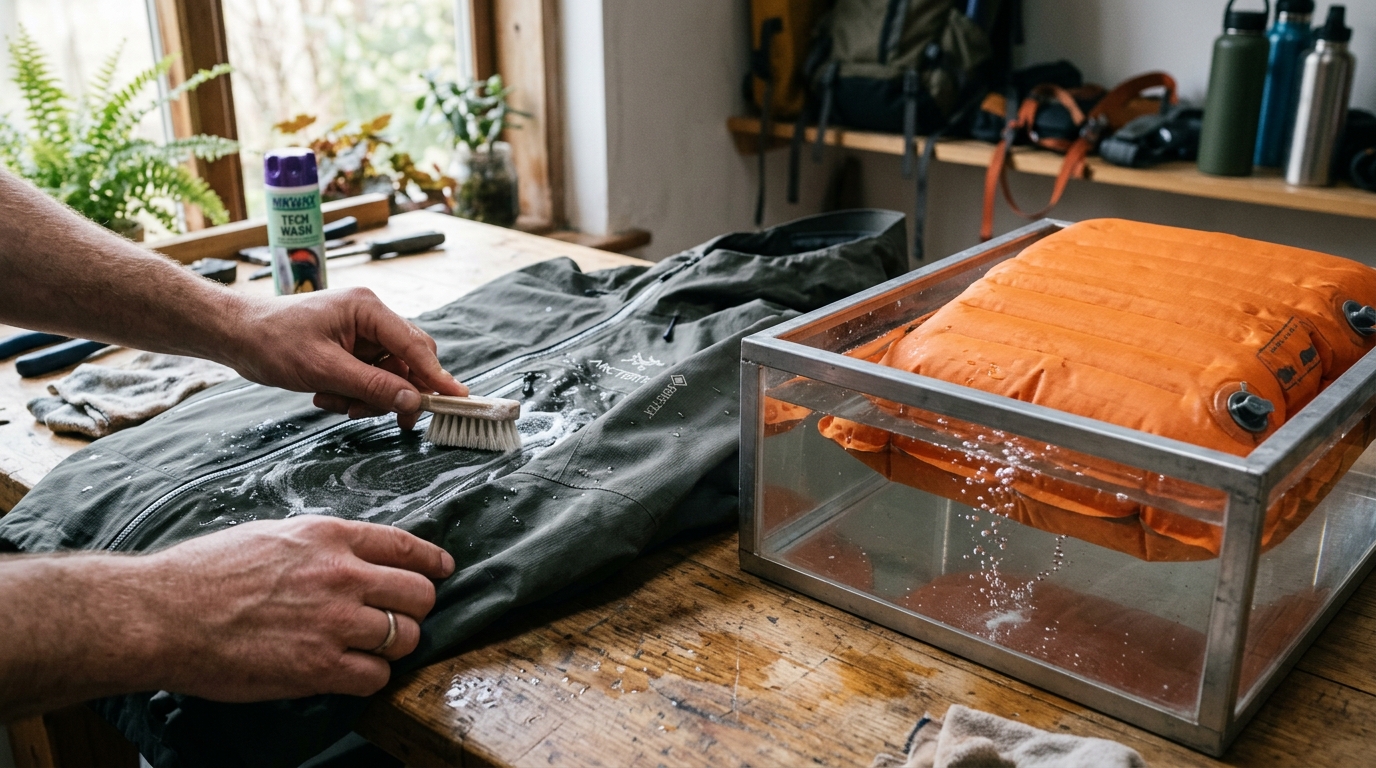
Maintaining your high-end survival apparel requires more than just a quick toss in the washing machine with standard detergent. Those expensive down jackets and technical shells feature specialized coatings and delicate feathers that regular soaps can actually strip away, ruining the loft and heat retention you paid for. You need to use specialized cleaners that preserve the natural oils in down and keep the outer fabric breathable. It is about protecting your investment so the gear actually performs when the temperature drops. If you treat your insulation like a common t-shirt, you are essentially throwing money away and risking your safety in the field.
Inspecting your inflatable vests is another area where you cannot afford to be lazy or rely on a quick visual check. While the vest might look pristine on the outside, the CO2 cylinder hidden within could have a slow leak that renders the entire unit useless. You must unscrew the cylinder and weigh it on a digital scale to ensure it matches the mass printed on the canister. If the weight is off by even a few grams, that cylinder is a duo and needs immediate replacement. This data-driven approach is the only way to guarantee that your safety gear will actually inflate when you hit the water.
Reliability in an emergency is not a matter of luck, but a result of the disciplined maintenance routines you establish today. Every piece of gear in your kit has a shelf life, and ignoring these small details is how equipment failure happens at the worst possible moment. By taking a few minutes to weigh your cylinders and wash your fabrics correctly, you transform from a casual buyer into a prepared survivor. High-quality storage solutions and proactive care ensure that your gear remains in peak condition for years. Do not wait for a crisis to find out your maintenance was insufficient because by then it will be too late.
Keep Your Gear From Quitting on You
Owning the best gear on the market doesn’t mean a thing if it fails you the second the grid goes down. True readiness isn’t something you buy once and check off a list, it is a status you earn through consistent care and attention to your tools. Whether you are scrubbing a water filter or checking your batteries for leaks, you are essentially buying insurance for your future self. Don’t let your investment turn into expensive junk just because you were too lazy to wipe down a blade or test a solar charger. Reliability is built in the quiet moments of maintenance, ensuring that when things get loud, your equipment actually works.
We have all seen the flashy marketing that promises indestructible tools, but the honest truth is that everything breaks without proper upkeep. Taking the time to sharpen your steel and cycle your power supplies separates the serious preppers from the gear collectors who just like playing dress up. You need to understand the real cost of survival gear by treating your kit like the life saving investment it is and keeping it organized and ready for immediate deployment. If you can manage your gear with the same precision you use for your health or your finances, you will never be caught off guard. You have worked hard to build your safety net, so make sure it is strong enough to actually catch you.
Staying prepared for the unexpected requires the same level of discipline you would use to manage your daily life and personal growth. If you are looking for ways to streamline your routine so you have more time for essential tasks like gear maintenance, you should check out professional meal prep services to save time and energy. Taking the guesswork out of your daily nutrition allows you to focus your energy on protecting your family and maintaining your emergency readiness. Discover how you can optimize your schedule so you can stay sharp, stay fueled, and keep your survival gear in peak condition for years to come.
Frequently Asked Questions
1. Won’t my water filter stay clean if I only use it with relatively clear water?
Don’t fall for that trap. Even clear water has microscopic particles and minerals that will gum up your filter over time. If you don’t backflush it vigorously after every use, you’re just waiting for a clog to happen when you’re most thirsty.
2. How do I keep my hydration bladder from smelling like a swamp?
Scrub the reservoir and the delivery tube with warm soapy water after every single trip. The real trick is making sure it is 100 percent dry before storage, so use a whisk or a drying rack to keep the walls apart and let the air do its job.
3. Is it really necessary to maintain gear that is marketed as indestructible?
Marketing teams love the word indestructible, but reality says everything breaks if you treat it like garbage. Proactive maintenance is your only real insurance policy against gear failure when your life is on the line.
4. What happens if I forget to clean my gear before putting it away?
You are basically rolling the red carpet out for bacteria and mold to colonize your kit. Leaving gunk in your filters or moisture in your bladders turns your expensive survival tools into useless, dangerous junk.
5. How much pressure should I use when backflushing my water filter?
Don’t give it a weak little squirt and think you’re done. You need to use enough force with the syringe to actually dislodge the particles trapped in the membranes until that water runs crystal clear.
6. Why can’t I just trust the gear straight out of the box?
Buying the gear is only the first step, not the finish line. You need to interrogate your kit and test it yourself because trusting marketing hype without verifying it works is a recipe for disaster.