

You’ve probably seen the flashy ads promising that AI-driven bots will do all the heavy lifting while you watch the profits roll in. It’s a tempting dream, but the reality of 2026 is a lot grittier: most people are losing money not because the tech failed, but because of common trading signal service mistakes. Even though most of us think we’re too smart to get fooled, nearly half of all traders still fall into the same expensive traps that wipe out their accounts in record time.
Stop treating these signals like a magic “get rich” button and start looking at them with a healthy dose of skepticism. If you’re blindly clicking “buy” without a plan, you aren’t trading, you’re gambling with a blindfold on. It’s time to bridge that gap between being overconfident and actually being protected by understanding how to execute with precision and discipline.
Key Takeaways
- High win rates are often marketing traps that hide catastrophic risks like lack of stop-losses or massive drawdowns. Focus on the risk-to-reward ratio and capital preservation rather than chasing a perfect success rate.
- Treating trading signals as magic buttons leads to failure; you must understand the underlying strategy logic to manage trades when market conditions shift. Blindly following alerts without verification is gambling rather than disciplined trading.
- Success requires precise execution and strict adherence to risk management, such as the 2% rule, to prevent a single bad trade from wiping out an account. Even the best signals are worthless if you chase entries late or over-leverage your positions.
- Identify shady signal providers by spotting generic bot-driven reviews and unrealistic, perfectly linear equity curves. Demand verified third-party data and transparency regarding losses instead of trusting fabricated success stories.
Avoiding The Trap Of High Win Rate Marketing
Don’t let that shiny 90% win rate on a sales page fool you into thinking you’ve found a money printer. In the world of crypto and trading signals, these massive numbers are often marketing traps that hide a giant red flag for a strategy that ignores basic survival. Many providers achieve these stats by “grid trading” or refusing to use stop-losses, meaning they win small often but eventually let one bad trade wipe out your entire account. It is easy to look like a genius in a bull market, but these high win rate systems usually crumble the moment the trend shifts. You aren’t looking for a perfect score, you are looking for a strategy that actually manages risk when things go sideways.
You need to interrogate the math behind those claims before you hand over your hard earned capital. A service boasting a near perfect success rate is often hiding a massive drawdown, which is the “underwater” period where your balance drops significantly. If a provider wins nine times for ten dollars each but loses a thousand dollars on the tenth trade, that 90% win rate is actually a fast track to bankruptcy. We have seen too many traders get blinded by the marketing fluff only to realize their account is empty because they chased a “guaranteed” number. True trading success is about how much you keep, not just how many times you happen to be right.
Instead of hunting for an impossible win rate, focus on the risk to reward ratio of every signal you take. A professional trader can be wrong half the time and still make a fortune if their wins are significantly larger than their controlled losses. The trap of high win rate marketing relies on your desire for certainty, but the market is never certain. We want you to stop being a target for these flashy headlines and start looking for transparency and realistic expectations. When a service admits they take losses but shows you how they protect your downside, that is when you know you have found something worth your time.
Stop Blindly Following Signals Without Strategy Logic
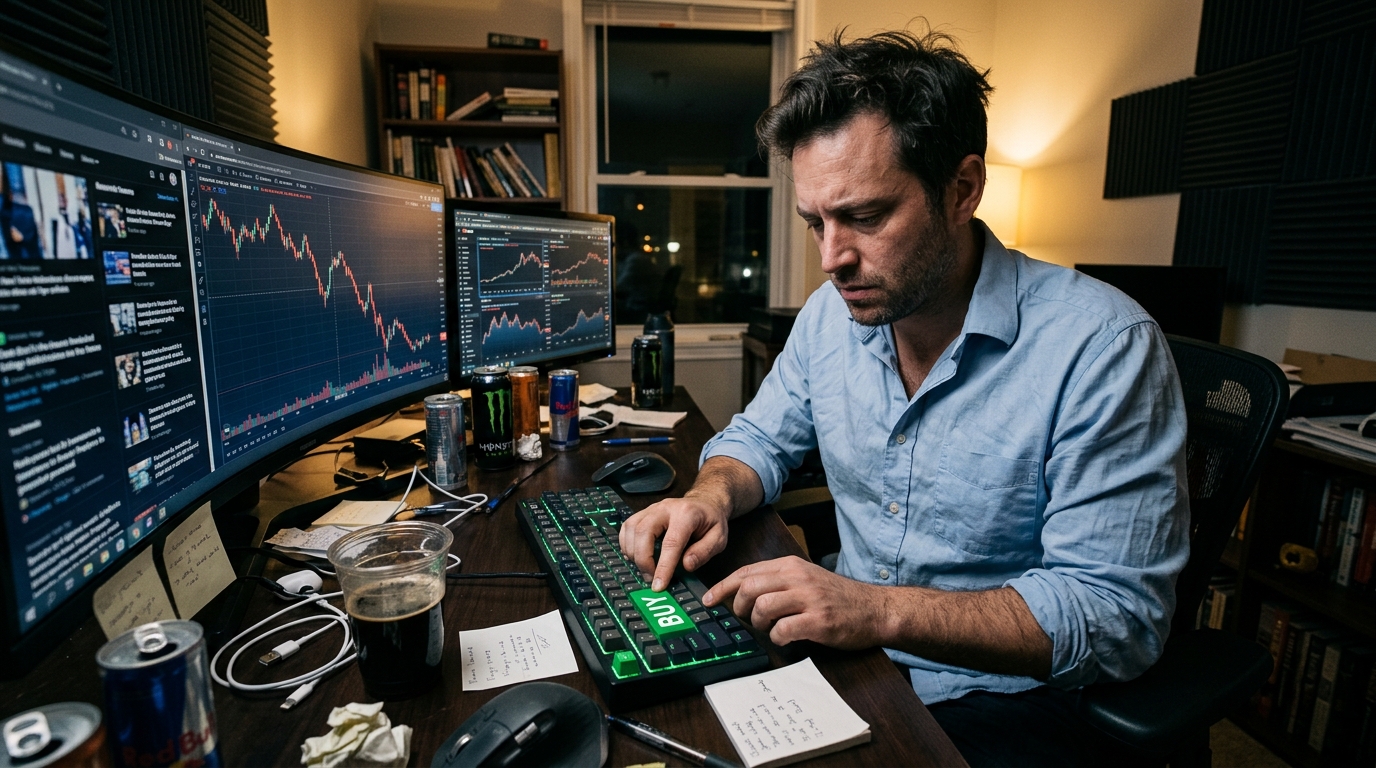
You are setting yourself up for a massive headache if you treat a trading signal like a magic command rather than a piece of data. Most people jump into a trade the second their phone pings because they are terrified of missing out on a quick profit. This blind obedience is exactly how accounts get wiped out when the market suddenly decides to flip the script. If you do not understand why a trade was called, you will be left holding the bag when the logic behind that signal no longer applies to the current price action.
Think of a signal provider as a GPS that sometimes glitches and tries to lead you off a cliff. You still need to keep your eyes on the road and understand the basic rules of the path you are traveling. When you ignore the strategy logic, you lose the ability to manage the trade if things start going sideways before hitting your target. Successful traders use signals to find opportunities, but they always verify the “why” to ensure the move actually makes sense for their specific risk tolerance.
Blindly following an alert without knowing if it is a trend-following move or a risky mean-reversion play is a recipe for disaster. Market conditions shift constantly, and a strategy that worked perfectly yesterday might be completely useless during a high-impact news event today. You need to interrogate every alert and ask yourself if the setup aligns with a proven methodology that you actually trust. Taking ownership of your trades is the only way to bridge the gap between being a lucky gambler and becoming a resilient, long-term winner.
Fixing Costly Signal Execution And Timing Errors
Timing is everything in the fast-paced world of crypto, and even the most accurate signal is worthless if you catch it late. When a provider drops a trade alert, they are usually targeting a specific price window that closes faster than you might think. Waiting just five minutes to put your phone down or finish a task can turn a high-probability win into a dangerous chase. You end up entering at a much worse price, which completely ruins your risk-to-reward ratio and leaves you vulnerable to the first sign of a pullback.
Ignoring the golden rule of risk management is the fastest way to blow your account, regardless of how good the signals are. Many traders get overconfident after a few wins and start ignoring the 2% rule, putting way too much capital into a single position. In the volatile markets of 2026, over-leveraging remains the number one reason people lose everything while following a service that is actually profitable. You have to treat your trading like a business by keeping your position sizes consistent and your emotions in check.
Blindly following a notification without understanding the logic behind it is a recipe for disaster when market conditions shift. If you do not know why a trade was called, you will not know how to react if the price starts moving sideways or hits a minor speed bump. Taking the time to interrogate the strategy behind the alert helps you build the resilience needed to stay calm during fluctuations. True success comes from using these services as a tool for growth rather than a magic button that does all the thinking for you.
Spotting Red Flags In Shady Signal Provider Reviews
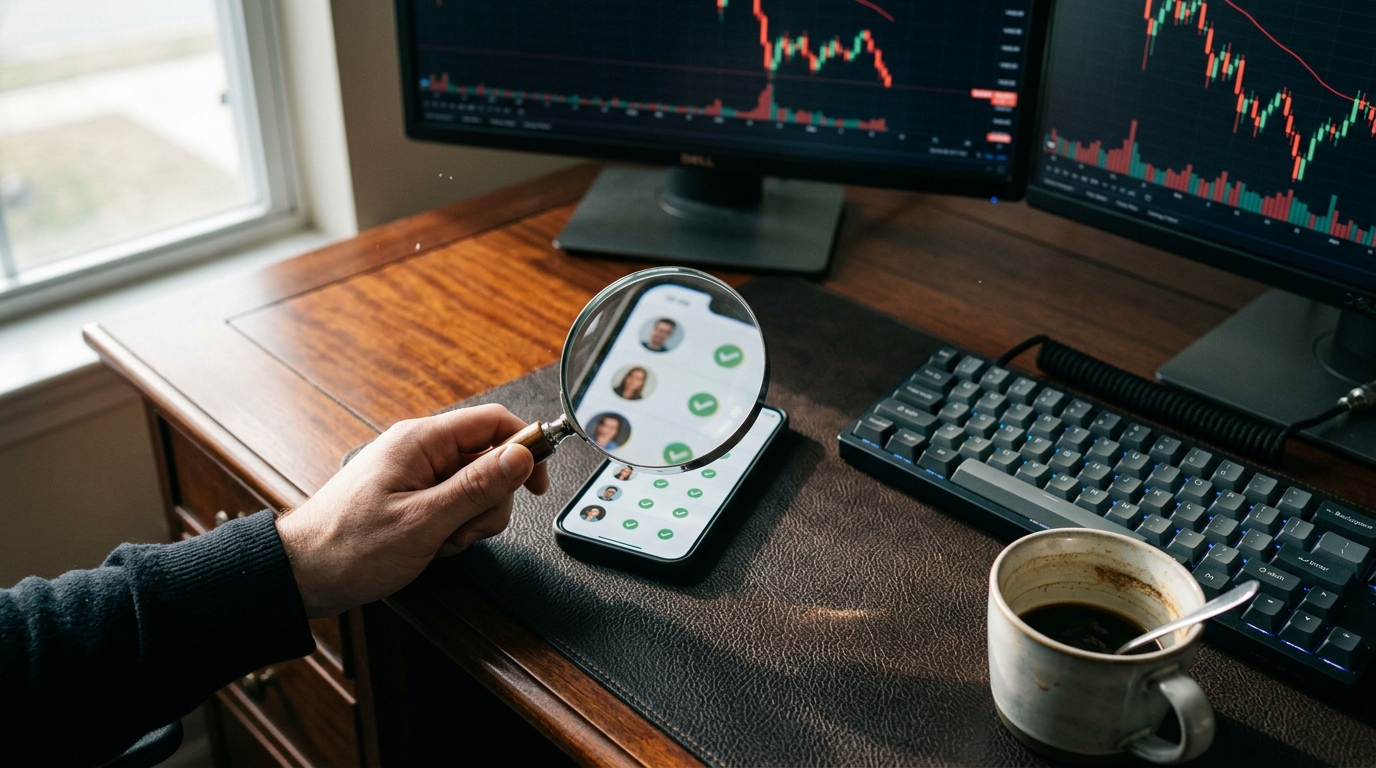
You need to develop a sharp eye for the generic, glowing reviews that litter the comment sections of shady signal providers. If every testimonial looks like it was written by the same person using the exact same buzzwords, you are likely looking at a farm of bot-driven reviews designed to drain your wallet. Real trading is messy and involves losses, so be immediately suspicious of any service where every single user claims to have become a millionaire overnight. These scammers often use stolen photos and fabricated success stories to create a false sense of security for newcomers. Always look for specific, nuanced feedback that mentions both the wins and the inevitable drawdowns that come with any legitimate strategy.
The equity curve is another area where these providers love to play make-believe with your potential future. A line that goes straight up at a forty-five degree angle without a single dip is a mathematical fantasy in the volatile world of modern markets. Most of these “too good to be true” charts are back-tested with perfect hindsight or cherry-picked to hide the moments where the account actually blew up. You should demand to see verified third-party data rather than a screenshot of a spreadsheet that anyone could have typed up in five minutes. If the provider refuses to show real-time transparency, they are essentially asking you to gamble on their honesty.
You must treat signals as a helpful data point rather than a magic button that prints money. Relying blindly on a notification without understanding the underlying logic is a fast track to a zero balance when the market regime inevitably shifts. Using these tools should be about enhancing your own analysis and keeping you disciplined, not replacing your brain entirely. Long-term success comes to those who take ownership of your trades and use providers as a supplement to a solid personal foundation. Stay skeptical, keep your position sizes small, and never let a flashy marketing page override your common sense.
Stop Treating Signals Like Magic Buttons
Trading crypto signals in 2026 requires more than just a funded account and a dream. You have seen how easy it is to get tripped up by slow execution, messy risk management, and the trap of following alerts without actually understanding the “why” behind them. Most traders fail because they treat these services like a magic button rather than a tool that requires discipline and a sharp eye. If you are not careful, you are just handing your hard earned capital over to the market on a silver platter. It is time to stop being the liquidity for someone else’s exit strategy and start questioning what you should pay for every “guaranteed” win you see on your screen.
The gap between feeling confident and actually being resilient is where most people lose their shirts. Even with AI driving the latest data, your human emotions and mistakes like over-leveraging are still the biggest threats to your portfolio. You deserve the honest truth about which providers are actually looking out for you and which ones are just noise designed to drain your wallet. We have done the heavy lifting to separate the real experts from the marketing ghosts who disappear when the market turns red. To ensure you are making the smartest moves possible, take a moment to explore signal service reviews and discover how to avoid the common pitfalls that wreck most accounts.
Frequently Asked Questions
1. Why is a 90% win rate actually a warning sign?
High win rates are often a trap used to hide massive risks like grid trading or skipping stop-losses. You might win small nine times only to have one massive loser wipe out your entire account. Real trading is about managing the downside, not chasing a perfect score that doesn’t exist in the real world.
2. What is a drawdown and why should I care?
Drawdown is the amount of money your account loses during a losing streak before it returns to its peak. A service can have a high win rate but still have a 50% drawdown, which means you could lose half your money waiting for a win. You need to interrogate the math to ensure the recovery time won’t break your bank or your spirit.
3. Can I just use an AI bot to do all the work for me?
Treating an AI bot like a magic button is the fastest way to turn your portfolio into a memory. Technology is a tool for execution, but you still need a plan and the discipline to supervise the strategy. If you blindly click buy without understanding the risk, you are just gambling with a digital blindfold on.
4. How do I know if a signal provider is actually legit?
Look past the flashy ads and interrogate their historical data for transparency and realistic risk management. A legitimate provider focuses on how much you keep during a market crash, not just how much you make during a bull run. If they promise guaranteed profits with zero effort, they are selling a dream that will likely end in a nightmare.
5. What is the biggest mistake new traders make with signals?
The most expensive mistake is overconfidence and ignoring basic risk management rules. Most people lose money because they fail to use stop-losses or they bet too much of their account on a single signal. You have to bridge the gap between following a lead and actually protecting your capital with precision.
6. Is it possible to make money with trading signals in 2026?
Yes, but only if you stop looking for a money printer and start acting like a disciplined manager. You need to verify the strategies behind the signals and ensure they can survive when the trend shifts. Sometimes, finding the right professional guidance is more effective than chasing alerts alone. Use signals as a data point in your plan rather than a total replacement for your own common sense. Before committing to any automated tool, it is vital to understand refund policies to ensure you can exit a bad subscription without losing more than you bargained for.