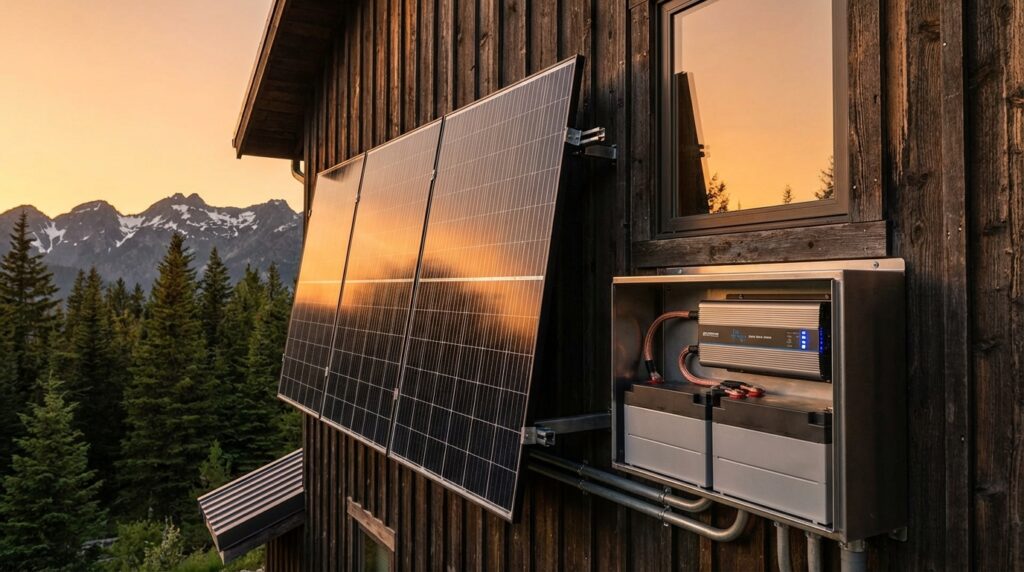
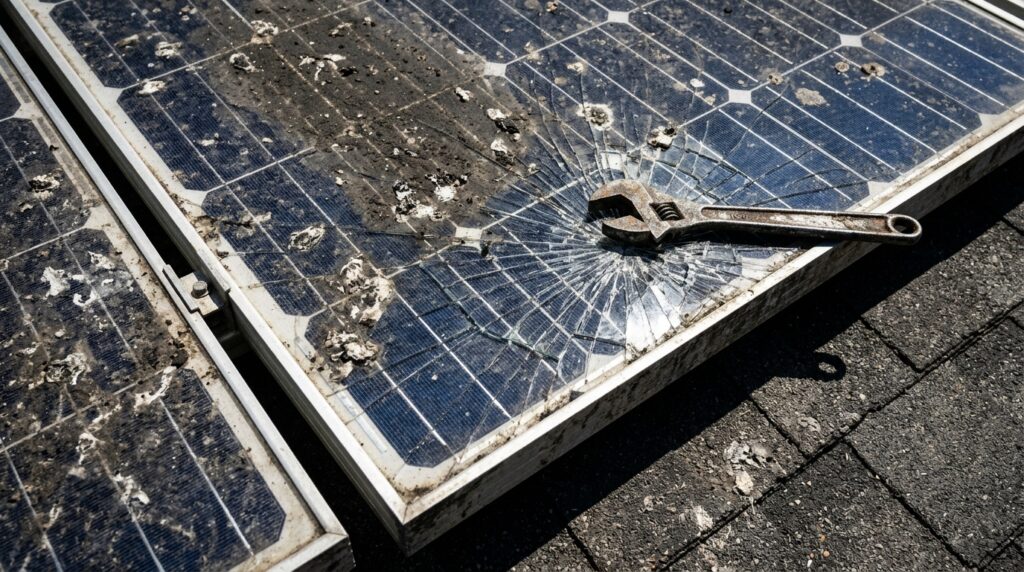
You’ve invested a small fortune in your roof to slash those energy bills, but a few simple solar panel maintenance mistakes could turn your high-tech setup into an expensive pile of glass. It’s easy to think you’re doing a good deed by scrubbing them down, but one wrong move can crack seals or void your warranty entirely. Most homeowners accidentally kill their system’s efficiency while trying to save it.
Stop treating your panels like a dirty driveway and start treating them like the sensitive electronics they are. Using high-pressure water or cleaning them under the blazing midday sun can cause permanent damage that no quick fix will solve. You need the straight truth on what actually works so you don’t end up flushing your return on investment down the gutter.
Key Takeaways
- Never use high-pressure washers or abrasive scrubbing tools, as they destroy protective coatings, compromise electrical seals, and cause invisible micro-cracks that ruin system efficiency.
- Clean panels only during the early morning or late evening to prevent thermal shock, which can cause hot glass to shatter instantly when touched by cool water.
- Avoid walking on solar panels at all costs; the localized pressure causes microscopic cell fractures and ‘hot spots’ that lead to permanent hardware failure and voided warranties.
- Maintain the system’s ‘brain’ by ensuring the inverter has proper airflow and regularly monitoring software for error codes or performance dips.
Stop Power Washing Your Solar Glass
You might think that blasting your solar panels with a high-pressure hose is the fastest way to get them sparkling, but you are actually flirting with disaster. Those powerful jets of water are designed to strip grime off concrete, not care for sensitive energy equipment. When you hit your panels with that kind of force, you risk blowing out the specialized seals that keep the internal electronics bone-dry. Once those seals fail, moisture creeps into places it was never meant to go, leading to corrosion that kills your power output. It is a high-stakes gamble that usually ends with a dead system and a very expensive repair bill.
Manufacturers are smarter than you think, and they can spot water pressure damage from a mile away. If you force water into the electrical housing with a power washer, you can say goodbye to your warranty coverage instantly. Most companies consider this user-induced neglect, meaning you are on the hook for every cent of the replacement costs. Beyond the seals, that intense pressure can create micro-cracks in the tempered glass that you cannot even see with the naked eye. These tiny fractures grow over time as the panels heat up, eventually shattering the surface and ruining your entire investment.
Keeping your off-grid setup in peak condition does not require heavy machinery or aggressive tactics. Stick to a gentle flow from a standard garden hose and a soft brush specifically designed for solar glass to avoid stripping away expensive anti-reflective coatings. If you are worried about your efficiency dropping, look into smart monitoring software or specialized cleaning kits that do the job without the risk. You worked hard to fund your energy independence, so do not let a five-minute shortcut turn into a permanent system failure. It is much better to spend a little extra time cleaning safely than to spend thousands replacing a ruined array.
Avoiding Thermal Shock And Abrasive Scrubbing
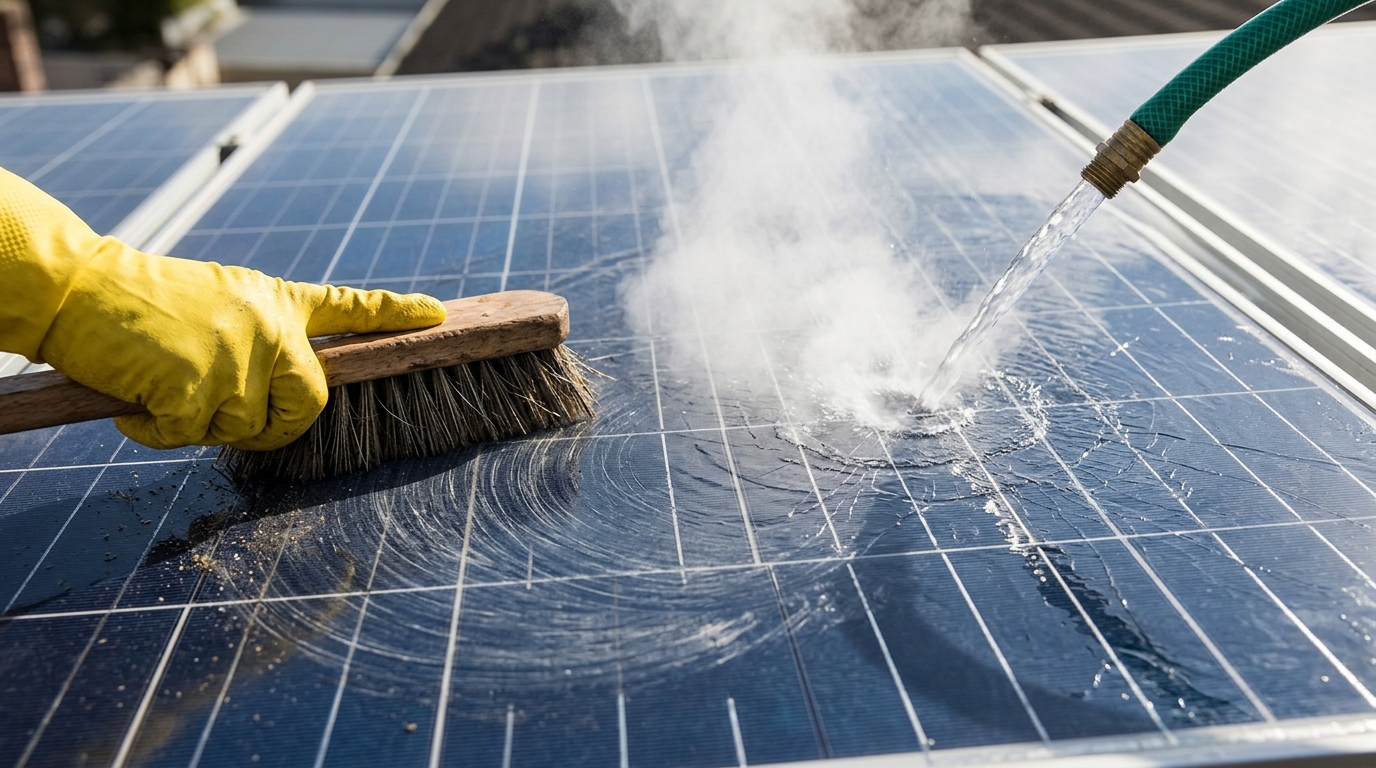
You might think you are doing your off-grid investment a favor by scrubbing those panels under the high noon sun, but you are actually flirting with a costly disaster. When you spray cold water onto glass that has been baking in the heat all day, you risk a phenomenon called thermal shock that can cause the entire surface to shatter instantly. It is a heartbreaking sight to see a high-performing array ruined in seconds just because of bad timing. To keep your warranty intact and your cells safe, always schedule your cleaning for the early morning or late evening to prevent thermal shock which protects the structural integrity of your system without costing you a dime in repairs.
The truth about those expensive anti-reflective coatings is that they are far more delicate than the marketing brochures lead you to believe. If you reach for a rough sponge, steel wool, or even a stiff-bristled brush, you are essentially sanding away the very technology that helps your panels soak up the sun. Once that specialized coating is scratched or stripped, your energy production takes a permanent dive that no amount of sunlight can fix. Stick to soft microfiber cloths or specialized soft-wash tools to ensure you are removing dirt rather than destroying your equipment. Avoiding abrasive materials is the easiest way to ensure your hardware actually lasts for the twenty-five years you were promised.
Harsh household chemicals like bleach, ammonia, or even some heavy-duty dish soaps are another trap that can lead to long-term efficiency losses. These aggressive cleaners can leave behind a cloudy residue or chemically react with the panel frame seals, leading to moisture intrusion and internal corrosion. You do not need a laboratory-grade concoction to get the job done when plain deionized water or a gentle, solar-specific solution works best. Modern maintenance is about being smart and gentle rather than using brute force or toxic liquids. By treating your panels with a bit of respect, you ensure that every photon hitting your roof is converted into usable power for your home.
The Invisible Damage Of Walking On Panels
Treating your solar panels like a rooftop sidewalk is one of the fastest ways to turn your high-end investment into a piece of expensive junk. While the glass on top feels sturdy enough to support your weight, it was never designed to handle the localized pressure of a human foot. Every time you step down, you are flexing the delicate silicon cells beneath that glass and causing them to snap. You might not see a visible crack on the surface, but underneath the skin, the damage is catastrophic and permanent. These microscopic cell fractures act like tiny roadblocks for electricity, forcing the current to work harder just to move through the panel.
These invisible breaks eventually create what experts call hot spots, which are concentrated areas of heat that can literally cook your system from the inside out. As these spots get hotter, they degrade the surrounding materials and can lead to a total system failure that leaves you back on the grid. Most homeowners do not realize anything is wrong until they see a massive dip in their energy production or a burnt mark on the back of the module. By then, the damage is done and your manufacturer warranty is likely void because of the physical abuse. You want to keep your boots on the shingles and off the glass if you actually care about your long term ROI.
Instead of risking your safety and your gear by climbing onto the array, you should focus on smart, hands-off maintenance strategies. High quality cleaning kits with long reach poles allow you to clear away debris without ever putting a pound of pressure on the cells. You can also use data-driven monitoring software to track your output and catch performance dips before they turn into a total blackout. Keeping your system running at peak efficiency does not require brute force or risky maneuvers. Smart owners know that the best way to protect their off-grid freedom is to treat their panels with the same respect as any other precision electronic device.
Monitoring Inverter Health And System Software
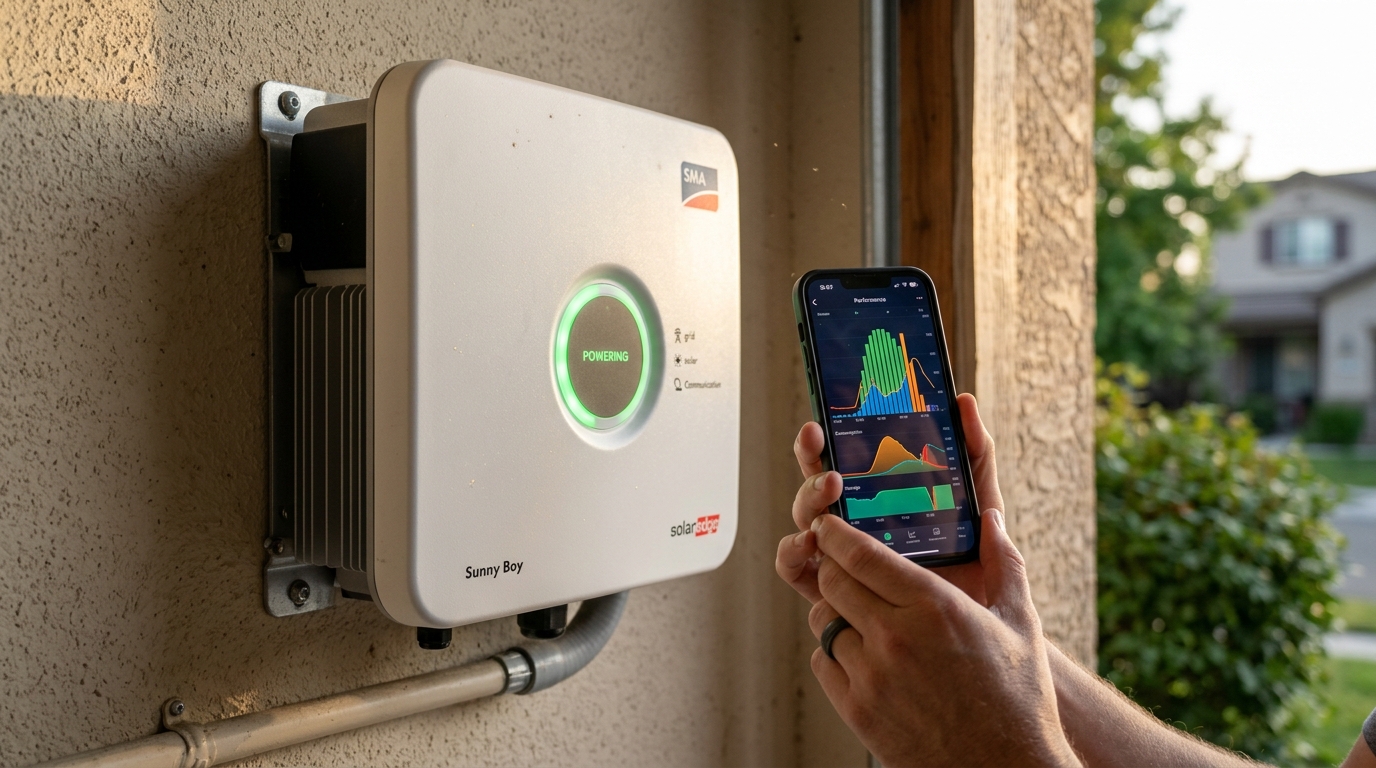
Forget about the glass for a second because your inverter is the actual brain of your entire off-grid setup. A common blunder many homeowners make is tucking the inverter into a tight, dusty corner of the garage or a shed without any airflow. These units generate serious heat while converting power, and if you let dust clog the cooling fins or block the vents, you are basically asking the hardware to cook itself. Check your mounting area regularly to ensure there is at least a few inches of breathing room on all sides. If you notice the fans sounding like a jet engine or the casing feels burning hot to the touch, you need to clear the debris before the internal safety switches fail.
You also need to stop ignoring those blinking lights and actually check your system software. Modern inverters use error codes to tell you exactly when a string is underperforming or if there is a ground fault. Many people lose out on months of power simply because they never bothered to sync their monitoring app or check the digital display for warning flags. Make it a habit to log in once a week to verify that your firmware is up to date and that your production curves look consistent. Catching a software glitch early can save you from a total system shutdown that might require an expensive technician visit to reset.
Maintaining the digital side of your rig is just as vital as scrubbing the panels if you want to protect your investment. Software updates often include critical patches that improve efficiency and help your hardware communicate better with your battery bank. If you see a weird code popping up, do not just flick the power switch and hope for the best. Look up the manual, check your monitoring dashboard, and address the specific issue before it turns into a permanent hardware failure. Keeping the brains of your system cool and regularly monitoring software ensures you are getting every single watt you paid for without risking a fried circuit board.
Stop Trashing Your High-Tech Investment
Protecting your off-grid investment doesn’t require a degree in engineering, but it does demand that you stop treating your high-tech panels like a dirty driveway. You have spent thousands of dollars to secure your energy independence, so why risk it all by using a pressure washer or harsh chemicals that strip away expensive coatings? Keeping things simple is the ultimate hack for longevity, as long as you prioritize the right techniques over shortcuts. The goal is to reach that twenty-year milestone with a system that still pumps out power at peak efficiency. One wrong move with a garden hose on a boiling hot afternoon can shatter your dreams and your glass in seconds.
Investing in a dedicated solar maintenance kit is the smartest way to ensure you aren’t accidentally voiding your warranty while trying to be helpful. These specialized tools are designed to be gentle on anti-reflective surfaces while effectively removing the grime that chokes your energy production. You can find professional-grade cleaning solutions and soft-bristled brushes through trusted sources like httpsco to keep your gear in top shape. Choosing the right setup is as critical as deciding between a solar generator vs gas for emergency home power. Stop guessing with household rags and start using the equipment that actually respects the technology on your roof. If you are expanding your setup, you might even look into a solar oven price to get the best value for off grid meals. A little bit of the right care today ensures your system remains a reliable powerhouse for decades to come.
Frequently Asked Questions
1. Can I use a power washer to clean my solar panels?
Absolutely not. High-pressure water can blow out the specialized seals protecting the internal electronics and create invisible micro-cracks in the glass. You are basically inviting corrosion and a dead system if you treat your panels like a concrete driveway.
2. Is it okay to clean my panels during the middle of the day?
You should never clean your panels when the sun is at its peak. Cold water hitting glass that has been baking in the sun can cause thermal shock, which leads to the glass shattering instantly. Stick to early morning or late evening when the surface is cool to the touch.
3. Will power washing my solar panels void my warranty?
Yes, manufacturers can easily spot damage caused by high-pressure water. Most companies classify this as user-induced neglect, meaning you will be stuck paying for any repairs or replacements out of your own pocket. Keep the pressure low to keep your coverage intact.
4. What happens if water gets inside the solar panel seals?
Once those seals are compromised by high pressure, moisture seeps into the electrical housing. This leads to internal corrosion that slowly kills your power output and ruins your return on investment. It turns your expensive energy setup into nothing more than a pile of useless glass.
5. How should I safely remove stubborn dirt from my panels?
Forget the high-tech gadgets and stick to a gentle flow of water from a standard garden hose. Use a soft cloth or a specialized solar brush to lightly agitate the grime without putting stress on the glass or the seals. Treat your panels like sensitive electronics, not heavy machinery.
6. Are there any products that can help me maintain my energy independence?
If you want to stop relying on the grid and handle your own power needs safely, check out the ultimate guide to building your own off grid power system. It is a smart way to maximize your energy output without the headache of maintaining massive, fragile rooftop setups.
When calculating your long-term savings, don’t forget to factor in solar battery backup price considerations that could impact your total budget. Understanding these hidden costs is just as important as proper maintenance for your financial health. You might even find that the real cost of alternative energy sources makes solar the clear winner for your property.