
The days of relying on a single, overpriced all-in-one box for your remote work setup are officially dead. You’ve likely realized that putting all your trust in one provider is a fast track to a connectivity nightmare when you’re miles from civilization. Finding reliable nomad internet alternatives isn’t about chasing a magic bullet; it’s about building a bulletproof system of redundancy that actually works when you’re on the move.
You need a setup that cuts through the marketing fluff and delivers high-speed data without the hidden fees or broken promises. Whether you’re tethering for a high-stakes video call or authenticating bank codes from a beach, the goal is simple: instant, unbreakable access. We are stripping away the hype to look at the gear and tech that keeps you online, focusing on the tools that prioritize your freedom over a service provider’s bottom line.
Key Takeaways
- Ditch the ‘all-in-one’ provider model in favor of a decentralized redundancy system to ensure unbreakable connectivity while traveling.
- Utilize high-speed eSIMs to access local networks instantly, allowing you to bypass physical SIM cards and hidden roaming fees while keeping your primary number active for security codes.
- Invest in satellite hardware for reliable off-grid performance, eliminating the ‘tower lottery’ and providing a stable signal where traditional cellular networks fail.
- Deploy a portable travel router to bridge multiple data sources—such as satellite, eSIM, and local Wi-Fi—into a single, secure pipeline with automatic failover protection.
High Speed eSIM Solutions For Global Roaming
You are likely tired of the old bait and switch where a service promises high speed remote data only to throttle you the moment you actually try to work. The smart move is to ditch the bulky hardware and the all-in-one lies for a decentralized redundancy system that actually stays connected. High speed eSIM solutions have changed the game for anyone working off the grid or across borders because they eliminate the physical point of failure. You can activate a plan in seconds from your phone, keeping your home number active for those annoying bank codes while your data runs on a local, high speed lane. It is about getting the reliability of a local network without having to hunt down a kiosk in a foreign airport.
If you are a power user who treats every coffee shop or van build as a boardroom, you need a solution that does not cap your productivity. Unlimited data plans from professional providers allow you to tether your laptop for hours of video calls without sweating over a data meter. For those who are more budget conscious, streamlined digital SIM services offer an experience backed by major security experts, starting at prices that make traditional roaming look like a scam. These tools are built for the skeptical nomad who knows that a single connection is never enough. By stacking these digital SIMs, you create your own redundancy, ensuring that a dead zone in one country does not mean a dead day for your business.
The real beauty of this modern approach is the radical transparency in pricing and performance that we simply did not have a few years ago. You no longer have to sign a sketchy contract or deal with a company that might vanish overnight because you are in total control of your data source. We have interrogated these services and found that the best results come from using high-speed eSIMs as your primary mobile link while keeping a satellite backup for the truly remote stretches. This setup gives you the freedom to move without the anxiety of being disconnected from your clients or your team. It is time to stop settling for mediocre internet and start using the tools that actually respect your need for constant, high speed access.
Satellite Tech For Off-Grid Reliability
If you are tired of watching your video calls freeze the moment you drive twenty miles away from a major city, it is time to stop playing the lottery. Traditional cell signals are notoriously fickle because they rely on a terrestrial network that was never designed for the deep woods or rugged coastlines. Satellite technology has flipped the script by delivering a signal that comes from above rather than across the horizon. You no longer have to scout for a specific campsite just because it has two bars of LTE on a map. Instead, you get the freedom to work from literally anywhere with a clear view of the sky.
The real magic happens when you stop relying on a single point of failure and start building a redundant setup that actually works. Most serious nomads are now pairing satellite hardware with portable hardware to ensure they never miss a deadline. This approach cuts through the marketing fluff of unlimited plans that throttle your speeds into the stone age after a few gigabytes. You deserve a connection that handles heavy uploads and constant streaming without breaking a sweat. It is about taking back control of your schedule so you can spend more time exploring and less time hunting for a coffee shop with decent Wi-Fi.
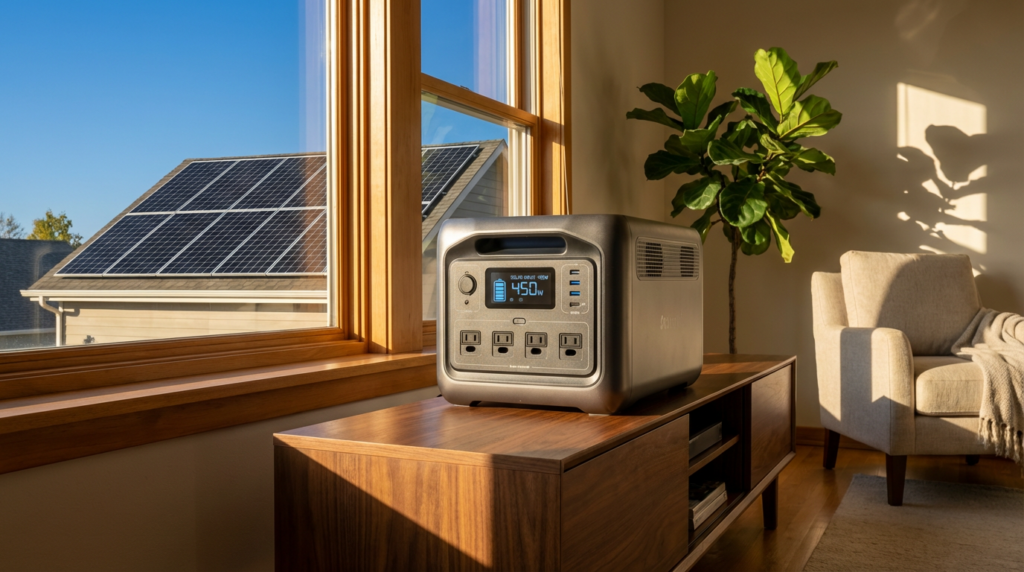
Investing in a reliable off grid power system is the ultimate insurance policy for your digital career and your sanity. While the initial hardware might seem like a jump, the payoff is a consistent office experience in places where your phone is nothing more than a paperweight. You are essentially buying the right to be unreachable by people you do not like, while staying perfectly connected to the work that pays for your lifestyle. High performing satellite gear has become the gold standard because it delivers on the promises that cellular providers have been making for years. It is the smartest move you can make if you want to turn the entire world into your personal workspace.
Portable Travel Routers And Multi-Network Redundancy
You are likely tired of crossing your fingers every time you join a video call from a new Airbnb or remote campsite. The secret to bulletproof connectivity is not relying on a single provider, but rather using a portable travel router to bridge multiple signals into one stable pipeline. These compact devices act as your personal command center, allowing you to pull in data from a local SIM card, a satellite terminal, and the local Wi-Fi simultaneously. By using a technique called load balancing or failover, the router automatically switches to the strongest signal if one source starts to flicker or lag. This means your Zoom call stays active even if your primary cellular tower gets congested or a cloud blocks your satellite view.
Setting up a redundant network might sound like something out of a tech thriller, but modern hardware makes the process incredibly simple for anyone to manage. You just plug your various data sources into the router and let the software handle the heavy lifting of merging those connections. This setup creates a private, encrypted bubble for all your devices, so you do not have to reconfigure your laptop, phone, and tablet every time you change locations. It is a one-time investment that pays for itself the first time you successfully finish a high-stakes presentation from the middle of nowhere. You get the freedom of the off-grid lifestyle without the constant anxiety of a dropping signal or a spinning loading icon.
Instead of hunting for the perfect all-in-one plan that probably does not exist, you are better off building a customized toolkit that adapts to your environment. Combining a high-speed satellite link with a budget-friendly local eSIM gives you a safety net that most standard travelers completely overlook. When one network hits a dead zone, your travel router keeps the data flowing through the secondary connection without you ever noticing a glitch. This strategy turns you into your own internet service provider, giving you the ultimate leverage over spotty infrastructure and restrictive data caps. You deserve a professional setup that matches your ambition, ensuring you stay productive no matter where you decide to park your laptop.
Ditch the Hype for Real Connection
After years of watching companies promise the moon and deliver a dial-up connection, the market has finally forced a reality check on how we stay online. You do not need a single, overpriced provider to keep your career afloat while you explore the world. The era of the all-in-one nomad plan is dead, replaced by a smarter strategy that puts you in control of your own signal. By ditching the flashy marketing and focusing on a mix of local eSIMs and reliable hardware, you can build a setup that actually works when you are off the grid. It is about being smart with your money and refusing to pay for empty promises that fail the moment you cross a border.
Your best move right now is to embrace redundancy rather than searching for a magic bullet. High-performance satellite kits have become the gold standard for remote work, especially when paired with a compact travel router to manage your devices. For those who stay closer to the city, unlimited data eSIMs offer the speed you need for video calls without the headache of physical SIM cards. You should always have a backup plan ready to go, because even the best tech can glitch when you are in the middle of nowhere. Investing in these decentralized tools means you never have to beg a service provider for a refund when your connection drops.
Ultimately, the goal is to stop overthinking the tech and start enjoying the freedom you worked so hard to achieve. You deserve a setup that is as mobile as you are, without the hidden fees or throttled speeds that used to plague the industry. Stick to the proven solutions like reputable eSIM providers and portable hardware that give you the power to work from anywhere. When you stop chasing the latest secret hack and start using tools that prioritize stability, your stress levels will plummet. Take charge of your connectivity today and stop letting unreliable internet dictate where you can travel next.
Frequently Asked Questions
1. Why should I stop using a single internet provider for my travels?
Relying on one overpriced box is a recipe for disaster when you are miles from civilization. You need a redundancy system that keeps you online even if one network fails, ensuring you never miss a high stakes call or deadline.
2. How do eSIMs help me stay connected while working remotely?
eSIMs remove the physical point of failure by letting you activate local data plans in seconds right from your phone. You can keep your home number active for bank codes while using a high speed local lane for your actual work data.
3. Can I really handle video calls using an eSIM connection?
Yes, as long as you choose specialized providers that offer unlimited data and allow for laptop tethering. These plans are designed for power users who need consistent speeds for hours of video conferencing without worrying about data caps.
4. What is the best way to avoid hidden fees from travel internet providers?
Stop falling for the marketing fluff of all in one hardware and switch to a decentralized setup. By using local eSIMs and your own gear, you cut out the middleman and the sneaky surcharges that traditional nomad providers love to tuck into your bill.
5. Will my phone still work for security codes if I switch to a travel data plan?
Your phone can run two lines at once, meaning your primary SIM stays active for those essential text messages and authentication codes. You simply route your heavy data usage through the eSIM to keep costs low and speeds high.
6. Is it difficult to set up a backup internet system for my van or remote office?
Setting up a bulletproof system is actually simpler than the big companies want you to think. You just need a solid tethering plan and a couple of eSIM profiles ready to go, giving you instant and unbreakable access wherever you park. Just as you would compare emergency home power options for safety, you must evaluate your digital backups to ensure you never lose power or connectivity when it matters most.