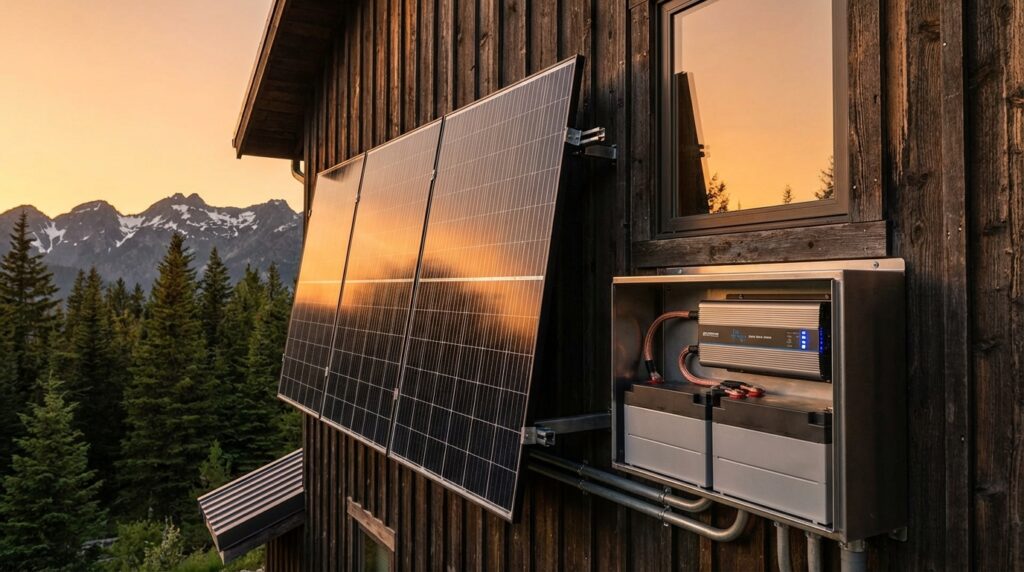
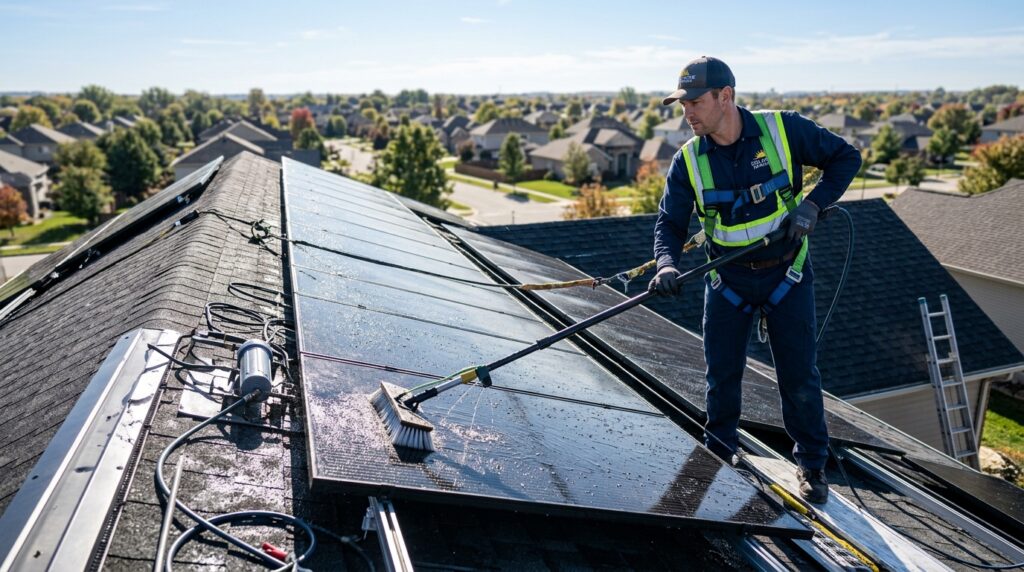
You’ve already done the hard part by getting those sleek panels onto your roof, but now you’re probably wondering about the real solar panel maintenance cost once the honeymoon phase ends. While solar tech is built to last, Mother Nature has a way of throwing dust, bird droppings, and ash at your investment until your energy production takes a nose dive. You don’t need a degree in engineering to keep things running, but you do need to know exactly what you’re paying for so you don’t get ripped off by over-the-top service packages.
Most homeowners find themselves shelling out between $150 and $720 a year to keep their systems in peak condition. It’s a small price to pay to protect your energy savings, but you have to be smart about which services actually matter and which are just fluff. Whether you’re looking for a basic scrub or a full system checkup, knowing the industry standards ensures your green investment doesn’t turn into a money pit.
Key Takeaways
- Budget between $150 and $720 annually for professional maintenance to prevent environmental debris like dust and bird droppings from reducing energy efficiency by 20% or more.
- Professional cleaning services typically cost $100 to $300 per visit, or roughly $15 to $31 per kilowatt, providing a high return on investment by protecting expensive hardware from permanent damage.
- Investing in a high-quality DIY cleaning kit can eliminate recurring labor costs and pay for itself after only one or two uses for homeowners with safe roof access.
- Routine inspections are essential for identifying hidden issues like loose wiring, micro-cracks, and ‘hot zones’ that can lead to total system failure if left unaddressed.
Annual Budget For Professional Solar Upkeep
Budgeting for your solar system upkeep is a smart move that prevents expensive headaches down the road. While these panels are incredibly durable, they are not completely set and forget if you want to maintain maximum energy production. You should expect to set aside an annual budget between $150 and $720 for professional inspections and routine cleanings. This range covers everything from a basic scrub to a deep investigation into your system electrical health. Investing this small amount ensures that environmental debris like dust or wildfire ash does not quietly eat away at your monthly energy savings.
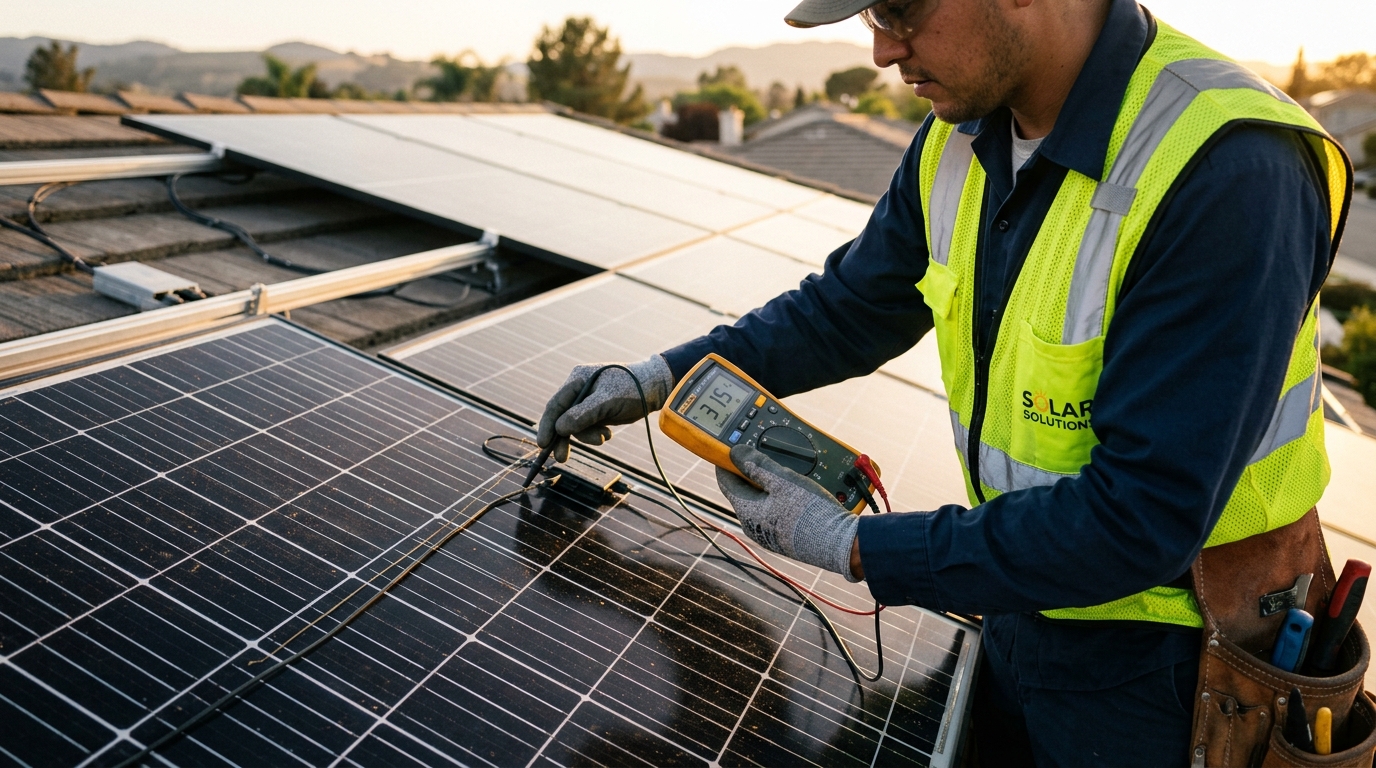
Professional cleaning services usually charge by the panel or a flat fee, often landing between $100 and $300 per visit. If you live in a particularly dusty area or near a construction zone, you might need two cleanings a year to keep your efficiency from tanking. Beyond just washing away bird droppings, a pro will look for loose wiring or cracked glass that you might miss from the ground. It is all about protecting that massive initial investment you made in off grid technology. You are essentially paying for peace of mind and a lower monthly utility bill.
If you are tired of paying for professional labor, you can easily pivot to a DIY approach with the right tools. High quality cleaning kits are available on Clickbank through httpsco that allow you to safely maintain your array without the recurring service fees. These kits often pay for themselves after just one or two uses, giving you more control over your home maintenance budget. Whether you hire a pro or do it yourself, staying on top of this annual upkeep is the only way to ensure your solar panels actually last for twenty five years. Keeping your system clean is the simplest way to get the most bang for your buck.
Breaking Down The Cost Per Kilowatt
Think of your solar maintenance budget as a small insurance policy for your energy independence rather than a looming financial burden. For a typical residential setup, you are looking at an average cost of about $31 per kilowatt of installed capacity each year to keep things running at peak performance. When you break that down against your monthly utility savings, it usually amounts to a tiny fraction of what you are putting back into your pocket. Most homeowners find themselves spending between $150 and $720 annually for professional upkeep, which is a small price to pay to protect a five figure investment. This predictable expense ensures that environmental debris like dust or wildfire ash does not quietly steal your power production.
You do not have to be a financial wizard to see that these numbers work heavily in your favor. While a professional cleaning might run you $100 to $300 per visit, the cost per panel is often as low as $5 to $15 depending on your roof layout. If you are the type who prefers a hands on approach, investing in a high quality DIY cleaning kit can slash these recurring costs even further over the long term. We have seen plenty of overhyped maintenance plans, but the reality is that solar panels are incredibly durable and require very little hand holding. Staying on top of these small costs prevents the kind of efficiency drops that actually end up costing you real money on your power bill.
Hidden Expenses From Dust And Debris
You might think your solar panels are a set it and forget it investment, but Mother Nature has a way of quietly eating into your ROI. Dust, pollen, and wildfire ash create a microscopic film that acts like a window shade, blocking the very sunlight you paid thousands of dollars to capture. Even a thin layer of grime can tank your system efficiency by twenty percent or more, meaning you are essentially throwing money away every single month. When you ignore the buildup, you are not just skipping a chore, you are actively paying a hidden tax on your energy production.
Bird droppings are an even bigger headache for your wallet because they cause localized shading that can lead to permanent equipment damage. These spots create hot zones on the cells that force the rest of the panel to work overtime, which eventually leads to micro cracks or total failure. While a professional cleaning might cost you between 150 and 720 dollars a year, that price tag is a bargain compared to replacing a burnt out panel. You have to decide if you want to pay a little now for upkeep or a lot later for a complete system overhaul.
Keeping your off grid power system in peak condition requires you to be proactive rather than waiting for your power bill to spike. You can tackle the basic grime yourself with a specialized DIY cleaning kit, which is a smart move for anyone looking to keep long term maintenance costs down. If your roof is deep or the buildup is heavy, hiring a pro for a quick inspection ensures that your investment stays protected and profitable. Do not let a little dirt be the reason your high tech energy system underperforms when the solution is as simple as a regular scrub.
Professional Services Versus DIY Cleaning Kits
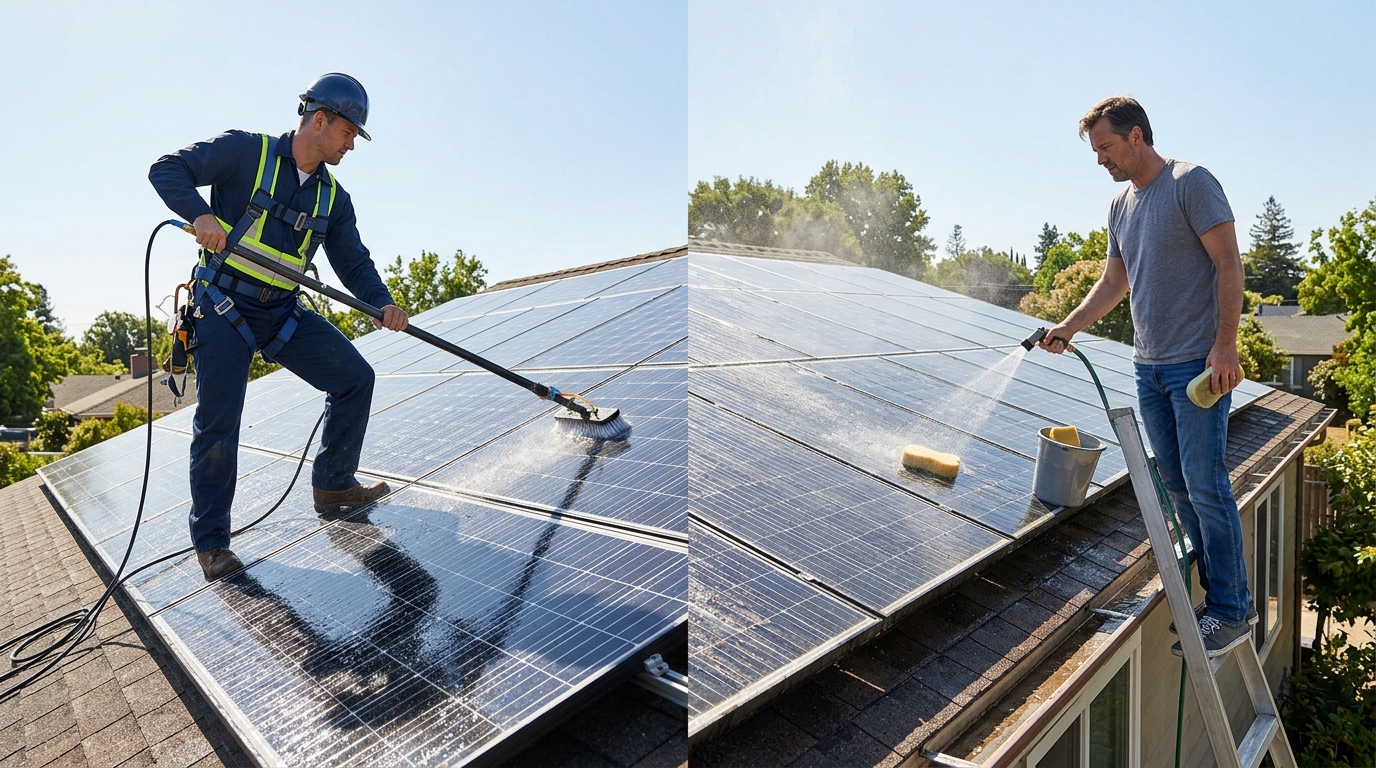
Deciding between hiring a pro or grabbing a squeegee yourself comes down to a simple math problem that impacts your long-term energy savings. If you choose the professional route, you are looking at a standard rate of about fifteen dollars per panel, which can quickly climb to several hundred dollars for a single afternoon of work. While these crews bring the ladders and the insurance, that recurring cost eats into the ROI of your off-grid investment every single year. You are essentially paying a premium for convenience, but for many savvy homeowners, that annual bill feels more like a target for budget cutting.
High-quality DIY cleaning kits offer a one-time investment that pays for itself after just one or two sessions on the roof. You can snag professional-grade telescopic poles and specialized brushes for a fraction of what a service company charges for a single visit. Taking the DIY approach means you are not waiting on a scheduling window or dealing with contractors trampling your landscaping. Since solar panels are incredibly durable with no moving parts, most of the maintenance is just keeping them clear of dust and debris. Choosing a solar generator for home use as a backup can also simplify your overall energy strategy by reducing reliance on complex mechanical systems.
You need to be honest about your comfort level with heights and the specific layout of your system before making the final call. If your panels are mounted on a steep second-story pitch, the professional fee might be worth the peace of mind to avoid a risky climb. However, if you have easy access to your array, there is no reason to flush money away on labor costs that you can handle in thirty minutes. Grab a solid kit, keep your panels shining, and keep that extra cash in your own pocket where it belongs.
Protecting Your Panels and Your Pocketbook
Maintaining your solar investment is essentially an insurance policy for your energy independence that pays for itself over time. While shelling out between $150 and $720 a year might feel like another chore on your homeownership list, you have to look at the math behind the grime. A layer of wildfire ash or stubborn bird droppings can quietly tank your system efficiency by twenty percent or more, which directly translates to higher utility bills. You are not just paying for a clean surface, you are protecting a high tech asset that is designed to provide you with free power for decades. Skipping these checkups to save a few bucks today often leads to much larger losses in generated energy value tomorrow.
The reality of off grid living or sustainable energy is that nothing is truly set it and forget it if you want peak performance. Many homeowners also weigh the benefits of a solar generator vs gas for emergency home power to ensure they have reliable backup when the grid goes down. You can choose to grab a DIY cleaning kit to handle the basics or bring in a professional for a deep dive inspection once a year. These routine visits catch small issues like loose wiring or micro cracks before they turn into expensive hardware failures that could leave you in the dark. Think of it as a small price to pay for the peace of mind that comes with knowing your home is running at its absolute best. You have already done the hard work of going solar, so do not let a little dust stand between you and your long term savings.
Frequently Asked Questions
1. How much should I actually expect to pay for solar panel maintenance each year?
You should budget between $150 and $720 annually to keep your system running at its best. This range covers everything from professional cleanings to deep dives into your electrical health. Think of it as a small insurance policy to protect your monthly energy savings from tanking.
2. Is it really worth paying for professional solar panel cleaning?
Yes, because bird droppings and thick dust can quietly destroy your efficiency. Professional cleanings usually cost between $100 and $300 per visit, which is a fair price to ensure Mother Nature doesn’t turn your investment into a dud. If you live in a dusty area, you might even need a scrub twice a year.
3. What does a professional solar inspection actually cover?
A pro does more than just spray a hose, they look for loose wiring and cracked panels that you might miss. They check your system electrical health to make sure every panel is pulling its weight. It is the best way to catch a small problem before it turns into a massive repair bill.
4. Can I just clean the panels myself to save money?
You can certainly try, but you need to be careful not to scratch the glass or use harsh chemicals that leave a film. Professionals have the right gear to get the job done without risking a fall or damaging the tech. Sometimes paying a pro is cheaper than replacing a panel you accidentally ruined. If you are looking for other ways to use the sun, check out a solar oven price range guide for off grid cooking to expand your sustainable setup.
5. How do I know if I am getting ripped off by a service package?
Watch out for companies pushing expensive monthly subscriptions or fluff services you do not need. Stick to the industry standards of $150 to $720 a year for basic upkeep and inspections. If a deal feels over the top or too good to be true, it probably is.
6. Do solar panels require constant attention to stay efficient?
Not at all, they are built to be incredibly durable and are mostly hands off. You just need to stay on top of environmental debris like wildfire ash or construction dust that blocks the sun. A little bit of smart budgeting and a yearly checkup is all it takes to keep your green investment profitable. Beyond maintenance, many homeowners are surprised by the real solar battery backup price when they decide to expand their storage capacity later on. If you are exploring other renewable options, you might also want to research home wind turbines to see how their maintenance needs compare to solar.