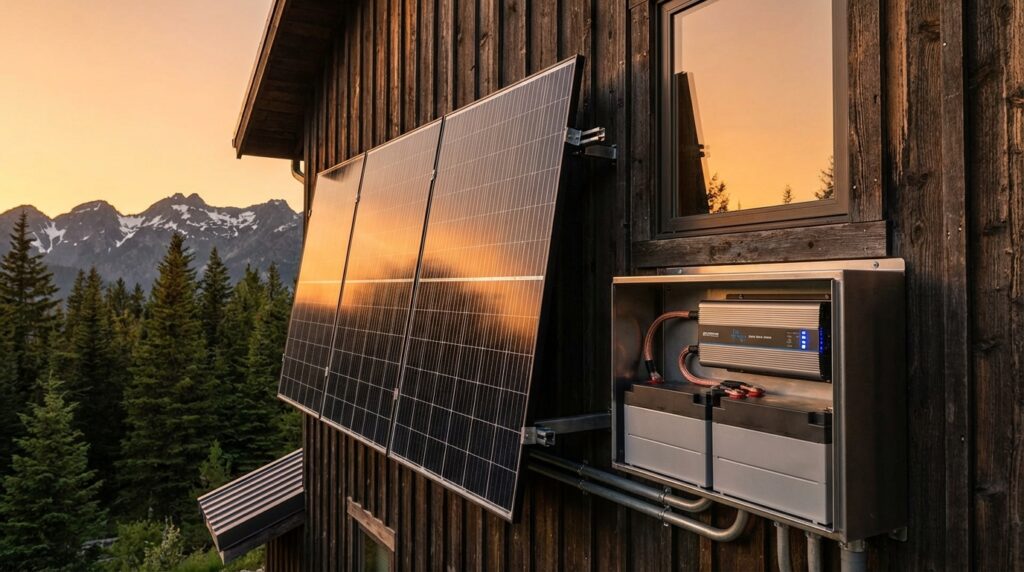
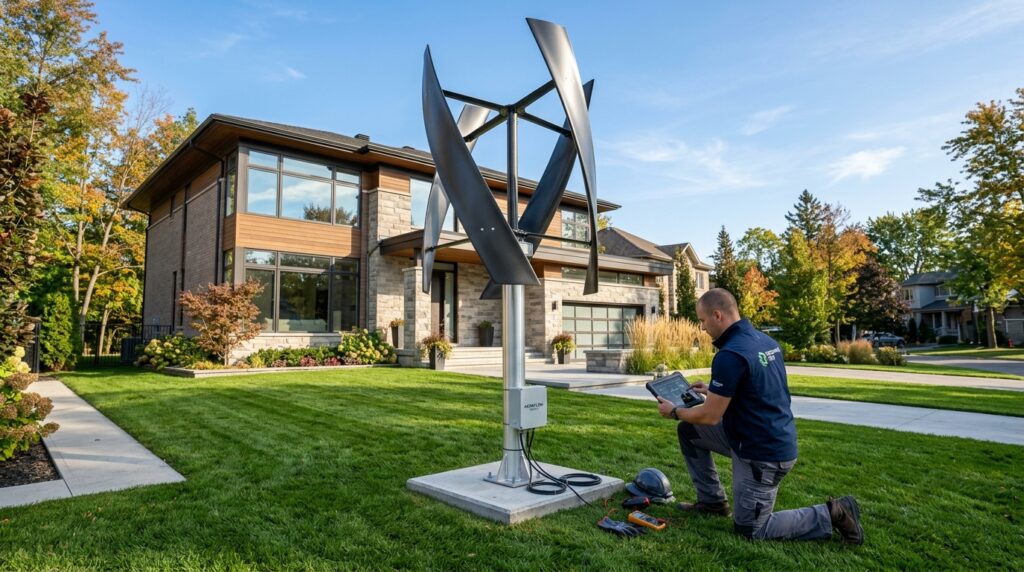
You’ve seen the glossy ads promising free electricity from the breeze, but the real home wind turbine cost in 2026 is a different beast. Now that federal tax credits have dried up, you’re looking at a raw investment that requires a sharp eye and a thick skin. We’re cutting through the marketing fluff to show you exactly why a 5kW system might set you back more than a new SUV.
Don’t let sleek, compact designs fool you into thinking these are simple budget-friendly DIY projects. While the tech has evolved, installation hurdles and hidden fees remain a massive headache for the unprepared. You deserve the truth about whether catching the wind is a brilliant move for your property or just a fast way to blow through your savings.
Key Takeaways
- Residential wind power in 2026 requires a raw investment of $3,000 to $8,000 per kilowatt now that federal tax credits have expired.
- Hidden logistical costs—including deep concrete foundations, heavy-gauge wiring, crane rentals, and zoning permits—can easily double the initial price of the turbine itself.
- Adopting a DIY approach using proven blueprints is the most effective way to slash astronomical professional installation fees and shorten the decade-long payback period.
- Success depends on verifying local wind speeds and prioritizing larger 5kW to 10kW systems, which offer better value per kilowatt for powering a modern household compared to micro-units.
Breaking Down The 2026 Installation Price Per Kilowatt
Budgeting for a home wind project in 2026 requires a reality check. The actual price per kilowatt currently swings between $3,000 and $8,000 depending on your setup. If you are looking at small 400W to 1.5kW micro units, you are likely focusing on off-grid living or keeping a battery bank topped off. These smaller turbines work for enthusiasts, but the cost per kilowatt is often higher because you are paying for tech in a compact package. You can expect to spend anywhere from $2,000 to $7,000 for the turbine itself before you even think about the tower or wiring. It is a significant upfront investment, but for those craving energy independence, it is the price of freedom from the grid.
Moving up to a heavy-duty 5kW or 10kW system changes the math. While the total price tag is higher, these larger systems offer better value per kilowatt because they power an entire modern household. You are looking at a serious construction project involving professional installation, deep concrete footings, and heavy-duty inverters to handle the load. Plenty of sales pitches claim these pay for themselves in a few years, but the truth is that without tax credits, you are playing a long game. These systems are for the serious homeowner who wants reliable power during dark, windy winter months when solar panels sit idle under the snow.
Before you drop thousands on equipment, be sure your backyard actually has the wind speeds to justify the expense. Many people get lured in by flashy ads and sleek designs without checking local wind maps first. If you are handy and want to save a massive chunk of change, investing in a solid DIY guide can help you handle the installation without paying for a full crew. Taking the DIY route can pull your costs down toward the lower end of that $3,000 per kilowatt range. Just remember that cutting corners on mounting hardware or the battery charge controller is a recipe for a very expensive lawn ornament.
Hidden Expenses From Permits To Professional Tower Rigging
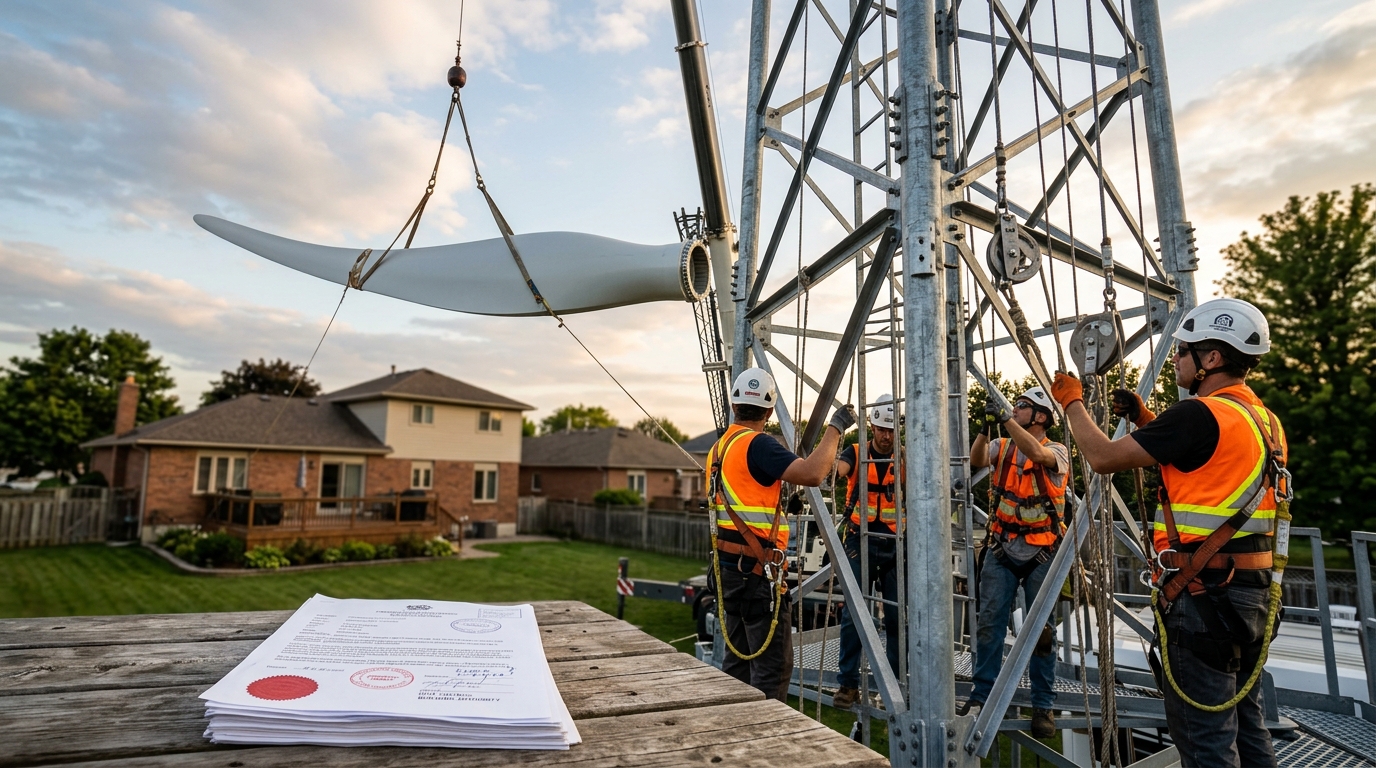
Buying the turbine is just the down payment on your off-grid dreams. If you aren’t careful, the hidden fees will eat your budget alive. You have to account for heavy-duty foundation work, which involves pouring several yards of concrete to ensure your tower doesn’t topple during a storm. Then there is the wiring and electrical integration, requiring heavy-gauge copper that costs a fortune per foot to run from the tower to your battery bank. You also cannot ignore the professional rigging equipment or crane rentals needed to hoist a 50-foot tower into place safely. These installation hurdles can easily add thousands to your initial estimate before you generate your first watt of power.
Local bureaucrats and zoning boards are the next major hurdle. You will likely face a mountain of paperwork for building permits, noise variance fees, and structural inspections that vary by county. Some jurisdictions even require environmental impact studies or neighbor notifications before you can break ground. These administrative fees are non-negotiable and often come with long wait times that can stall your installation for months. Budgeting for these soft costs is the only way to avoid a nasty surprise when you are already deep into construction.
Navigating this financial minefield requires a solid plan so you do not end up with a half-finished tower and an empty bank account. If you want to cut through the fluff and see real-world blueprints for a DIY setup that actually works, check out the Backyard Revolution at httpsco/backyard-revolution for a streamlined approach. For those who need a more comprehensive guide to building a reliable energy source from scratch, the Easy DIY Power Plan at httpsco/easy-diy-power-plan offers a transparent look at what it really takes to go off-grid. Stop guessing about your expenses and start using a proven roadmap that prioritizes your bottom line over marketing hype.
Comparing Professional Turnkey Installs Versus DIY Turbine Kits
Deciding between a professional turnkey installation and a DIY approach is the difference between writing a blank check and taking control of your energy future. A pro install for a standard residential system can easily climb toward $45,000 when you factor in specialized labor, equipment rentals, and permitting fees. While the convenience is tempting, you are paying a massive premium for someone else to turn a wrench. For the average off-grid enthusiast, that upfront cost can push your break-even point so far into the future that it loses its meaning. You have to ask yourself if you are paying for hardware or just subsidizing a contractor’s overhead.
Building your own setup using a comprehensive DIY guide allows you to slash those astronomical costs and keep thousands of dollars in your pocket. Instead of facing a $45,000 bill, you can source high-quality components and handle the assembly yourself for a fraction of the price. These guides strip away the marketing fluff and give you the raw blueprints needed to get a turbine spinning without the corporate markup. You get the same renewable energy benefits and the satisfaction of knowing every bolt and wire in your system. It is the smartest way to bypass inflated prices while securing your independence.
If you are tired of being sold overpriced packages that take decades to pay for themselves, taking the DIY route is the ultimate power move. You can find reliable kits and step-by-step instructions through trusted platforms like httpsco to ensure your project stays on track and under budget. By focusing on micro-systems or standard residential units that you install yourself, the economic profile of wind energy starts to make sense. You get to skip the sales pitches and go straight to generating your own power. It is about being smart with your capital and refusing to pay a premium for a job you are capable of managing.
Calculating Your Payback Period Without Federal Tax Credits
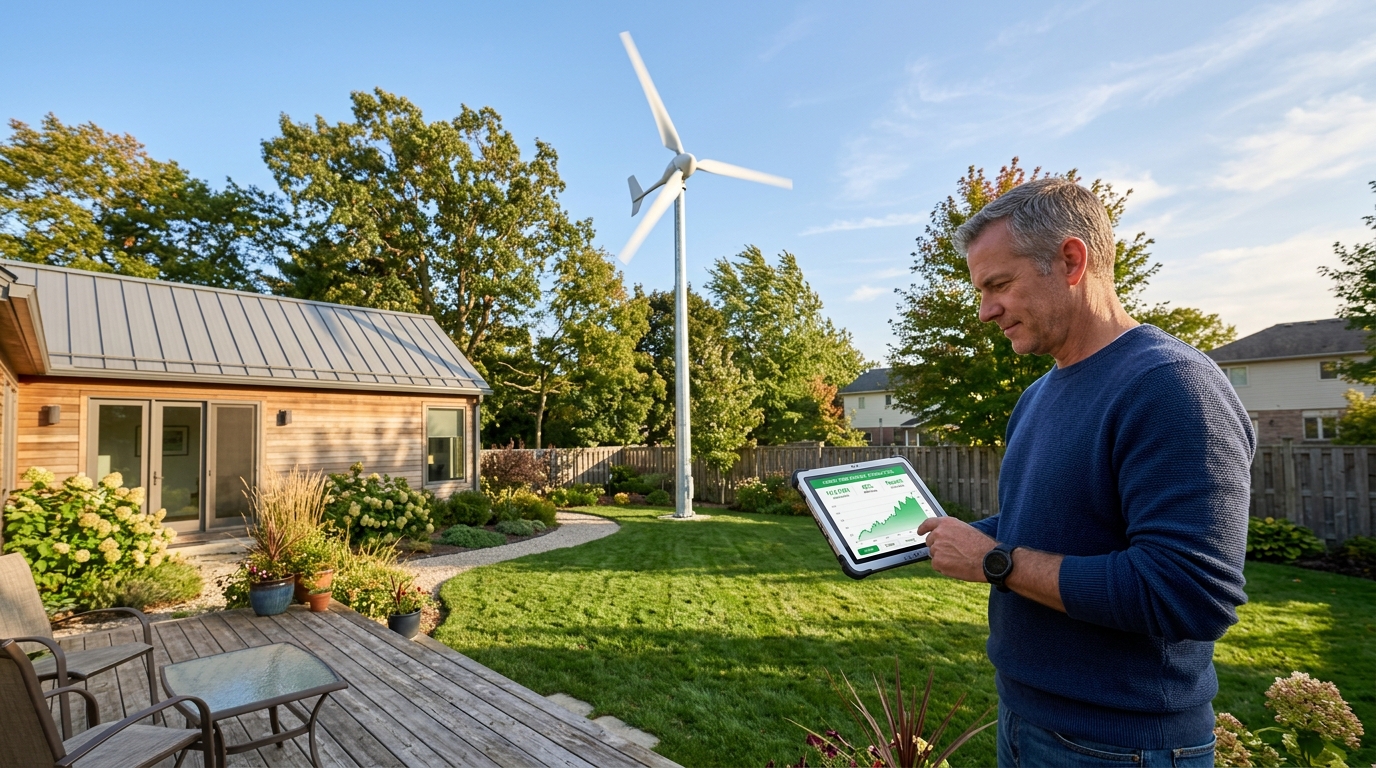
Calculating your payback period starts with a cold look at your total upfront investment versus your monthly utility savings. Since federal tax credits are no longer padding your wallet, you are on the hook for the full $3,000 to $8,000 per kilowatt of capacity. You need to take the total cost of your turbine, towers, and wiring, then divide that by the amount of money you expect to save on electricity each year. For a standard 5kW system, this could mean looking at a decade or more before you see a return on your cash. It is a long game, so you have to be honest about whether your local wind speeds can deliver.
The real secret to making the math work lies in your ability to go the DIY route and avoid massive labor fees. If you are paying a premium for a professional install, your break-even point pushes further into the future, making the investment much harder to justify. Off-grid enthusiasts often find the most value here, as avoiding the cost of running power lines to a remote cabin provides instant savings that a suburban grid-tie cannot match. Focus on high-quality equipment that lasts, because a cheap turbine that breaks in year three will reset your payback clock to zero. Keeping maintenance costs low is the only way to ensure those energy savings stay in your pocket.
If you are tired of guessing and want a proven blueprint to slash your energy bills, you need to see what the experts are actually building. You can skip the expensive trial and error by following a battle-tested guide that shows you exactly how to set up your own power system without the corporate markup. Check out the DIY solutions at httpsco to get your hands on a plan that actually works for your budget. Stop letting the power companies dictate your monthly expenses and start taking control of your own energy production today. It is time to stop overpaying for gear and start building a setup that pays you back.
Is the Wind Actually Worth Your Wallet?
Deciding to plant a wind turbine in your backyard is a bold move, but you have to look past the marketing to see if the math checks out for your specific land. While the dream of watching those blades spin is tempting, the reality is that residential wind is a high-stakes game that requires consistent, high-velocity airflow to pay for itself. If you aren’t living in a wide-open rural area or a coastal wind corridor, you might find that your expensive equipment spends more time sitting still than powering your home. You need to be honest about your local wind speeds before you drop thousands on a system that might just become a pricey lawn ornament.
For the dedicated off-grid enthusiast or the DIY builder, the true value of wind often lies in its ability to keep your batteries topped off when the sun goes down or during dark winter months. Combining a rugged turbine with a solid solar array creates a powerhouse hybrid system that can handle almost any weather condition. If you are looking for emergency home power, you can significantly slash those heavy setup costs and move toward total energy independence much faster. You can find the blueprint for this kind of self-reliant lifestyle by checking out why a solar generator for home use is often the missing piece to your backup strategy. You can find the blueprint for this kind of self-reliant lifestyle by checking out the 2026 portable power station comparison to see how to maximize your power output.
Ultimately, you have to weigh the high upfront installation costs against the long-term freedom of generating your own clean electricity. If you are tired of rising utility bills and want to take control of your energy future, investing in your own hardware is the only way to truly opt out of the traditional grid. While federal tax breaks have shifted, the technology is getting tougher and more efficient for the average homeowner to manage. Take a hard look at your budget, measure your wind, and decide if you are ready to stop being a customer and start being a producer. Even for smaller needs, understanding the solar oven price range can help you round out your off-grid kitchen without overspending.
Frequently Asked Questions
1. What is the real price tag for a home wind turbine in 2026?
Expect to pay between $3,000 and $8,000 per kilowatt for a full professional setup. While micro units start around $2,000 for just the turbine, a heavy-duty 5kW system can easily cost as much as a new SUV once you add towers and wiring.
2. Are those small micro turbines worth the investment?
Small units between 400W and 1.5kW are perfect for off-grid living and keeping batteries charged, but they have a higher cost per kilowatt. They work well for DIY fans, but they won’t power your entire house like a larger system will.
3. Is it cheaper to install a 10kW system compared to a smaller one?
The total price tag is much higher, but you actually get better value per kilowatt with a 10kW system. These larger units are built to handle a modern household’s energy needs, making the math work better in the long run.
4. Can I install a wind turbine myself to save money?
You can try a DIY project with micro units, but anything larger requires a serious construction effort. You will need deep concrete footings and professional installation to ensure the tower stays standing and the wiring is safe.
5. Why did the cost of home wind power jump recently?
The big federal tax credits that used to slash prices have dried up, leaving you to foot the entire bill. You are now looking at the raw market price for technology and labor without government assistance.
6. What hidden fees should I look out for during installation?
The turbine itself is just the beginning because you still have to pay for the tower, professional labor, and complex wiring. Many homeowners get blindsided by the cost of the deep concrete foundation required to keep the system stable.