You’ve seen the flashy ads promising infinite energy and life-changing battery tech, but you’re smart enough to know that most of it is just marketing noise. Finding the truth in a crowded market requires a real-deal portable power station comparison that cuts through the fluff and looks at what actually works when you’re off the grid. We’ve reached a point where you shouldn’t have to choose between a unit that weighs as much as a fridge or one that dies after two phone charges.
The current sweet spot for your gear is that 1kWh mark, giving you enough juice to keep the lights on without breaking your back or your bank account. You deserve a straight answer on which models deliver high-speed charging and rugged reliability for under $500, rather than overpaying for a name brand that hasn’t updated its tech in years. Stop guessing which power box won’t fail you when the storm hits and start looking at the gear that actually earns its keep.
Key Takeaways
- The 1kWh (1000Wh) capacity is the industry ‘sweet spot,’ providing enough power for a refrigerator or weekend campsite while remaining portable at roughly 25 to 30 pounds.
- Prioritize units that support high-speed charging and at least 400W of solar input to ensure the battery can reach an 80% charge in under an hour.
- Avoid overpaying for legacy brand names and instead look for rugged, modern units under $500 that offer high-wattage surge protection for heavy appliances.
- Reliable home backup requires high-capacity 2000Wh units that weigh around 40 pounds, balancing raw power for high-draw tools with enough mobility to move during an outage.
Comparing The 1kWh Sweet Spot Performance
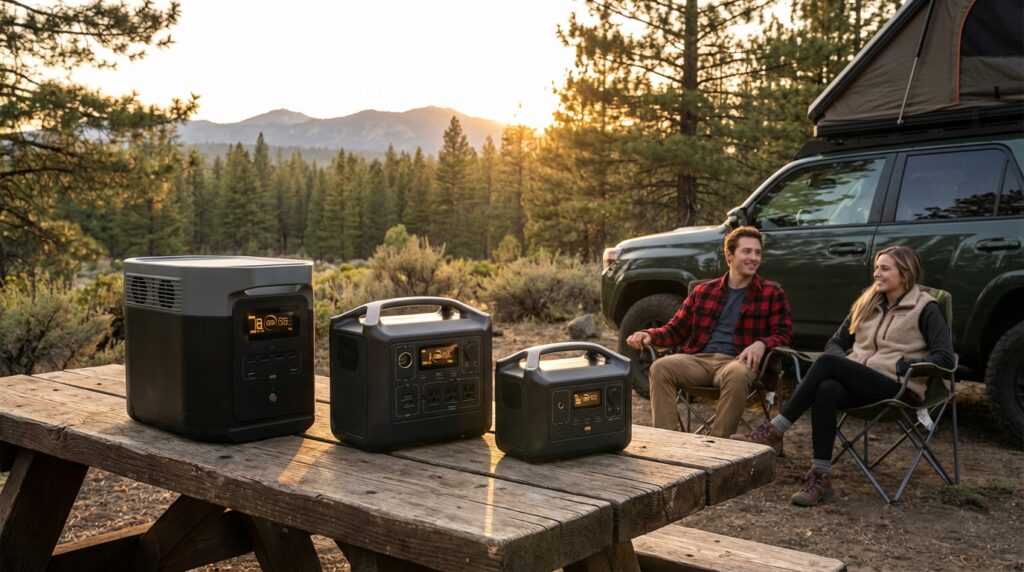
The 1kWh sweet spot has become the absolute gold standard because it hits that perfect middle ground between being a brick and being a lightweight toy. You want enough juice to keep your fridge running during a blackout or to power your campsite for a weekend, but you do not want to break your back hauling it from the garage to the truck. At roughly 1000Wh, these units offer the most bang for your buck by providing professional-grade internals without the massive price tag of whole-home systems. It is the sweet spot where engineering meets reality, giving you a reliable bridge between basic outdoor gear and serious emergency hardware.
A high-quality 1000Wh unit stands out in this crowded field because it stops making excuses for slow performance and actually delivers on its promises. While other models might leave you waiting half a day to top off the battery, a top-tier unit uses high-speed tech to get you back to full power in record time. You get a rugged build that can handle being tossed in a trunk and an intuitive app that actually works instead of crashing when you need it most. It is built for the person who is tired of marketing fluff and just wants a power station that stays cool under pressure and lasts for years of heavy use.
When you compare a powerhouse like this to its closest rivals, the difference usually comes down to how much fluff you are willing to pay for. Many competitors try to distract you with flashy screens or unnecessary ports, but they often cut corners on the actual battery chemistry or the speed of the inverter. You need a unit that can handle the surge of a coffee maker or a power tool without tripping a breaker or overheating. By focusing on fast charging and long-term durability, these units prove that you do not need to spend thousands of dollars to get a dependable off grid power system solution that keeps your essential electronics humming.
High Capacity Heavyweights For Home Backup
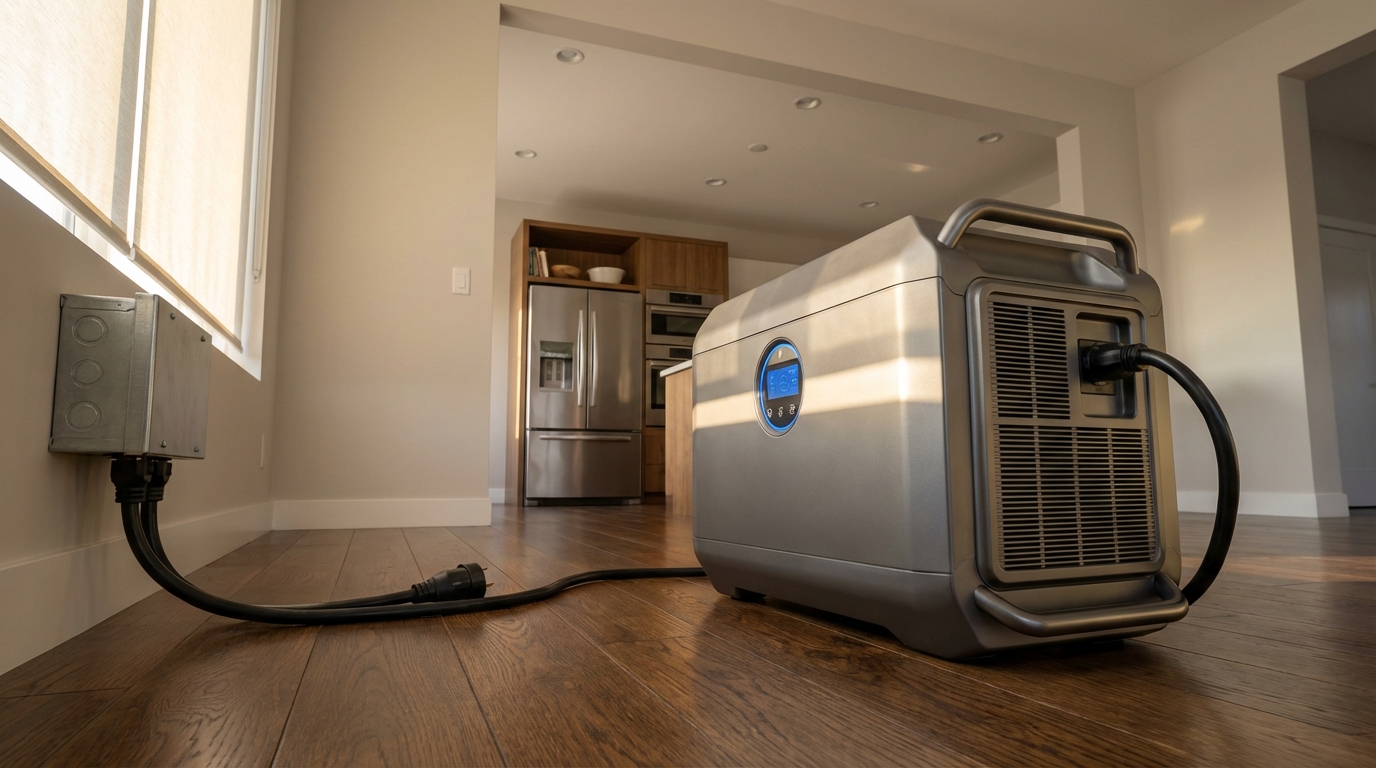
When the grid goes dark, you need a machine that does more than just charge your phone; you need a beast that can actually keep your milk from spoiling and your lights flickering. Modern high-capacity units represent the current pinnacle of home backup technology, bridging the gap between weekend camping gear and serious residential infrastructure. While marketing teams love to throw around big numbers, you should focus on how these units handle high-wattage surges from your refrigerator or well pump. Leading models have shed significant weight compared to older generations, making them mobile enough to wheel into the garage but sturdy enough to anchor your home during a multi-day outage. You want a unit that provides peace of mind without requiring a degree in electrical engineering to operate.
Choosing between these heavyweights comes down to how you balance raw power against everyday portability. A solid 2000Wh unit has become a favorite because prices have dropped significantly, often falling under the eight hundred dollar mark while maintaining a manageable frame of around forty pounds. This makes it a versatile choice if you want to transition from a backyard blackout to a remote camping trip without breaking your back. On the other hand, larger residential-grade units are built for those who refuse to compromise on capacity, offering the kind of sustained output that keeps high-draw appliances running smoothly for hours. We are tired of seeing brands overpromise on battery life, but these units actually deliver the reliable performance needed when the situation gets real.
Efficiency is the name of the game, and these power stations have finally mastered the art of fast recharging. You no longer have to wait all day for your unit to top off, as modern solar integration and wall charging speeds have hit record highs. We look past the flashy LCD screens and app gimmicks to see which unit holds its charge when sitting in a closet for six months. It is refreshing to see that the industry has moved past the experimental phase and into a period of refined, rugged reliability. Whether you are prepping for a hurricane or just want to run a power saw in the middle of a field, these high-capacity units provide the grunt work necessary to get the job done.
Real World Charging Speeds And Portability
You need to know how these units actually perform when you are miles away from a cozy living room outlet. While every manufacturer promises lightning-fast refills, the gap between wall charging and solar input is often a canyon. Most modern 1kWh units can hit an eighty percent charge in under an hour when plugged into a standard home socket, which is perfect for last-minute trip prep. However, once you transition to off-grid hardware, you are at the mercy of the sun and your controller efficiency. A high-quality station should handle at least 400W of solar input to ensure you are not waiting two days just to brew a pot of coffee or keep your CPAP running through the night.
Portability is the other half of the battle because a power station is useless if it is too heavy to move from your trunk to the campsite. The industry has finally settled on a sweet spot around twenty-five to thirty pounds for a standard 1000Wh unit, which is manageable for most outdoor enthusiasts. You should look for integrated, ergonomic handles that do not dig into your palms when you are trekking across uneven terrain. If a unit pushes past forty pounds without offering wheels, it is no longer a portable companion and starts acting more like a permanent basement fixture. We prefer designs that maximize energy density so you get the most juice possible without needing a gym membership just to lift your gear.
Real-world testing reveals that the best units balance these two factors without forcing you to compromise on either. You want a station that feels rugged enough to survive a dusty tailgate but refined enough to sit on your kitchen counter during a blackout. Pay close attention to the cooling fans during high-speed charging, as cheap units tend to sound like a jet engine taking off in your tent. The goal is to find hardware that disappears into your workflow rather than becoming another chore you have to manage. Stick with gear that offers fast solar recharge times and a frame that won’t leave you visiting a chiropractor after every weekend getaway.
Pick the Power You Actually Need
Choosing the right power station honestly comes down to how you plan to spend your weekends and whether you trust your home setup during a storm. If you are mostly hitting the trail or packing a van for a quick getaway, that 1000Wh sweet spot is your best friend because it keeps the lights on without breaking your back. You do not need a massive, overpriced unit if you are just charging phones and running a small fridge for forty-eight hours. We have looked past the flashy marketing to find that the real winners are the ones that offer fast charging and a durable build that can actually survive the bed of a truck. Stick with the brands that prioritize long-term battery health and user-friendly apps over those that just try to dazzle you with high peak wattage numbers that you will rarely ever hit.
When you transition from casual camping to serious home backup, your priorities have to shift toward high-capacity units that can handle heavy-duty appliances. You want a beast that stays portable enough to move around but packs enough punch to keep your sump pump or kitchen essentials running when the grid fails. We have seen plenty of brands make big promises, but the ones worth your hard-earned cash are those that have dropped their prices recently while maintaining high safety standards. Do not get distracted by limited-time hype or the real cost of survival gear that sounds too good to be true. Understanding why a solar generator for home use is your best power move will help you focus on the units that offer a transparent balance of weight, cost, and raw capability to ensure you are never left sitting in the dark when it counts.
Frequently Asked Questions
1. Why is 1kWh considered the sweet spot for portable power?
It is the perfect balance between enough juice to run a fridge and a weight that won’t blow out your back. You get professional-grade internals for a fraction of the cost of those massive whole-home systems. It is the gold standard for anyone who wants real power without hauling a literal brick around.
2. How much should I actually be paying for a reliable power station?
Stop letting big-name brands overcharge you for tech that hasn’t changed in years. You can find high-speed charging and rugged reliability for under $500 if you know where to look. Don’t pay for a fancy logo when you can get the same performance for half the price.
3. Will a 1kWh unit actually keep my appliances running during a blackout?
Absolutely, these units are designed to act as a reliable bridge during emergencies. A 1000Wh capacity is enough to keep your essential lights on or keep your food from spoiling in the fridge. It is serious hardware that earns its keep when the storm hits and the grid fails.
4. Are these power stations too heavy to take on a camping trip?
Not if you stick to the 1kWh range. These units are built to be portable enough to move from your garage to your truck without a struggle. You get enough energy to power your entire campsite for a weekend without the bulk of a massive industrial generator.
5. What makes a premium 1000Wh unit better than the cheaper alternatives?
A high-quality unit stops making excuses for slow charging and actually delivers power when you need it. While other boxes take half a day to top off, professional-grade units use high-speed tech to get you back to full strength in record time. It is about getting gear that actually works instead of waiting around for a battery to crawl to 100 percent.
6. How do I know if a power station is just marketing fluff or the real deal?
Look past the flashy ads and check the portable power station comparison and build quality. The real winners offer rugged reliability and updated tech rather than resting on a brand name from five years ago. You want a unit that provides a straight answer on performance and doesn’t fail you when things get gritty. If you are looking to expand your setup, checking a solar oven price range can help you find the best value for off-grid meals.