The marketing for emergency prep is usually a mess of fear-mongering and overpriced gadgets you will never actually use. You want to protect your family without draining your savings, but the survival gear price range in 2025 is all over the map. Whether you are hunting for a $45 pocket kit or a $175 deluxe setup, you deserve to know exactly what that money is buying.
We have dissected the sales pages and cut through the fluff to see which kits actually hold up when the lights go out. You do not need a bunker and a military budget to stay safe; you just need gear that works when it counts. We are breaking down the costs and the quality so you can stop guessing and start prepping with total confidence.
Key Takeaways
- The ideal entry-level survival budget falls between $45 and $175, providing a reliable 72-hour safety net without the need for expensive, specialized military gear.
- Prioritize mid-range tactical components priced between $15 and $400 to ensure tools like water filtration and high-carbon steel knives won’t fail during prolonged field use.
- Invest in premium expedition-grade equipment only for long-term readiness, focusing funds on high-performance shelter, medical trauma kits, and modular power solutions.
- Avoid the marketing trap of ‘tactical aesthetics’ by choosing gear based on durability and multi-purpose utility rather than brand name or flashy features.
Entry Level Emergency Kits Under Two Hundred Dollars
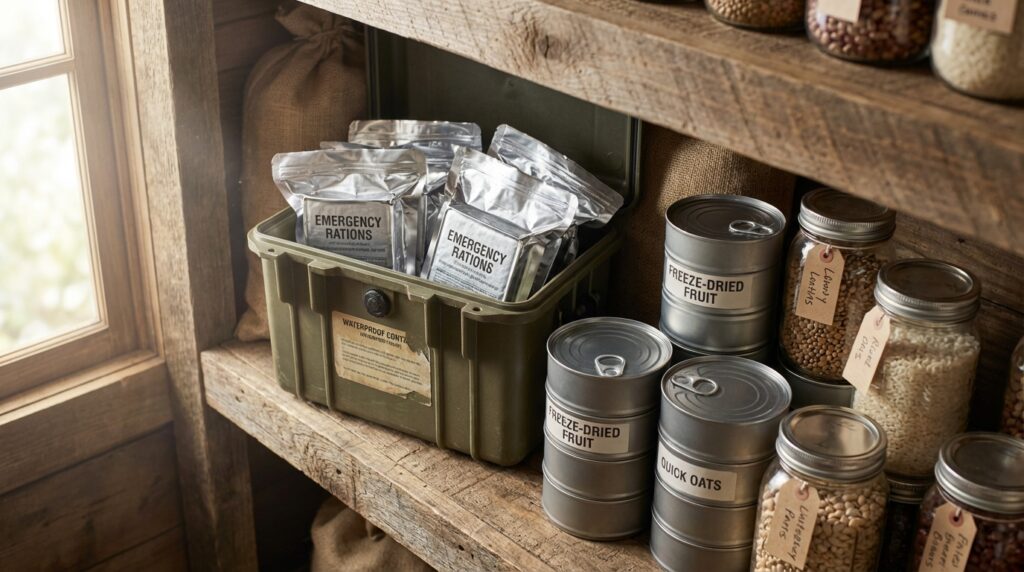
Building a reliable safety net does not mean you have to drain your savings account before the first emergency even hits. You can secure a solid 72 hour kit or a dedicated vehicle safety bundle for anywhere between $45 and $175, which is the sweet spot for anyone just starting their preparedness journey. These entry level setups focus on the essentials like basic first aid, emergency blankets, and simple light sources to keep you moving when things go sideways. You are essentially paying for the convenience of a pre-packaged system that saves you the headache of sourcing individual items from ten different stores. It is a practical way to get your foot in the door without overcomplicating your gear list.
Finding the right balance in this price range requires looking past the flashy marketing and focusing on the actual utility of the tools. A standard disaster preparedness bundle usually sits around $129, offering a reliable middle ground between a bare bones pouch and a bulky tactical pack. If you want to step up to a deluxe version with better rations and more robust multi-tools, you should expect to see prices closer to $175. These kits are perfect for stashing in your trunk or under the stairs, giving you instant peace of mind for a relatively small investment. You get exactly what you need for short term survival without the unnecessary fluff that drives up the cost.
While these kits are affordable, you need to be honest about their limitations and what you are actually getting for your money. Most gear in the under $200 category is designed for temporary use during a three day window, not a month long trek through the wilderness. You are buying time and basic comfort, which is often the most critical factor during a sudden power outage or a natural disaster. It is a smart move to allocate your initial budget here to cover your bases before you even think about high end tactical equipment. Start with the fundamentals, keep your expectations realistic, and you will find that a modest investment today prevents a massive headache tomorrow.
Mid Range Tactical Components And Custom Bug Out Costs
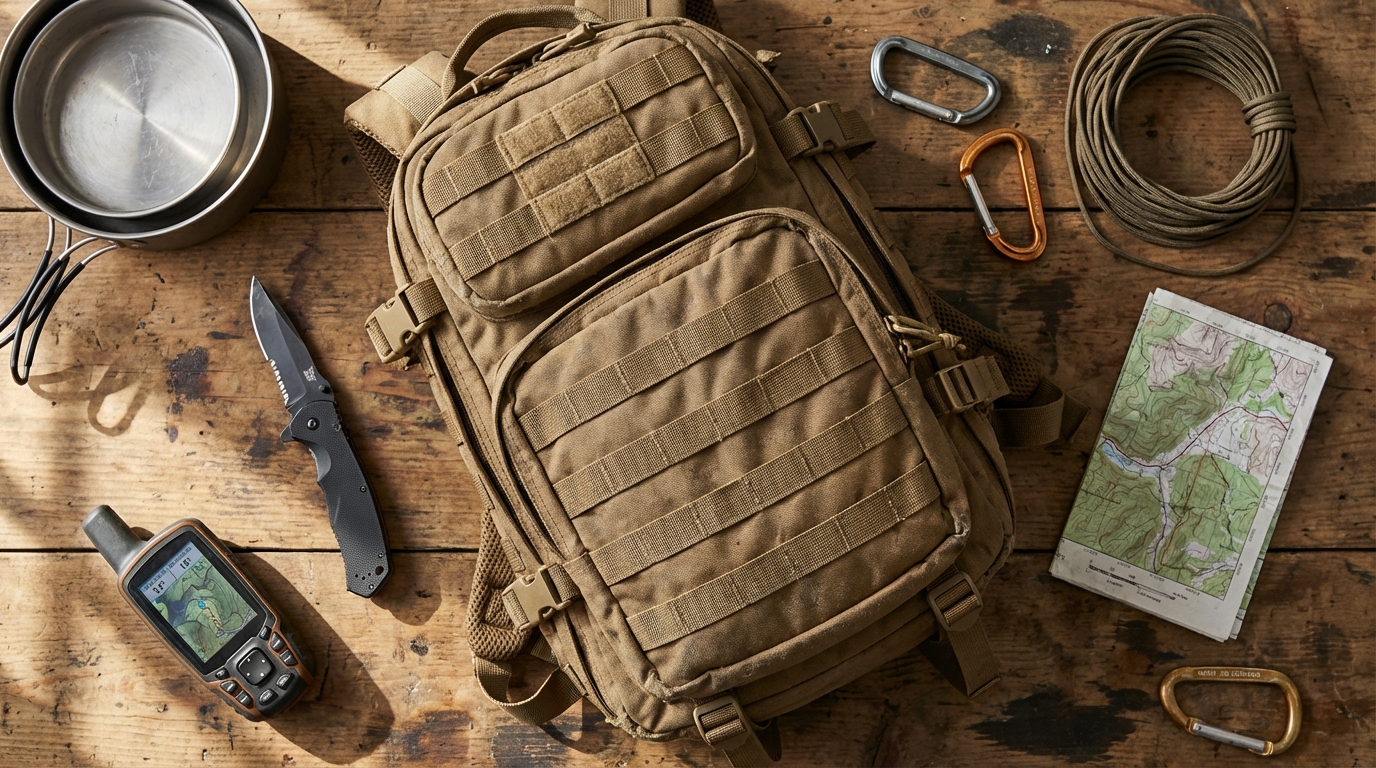
When you move past the basic emergency packs and start building a serious bug out bag, you enter the territory of mid range tactical components where quality actually meets reliability. This is the sweet spot between flimsy discount tools and overpriced museum pieces, typically requiring an investment of $15 to $400 per item. You can find professional grade survival knives with high carbon steel or portable water filtration systems that handle thousands of gallons within this price bracket. Choosing gear at this level means you are paying for durability and field tested performance rather than just a flashy brand name or tactical aesthetic. It is about investing in tools that will not snap or fail when you are miles away from civilization and relying on them for your basic needs.
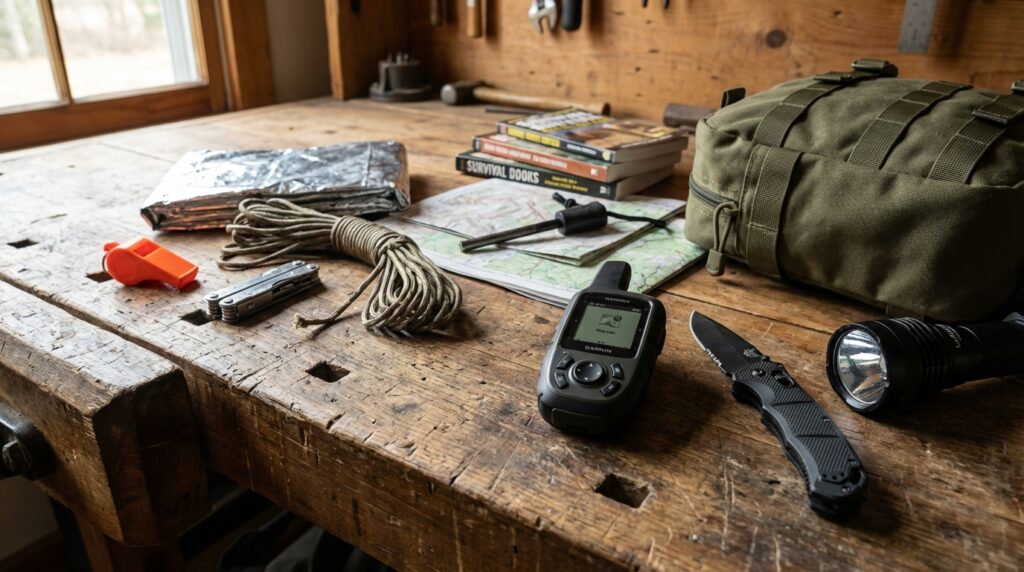
Building a custom kit allows you to handpick every component based on your specific environment and skill level. High quality shelter components like lightweight silnylon tarps or reinforced bivy sacks often fall into the $150 to $300 range, providing a massive upgrade in weather protection over a cheap plastic emergency blanket. You are essentially paying for better materials that save weight in your pack while offering superior resistance to wind and rain. Even smaller essentials like tactical flashlights or multi-tools see a significant jump in utility when you budget at least $50 to $100 for them. These mid tier investments ensure that your gear survives the same harsh conditions that you might face during a prolonged outdoor emergency.
You need to be smart about where you allocate your funds to ensure your bug out bag remains balanced and effective. While it is tempting to spend your entire budget on a single high end blade, you are better off distributing that money across vital categories like hydration, fire starting, and navigation. A solid $100 investment in a reputable water filter paired with a $150 fixed blade knife creates a much stronger foundation than a cheap kit full of filler items. We look for gear that offers radical transparency in its manufacturing and skip the products that hide behind marketing fluff and empty promises. By focusing on these individual high quality components, you build a customized system that is specifically tailored to keep you safe when things go sideways.
Premium Expedition Grade Gear For Long Term Readiness
When you decide to move past basic preparedness and into the world of professional expedition gear, you are no longer just buying a kit, you are investing in a life insurance policy you can carry on your back. This premium tier is where the price tags jump into the thousands because you are paying for specialized tactical tools and military grade materials that refuse to fail when the world goes sideways. You can expect to drop between $1,500 and $5,000 for a fully realized setup that includes high end satellite communications, heavy duty ballistic nylon packs, and advanced water filtration systems. We have seen plenty of flashy marketing, but at this level, you are looking for gear that manages to be both lightweight and indestructible. It is a significant financial commitment, but for the serious prepper, it is the only way to guarantee long term readiness in the harshest environments.
Budgeting for this level of equipment requires you to look beyond the initial sticker shock and evaluate the actual cost per use over a lifetime. While a cheap store bought bag might fall apart after one rainy weekend, professional grade gear is built to endure years of brutal conditions without a single frayed stitch. You should focus your funds on the big three items, which are high performance shelter, specialized medical trauma kits, and modular power solutions like portable solar generators. These high ticket items often start at $500 apiece, but they provide a level of reliability that entry level kits simply cannot match. We are not here to tell you to spend money just for the sake of it, but we know that cutting corners on your primary survival tools is a gamble you usually lose.
The beauty of the high end market is the sheer level of customization and technical superiority you get for your hard earned cash. You are investing in things like cold weather sleep systems rated for sub zero temperatures and multi-fuel stoves that can run on almost anything you find in the field. This specialized gear allows you to stay mobile and effective for weeks or months rather than just surviving for a few days. If you are serious about building a kit that can handle a total grid down scenario, you have to be willing to allocate a professional budget for professional results. It is about moving from a state of panic to a state of total confidence because you know your equipment is better than the disaster you are facing.
Cutting Through the Survival Gear Price Hype
Finding the sweet spot for your survival budget means cutting through the marketing noise and focusing on durability over flashy features. While you can find basic emergency packs for under fifty dollars, these are often just temporary fixes that might fail when the pressure is actually on. The real value sits in that mid tier range between one hundred and two hundred dollars where you are paying for reinforced materials and reliable tools rather than just a brand name. You want to invest enough to ensure your gear does not fall apart during a storm, but you do not need to spend a fortune on professional expedition equipment that belongs on a mountain peak.
Smart preppers look for gear that offers the highest return on every dollar spent by prioritizing items that serve multiple purposes. A high quality seventy two hour kit priced around one hundred seventy five dollars usually hits that perfect balance of portability and ruggedness. Instead of buying the cheapest plastic tools available, you should allocate your funds toward items like reliable water filtration and robust cutting tools. Balancing your budget this way ensures you are not just buying a bag of false hope, but a functional set of tools that will actually perform when your safety is on the line.
Ultimately, your goal is to build a kit that gives you peace of mind without draining your savings account. Avoid the trap of thinking that more expensive always means better, as many high end tactical brands charge a premium just for the aesthetic. Stick to the proven middle ground where the equipment is tested for real world stress but remains accessible for the average person. By staying skeptical of both the bargain bin and the luxury tactical market, you can assemble a professional grade survival gear price range setup that protects your family and your wallet at the same time. For those looking to expand their long-term sustainability, a survival seed vault is a critical addition to any comprehensive preparedness strategy. Understanding the real cost of essential infrastructure can help you prioritize your spending effectively.
Frequently Asked Questions
1. What is the typical survival gear price range for a beginner?
You can secure a solid 72 hour kit or a vehicle safety bundle for anywhere between $45 and $175. This range is the sweet spot for getting the essentials like first aid and emergency blankets without draining your bank account.
2. Are pre-packaged emergency kits worth the extra cost?
You are essentially paying for the convenience of a pre-packaged system that saves you the headache of sourcing individual items from ten different stores. It is a practical, low-stress way to get your foot in the door without overcomplicating your gear list.
3. What does a $129 disaster preparedness bundle actually include?
A standard $129 bundle offers a reliable middle ground between a bare bones pouch and a bulky tactical pack. It typically covers your basic survival needs with better quality light sources and tools than the cheapest entry-level options.
4. Is it necessary to spend more than $200 on a starter kit?
No, you do not need a military budget to stay safe. A deluxe version around $175 is usually plenty for most people, as it provides upgraded rations and more robust multi-tools that hold up when the lights go out.
5. How can I avoid overpaying for survival gadgets?
Look past the flashy marketing and focus on the actual utility of the tools included. We cut through the fluff to ensure you are buying gear that works when it counts, rather than paying for fear-mongering and overpriced gadgets you will never use.
6. What is the most important factor when choosing a kit in this price range?
The most important thing is finding a balance between cost and quality. You want a kit that provides total confidence, meaning the tools are reliable enough to handle a real emergency without being unnecessarily expensive.