

Shopping for creatine can feel like a marketing ambush. This creatine supplement comparison cuts through the hype so you can see which forms have solid evidence behind them and which ones simply cost more. For most adults, plain creatine monohydrate remains the strongest starting point for improving strength, repeated high-intensity performance, and training-related muscle gain.
Fancy labels do not automatically mean better results. Micronized powders may mix more easily, while gummies, liquids, buffered formulas, and other versions often cost more without clear proof that they work better. You will get the straight facts on effectiveness, cost, convenience, side effects, and the water-weight changes that may appear early.
Key Takeaways
- Creatine monohydrate is the best default for most adults because it has the strongest evidence for improving strength, repeated high-intensity performance, and training-related muscle gain at a low cost.
- Take 3–5 grams daily; a loading phase of about 20 grams per day for 5–7 days is optional, not required. Splitting doses or taking creatine with food can reduce digestive discomfort.
- Micronized creatine may mix more smoothly, but hydrochloride, buffered formulas, ethyl ester, gummies, and liquids have not consistently produced better results than monohydrate and often cost more.
- Choose products with a clear creatine dose, simple ingredient list, fair cost per serving, and verifiable third-party testing. Early water-weight gain is common and does not represent body-fat gain.
Creatine Supplement Comparison Introduction
A useful creatine supplement comparison starts with the factors that affect your results and your budget. You want to know whether the product provides an effective dose, how much each serving costs, and whether the powder mixes without turning your drink into a gritty mess. Third-party testing also matters because a clean label is worth more than flashy claims. Look for clear ingredients, accurate serving information, and quality checks you can verify. Marketing may promise faster gains, but the basics still determine whether a product is worth buying.
Plain creatine monohydrate remains the benchmark because it has the strongest track record for supporting repeated high-intensity exercise, strength, and training-related muscle gain. It is also affordable, widely available, and generally well tolerated when used as directed. Micronized powder may mix more easily, but it uses the same core ingredient and is not automatically more effective. Other formats, including hydrochloride, buffered formulas, gummies, and liquid products, may offer convenience, but they have not consistently produced better results. In many cases, you are paying extra for packaging, flavor, or claims instead of a proven performance advantage.
As you compare products, focus on value instead of getting pulled into the loudest sales pitch. A strong option should provide a straightforward daily serving, a reasonable cost per serving, dependable testing, and no unnecessary ingredients. You may notice a small increase in water weight during the first few weeks. That is common and is not the same as gaining body fat. For most healthy adults, a simple monohydrate product checks the important boxes without stretching your budget. That makes it the sensible starting point before you consider pricier alternatives.
Monohydrate Vs Specialty Creatine Forms
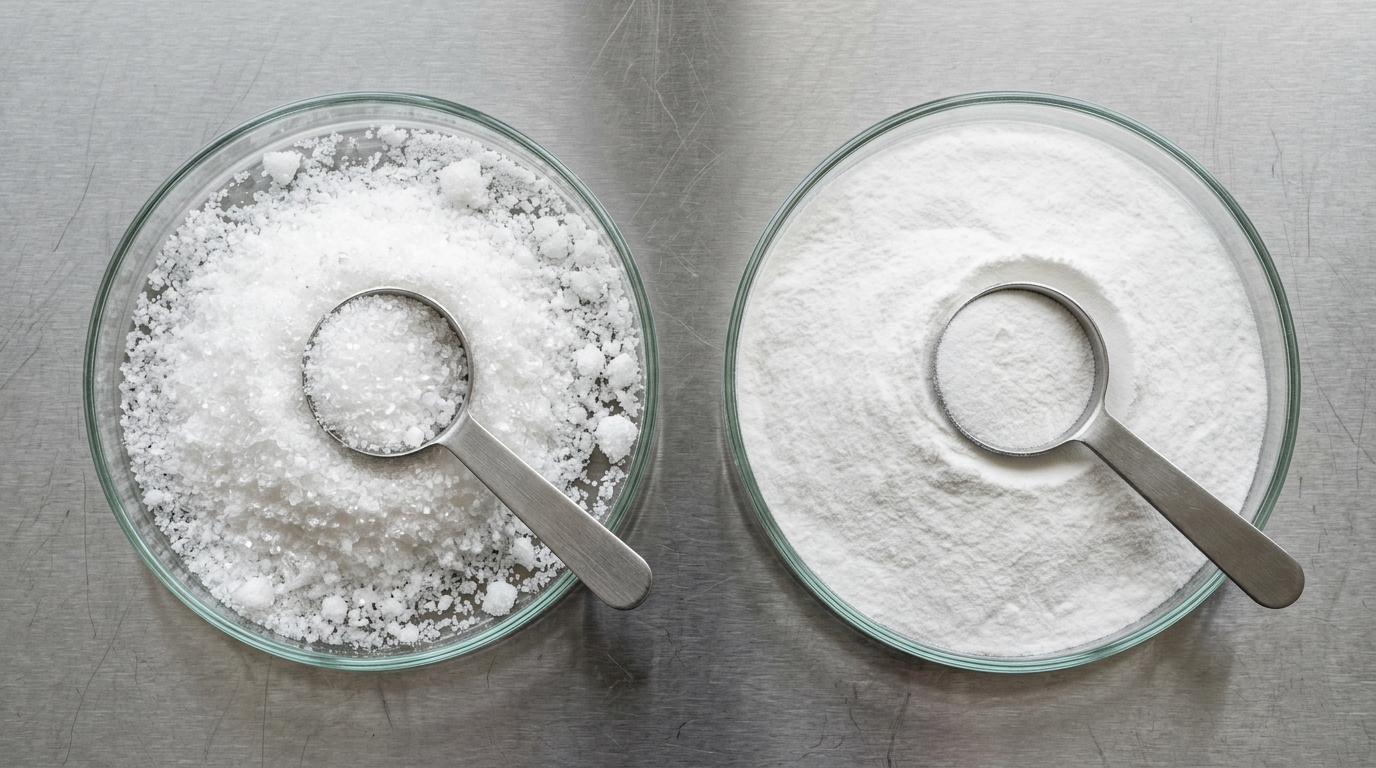
Plain creatine monohydrate remains the best default for most adults. It has the largest body of research supporting strength, repeated high-intensity performance, and training-related lean mass, while usually costing the least. Micronized monohydrate uses the same active ingredient, but its smaller particles may mix more easily and feel less gritty. They do not make it work better. If you are comparing products, prioritize a clear 3 to 5 gram serving, transparent ingredient labels, reliable quality testing, and a sensible price over flashy claims.
Specialty forms often sound more advanced than they really are. Creatine hydrochloride may dissolve more easily, while buffered creatine is marketed as gentler or more effective, but neither has consistently shown better results than monohydrate. Creatine ethyl ester has also failed to prove a meaningful advantage and may cost more despite having less evidence behind it. These options may suit you if you strongly prefer their texture or tolerate them better, but convenience is not the same as superior performance.
Gummies and liquid creatine formulas mainly sell convenience, portability, and easier use, not proven additional results. They may help if you will not drink a powder consistently, but check the label for the actual creatine dose, added sugar, storage instructions, and cost per serving. Liquid formulas may also raise stability concerns, especially when they sit on a shelf for long periods. In a creatine supplement comparison, plain or micronized monohydrate usually delivers the strongest evidence and the best value, while most premium formats charge more without demonstrating a clear benefit.
Creatine Dosage Mixing And Tolerability
For most adults, a daily serving of 3 to 5 grams of creatine monohydrate is the straightforward choice. You can take it consistently without a loading phase, although a short loading plan of about 20 grams per day, split into four smaller servings for 5 to 7 days, may help you reach full muscle stores sooner. Loading is optional, not a requirement for results. After that, you return to the regular daily serving.
Powder texture and solubility can make or break your routine, especially if you dislike gritty drinks. Plain monohydrate may not dissolve completely in cold water, but stirring it into a warm drink, smoothie, or larger volume of liquid can make it easier to take. Micronized powder may feel smoother, but it contains the same basic ingredient and should not be treated as a performance upgrade. Gummies and flavored products may be more convenient, yet check the serving size, sugar, and price before assuming convenience equals better value.
Digestive discomfort is possible, particularly when you take a large serving all at once. Bloating, loose stools, or stomach upset often improve when you split the dose, take it with food, or skip the loading phase. If sweeteners or extra ingredients bother you, an unflavored product with a short ingredient list gives you more control. When comparing products, prioritize a clear dose, reliable testing, tolerability, and price because a more expensive creatine form has not consistently proven more effective than plain monohydrate.
Creatine Testing Price And Product Value
Price only tells you something useful after you calculate the cost per effective serving. Divide the full product price by the number of servings, then check how much creatine each serving actually provides. Plain creatine monohydrate usually delivers the strongest value because it has the largest evidence base and typically costs less than creatine hydrochloride, buffered formulas, gummies, or liquid products. A flashy format is not automatically a better formula, especially when the sales page charges more for convenience instead of better results. Look for a clear serving size, a realistic daily dose, and no surprise shipping or subscription fees.
The ingredient label should make your decision easier, not force you to decode a mystery blend. A strong option lists creatine monohydrate by name and amount, while vague “performance matrices” can hide underdosed ingredients and inflate the price. Check whether the product adds sweeteners, stimulants, fillers, or flavoring that you do not need, particularly if you want a simple daily supplement. Manufacturing details matter too, so give more weight to clear quality standards, lot information, and accessible testing documents than to phrases like “premium grade” or “advanced technology.” If a product makes testing claims, look for a named independent lab, a recent certificate of analysis, matching batch numbers, and results that cover identity and contaminants.
Sales pages are built to create urgency, but urgency is not proof of product value. When comparing relevant product listings, separate verified details such as dose, serving count, ingredients, refund terms, and testing records from promises about instant strength, dramatic body changes, or exclusive formulas. Only include a direct product URL when the listing is relevant, and do not treat a polished page as independent validation. The best value is usually the product that gives you a transparent label, a sensible dose, dependable manufacturing information, and a fair cost per serving without making you pay for hype.
Choosing Your Creatine Supplement
Plain creatine monohydrate is the smartest default for most buyers. It has the strongest evidence for supporting repeated high-intensity effort, strength, and training-related lean mass, while staying affordable and easy to find. A standard daily dose is typically 3 to 5 grams, so you do not need a flashy formula or complicated loading plan to get started. Look for a simple ingredient label, clear dosage instructions, and reliable quality or third-party testing. If your budget matters, monohydrate gives you the most evidence for every dollar.
Specialty formats only earn their place when they solve a real problem for you. Micronized monohydrate may mix more smoothly and feel less gritty, but it contains the same active ingredient and is not proven to work better. Creatine hydrochloride, buffered formulas, gummies, and liquid products may appeal if you dislike powder, yet they generally cost more without consistent evidence of superior results. Convenience can matter, but do not let bright packaging disguise a weaker value. Compare the actual creatine dose, not just the serving size or marketing claims.
Digestive comfort is the final tie-breaker. If regular monohydrate feels heavy, try a smaller serving, mix it thoroughly, or split your daily dose before abandoning it. If that still does not work, a different format may be reasonable when it improves your tolerance and helps you stay consistent. You should also expect some early water-weight gain, which is normal and does not mean you are adding body fat. In a creatine supplement comparison, choose monohydrate first, then pay extra only when a specialty option clearly improves texture, convenience, or comfort.
Creatine Supplement Comparison Conclusion
For most adults, plain creatine monohydrate is still the strongest all-around choice. It has the deepest research behind it for supporting repeated high-intensity effort, strength, and training-related lean mass, while costing less than most premium forms. Micronized monohydrate may mix more smoothly, but it does not appear to offer better results. More expensive options, including creatine hydrochloride, buffered formulas, ethyl ester, gummies, and liquid products, have not shown consistent benefits over standard monohydrate.
Delivery format comes down to convenience, taste, and value. Powder usually gives you the most creatine for your money, while capsules, gummies, and ready-to-drink products can be easier to use but often cost more per effective serving. Watch the label closely because a scoop or serving may contain less than the commonly used 3 to 5 grams per day. Paying extra only makes sense if the format helps you take it consistently and the product clearly states how much creatine you receive.
The smart finish to any creatine supplement comparison is simple: choose a product that is transparent, properly tested, and priced fairly. Look for a clear ingredient label, a stated creatine amount, sensible serving guidance, and testing for purity and contaminants. For most buyers, that means an uncomplicated monohydrate powder providing an effective daily dose without flashy claims or unnecessary extras. Spend your money on reliable quality and consistent use, not on marketing hype.
Why Plain Creatine Wins
When you cut through the hype, plain creatine monohydrate is the clear default for most adults. It has the strongest track record for supporting repeated high-intensity effort, strength, and training-related lean mass, while usually costing far less than specialty forms. Micronized monohydrate may mix more smoothly, but it is not a different performance ingredient. Look for a simple label, a sensible price, and transparent third-party testing instead of paying extra for gummies, liquids, or flashy blends that have not shown consistent benefits.
Your buying decision should also match your routine. A daily dose of 3 to 5 grams is the straightforward approach, and a loading phase is optional rather than essential. Some early water-weight gain can happen, but that is not the same as gaining body fat, and most people tolerate creatine well when they use it consistently. Once your supplement choice is settled, explore meal prep services that can save time and energy, making the nutrition side of your training routine easier and more consistent.
Frequently Asked Questions
1. Which type of creatine is best for most people?
Creatine monohydrate is the strongest starting point for most adults. It has the best research support for strength, repeated high-intensity performance, and training-related muscle gain, while usually costing less than newer formulas. Fancy branding does not automatically produce better results.
2. Is micronized creatine better than regular creatine monohydrate?
Micronized creatine is still creatine monohydrate, just processed into smaller particles. It may dissolve more easily and feel less gritty, but there is no clear proof that it builds more muscle or improves performance better than standard monohydrate. Choose it for convenience, not because the label promises superior results.
3. Do you need a creatine loading phase?
No. You can take a consistent daily dose of creatine monohydrate without loading and still reach full muscle stores, although it may take longer. A loading phase can speed up saturation, but it may also increase the chance of temporary stomach discomfort and is not required for good results.
4. Will creatine make you gain water weight?
You may notice a small increase in body weight during the first days or weeks because creatine pulls more water into your muscle cells. This is not the same as gaining body fat, and it can support fuller-looking muscles and training performance. The amount varies from person to person.
5. Are creatine gummies, liquids, or buffered formulas more effective?
These formats may be easier or more enjoyable to use, but they have not consistently shown better results than plain creatine monohydrate. You often pay more for flavor, packaging, or convenience rather than improved performance. Check the actual creatine dose per serving before paying for the hype.
6. How much creatine should you take each day?
A daily dose of 3 to 5 grams of creatine monohydrate is enough for most adults. Taking it consistently matters more than choosing a special time of day, so add it to a routine you can stick with. Follow the product label, and speak with a healthcare professional first if you have kidney disease or another medical condition.
7. What should you check before buying a creatine supplement?
Start with a clear ingredient list, an accurate serving size, and enough creatine to provide an effective daily dose. Compare the cost per serving, not just the price of the container, and look for third-party testing you can verify. A simple product with transparent labeling usually beats an expensive formula packed with flashy claims.