
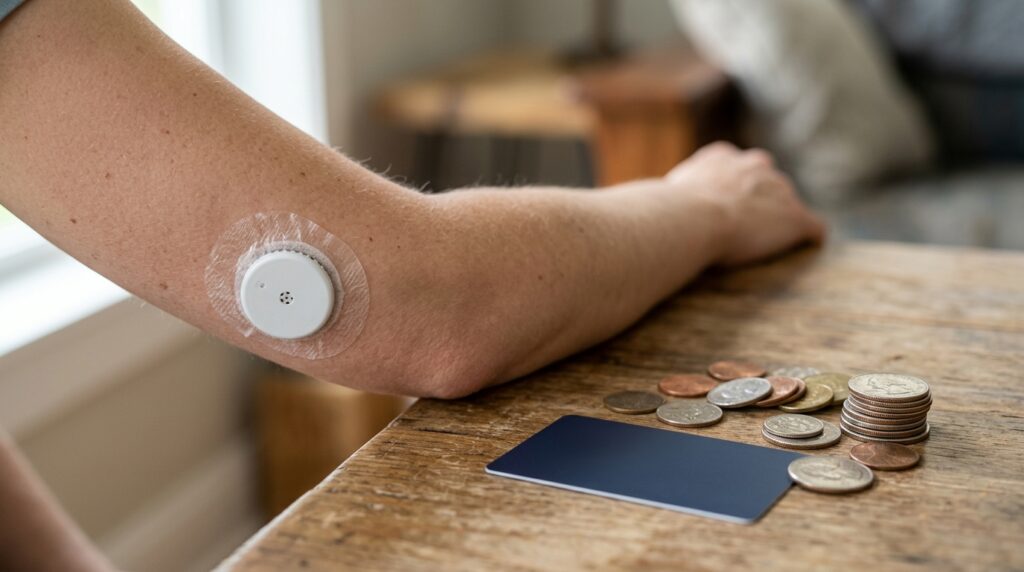
Continuous glucose monitor cost can vary widely depending on the device, your coverage, and where you buy it. In the U.S., over-the-counter systems may cost about $89 to $99 per month, while prescription options can run $150 to $600 or more at cash prices. The sticker price is only part of the story. Insurance, savings programs, Medicaid, or Medicare may reduce your cost to $0 to $75 per month.
Before you commit, check what is included, how long each sensor lasts, and whether extra supplies or appointments cost more. A low monthly price can look less impressive once those details appear. The goal is simple: find the real cost before a supposedly budget-friendly monitor takes a bite out of your wallet.
Key Takeaways
- CGM costs vary widely: over-the-counter systems typically cost about $89–$99 per month, while prescription systems can range from $150 to more than $600 monthly at cash prices. Insurance, Medicare, Medicaid, and manufacturer savings programs may reduce out-of-pocket costs to $0–$75 per month for eligible users.
- Compare the full annual cost rather than the advertised starter price. Include replacement sensors, readers or transmitters, subscriptions, shipping, taxes, clinician visits, backup testing supplies, and potential sensor replacements.
- OTC systems generally offer simpler access and more predictable self-pay pricing, while prescription CGMs may be the better value when insurance coverage substantially reduces your share. Confirm coverage requirements, prior authorization, approved devices, and supplier rules before purchasing.
- Review sensor wear time and subscription terms carefully. Calculate how many sensors you will need over a year, then check renewal prices, cancellation policies, shipping fees, and compatibility with your phone or other devices.
Introduction to Continuous Glucose Monitor Cost
Continuous glucose monitor cost can vary widely depending on the system, where you buy it, and whether insurance helps pay. In the U.S., over-the-counter options may cost roughly $89 to $99 per month, while prescription systems can run about $150 to $600 or more per month at cash prices. That gap does not tell the whole story. Insurance, Medicare, Medicaid, and savings programs may lower your share to $0 to $75 monthly, or leave you paying coinsurance. The real question is what you will pay over time, not just the price shown at checkout.
This guide compares over-the-counter devices with prescription systems so you can see which pricing model fits your needs. You will find the cost of the starter device, sensor replacement schedule, optional subscriptions, and recurring supplies that can quietly inflate your budget. We will also cover how coverage rules, deductibles, eligibility, and pharmacy pricing can change your final bill. Some systems charge less when you subscribe, but that discount may apply only while you keep an active plan.
Before choosing a monitor, count the ongoing costs and check what the advertised price leaves out. Most published prices exclude taxes, clinician visits, and backup finger-stick supplies. Those extras may matter if a sensor fails or you need a second reading. A fair comparison should help you weigh monthly and annual costs, sensor wear time, ease of purchase, and who may benefit from each type of system. Once those numbers are clear, you can review products without getting trapped by a low upfront price.
OTC Versus Prescription CGM Prices
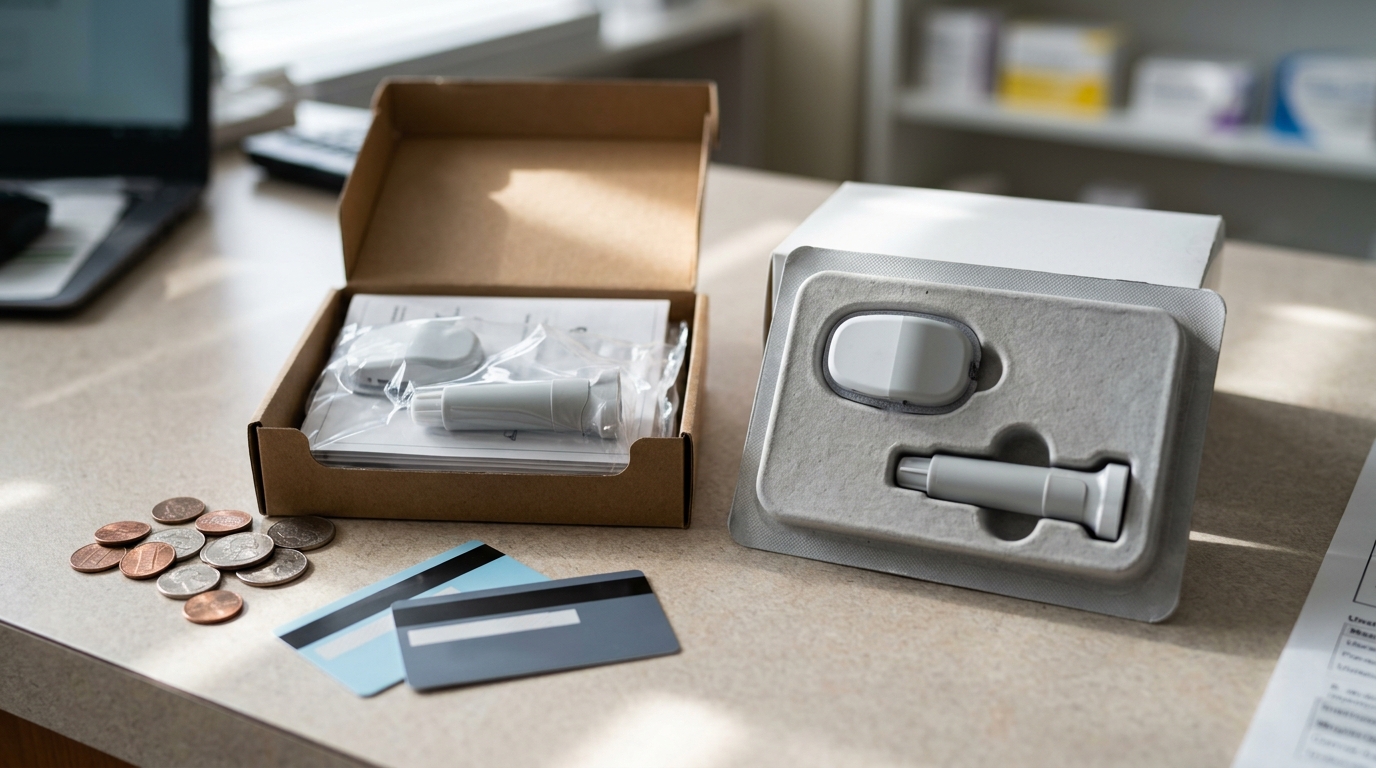
Over-the-counter CGMs can be an easier entry point if you are paying out of pocket. One option costs about $99 for a monthly supply, or roughly $89 per month with a subscription, and its sensors last up to 15 days. Another OTC system costs about $54 for two weeks, $89 for four weeks, or $249 for 12 weeks, with each sensor lasting 14 days. That puts typical annual spending around $1,068 to $1,188 before taxes, clinician visits, or backup finger-stick supplies.
Prescription CGMs can cost far more at pharmacy cash prices, even when the sensors last about 10 to 15 days. Depending on the system, monthly self-pay costs may range from roughly $150 to more than $600, which can push annual spending from about $1,800 to over $7,200. Your real cost may be much lower if insurance, savings programs, Medicaid, or Medicare help cover the supplies. Without coverage, the prescription route can deliver an unpleasant surprise at checkout.
The smart move is to compare the full supply cycle, not just the price printed on the starter box. Count how many sensors you need each month, whether a subscription lowers the price, and what happens when a sensor fails or needs replacement. OTC systems generally offer simpler access and more predictable pricing. Prescription systems may become the better deal when coverage reduces your share to $0 to $75 per month or about 20% coinsurance. Check current pharmacy and manufacturer prices before buying, because CGM costs can change quickly.
Insurance and CGM Out-of-Pocket Costs
Your continuous glucose monitor cost can change dramatically depending on your coverage, diagnosis, and chosen device. With commercial insurance, you may pay $0 to $75 per month when the monitor meets your plan’s rules and your clinician submits the required paperwork. Other plans apply a deductible or around 20% coinsurance, leaving you with a larger bill until you meet the deductible. Prescription CGMs can cost roughly $150 to $600 or more per month at the pharmacy cash price, while some over-the-counter options run about $89 to $99 monthly without insurance.
Medicare coverage is not automatic, and eligibility usually depends on factors such as diabetes treatment, insulin use, and current coverage requirements. Medicaid rules vary by state, so one person may receive sensors at little or no cost while another may face prior authorization or limited coverage. Commercial plans and government programs can also differ on approved devices, replacement timing, and whether supplies must come through a pharmacy or medical supplier. Check your plan’s exact requirements before assuming a low advertised price applies to you.
Manufacturer savings programs can reduce your monthly bill, sometimes bringing eligible users near $0 to $75, but read the fine print before counting on the discount. These programs often exclude people with Medicare or Medicaid, impose income or insurance rules, and may have enrollment limits. If you do not qualify, compare the full monthly price, sensor replacement schedule, clinician visit costs, and backup finger-stick supplies. The cheapest sticker price may not be the cheapest real-world option. Ask your insurer and pharmacy for your final out-of-pocket estimate before starting.
Hidden Continuous Glucose Monitor Expenses
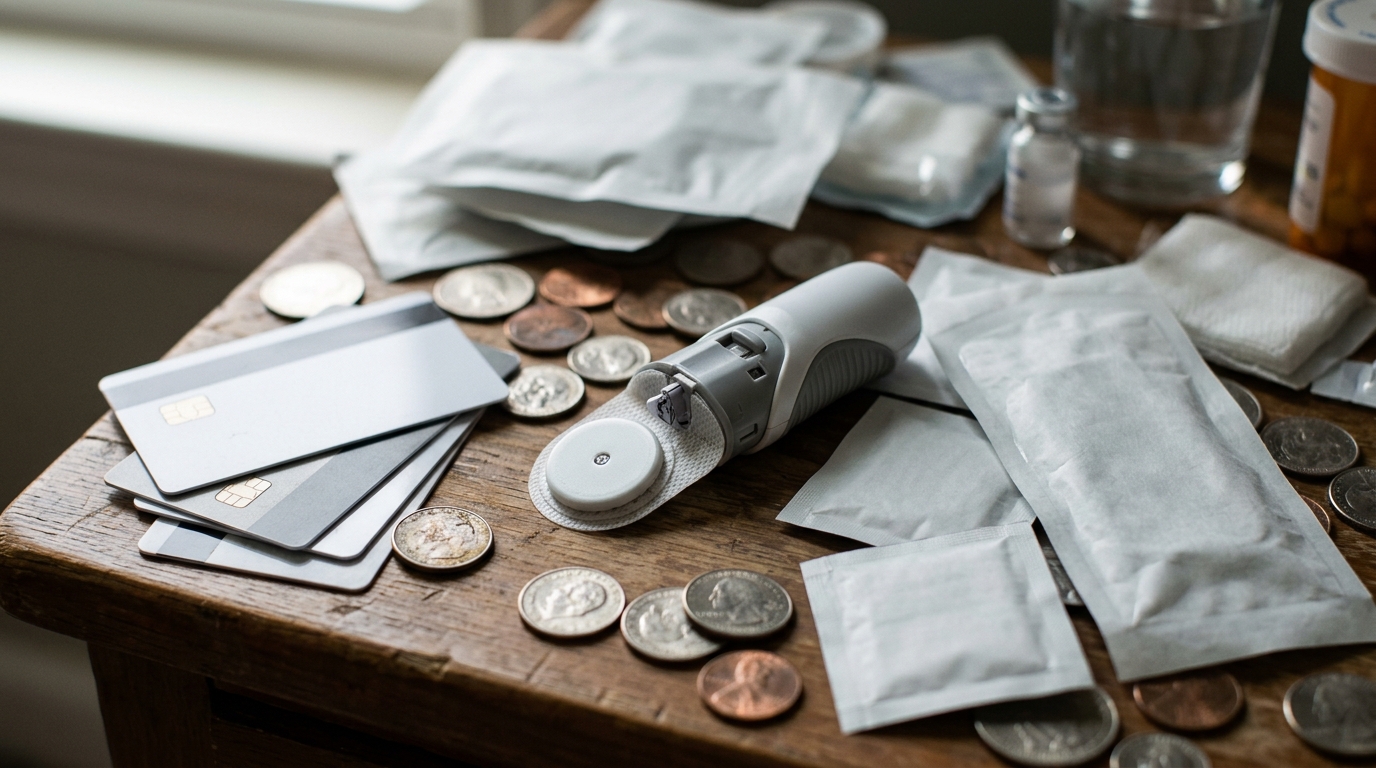
The advertised continuous glucose monitor cost is often only the starting point. Replacement sensors can run about $89 to $99 per month for some over-the-counter systems, while prescription systems may cost $150 to $600 or more per month at cash prices. You may also need a separate reader device, a transmitter, or both, depending on the system and how you use it. Check whether those parts are included, how often they must be replaced, and whether the price changes after an introductory offer.
Your real budget may also include prescription visits, taxes, shipping, and a backup glucose meter with test strips and lancets. Sensors can fail early, fall off, or stop working before the promised wear time, leaving you to buy replacements or wait for a support decision. Insurance, savings programs, Medicaid, or Medicare may lower your share, but coverage rules can change and some plans still require copays or coinsurance. Ask about these details before you buy, because a low monthly price can look very different after the extras are added.
Adding up every expense for a full year gives you a clearer picture than focusing on one box or one month. Add the yearly sensor supply, divide one-time reader and transmitter costs across their expected service life, then include visits, taxes, backup testing supplies, and a small cushion for failed sensors. For example, a $99 monthly plan already equals $1,188 per year before those add-ons, while a $150 monthly prescription setup starts at $1,800 annually at cash price. That simple calculation helps you compare plans honestly and choose a CGM budget you can actually maintain.
Choosing a CGM Within Your Budget
Continuous glucose monitor cost can vary sharply depending on whether you choose an over-the-counter or prescription system. In the U.S., OTC options commonly cost about $89 to $99 per month, while prescription systems may run $150 to $600 or more per month at cash prices. Insurance, Medicaid, Medicare, manufacturer savings programs, and eligibility rules can lower your out-of-pocket cost to $0 to $75 monthly, or to a percentage such as 20% coinsurance. Check your coverage before assuming the advertised price is what you will pay.
Sensor duration is where the pricing math can get slippery. A system with 14-day sensors may look cheaper per box, but you need to calculate how many sensors you will use over a full year, including replacement costs. Then divide that annual total by 12 instead of judging a one-time discount or introductory offer. A subscription may lower the monthly price, but confirm its renewal rate, cancellation rules, shipping fees, and whether you can pause deliveries.
Your phone also affects the real cost, because a CGM may require a compatible device or app to display readings. Confirm that your phone model and operating system are supported before buying, and find out whether a prescription, clinician visit, or pharmacy approval is required. Ask about savings eligibility based on insurance status, diagnosis, income, age, or government coverage, since restrictions can apply. The smartest comparison includes sensors, subscriptions, taxes, clinician costs, and backup finger-stick supplies. That gives you a realistic monthly cost instead of a polished sales-page number.
Understanding Continuous Glucose Monitor Cost
Continuous glucose monitor cost in the U.S. can vary sharply depending on the device and how you pay. Over-the-counter systems may cost about $89 to $99 per month, while prescription systems can run roughly $150 to $600 or more per month at cash prices. Insurance, Medicaid, Medicare, and manufacturer savings programs may reduce your share to $0 to $75 per month, or leave you paying a percentage of the allowed cost. Do not assume the advertised price is your final bill, because eligibility rules and coverage limits can change.
Before choosing a monitor, check your insurance benefits and ask whether sensors, transmitters, readers, or other supplies are covered separately. Confirm how often sensors must be replaced, since a lower device price can become expensive when recurring supplies are added. Also budget for possible clinician visits, backup finger-stick supplies, taxes, and subscription fees that are not included in the headline price. The smartest move is to calculate the full yearly cost, including every replacement and out-of-pocket expense, instead of focusing only on the monthly price.
What You’ll Really Pay for a CGM
Continuous glucose monitor cost depends heavily on the system you choose and how you pay. In the U.S., OTC options generally cost about $89 to $99 per month, while prescription systems can run from $150 to more than $600 per month at cash prices. Insurance, Medicare, Medicaid, and manufacturer savings programs may lower your share to $0 to $75 monthly, although some plans use coinsurance instead. Remember to budget for replacement sensors, possible clinician visits, taxes, and backup finger-stick supplies, which may not be included in advertised prices.
The smartest move is to compare the full yearly cost, not just the starter price or monthly headline. Check sensor life, subscription terms, refill rules, cancellation policies, and coverage before you commit. If you are building a practical health routine around better food choices, keep those expenses separate from your CGM budget so you can judge each cost clearly. A clear budget and honest comparison can help you choose a CGM that supports your goals without draining your wallet.
Frequently Asked Questions
1. What is the average continuous glucose monitor cost?
In the U.S., over-the-counter systems often cost about $89 to $99 per month. Prescription systems may cost $150 to $600 or more per month when you pay the full cash price. Insurance, Medicare, Medicaid, and savings programs can reduce your share to $0 to $75 monthly, depending on eligibility and coverage.
2. Are over-the-counter glucose monitors cheaper than prescription systems?
They can be, especially when you pay out of pocket. OTC systems often use a simple monthly subscription, while prescription systems may involve sensors, transmitters, receivers, supplies, and medical visits. Compare the full monthly cost, not just the advertised starter price.
3. What is included in the price of a continuous glucose monitor?
The price may include sensors, an app, a reader, or a subscription, but the details vary by system. Some packages leave out replacement supplies, shipping, taxes, clinician appointments, or setup costs. Check exactly what you receive and how often each part must be replaced before you buy.
4. How much do replacement sensors add to the monthly cost?
Replacement sensors are usually the biggest ongoing expense because they last for a limited number of days or weeks. A lower-priced starter kit can become expensive once regular sensor replacements begin. Divide the total sensor price by the number of days each sensor lasts to estimate your real monthly cost.
5. Will insurance cover the cost of a continuous glucose monitor?
Insurance may cover a prescription CGM, but approval often depends on your diagnosis, treatment plan, deductible, and plan rules. You may still owe a copay or coinsurance, and some plans require prior authorization or a specific supplier. Call your insurer and ask about the device, sensors, supplies, and your expected out-of-pocket cost.
6. Can Medicare or Medicaid help pay for a continuous glucose monitor?
Medicare and Medicaid may cover a CGM for eligible people, but requirements differ by program and state. Coverage can depend on insulin use, medical records, clinician documentation, and whether the device meets program rules. Confirm the details with your plan before ordering, because buying first may leave you responsible for the full bill.
7. Are continuous glucose monitor subscriptions worth the money?
A subscription can simplify sensor replacement and may lower the monthly price, but it is not automatically a bargain. Check the cancellation rules, renewal price, shipping fees, and whether the discount ends when you stop the plan. Calculate the cost over a full year so a short-term promotion does not fool you.
8. How can you lower your continuous glucose monitor cost?
Compare OTC and prescription options, check insurance coverage before purchase, and look for manufacturer savings programs or eligible public benefits. Ask whether your pharmacy, mail-order supplier, or health plan offers a lower price. Most importantly, compare the complete yearly cost, including sensors, supplies, visits, shipping, taxes, and subscription fees.